Published: 21 October 2025. The English Chronicle Desk. The English Chronicle Online.
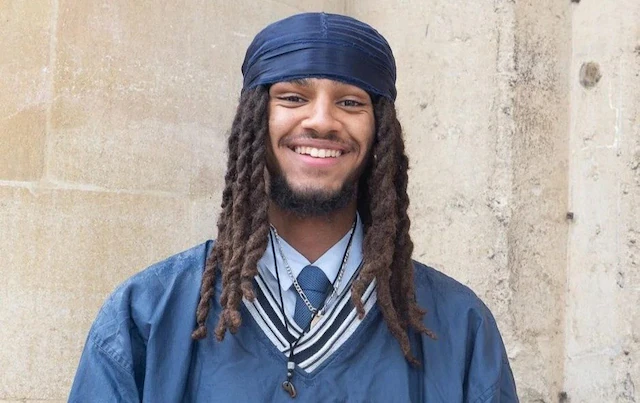
The Oxford Union, one of Britain’s most prestigious debating societies, has been thrown into turmoil after its president-elect, George Abaraonye, was ousted following widespread outrage over his apparent celebration of the shooting of US conservative commentator Charlie Kirk. The dramatic removal has sparked a fierce debate about free speech, accountability, and the limits of student politics within one of the country’s most influential intellectual institutions.
Abaraonye, a 20-year-old philosophy, politics, and economics (PPE) student at University College, Oxford, was due to assume the presidency of the 202-year-old Union next term. However, his position became untenable after leaked messages appeared to show him celebrating the news that Kirk had been shot. In one message shared to a private chat, he wrote, “Charlie Kirk got shot, let’s f—— go,” while another message allegedly sent from his Instagram account read, “Charlie Kirk got shot loool.” The revelation caused a storm both within the Union and across the wider public sphere, prompting alumni and current members to demand his resignation.

A vote of no confidence was held on Saturday, resulting in an overwhelming decision to remove Abaraonye. Of the 1,746 votes cast, 1,228 were in favour of the motion—more than the two-thirds threshold required for it to pass under Union rules. The results, initially delayed over identity checks for proxy votes submitted by alumni, were made public on Tuesday morning. A formal notice posted at the Union declared: “As this threshold has been met, the motion of no confidence has been carried.”
Abaraonye, however, has refused to accept the outcome, insisting that the process was compromised. In a statement issued shortly after the results were published, he claimed: “I am and remain the president-elect. The poll was compromised, and I do not know if or how many proxy votes have been tampered with.” His supporters have echoed these claims, alleging irregularities in the handling of alumni votes. Nonetheless, Union officials maintain that the vote was conducted transparently and in accordance with established procedures.
The controversy stems from Abaraonye’s previous debate with Charlie Kirk in the Oxford Union chamber earlier this year. During the event, the two clashed over issues of marriage, gender norms, and so-called “toxic masculinity.” When reports of Kirk’s shooting emerged in the US several months later, Abaraonye’s celebratory messages were shared on social media, leading to intense criticism. While he later apologised and retracted his comments, the fallout proved irreparable.
The scandal has had immediate repercussions for the Oxford Union’s reputation and finances. Several high-profile speakers reportedly withdrew from scheduled events, and a £500,000 donation was put on hold pending the outcome of the disciplinary process. In the United States, Kirk’s allies launched a campaign urging American political figures to boycott the Union. In an open letter read aloud on The Charlie Kirk Show, three of Kirk’s close associates stated: “We will personally contact every American political speaker who has ever graced the Union’s chamber and urge them never again to lend their name, time or reputation to an institution that has betrayed its founding ideals.” The controversy has cast a shadow over upcoming events, including a much-anticipated appearance by former US Vice President Mike Pence.
Facing escalating backlash, Abaraonye attempted to seize control of the narrative by calling for his own vote of no confidence last week. He described the move as an effort to “reclaim a process of true accountability” and return the debate “into our chambers, a space built for free speech.” Critics, however, accused him of trying to pre-empt an inevitable removal by alumni who were preparing their own motion against him. One Union insider described the manoeuvre as “a last-ditch effort to appear in control of a process that had already overtaken him.”
In a statement to The Telegraph, Abaraonye defended his right to free speech and condemned what he described as a campaign of “racist abuse and violent rhetoric.” He said: “The Union is a formative space where students learn, often through error. Making a mistake and growing from it is part of the university experience. For members who know me or have engaged with me since, I hope they see that growth and my commitment to the role. Ultimately, the specific outcome is secondary to the principle. The goal is to demonstrate that the Oxford Union will not be bullied by cancel culture and will stand firm in its commitment to free speech, fair process, and reasoned debate.”
However, many alumni and current members saw the remarks as insufficient. One former Union president told The English Chronicle: “The comments about Charlie Kirk crossed a moral line. You can’t preach free speech while appearing to celebrate violence against someone you disagree with.” Others argued that Abaraonye’s case reflected a growing tension between free expression and accountability in elite academic spaces.
The Oxford Union’s leadership has also faced criticism for its handling of the situation. Moosa Harraj, the current Union president, and members of the Standing Committee have been accused by Abaraonye’s camp of introducing “compromised and untested poll regulations” that allegedly tainted the process. Harraj has rejected these claims, saying the committee acted “with full transparency and fairness.” He added, “The Union’s credibility rests on the integrity of its processes. We owe it to our members to ensure that democracy prevails, even when the results are uncomfortable.”
The incident has reignited wider discussions about the role of the Oxford Union as a platform for controversial voices. Founded in 1823, the society has hosted countless world leaders, thinkers, and activists, including Winston Churchill, Mother Teresa, and Malcolm X. Yet, in recent years, it has struggled to navigate the balance between fostering open debate and addressing the sensitivities of an increasingly polarised student body.

Some students argue that the scandal has damaged the Union’s global reputation, once synonymous with intellectual rigour and spirited but respectful discourse. Others see it as a necessary reckoning for an institution that has often been criticised for elitism and a lack of accountability. “What happened here is part of a bigger cultural shift,” said Lucy Wainwright, a second-year politics student. “Free speech isn’t just about saying what you want—it’s about taking responsibility when your words cause harm.”
For now, the future of the Oxford Union presidency remains uncertain. While the no-confidence vote effectively removes Abaraonye from his position, he has signalled his intention to challenge the result, potentially through legal channels or an appeal within the Union’s governance framework. Meanwhile, preparations for next term’s debates continue, though insiders admit that the mood inside Frewin Court — the Union’s historic headquarters — is tense and divided.
Whatever the outcome, the scandal has left a lasting mark on the storied institution. It has exposed not only the deep divisions within Oxford’s intellectual community but also the difficulty of upholding free speech principles in an age defined by social media outrage and moral scrutiny. As one member put it, “The Union has always prided itself on being a home for debate, but this time, the debate has turned inward — and it’s tearing the place apart.
Related News:
 China-Backed Confucius Institutes at UK Universities Face Uncertainty Under New Free Speech Rules
 University of Edinburgh Lecturers Launch Five-Day Strike Amid £140m Budget Cuts
 It Changed My View’: Campaign Encourages Pupils in Deprived Areas to Consider University
 UK Universities Warn Students Ahead of 7 October Pro-Palestine Protests
 The debate over England’s compulsory reading test for 13-year-olds
 Bridget Phillipson Vows to Confront Unions Over Reading Tests
 England’s Special Needs Support Faces Breaking Point
 UK Must Act with Courage and Clarity on Israel-Palestine Conflict, Says Foreign Affairs Committee Report
 Chancellor Faces Mounting Pressure Amid “Impossible Trilemma” Over Tax Rises
 Princess of Wales Launches Animated Video Series to Support Early Childhood Development
 Radioactive Leak at UK’s Nuclear Warhead Base Sparks Outcry Over Safety and Secrecy
 Mass Arrests in London as Protest Defies Ban on Palestine Action
 Mutual Inconvenience: Why Alaska Was Chosen for the Trump-Putin Summit on Ukraine
 UK Government Expands ‘Deport Now, Appeal Later’ Policy to 23 Countries
 Farage Accuses PM of ‘Democratic Disparity’ in House of Lords Representation
 Chancellor Rachel Reeves Pushes for Sweeping Changes to Environmental Protections to Accelerate Development
 Larger Families Could Gain Thousands if Labour Ends Two-Child Benefit Cap
 Why Where You Live Can Affect Your School Grades – And the Gap Between Areas Is Only Widening
 Is the UK Ready to Put Boots on the Ground in Ukraine? Assessing Military Capacity and Challenges
 Education Leaders Call for End to Compulsory GCSE Resits in English and Maths
 Palestine Action Ban Protesters Plan Tactic to Overwhelm Police at Next London Demonstration
 Police Scotland Spends £500,000 Compensating Officers Over Trump Visit
 Britain’s Migration Challenge: Rising Asylum Numbers and Hotel Pressures
 Elon Musk Sparks New Controversy by Backing Tommy Robinson Amid Farage Feud
 Thousands of New School Nursery Places to Be Rolled Out Across England
 Urgent Action Needed on Windrush Compensation as Survivors Speak of “Waiting to Die”
 Tanni Grey-Thompson Faces Abuse Over Opposition to Assisted Dying Bill
 TfL Invites RMT to Resume Talks as London Tube Strikes End
 UK Rejoining EU ‘Unlikely in My Lifetime,’ Says Starmer’s Europe Reset Negotiator
 UK Graduates in Healthcare Report Highest Satisfaction with Degree Choices
 ‘Unite the Kingdom’ Rally Sparks Fears of Far-Right Normalisation Among Minority Britons
 Growing Crisis in UK Schools: One in Three Parents Seek Special Needs Assessments
 Thousands Gather in London to Protest Donald Trump’s Second UK State Visit
 Zarah Sultana Seeks Legal Action After Bitter Clash with Jeremy Corbyn Over Party Membership Funds
 UK Launches Initiative to Teach Democracy to Toddlers in Memory of Sir David Amess
 Nigel Farage Unveils Controversial Immigration and Welfare Plans at Reform UK Press Conference
 Top Andy Burnham Ally Launches Fierce Critique of Starmer Ahead of Labour Conference
 Mahmood Pledges Reform of Modern Slavery Laws After Court Blocks Deportation Appeal
 White Low-Income Pupils in England Show Lowest Levels of School Engagement, Study Finds
 Ed Miliband Warns UK Government on X, Citing Elon Musk as a “Dangerous Influence”
 Ed Miliband Urges Labour to Confront Billionaire-Backed Opposition to Net Zero Goals
 A Third of EU Citizens in UK Report Discrimination by Public Bodies Post-Brexit
 Senior Tories Condemn Badenoch’s Vow to Repeal Climate Change Act as Catastrophic
 Teacher Permanently Banned After Slapping Pupil Over Classroom Incident
 Digital ID Plans Ignite Debate Over £600m Treasury Tax Boost and Privacy Concerns
 Kemi Badenoch Unveils ‘Golden Rule’ to Halve Spending Cuts for Deficit Reduction at Tory Conference
 Public Trust in SNP Hits Historic Low Amid NHS Concerns
 Yvette Cooper Backs Digital ID Plan for UK Teens
 Johnson Suggests Mandelson Linked to China Spy Controversy
 UK border officers deployed to Balkans to tackle migrant smuggling
 Ministry of Justice fails to file £11bn in spending receipts
 UK MPs warn of repeat riots over online misinformation
 Rachel Reeves signals welfare reform ahead of key budget
 New V-Level qualification to transform post-16 education
 Reform UK candidate fined £19,000 after using AI-generated cases to challenge election
 Kosovo agrees to host Britain’s refused asylum seekers
 One in 12 Secondary Pupils Sent to Isolation Weekly
 William Steps Up Over Prince Andrew Palace Response
 UK Health Leaders Push for Urgent Tobacco & Vape Bill
 How the Royal Navy Can’t Stop the Channel Boats
 British Woman in Iran ‘Losing Hope’ Amid Ongoing Detention
 Johnson Approved China’s London ‘Super-Embassy’ in 2018
 Green Party Surges Past Labour in Latest UK Poll
 Celebrities and Charities Demand UK Government Act on Child Poverty
 Zarah Sultana Launches Party to Change Politics
 Children to Learn Local History in Major Curriculum Overhaul
 FBI Director Kash Patel Defends Girlfriend Amid Government Jet Claims
 Top Christmas Books Reads: Classics to Cozy Romcoms
 Greta Thunberg Backs Student Facing UK Visa Revocation
 Labour immigration crackdown could cost UK £4.4bn
 London’s Childlessness Crisis: Schools Closing as Families Shrink
 ‘Reckless’ cuts to victims’ services will cost more than they save
 Starmer Faces Growing Dissent as Labour MPs Weigh Leadership Challenge
 Politics latest: Starmer ‘will fight any leadership coup’ as Streeting denies attempt to oust Labour PM
 Pressure Mounts on Starmer to Sack Chief of Staff Over Briefing Row
 Peers Flood Assisted Dying Bill with 942 Amendments
 MoD warned over Excel risks before Afghan data breach
 Most Tories Expect to Support a Farage-Led Government
 Labour MP claims devolution bill is ‘blatant discrimination’ against Cornwall
 Millions Face Higher Taxes Under Reeves New Budget