Published: 30 October 2025. The English Chronicle Desk. The English Chronicle Online.
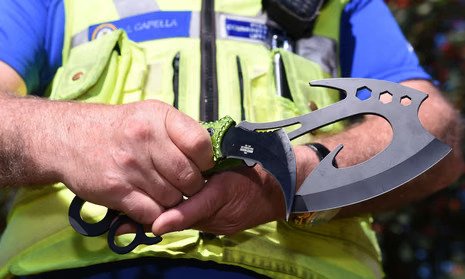
Nearly 48,000 zombie-style knives and machetes have been taken off UK streets over the past year, official figures reveal, highlighting the impact of government-backed surrender schemes and stricter legislation aimed at tackling knife crime. These figures form part of a broader total of 59,259 knives removed as a result of police operations, voluntary surrender schemes, and seizures following the nationwide ban on these dangerous weapons.
Zombie-style knives and machetes were officially banned on 24 September last year under legislation introduced by the Conservative government ahead of the last election. Anyone found in possession of one now faces up to two years in prison and/or an unlimited fine, reflecting the government’s determination to curb the proliferation of these lethal weapons.

Home Office data shows that 47,795 zombie knives and machetes were surrendered under a compensation scheme that allowed owners to claim the market value of weapons they had previously purchased legally. An additional 7,512 weapons were surrendered through other avenues, including ninja sword amnesty schemes, mobile surrender vans, and designated surrender bins across the country. Police operations against county lines gangs accounted for another 618 recoveries, while Border Force confiscated 3,334 knives at ports and entry points, demonstrating a multi-layered approach to enforcement.
The crackdown comes amid a resurgence in knife crime, which has nearly returned to pre-pandemic levels. While recent figures show a modest five per cent fall—the first in four years—concerns remain high. Knife homicides have also fallen by 20 per cent over the past year, indicating some progress in containing the most serious outcomes of violent crime. Provisional NHS data for England and Wales also reports a 10 per cent drop in hospital admissions for assaults involving sharp objects, with 3,460 such incidents recorded in the year ending June 2025.
Home Secretary Shabana Mahmood emphasised the government’s commitment to tackling knife crime head-on. “Too many young lives are lost each year to knife crime,” she said. “This Government is determined to halve knife crime. We are making progress, but we won’t stop until we meet that goal. We will pursue this mission relentlessly, doing everything we can to get these weapons off our streets.” Her statement reflects both the seriousness with which authorities are treating the issue and the ongoing efforts to reduce the impact of violent weapons on communities.
The surrender schemes follow in the footsteps of earlier legislation, including measures introduced by former Home Secretary Yvette Cooper, who oversaw the initial ninja sword ban. Cooper’s proposals, which were part of the wider “Ronan’s Law,” were named in memory of 16-year-old Ronan Kanda, tragically stabbed to death in a case of mistaken identity by two youths wielding swords. Her initiatives included not only bans but also amnesty schemes designed to encourage compliance and remove weapons before they could be misused.
The current government has expanded upon these measures with tougher two-step age and identity verification checks for knife sales, both at the point of purchase and again upon delivery. Technology companies now face fines of up to £10,000 if they fail to remove content that glorifies knife crime or advertises banned weapons, under provisions included in the Crime and Policing Bill. The bill also strengthens rules on online knife sales, compels retailers to report bulk purchases, increases penalties for illegal sales, and introduces a new offence for possessing a knife with intent to commit unlawful violence, which applies to private residences as well as public spaces.
The proactive approach appears to be having an impact. More than 7,500 dangerous weapons were surrendered through a national amnesty scheme implemented a month before the ban came into force, helping prevent potential violence before it could occur. Authorities report that knife-enabled robberies have fallen nationally by ten per cent, with the West Midlands recording a striking near 30 per cent reduction. These figures highlight both the efficacy of enforcement strategies and the importance of preventative measures in reducing harm to communities.
Police have also established a taskforce in partnership with the Home Office to specifically target knife-enabled robberies, combining intelligence-led operations with local engagement initiatives. Since June 2024, these efforts have contributed to a ten per cent reduction in knife-enabled robberies nationally and a 30 per cent drop in the West Midlands. Such results underscore the tangible benefits of a multi-faceted approach that combines legislative action, enforcement, community outreach, and offender rehabilitation programs.
The removal of zombie knives and machetes is a significant achievement, but authorities stress that the fight against knife crime is far from over. Mahmood highlighted the long-term ambition behind these measures: “Real change is happening – in memory of Ronan and for the safety of every young person. I am grateful to the government for taking real action and making real change.” Her remarks underline the dual focus of current policy: honoring victims of knife crime while preventing future tragedies.
Experts argue that the success of the knife surrender schemes lies not just in the number of weapons collected but also in their symbolic value. By taking thousands of dangerous items out of circulation, authorities are sending a clear message that knife possession is socially unacceptable and legally punishable. At the same time, the schemes provide an opportunity for owners to comply without fear of immediate prosecution, reducing friction between law enforcement and local communities.

The data also reveal that the majority of surrendered weapons were obtained legally prior to the ban, highlighting the importance of proactive regulation in preventing legal tools from being used criminally. Law enforcement agencies continue to target illegal supply networks and monitor online sales platforms to prevent the introduction of new dangerous weapons into circulation. Compliance efforts are being supported by educational campaigns aimed at young people, emphasizing the risks and consequences of knife crime.
While the reduction in knife-enabled robberies and hospital admissions is encouraging, authorities stress that the battle is ongoing. Urban areas continue to experience incidents involving knives, and youth-focused interventions remain a priority. The Home Office, in collaboration with local police forces, is expanding mentorship and diversion programs to steer young people away from violent behavior, combining law enforcement with social support initiatives.
Overall, the removal of nearly 48,000 zombie knives from UK streets represents a significant step forward in combating knife crime. The combination of legislative action, voluntary surrender schemes, targeted enforcement, and public awareness campaigns illustrates a comprehensive approach designed to protect communities, prevent injuries, and ultimately save lives.
Related News:
 British Grandmother to Return Home After Death Sentence in Bali
 Bar Council urges legal aid for all domestic abuse family cases
 Judges to Decide Fate of Chief Constable Guilty of Contempt
 Victim of Catfish Predator Max Hollingsbee Speaks Out: “I Will Always Be Angry He Took My Innocence”
 Madeleine McCann Detectives to Testify Against Woman Accused of Stalking the Family
 Mother dies after black market weight loss injection
 Peterborough Mosques Tighten Security After Attack
 Five More Prisoners Freed by Mistake in Essex Week
 Rachel Reeves Admits Renting Home Without Required Licence
 Prince Andrew Stripped of Title: Giuffre Family Hails Historic Moment
 Afghan man charged with murder after west London knife attack
 Experts Question HMRC Over Possible Child Benefit Privacy Breach
 Metal Detectors at Stations ‘Would Make Life Impossible,’ Says Minister
 Man Charged Over Cambridgeshire Train Stabbing
 Pregnant UK Teen to Be Freed from Georgian Jail
 French Taxi Driver Cleared in David Lammy Theft Case After Fare Dispute
 Just Stop Oil Protesters Convicted Amid Climate Defence Row
 Lammy ‘misinformed’ over Wandsworth prisoner releases
 Met Police Culture Makes Racial Harm ‘Inevitable’
 Newcastle United Lifts Ban on Fan Over Gender-Critical Views
 Jailed UK climate protesters face extremist-style restrictions
 Tim Davie resigns as BBC director general amid bias claims
 How to get help when a child goes missing – call 999 urgently
 ‘Reckless’ cuts to victims’ services will cost more than they save
 NHS trust fined after woman takes life in mental health unit
 How age progression images help trace missing people
 South Korea’s Jeju Island Faces Rising Tide of Illicit Drugs
 Victims’ commissioner Baroness Newlove dies aged 63
 ‘Fake Admiral’ Sparks Outrage at Remembrance Event
 Couple Win Damages Over Arrest Linked to WhatsApp Chat
 UK Asylum Overhaul Sparks Debate Over Human Rights and Deportations
 UK Asylum Reforms: Temporary Refugee Status and Faster Deportations
 Paralegal Fired After Exposé on Illegal Worker Scam
 Dan Wootton Rejects Catfishing Allegation in Court
 Mother Watches in Horror as Teen Daughter Dies on Tracks
 Convicted Killer Challenges Vegemite Ban Behind Bars
 Newport Man Left Injured After Electric Bike Collision
 Court to Hear Challenge to Wimbledon Expansion Plan
 Serial Rapist and Former Cop Found Guilty Again
 Podcaster Faces Abuse Charges Over Controlling Behaviour
 Gardener Guilty of Brutal Attack on Teacher Partner
 Sudanese Family Vows to Stay After Racist Graffiti
 Man Arrested Over Manchester Synagogue Terror Attack
 Second homes curbs quashed in Gwynedd legal ruling
 Virgin Media Fined £23.8m Over Telecare Safety Failures
 Twelve Prisoners Released in Error, Two Still Missing
 Targeted Attack in Bury Sparks Murder Investigation as Community Awaits Justice
 Man Remanded After Children Fall Ill at Leicestershire Summer Camp in Shocking Child Cruelty Case
 Alarming rise in abusive teen relationships in the UK sparks urgent warnings
 Merseyside Police Helicopter Crew Cleared After Low-Altitude Pursuit of Suspect
 UK Launches Major Crackdown on Networks Profiting from Online Child Sexual Abuse
 No Evidence Found to Substantiate Alleged Rape in Oxfordshire Churchyard, Police Confirm
 Massive London Poundland Fire Engulfs High Street
 Badenoch Warns Farage’s Grooming Gangs Plan Could Backfire
 Hospice Cuts Raise Alarm Across England Amid Funding Crisis
 UK Woman Loses Child Benefit After Booking Flight She Never Took
 Mass Stabbing on Doncaster to London Train Leaves Ten Injured
 Children to Learn Local History in Major Curriculum Overhaul
 FBI Director Kash Patel Defends Girlfriend Amid Government Jet Claims
 Police Probe Four Knife Incidents Linked to Cambridgeshire Train Attack
 The Lowry Hotel: Manchester’s Iconic Five-Star Retreat
 Prince William Plants Trees with Brazil’s Nature Heroes
 Greta Thunberg Backs Student Facing UK Visa Revocation
 King Charles to Lead Nation in Remembrance Sunday Service
 Politics latest: Starmer ‘will fight any leadership coup’ as Streeting denies attempt to oust Labour PM
 Pop Stars Call on UK Government to Cap Resale Prices for Fans
 Son Reveals UK Couple in Iran Resort to Hunger Strike for Help
 Peers Flood Assisted Dying Bill with 942 Amendments
 Oklahoma Governor Grants Last-Minute Clemency to Death Row Inmate
 Rio Raid’s Death Toll Raises Questions About Gang Impact
 Mum Calls for New Licence Rules After Teen Road Death
 Charlotte Raids: 130 Arrested in Major Immigration Sweep
 ‘Traumatic Wait’: Northern Ireland Women Face Breast Cancer Delays
 Commuters warned as yellow snow and ice alert hits Northern Ireland
 Man Charged Over Attempted Murder of Senior Officer
 Coffins Now Too Large to Cremate Amid Rising Obesity Crisis
 Labour MP claims devolution bill is ‘blatant discrimination’ against Cornwall
 Peers Get Extra Time to Debate Assisted Dying Bill
 Fibromyalgia Patients Struggle as NHS Fails to Provide Care
 Search underway for British man overboard off Tenerife