Published: 31 October 2025. The English Chronicle Desk. The English Chronicle Online.
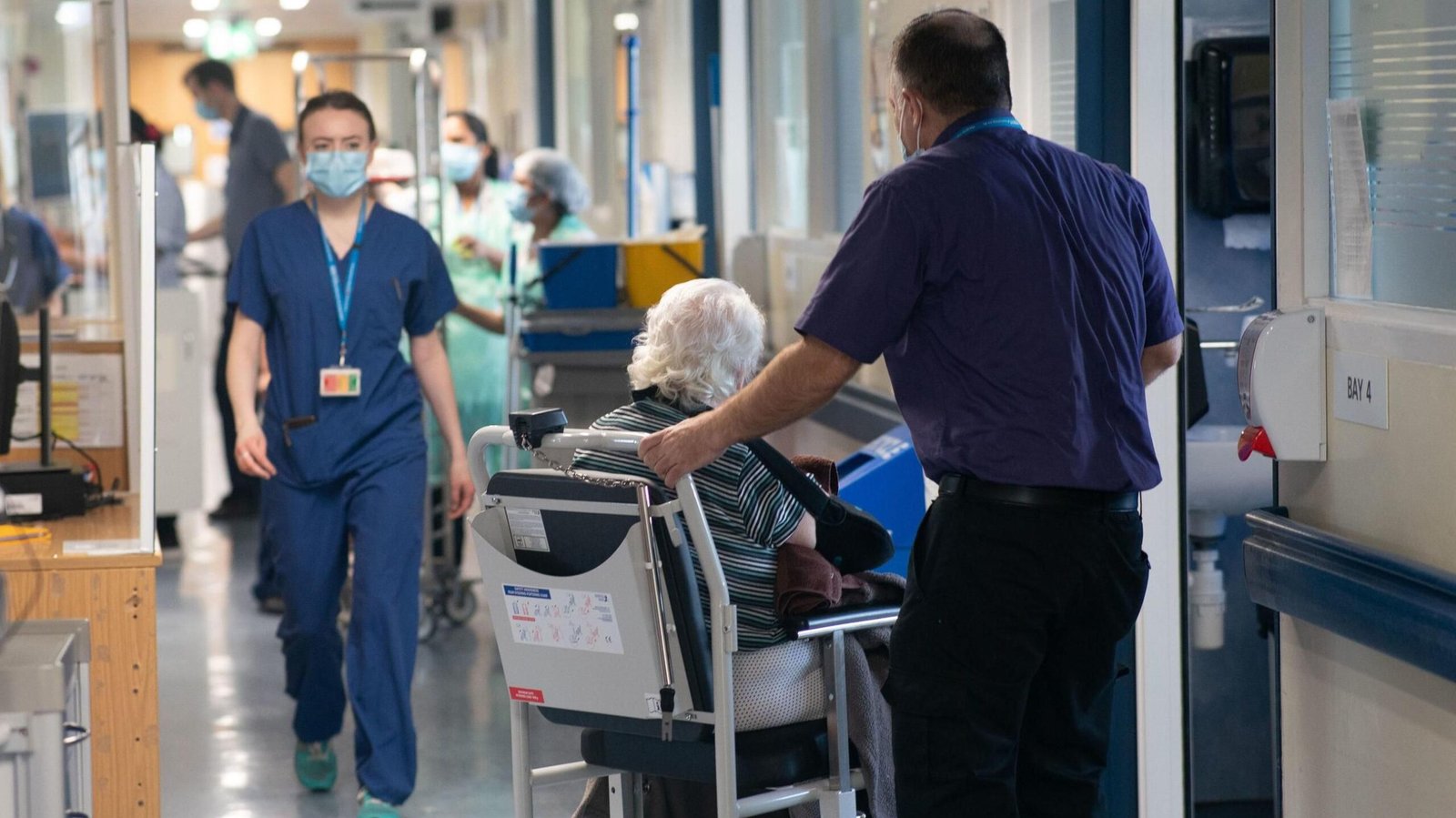
The government has been urged to urgently tackle long waits in accident and emergency departments, with charities warning that the delays are causing severe suffering among patients and eroding public trust in the NHS. Age UK has released a detailed report highlighting the plight of older patients forced to spend hours in corridors, side-rooms, and temporary treatment areas, sometimes in distressing and undignified conditions.
According to the report, some patients have been left in their own waste, while others received critical treatments such as blood transfusions in makeshift spaces, and in the worst cases, individuals have died while waiting for proper care. Age UK stresses that older patients are particularly vulnerable, with statistics showing that one in three people over 90 attending A&E in England last year endured waits of 12 hours or more, far exceeding what is safe or humane.

The government has acknowledged that these long waits are unacceptable and has stressed that steps are being taken to improve patient flow and hospital capacity. However, campaigners insist that the situation has become a systemic problem, with 12-hour waits, once considered rare, increasingly becoming commonplace. The report includes examples that illustrate the shocking scale of the issue: an 86-year-old patient was left in a disused corridor for 36 hours, while another patient spent 20 hours in a hallway after soiling themselves, enduring indignities such as using a bedpan in public view.
Susan, a 79-year-old patient from South London, shared her personal experience in the report. She arrived at the hospital after suffering a heart attack and spent 22 hours on a couch in a curtained-off area near the A&E department. During her wait, she overheard the final moments of other patients, describing the experience as deeply distressing and traumatic. “I was next to a man who was clearly unwell. He was alone for some time, then his wife was brought in. They whispered as they had little privacy. Then, after a long silence, she was led away, crying. I’m certain he died. And he died right next to me,” she recounted.
Age UK’s findings are based on data obtained under the Freedom of Information Act from NHS England. It shows that more than 1.7 million 12-hour waits occurred in major hospitals during 2024-25, equating to roughly one in ten A&E patients. Alarmingly, two-thirds of these prolonged waits affected people aged over 60. Charity leaders argue that such delays not only cause suffering but also pose significant health risks. Patients left unattended for long periods are more susceptible to complications, infections, and mental health deterioration due to stress, anxiety, and isolation.
Caroline Abrahams, director of Age UK, described the situation as a “crisis hiding in plain sight,” and called for immediate government intervention. “No-one should have to spend their final days in a hospital corridor where it is impossible for staff to provide good, compassionate care,” she said. “Long waits are like a rot eating away at the heart of the NHS, undermining public trust and leaving older people exposed to preventable harm.”
One of the key drivers behind the long waits is the lack of support in the community, which results in hospitals being unable to discharge patients who are medically fit to leave. This, in turn, reduces the number of beds available for incoming patients, causing bottlenecks in A&E departments. Age UK urges a renewed national effort to address these systemic issues, emphasizing that tackling community care and hospital capacity together is essential to solving the problem.
RCN General Secretary Prof Nicola Ranger echoed these concerns, describing the prolonged waits as a “moral stain” on the health service. She emphasized that no elderly or vulnerable person should be forced to endure these conditions and highlighted the impossible workload faced by overstretched and understaffed nursing teams. “Our nurses work tirelessly, but when resources are inadequate and the demand is overwhelming, it becomes impossible to provide care to the standard patients deserve,” Prof Ranger said.
Health Minister Karin Smyth also acknowledged the severity of the issue, stating: “No one should receive care in a corridor. It is unacceptable and undignified. We are determined to end this practice and ensure that patients are treated with the respect and care they deserve.” Smyth added that the government is investing additional funding in the NHS to improve patient care, and promised that detailed data on corridor care will soon be published to hold hospitals accountable. “To tackle a problem, you have to be honest about it. Transparency and accountability are essential to ensure the system functions effectively,” she said.

The problem is expected to worsen as winter approaches, a period traditionally associated with higher hospital admissions and increased pressure on NHS services. Charities like Age UK have warned that without urgent action, more patients—particularly older people—will continue to face distressing waits, with serious consequences for both physical and mental health.
The report also emphasizes the emotional toll of prolonged waiting. Many older patients experience anxiety, stress, and humiliation while waiting in crowded corridors, often without access to basic facilities or privacy. For family members and carers, the situation is equally distressing, as they are left powerless to help loved ones while hospitals struggle to cope with the sheer volume of patients.
In conclusion, Age UK and other campaigners are calling on the government to implement a comprehensive strategy that includes strengthening community care, increasing hospital capacity, improving discharge procedures, and ensuring staff levels are adequate. Without such measures, prolonged A&E waits will continue to cause unnecessary suffering, particularly among the elderly, and erode confidence in the NHS at a time when public trust is crucial.
Related News:
 Mother dies after black market weight loss injection
 Young Woman Missed 13 Times by GPs Before Bowel Cancer Diagnosis
 Hospice Cuts Raise Alarm Across England Amid Funding Crisis
 How Bringing Forests Into Preschools Boosts Children’s Health
 The diet that can significantly ease symptoms of IBS
 Celebrities and Charities Demand UK Government Act on Child Poverty
 Experts Warn on Home Birth Risks, Call for Skilled Midwives
 Lancashire council plans to close care homes and day centres
 Britain could face worst flu season on record, NHS warns
 Experts Urge Legal Right to Timely Cancer Care
 Patients to Test Health at Home to Ease NHS Winter Pressure
 London’s Childlessness Crisis: Schools Closing as Families Shrink
 NHS Takes Over Nuffield Hospital in ‘Windfall’ for London Care
 North Sea oil workers must lose weight or face job loss
 Crisis charity to become landlord amid UK housing emergency
 No link found between paracetamol in pregnancy and autism
 UK Disability Pay Gap Means Millions Work for Free From Today
 Shouting Works Best to Deter Gulls, UK Study Finds
 Reeves rejects £1bn plea for NHS redundancy payouts
 NHS trust fined after woman takes life in mental health unit
 Leading doctors issue warning amid ‘bad’ flu season
 UK Centres Used Risky Heart Pump Despite Safety Fears
 Reeves Rejects £1bn NHS Payout Plea from Streeting
 New Campaign Trains Vets to Spot Farmers’ Health Risks
 Stroke Patient Mistaken for Drunk, Care Delayed
 ‘Traumatic Wait’: Northern Ireland Women Face Breast Cancer Delays
 Boris Johnson Oversaw Toxic No 10 Culture, Covid Inquiry Finds
 Welsh Government Christmas 2020 Lockdown Criticised
 Coffins Now Too Large to Cremate Amid Rising Obesity Crisis
 Thinktank Urges Smaller Hospitals to End NHS ‘Permacrisis’
 David Cameron Reveals Prostate Cancer Diagnosis, Advocates Screening
 NHS paediatric leave parents waiting months for answers
 Catherine urges end to stigma around addiction
 11 Best Supermarket Wines Chosen by Experts and Sommeliers
 Inquiry Opens Into Disgraced Surgeon Eljamel Scandal
 Five-Year-Old Dies After Rare Tonsil Surgery Complication
 Fibromyalgia Patients Struggle as NHS Fails to Provide Care
 More Patients Now Contacting GPs Online, Data Shows
 Concerns Mount Over Accuracy of At-Home Health Tests as Study Calls for Stricter Regulation
 The Ketamine Crisis in the UK is a Silent Epidemic Leaving Users with Lifelong Pain
 Why E-Bikes and E-Scooters Are Making Streets a ‘Nightmare’ for Blind People
 Millions in the UK at Higher Risk of Heart Failure and Stroke Due to Air Pollution, Study Warns
 Systemic Racism in Maternity Care Continues to Endanger Black Women in England, MPs Warn
 One in Three GPs in England Do Not Work in NHS, Raising Concerns Over Access to Care
 Questions Remain as Rugby Legend Lewis Moody Faces Motor Neurone Disease Diagnosis
 M&S and Morrisons Lead Christmas Supermarket Taste Test
 New Prostate Cancer Drug Set to Halve Death Risk in England
 Peterborough Mosques Tighten Security After Attack
 Reeves Faces Setback as Labour May Miss Homes Target
 Kate Winslet to Narrate Film Highlighting King’s Environmental Mission
 Green Party Surges Past Labour in Latest UK Poll
 Children to Learn Local History in Major Curriculum Overhaul
 Granit Xhaka Rescue Earns Everton Draw at Sunderland
 The Lowry Hotel: Manchester’s Iconic Five-Star Retreat
 Prince William Plants Trees with Brazil’s Nature Heroes
 Just Stop Oil Protesters Convicted Amid Climate Defence Row
 Tony Blair think tank warns Rachel Reeves must cut taxes if manifesto broken
 Bellingham has ‘the edge’ among England No 10s
 King Charles to Lead Nation in Remembrance Sunday Service
 How to get help when a child goes missing – call 999 urgently
 Starmer Faces Growing Dissent as Labour MPs Weigh Leadership Challenge
 Mary Earps’s Manchester United Return Faces Mixed Reception
 Son Reveals UK Couple in Iran Resort to Hunger Strike for Help
 Peers Flood Assisted Dying Bill with 942 Amendments
 Former Lion Heskey Warns of Shortage of England Strikers
 Global markets drop amid tech sell-off and China slowdown
 Mum Calls for New Licence Rules After Teen Road Death
 Mother Watches in Horror as Teen Daughter Dies on Tracks
 Healthy Habits in Your 30s That Boost Life in Your 70s
 Serial Rapist and Former Cop Found Guilty Again
 Scottish Families Take Legal Action Over School CO Leak
 Most Tories Expect to Support a Farage-Led Government
 Bill Murray Terrified Wes Anderson but Became His Closest Collaborator
 Labour MP claims devolution bill is ‘blatant discrimination’ against Cornwall
 Karen Carney Stuns on Blackpool Week, Deserves Strictly Final
 Vicki Fears Losing Motability Car
 Millions Face Higher Taxes Under Reeves New Budget
 Search underway for British man overboard off Tenerife
 Virgin Media Fined £23.8m Over Telecare Safety Failures
 Rising Water Bills Lift Troubled Thames Back to Profit