Published: 12 November 2025. The English Chronicle Desk. The English Chronicle Online
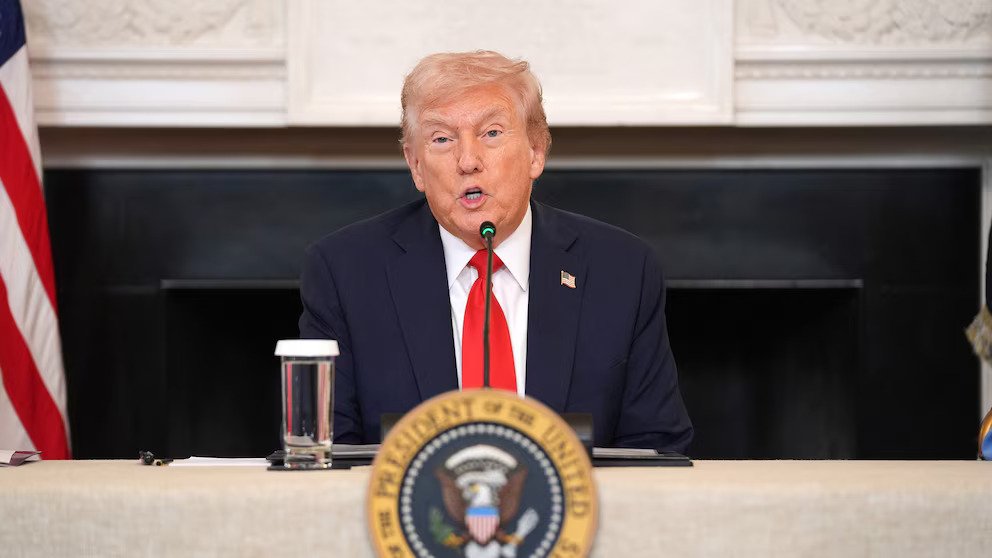
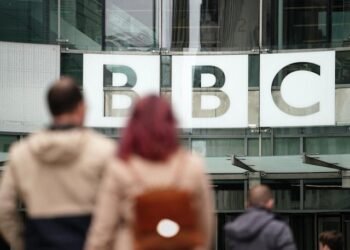
Former US President Donald Trump has said he feels a personal “obligation” to take legal action against the BBC, accusing the broadcaster of editing one of his speeches in a misleading way. The threat comes as a deadline approaches for the BBC to respond to Trump’s billion-dollar legal claim, filed in Florida.
Trump alleges that a Panorama documentary broadcast by the BBC last year misrepresented his 6 January 2021 speech, splicing together sections from different parts of his address to create the impression that he directly called for violent action at the US Capitol. “I think I have an obligation to do it, you can’t allow people to do that,” Trump told Fox News. “They defrauded the public and they’ve admitted it. This is within one of our great allies, supposedly our great ally. That’s a pretty sad event.”
He described the original speech as “beautiful” and “calming,” insisting that the edited version portrayed him as radical and inciting violence. Trump claimed that the BBC “showed me the results of how they butchered it up. It was very dishonest and the head man quit and a lot of the other people quit.”

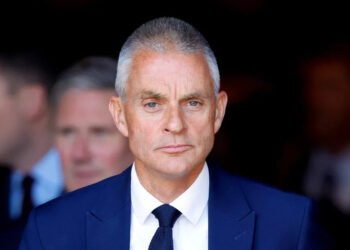
The controversy over the Panorama edit has already had major consequences within the BBC. On Sunday, the corporation’s director-general, Tim Davie, and the head of BBC News, Deborah Turness, resigned amid the fallout. The BBC has publicly apologised, acknowledging that the edit “gave the impression that President Trump had made a direct call for violent action.” Despite this apology, the corporation now faces a high-stakes legal challenge from a former US president.
The BBC broadcast the Panorama episode a week before the US presidential election. The episode included clips from Trump’s January 6 speech, presented in a way that suggested he had said: “We’re going to walk down to the Capitol and I’ll be there with you, and we fight. We fight like hell.” Legal experts have noted that these words were taken from sections of the speech delivered almost an hour apart, and that the context of the edit could significantly alter the perceived intent of Trump’s remarks.
Legal analysts have questioned Trump’s chances of winning such a case under Florida law, which is considered liberal in terms of libel protections. Additionally, the Panorama episode was not broadcast in Florida, which could limit the applicability of local defamation statutes. Nevertheless, the legal and political ramifications for the BBC remain significant. As a publicly funded broadcaster, any settlement—even if only a financial arrangement—would likely provoke political scrutiny and public debate in the UK.
This legal threat comes amid growing internal criticism of the BBC’s editorial practices. Michael Prescott, a former independent external adviser to the BBC’s editorial guidelines and standards committee (EGSC), raised concerns in a memo that detailed a series of issues he believed indicated liberal bias over several years. Prescott’s memo highlighted the Panorama edit as one such example, suggesting that senior editors had been aware of the issue months before it aired but had failed to intervene.
The memo, which has been widely discussed within media circles, has sparked debate over the political implications of editorial decisions at the BBC. While Prescott insists that his review was apolitical, the timing and content of his document have heightened tensions within the corporation. Senior management has reportedly expressed concern over the potential for the memo to be interpreted as politically motivated criticism, although the BBC has emphasised that some of the issues addressed were historic and that appropriate action had already been taken in other instances.
The Panorama episode itself has been a point of contention because of the sensitive nature of its content. By juxtaposing sections of Trump’s speech delivered nearly an hour apart, the broadcast arguably presented a misleading narrative to viewers, giving rise to Trump’s assertion that the public had been “defrauded.” Trump’s legal team has signalled that the case could result in damages totaling billions of dollars, emphasizing the gravity of the allegations.
Within the BBC, the episode and subsequent resignations have triggered a reassessment of editorial oversight and accountability mechanisms. There is reportedly concern that the high-profile nature of the legal threat, coupled with the political sensitivities surrounding Trump and the US election, could impact the corporation’s credibility. Some insiders have reportedly argued that the resignations of Davie and Turness, while intended to signal accountability, may not fully address questions about systemic editorial decision-making processes.
The legal dimension of the case adds complexity to the situation. While other US-based broadcasters have faced similar lawsuits from Trump over election coverage and have opted to settle out of court, the BBC must weigh the reputational and financial implications of taking a defensive stance versus negotiating a settlement. Given that the BBC is funded by the licence fee, any payment or admission could draw criticism from UK taxpayers and politicians, potentially raising questions about governance and transparency.
Trump’s assertion that he has a personal obligation to pursue the lawsuit underscores his belief in the broader public interest implications of the Panorama edit. “You can’t allow people to do that,” he said. “They defrauded the public, and they’ve admitted it. This is within one of our great allies, supposedly our great ally. That’s a pretty sad event.” For Trump, the case represents not only a personal grievance but also a symbolic challenge to how mainstream media outlets portray political figures, particularly those who have faced intense scrutiny and criticism.
Observers have noted that the case could have long-term ramifications for international media practices, particularly in the context of political reporting. The BBC, as one of the most respected publicly funded broadcasters in the world, is likely to face heightened scrutiny over how it handles sensitive political material. A court ruling, settlement, or continued litigation could influence editorial standards and the perception of bias, both in the UK and internationally.

In addition to legal concerns, the Panorama episode and subsequent resignations have reignited debate over journalistic ethics, editorial integrity, and the responsibility of media organizations to provide accurate, contextual reporting. Critics argue that editorial decisions in politically charged contexts carry heightened responsibility, given their potential to shape public opinion and influence democratic processes.
Trump’s legal threat also raises broader questions about the intersection of law, media, and politics. The case highlights how media organizations navigate the fine line between investigative reporting and potential misrepresentation, particularly when covering high-profile political figures. It underscores the challenges faced by global broadcasters operating in politically sensitive environments, where the implications of reporting can extend far beyond their home countries.
As the BBC prepares its response, the corporation must consider multiple factors: the legal merits of Trump’s claim, the public perception of editorial impartiality, and the potential consequences of settlement or litigation. With the deadline looming, the coming weeks are likely to determine the trajectory of one of the most high-profile media controversies of the year.
Ultimately, the Trump-BBC dispute represents a convergence of politics, media ethics, and legal accountability. It demonstrates how the actions of a major broadcaster can reverberate internationally, influencing both public discourse and institutional credibility. As both sides navigate this complex terrain, the outcome of the legal challenge will be closely watched by governments, media organizations, and the global public alike.
Related News:
 British Woman in Iran ‘Losing Hope’ Amid Ongoing Detention
 BBC Journalist Held and Interrogated in Vietnam
 Boris Johnson: Tories Risk Election Loss if They ‘Bash the Green Agenda’
 Prince Andrew Under Pressure as MPs Question Royal Lodge Rent Arrangements
 Green Party Surges Past Labour in Latest UK Poll
 Celebrities and Charities Demand UK Government Act on Child Poverty
 Sultana says new party is aiming to ‘run government’
 Reform Councillor Defects to Tories Over ‘Uncomfortable’ Policies
 Experts Question HMRC Over Possible Child Benefit Privacy Breach
 Trump’s UK Ambassador Urges North Sea Drilling to Strengthen US Ties
 FBI Director Kash Patel Defends Girlfriend Amid Government Jet Claims
 Phillipson urges careful review of gender recognition guidance
 French Taxi Driver Cleared in David Lammy Theft Case After Fare Dispute
 Rachel Reeves Set to Break Labour Pledge and Raise Income Tax
 Thinktanks Urge Rachel Reeves to Reform UK Tax System
 Who is Rama Duwaji? What Zohran Mamdani’s wife has said about Gaza and ICE as he’s elected NYC mayor
 Company linked to Michelle Mone owes £39m in tax
 Lancashire council plans to close care homes and day centres
MPs Press Rachel Reeves to Hike Gambling Taxes
Lancashire council plans to close care homes and day centres
MPs Press Rachel Reeves to Hike Gambling Taxes
 Met Police Culture Makes Racial Harm ‘Inevitable’
 Nicola Sturgeon Urges SNP to Oppose New Oil Fields
 Lisa Nandy Broke Rules by Appointing Donor as Football Regulator
 Eleven Arrested After Pro-Palestine Protest at Villa Match
 Labour Falls to Fourth in Poll, Faces Historic Election Loss
Boris Johnson accused of undermining BBC leadership
Labour Falls to Fourth in Poll, Faces Historic Election Loss
Boris Johnson accused of undermining BBC leadership
 Remaining rebel Labour MPs have whip restored
 Cuts to home insulation funding threaten UK climate goals
 Tim Davie resigns as BBC director general amid bias claims
 ‘Reckless’ cuts to victims’ services will cost more than they save
 BBC director-general and news chief resign amid bias row
 Millionaires group urge Reeves to introduce wealth tax to ‘lift kids out of poverty’
 Starmer Faces Growing Dissent as Labour MPs Weigh Leadership Challenge
 BBC Faces Backlash as Reform UK Withdraws from Film
 Wes Streeting Denies Leadership Plot Against Starmer
 Tim Davie Defends BBC Amid Bias Scandal Storm
 Reeves rejects £1bn plea for NHS redundancy payouts
 Farage appointee to lead Reform youth accused of anti-British views
Palace to reinstate hyphen in Andrew’s surname
Farage appointee to lead Reform youth accused of anti-British views
Palace to reinstate hyphen in Andrew’s surname
 British state supplied victims to ‘worst sex offender in history’
 Politics latest: Starmer ‘will fight any leadership coup’ as Streeting denies attempt to oust Labour PM
 Peers Flood Assisted Dying Bill with 942 Amendments
 England’s Special Needs Support Faces Breaking Point
 MoD warned over Excel risks before Afghan data breach
 Your Party Turmoil Deepens Over Withheld Donations
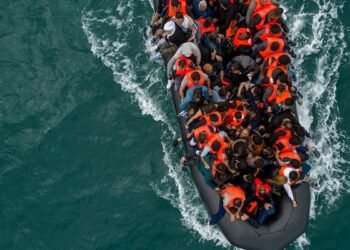 UK Unveils Fast-Track Deportation and Asylum Overhaul
 Crowborough Protest Over Plan to House 600 Asylum Seekers
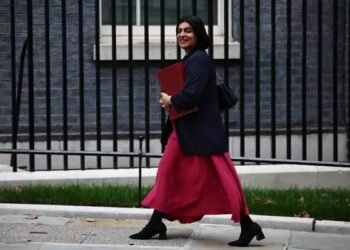 UK Asylum Overhaul Sparks Debate Over Human Rights and Deportations
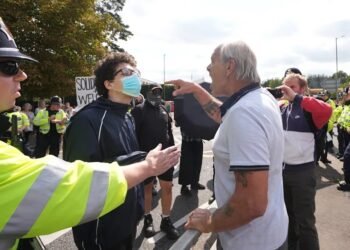 UK Asylum Reforms: Temporary Refugee Status and Faster Deportations
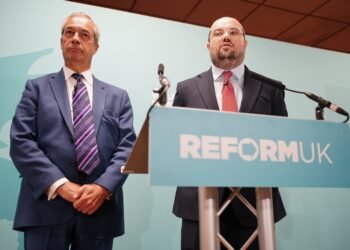 UK Candidate Moved to Safe House After Election Threats
 Mahmood Defends Tough Overhaul of UK Asylum System
 Scottish Ministers Express Alarm Over UK Asylum Reforms
 UK Warns China After MI5 Issues Espionage Alert
 Westminster Advances Legacy Bill Amid Criticism
 Minister Defends Tough New Asylum Reform Plan
 UK Net Migration Falls Sharply After ONS Revisions
 UK Vulnerable to Attack, Defence Committee Finds
 Labour Faces Historic Decline in Wales
 Rama Rebukes Mahmood for Targeting Albanian Families
 Russian Vessel Used Lasers on RAF Pilots, UK Claims
 PM Shares Emotional Letter to Son on Men’s Struggles
 MP Offers Seat to Help Burnham Challenge Starmer
 PM Highlights UK Business at G20 in South Africa
 Boris Johnson Oversaw Toxic No 10 Culture, Covid Inquiry Finds
 Kate Forbes: Motherhood Harder Than Politics
 Welsh Government Christmas 2020 Lockdown Criticised
Reeves to Crack Down on Benefit Fraud While Lifting Two-Child Limit
Welsh Government Christmas 2020 Lockdown Criticised
Reeves to Crack Down on Benefit Fraud While Lifting Two-Child Limit
 BBC to Expand Standards Panel and Create Deputy Director Role
 Most Tories Expect to Support a Farage-Led Government
 BBC Chairman Faces Scrutiny Over Bias Claims
 Labour MP claims devolution bill is ‘blatant discrimination’ against Cornwall
 English Mayors Set to Introduce Tourist Taxes
 Ex-Classmate Accuses Farage of Dishonesty on Racism Claims
 Millions Face Higher Taxes Under Reeves New Budget
 Peers Get Extra Time to Debate Assisted Dying Bill
 Planned Palestinian Flag Raising at Belfast City Hall Faces Delay Amid Legal Concerns
 Ex-Brexit MEP Rejects Claim of Pro-Russia Payments
 Labour U-turn: Unfair Dismissal Rights Delayed Six Months
 Government righting decades-old injustice for miners
 UK refugee resettlement under UN schemes drops sharply in one year
 UK delays ruling on China embassy plan until January