Published: 14 November 2025. The English Chronicle Desk. The English Chronicle Online
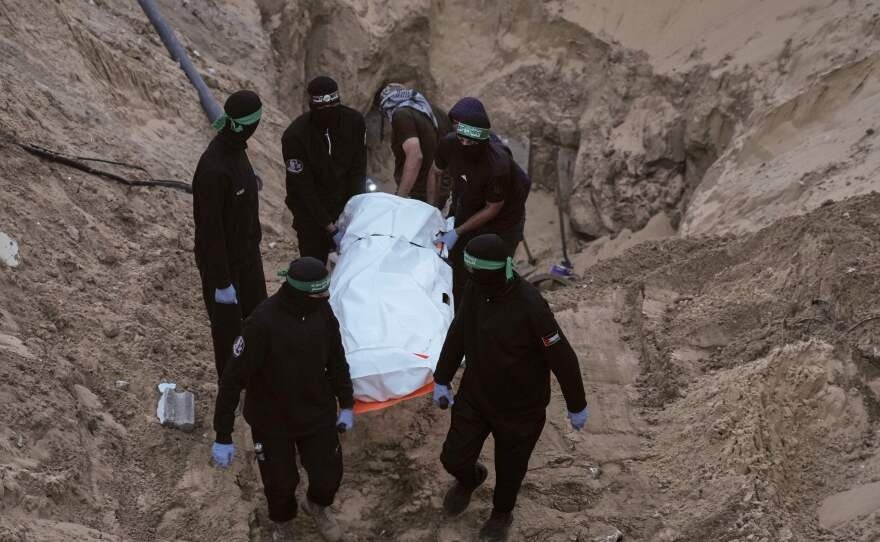
Israel has confirmed that the body returned by Hamas on Thursday belongs to Meny Godard, a 73-year-old Israeli who was killed during the devastating attacks launched by Hamas on 7 October 2023. The identification was confirmed through forensic testing, following the retrieval of the body by Red Cross vehicles in southern Gaza, specifically in the Khan Younis area.
The return of Godard’s body comes as part of a broader ceasefire agreement mediated by the United States, which stipulates the phased handover of both living and deceased hostages. This agreement is a critical component of efforts to bring an end to the ongoing conflict in Gaza. Under the terms of the ceasefire, Hamas has committed to returning all remaining hostages, including 20 still alive and 28 who were killed during the initial assault.
Godard and his wife, Ayelet, were among those tragically killed during the brutal Hamas raid on Kibbutz Be’eri on 7 October 2023. The attack, which took place in southern Israel, claimed the lives of 1,200 people, including civilians, and resulted in the abduction of 251 hostages by Hamas. The incident marked one of the deadliest escalations in the region in recent decades, prompting a significant Israeli military response and intensifying international concern.
The first phase of the ceasefire arrangement saw all living Israeli hostages released on 13 October 2023 in exchange for 250 Palestinian prisoners and 1,718 detainees from Gaza. While this represented a significant step towards de-escalation, the issue of deceased hostages remained unresolved. For each dead Israeli returned, Israel has agreed to release the remains of 15 Palestinians. However, due to the lack of DNA testing facilities in Gaza, the identification of Palestinian bodies remains a complex and challenging process.

Despite the progress achieved under the ceasefire, three bodies of Israeli hostages remain in Gaza, alongside one Thai national. The slow pace of their recovery has been a point of contention between Israel and Hamas. Israeli authorities have accused Hamas of deliberately delaying the return of the hostages’ remains, while Hamas officials have explained that the bodies are difficult to locate amidst the rubble caused by the conflict.
The return of Meny Godard’s body represents a significant development in the ongoing negotiations and is expected to provide some measure of closure for the families affected. The Israeli Prime Minister’s office confirmed that forensic testing conclusively established the identity of the returned remains, ensuring that families and authorities could proceed with proper funerary rites and commemorations.
The broader context of the hostage situation is closely tied to the wider humanitarian crisis in Gaza. Israeli retaliatory operations have resulted in the deaths of over 69,000 Palestinians, according to figures from the Hamas-run health ministry in Gaza, which the United Nations has deemed reliable. The extensive casualties have underscored the scale of devastation and highlighted the pressing need for political solutions to prevent further loss of life.
The second phase of the US-led ceasefire plan, which remains stalled, is intended to address governance in Gaza, the disarmament of Hamas, the withdrawal of Israeli troops, and the reconstruction of infrastructure devastated by months of conflict. The delayed progress is directly linked to the complex logistics and political sensitivities surrounding the recovery of bodies and the safe release of hostages.
For Israel, the identification of Meny Godard is not only a personal moment of grief for his family but also a symbolic step in a protracted struggle to recover its citizens from hostile conditions. Each returned body represents both a humanitarian relief and a political negotiation, with carefully calibrated agreements on prisoner exchanges and other concessions.
Hamas’ seizure of hostages on 7 October 2023 demonstrated the organization’s capability to orchestrate large-scale, coordinated attacks and underscored the vulnerability of border communities in southern Israel. The abductions and subsequent handling of hostages have been a persistent point of tension in ongoing peace negotiations, complicating efforts by international mediators to facilitate dialogue.
The release of living hostages in mid-October 2023 was widely covered in the media and hailed as a breakthrough, though it left unresolved the difficult issue of the deceased. Israel’s agreement to exchange 15 Palestinian remains for each dead Israeli hostage has been one of the most sensitive elements of the ceasefire plan, highlighting the challenges of conducting humanitarian operations in a highly militarized and politically complex environment.
International organizations, including the Red Cross, have played a central role in ensuring the secure transport and verification of returned bodies. The Red Cross’ involvement has been crucial in providing neutral oversight and facilitating communication between conflicting parties, underscoring the importance of international mechanisms in mitigating the humanitarian fallout of conflicts.

As negotiations continue, the slow pace of progress has drawn criticism from both domestic and international observers. Israel has emphasized the urgency of recovering all hostages and returning them to their families, while Hamas continues to contend with operational challenges in locating and handling bodies amid destruction. The interplay between humanitarian concerns and strategic political considerations makes this a particularly delicate stage in the ongoing conflict.
The tragic story of Meny Godard serves as a stark reminder of the human cost of the conflict. Beyond the broader political and military narratives, the experiences of individual victims highlight the urgent need for conflict resolution, accountability, and protection of civilians. Godard’s identification allows for the grieving process to begin for his loved ones and reinforces the importance of adhering to humanitarian principles even in highly charged political circumstances.
While much work remains, including the recovery of the remaining hostages and the implementation of the second phase of the ceasefire plan, the return of Meny Godard’s body is a critical milestone. It represents not only a procedural success in confirming identity and facilitating repatriation but also a tangible step toward mitigating the human suffering caused by the ongoing conflict.
In conclusion, the identification of Meny Godard marks a significant development in the complex and highly sensitive situation arising from the October 2023 Hamas attacks in southern Israel. The broader ceasefire agreement and ongoing negotiations underscore the intertwined challenges of diplomacy, humanitarian intervention, and political strategy. As Israel and Hamas continue to navigate these sensitive arrangements, the return of each hostage, living or deceased, remains a crucial measure of progress and a solemn reminder of the human impact of the conflict.
Related News:
 Fog Aids Russian Forces in Deep Push into Pokrovsk
 Bataclan Anniversary: France Remembers but Jihadist Danger Lingers
 Israel Confirms Returned Hostage as Meny Godard
 Video shows Israeli troops kill Palestinians after surrender
 US Super-Rich Are Draining Planet’s Safe Climate Space
 UK Charters Emergency Flights to Evacuate Britons from Jamaica
 Mikie Sherrill Elected New Jersey’s Governor in Key Win
 Britain deploys RAF specialists to assist Belgium with drone threats
 US Senate Passes Funding Bill to End Historic Shutdown
 BBC’s Tim Davie to Address Staff Amid Trump $1bn Threat
 Thailand Suspends Cambodia Border Peace Deal Amid Tensions
 Six Dead as Super Typhoon Fung-wong Hits the Philippines
 Shook the ground under my feet: Panic as car blast hits near Delhi’s Red Fort
 Mali’s Daily Life Cripples Under Jihadists’ Fuel Blockade
 Night after night, Belgium is on high alert.
 Hamas Fighters in Gaza Tunnels Stall Ceasefire Progress
 Delhi Car Blast Kills Eight, Declared Terror Incident
 Hitler’s DNA Confirms He Truly Had Only One Testicle
 US Justice Department Files Lawsuit Against California Over Partisan Voting Maps
 Switzerland Rolls Out Charm Offensive to Cut Trump’s 39% Tariffs
 December Run-Off in Chile as Election Produces No Winner
 Zelenskyy Signs Fighter Jet Deal Amid Russian Drone Attacks
 Orban Says Ukraine Has ‘No Chance’ as EU Support Continues
 UN Security Council Approves Trump’s Gaza Peace Plan
 Cardiff Nights Could Propel Wales to World Cup Glory
 Israeli Strike Kills 13 Near Palestinian Camp in Lebanon
 Zelensky Meets US Envoy in Turkey to Push Ukraine Peace Talks
 Congress Approves Release of Epstein Files, Trump Expected to Sign
 Cristiano Ronaldo Joins Trump, Bin Salman at State Dinner
 Shadow Fleet at Sea: Europe’s Battle Against Illicit Oil Shipping
 Haiti Qualifies for World Cup Despite Coach Never Visiting Country
 Deadly Russian Strikes Hit Western Ukraine, 20 Killed in Ternopil
 Rama Rebukes Mahmood for Targeting Albanian Families
 Russian Vessel Used Lasers on RAF Pilots, UK Claims
 Scotland Fans Celebrate Historic World Cup Qualification
 Pentagon Officials in Ukraine to Discuss War End
 Ukraine Peace Plan: Zelensky Ready for Dialogue
 Vietnam Battles Deadly Floods as Rains Continue
 UPS Plane Engine Detaches Before Deadly Crash
 WhatsApp Messages Expose Nathan Gill’s Bribery
 South African Women Call Purple Protest Over Gender Violence
 Miss Mexico Wins Miss Universe After Walkout Drama
 Venezuela Threatens Nobel Winner Machado with Fugitive Status
 At Least Three Dead in Bangladesh Earthquake
 Texas Governor Faces Lawsuit From CAIR
 Israel Confirms Hamas Returned Dror Or’s Body
 Trump Envoy to Discuss Ukraine Peace at Kremlin
 Twenty-Four Nigerian Schoolgirls Freed After Abduction
 India, Pakistan to Clash in T20 World Cup 2026 Group Match
 US Suspends Afghan Immigration After White House Shooting
 Two National Guard Soldiers Critically Injured Near White House
 Pope Leo XIV Begins Historic Trip to Turkey and Lebanon
 Georgians Defy Government Crackdown After Year of Protests
 Mbappe Scores 4 as Real Madrid Edge Olympiakos
 Man City Lose, Champions League Risk
 Israel Expands Gaza Strikes Beyond Ceasefire Line
 Putin Intensifies Territorial Demands Before US Talks
 Sri Lanka Floods Leave 56 Dead, Dozens Missing
 India’s Labour Law Overhaul Sparks Fierce Debate
 Trump to Recheck Green Cards from 19 Nations After DC Attack
 Man Arrested Over Manchester Synagogue Terror Attack
 Kidnap Gangs, Jihadists and Separatists Plague Nigeria
 Chinese & Japanese Boats Clash Near Disputed Islands
 Putin Meets US Envoy Amid Key Ukraine Peace Talks
 UK Criticises Gaza Aid Delays as Tents Arrive After Year
 Kremlin Talks With US Yield No Ukraine Peace Breakthrough
 Indonesia to Repatriate Two Dutch Drug Convicts
 Chaos at Ibrox as Martin’s Rangers Era Comes to an End
 BBC to Apologise Over Edited Trump Speech Amid Backlash
 From Lego to Pokémon: How Adults Are Driving UK Toy Market Growth
 PM Condemns Leaks, Vows Loyalty to Ministers and Stability
 Former Lion Heskey Warns of Shortage of England Strikers
 Trump Deploys DHS to Charlotte in Major Arrest Operation
 Mother Watches in Horror as Teen Daughter Dies on Tracks
 Seven Countries, One Winner: Europe’s Best Christmas Market
 Serial Rapist and Former Cop Found Guilty Again
 Scottish Families Take Legal Action Over School CO Leak
 Vicki Fears Losing Motability Car
 Southern Lebanon reels as Israeli strikes shatter communities
 Jordan Bardella: France’s Young Presidential Contender