Published: 18 November 2025 Tuesday. The English Chronicle Desk. The English Chronicle Online
A mother has recounted the devastating moment she watched emergency services try to save her teenage daughter after the girl was electrocuted on a railway line in Weymouth, Dorset. The inquest into the death of 15-year-old Roxy Phillips heard how the young girl suffered a fatal accident in the early hours of 23 March 2023, leaving her family and friends in shock.
Kerri Walker, Roxy’s mother, told the court she was alerted to the incident when a friend of her daughter called to say Roxy had fallen onto the tracks and was unresponsive. “I was frozen and watching in horror,” Ms Walker said as she arrived at the scene, describing the heart-wrenching moment she saw paramedics attempt to revive her child and ultimately witnessed a white sheet being placed over her daughter.
Roxy was remembered as a passionate horse lover who enjoyed riding and competing. In a statement read to the inquest, Ms Walker explained that her daughter’s behaviour had declined following the death of a beloved horse in an accident. The inquest also revealed that Roxy had been excluded from school, and her mother had sought support from child social services, although delays hindered timely intervention.

Earlier in March 2023, Roxy had taken an overdose and was hospitalised, highlighting the ongoing struggles she faced. The day before her death, she was due to appear in court on charges of assaulting paramedics and police, but the case was adjourned.
In the early hours of 23 March, Ms Walker called her daughter to check on her whereabouts, but a friend answered the phone, revealing that Roxy had been drinking and had fallen onto the railway tracks. By the time Ms Walker reached the scene, paramedics were already performing CPR.
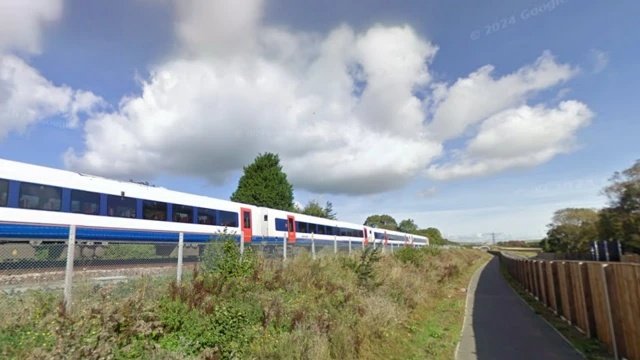
The fatal incident occurred along a stretch of railway near Redlands Sports Centre as Roxy and friends walked from Weymouth town centre toward Upwey. The inquest heard that a 999 call had been made just before 01:00 GMT reporting two individuals on the railway line near Weymouth station. As a precaution, power was turned off and Dorset Police attended the location. Officers, however, reported that they could neither see nor hear anyone on the track, and no further search was conducted.
Less than half an hour later, power to the railway line was restored. Just 24 minutes after re-electrification, a friend called emergency services to report that Roxy had fallen on the live tracks. Forensic analysis revealed that the teenager was severely intoxicated and had consumed cannabis prior to the accident.
Senior Dorset coroner Rachel Griffin told the inquest that she expected the main points of examination to focus on the adequacy of the search conducted following the initial report of trespassers and the decision to reintroduce electricity to the railway line. The inquest is anticipated to last approximately two and a half weeks.
Ms Walker described the profound shock she experienced when arriving at the scene, recalling that the sight of her daughter lying motionless and paramedics attempting resuscitation was an unbearable moment. “I was frozen and watching in horror,” she said. The image of a white sheet being placed over Roxy remains etched in her memory, a symbol of the finality of her daughter’s death.
The inquest provided a glimpse into Roxy’s life and interests, painting a picture of a teenager who found solace and joy in her equestrian pursuits. Friends and family described her as a dedicated and loving individual whose life had been profoundly affected by the death of a horse she had cherished.
The teenager’s struggles with mental health, substance use, and behavioural challenges were also highlighted. Her mother spoke of delays in receiving support from social services and the challenges of navigating complex systems designed to protect and assist young people in crisis. Roxy’s overdose earlier in the month underscored the vulnerability she faced and the urgent need for intervention.

The day before the accident, Roxy had been due in court on allegations of assaulting paramedics and police officers. The case’s adjournment meant she remained unsupervised, and the inquest will consider how this context may have contributed to the events that followed.
Emergency response procedures also came under scrutiny during the inquest. The initial 999 call reported two people on the tracks, prompting the temporary shutdown of the electrified railway line. Dorset Police officers attended the scene but reportedly did not conduct a thorough search, stating they could not see or hear anyone on the tracks. Less than 30 minutes later, power was restored, leaving the line live at the time Roxy fell and suffered fatal electrocution.
Forensic examination revealed that Roxy had consumed alcohol and cannabis, contributing to her impaired judgment at the time of the accident. The coroner indicated that these factors, while relevant, do not diminish the need for careful operational decisions regarding the management of live railway tracks and the safety measures in place for trespassers.
The inquest is expected to explore the adequacy of communication between emergency services, the timing of the power restoration, and the actions taken following the initial report. Expert witnesses may be called to assess whether proper safety protocols were followed and if opportunities existed to prevent the tragedy.
Ms Walker shared the emotional toll the incident has had on her family, describing the lingering trauma of witnessing her daughter’s final moments and the aftermath of the accident. The sense of helplessness and grief has left a lasting impact, compounded by the knowledge that the accident could potentially have been prevented with timely intervention.
Roxy’s life and interests were fondly remembered throughout the inquest. She was passionate about horses, spending hours riding and training, and her enthusiasm for equestrian competitions brought joy to both her and those around her. Friends and family highlighted her dedication and her close bonds with both peers and her horse, which had been a central part of her life.

The tragedy has sparked wider reflection on the responsibilities of railway authorities and emergency services when responding to reports of trespassers on electrified tracks. Questions have been raised about safety measures, search protocols, and the timing of power restoration to minimize risks to vulnerable individuals, particularly young people under the influence of substances.
As the inquest continues, the coroner will examine whether procedures could be improved to prevent similar incidents in the future. Recommendations may address how police and railway operators coordinate during emergencies and the need for timely and comprehensive searches before power is reinstated on live tracks.
The incident serves as a somber reminder of the dangers associated with railway lines and the critical importance of safety protocols. It also highlights the vulnerability of young people navigating personal challenges, mental health issues, and risk-taking behaviours.
For Ms Walker, the grief and shock of losing her daughter remain profound. She described the difficulty of processing the events of that night and the subsequent emotional burden of attending the inquest. The trauma has been compounded by the circumstances surrounding the emergency response and the sense that more could have been done to prevent her daughter’s death.
The coroner’s inquest aims to establish a full understanding of the sequence of events leading to Roxy’s death, assess the adequacy of emergency responses, and consider recommendations to improve safety on railway lines. The findings may have implications for policy and procedures across emergency services and rail operators, with the potential to prevent future tragedies involving young people.
Related News:
 Sudanese Family Vows to Stay After Racist Graffiti
 UK race equality campaigner warns abuse of suspected migrants is deliberate, not an ‘innocent mistake’
 Mother dies after black market weight loss injection
 Derby Bounce Centre to Close Amid Car Park Dispute
 Peterborough Mosques Tighten Security After Attack
 Hospice Cuts Raise Alarm Across England Amid Funding Crisis
 Nearly 48,000 Zombie Knives Removed from UK Streets in a Year
 Prince Andrew Stripped of Title: Giuffre Family Hails Historic Moment
 Metal Detectors at Stations ‘Would Make Life Impossible,’ Says Minister
 British Grandmother to Return Home After Death Sentence in Bali
 Jailed UK climate protesters face extremist-style restrictions
 Bar Council urges legal aid for all domestic abuse family cases
 How to get help when a child goes missing – call 999 urgently
 ‘Reckless’ cuts to victims’ services will cost more than they save
 Judges to Decide Fate of Chief Constable Guilty of Contempt
 Shouting Works Best to Deter Gulls, UK Study Finds
 How age progression images help trace missing people
 PM Condemns Leaks, Vows Loyalty to Ministers and Stability
 Son Reveals UK Couple in Iran Resort to Hunger Strike for Help
 Two in Three Women in UK Armed Forces Report Harassment
 UK Asylum Reforms: Temporary Refugee Status and Faster Deportations
 Five Young People Killed in Tragic Dundalk Road Crash
 Mum and Three Children Killed in Jealous Ex’s Fire
 Van Dwellers Face Eviction After Park Misuse Sparks Outcry
 Commuters warned as yellow snow and ice alert hits Northern Ireland
 Court to Hear Challenge to Wimbledon Expansion Plan
 Serial Rapist and Former Cop Found Guilty Again
 Podcaster Faces Abuse Charges Over Controlling Behaviour
 TikTok Star Jessie Yendle Mocked by KFC
 UK Energy Bills to Rise Slightly in January
 South African Women Call Purple Protest Over Gender Violence
 Ex-Classmate Accuses Farage of Dishonesty on Racism Claims
 15-Year-Old Arrested After Sheffield Shooting Leaves Teen Critical
 Inquiry Opens Into Disgraced Surgeon Eljamel Scandal
 Rookie Driver Hollie McRae Flips Car but Walks Away Safe
 Planned Palestinian Flag Raising at Belfast City Hall Faces Delay Amid Legal Concerns
 Ex-Brexit MEP Rejects Claim of Pro-Russia Payments
 Man Arrested Over Manchester Synagogue Terror Attack
 Five-Year-Old Dies After Rare Tonsil Surgery Complication
 Machynlleth High Street Left Without Christmas Lights
 Second homes curbs quashed in Gwynedd legal ruling
 Search underway for British man overboard off Tenerife
 Twelve Prisoners Released in Error, Two Still Missing
 More Patients Now Contacting GPs Online, Data Shows
 Alarming rise in abusive teen relationships in the UK sparks urgent warnings
 Akinwale Arobieke Found Dead at Liverpool Home
 Massive London Poundland Fire Engulfs High Street
 Women Challenge Meta Over Targeted Ads After Miscarriage
 Army Barracks to House Migrants as Hotels Phase Out
 UK Woman Loses Child Benefit After Booking Flight She Never Took
 Mass Stabbing on Doncaster to London Train Leaves Ten Injured
 Children to Learn Local History in Major Curriculum Overhaul
 FBI Director Kash Patel Defends Girlfriend Amid Government Jet Claims
 French Taxi Driver Cleared in David Lammy Theft Case After Fare Dispute
 The Lowry Hotel: Manchester’s Iconic Five-Star Retreat
 UK Bans Fake Numbers: Scammers Lose Their Trick
 Prince William Plants Trees with Brazil’s Nature Heroes
 Just Stop Oil Protesters Convicted Amid Climate Defence Row
 Kent village told to remove flags before Christmas lights go up
 From Lego to Pokémon: How Adults Are Driving UK Toy Market Growth
 Mary Earps’s Manchester United Return Faces Mixed Reception
 Reeves rejects £1bn plea for NHS redundancy payouts
 Former Lion Heskey Warns of Shortage of England Strikers
 Criminal Gangs Pose as Truckers to Hijack UK Supply Chains
 Mum Calls for New Licence Rules After Teen Road Death
 Stroke Patient Mistaken for Drunk, Care Delayed
 Seven Countries, One Winner: Europe’s Best Christmas Market
 ‘Traumatic Wait’: Northern Ireland Women Face Breast Cancer Delays
 Woman Meets Boy Whose Life She Saved with Kidney
 Venezuela Threatens Nobel Winner Machado with Fugitive Status
 Coffins Now Too Large to Cremate Amid Rising Obesity Crisis
 Labour MP claims devolution bill is ‘blatant discrimination’ against Cornwall
 Vicki Fears Losing Motability Car
 Millions Face Higher Taxes Under Reeves New Budget
 Peers Get Extra Time to Debate Assisted Dying Bill
 Two National Guard Soldiers Critically Injured Near White House
 Fibromyalgia Patients Struggle as NHS Fails to Provide Care
 Scotland Gains 33 New Towns – Life in Growing Communities
 Virgin Media Fined £23.8m Over Telecare Safety Failures
 Pavarotti statue frozen in Italian ice rink sparks backlash