Published: 19 November 2025 Wednesday . The English Chronicle Desk. The English Chronicle Online
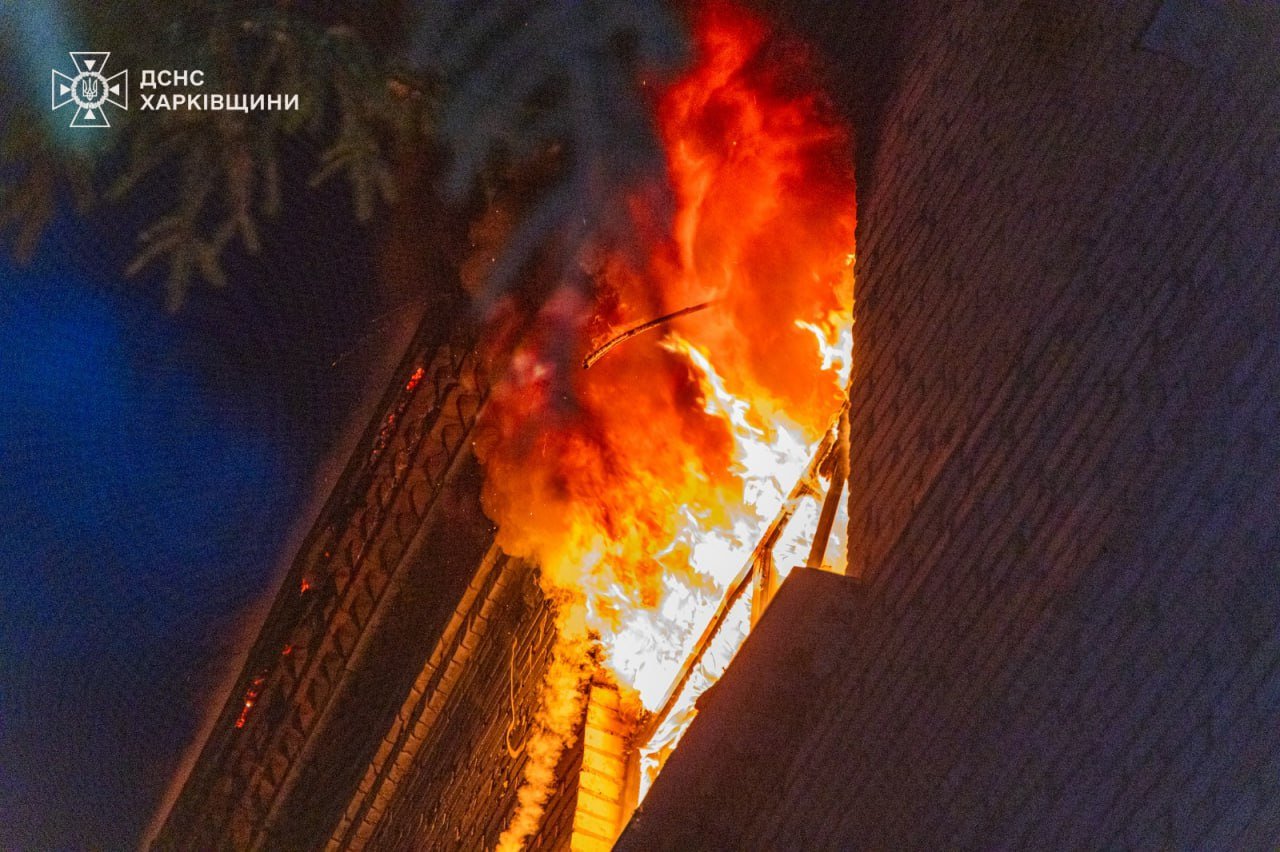
Ukraine has been rocked by one of the deadliest attacks on its western regions since Russia’s full-scale invasion began in February 2022, with nine people killed and dozens more injured after Russian forces launched a coordinated missile and drone assault. President Volodymyr Zelensky confirmed the casualties on Wednesday, describing the strikes as a “brazen attack” targeting civilian infrastructure in the city of Ternopil and several other western regions.
The overnight attacks involved a staggering barrage of more than 470 drones and 47 missiles fired across the country, representing one of the most intense assaults in recent months. In Ternopil, nine-storey residential blocks were hit, leaving buildings destroyed and civilians trapped under rubble. Zelensky warned that the full extent of the destruction was still being assessed, and search and rescue operations were underway to locate people who may have been buried during the attacks.
“This is a direct assault on ordinary life,” Zelensky said in a statement. “Significant destruction has been caused in Ternopil. People may still be under the rubble, and emergency services are working tirelessly to save them. Every brazen attack against ordinary life shows that the pressure on Russia is insufficient. Effective sanctions and assistance to Ukraine can change this.”
In addition to Ternopil, three districts of Ukraine’s second-largest city, Kharkiv, were struck in a massive drone attack, injuring more than 30 people, including children. Social media and local news outlets shared images and video footage showing cars ablaze and buildings on fire. The chaos has left entire neighbourhoods without electricity, as power cuts continue to affect multiple regions across Ukraine.
The Lviv and Ivano-Frankivsk regions, key parts of western Ukraine’s energy and transport infrastructure, were also targeted. According to Ukraine’s energy ministry, critical facilities in Ivano-Frankivsk were attacked, resulting in injuries to two children and further damage to electricity supply networks. In Lviv, vital energy installations were hit, with officials reporting significant damage to both energy and civil infrastructure, which has left parts of the city facing rolling blackouts.
Ukrainian authorities have expressed alarm at the scale and intensity of the attacks. Defense analysts note that the combination of drones and long-range missiles indicates a deliberate attempt to overwhelm Ukraine’s air defense systems, disrupt essential services, and spread fear among civilians far from the frontlines. The attacks also underscore the growing sophistication of Russia’s drone operations, which have been increasingly deployed to strike targets across Ukraine in recent months.

Zelensky, who was in Turkey for talks with his counterpart, President Recep Tayyip Erdogan, called for urgent assistance from Ukraine’s allies. He emphasized the importance of sustaining international pressure on Russia, arguing that stronger sanctions and targeted aid could prevent further attacks on civilian populations. “We must intensify support for Ukraine’s defense and infrastructure,” Zelensky said. “These attacks are not only military; they are aimed at breaking the spirit of the people, and we cannot allow that to happen.”
The strikes have also raised concerns about the potential for long-term humanitarian crises in western Ukraine. Hospitals and medical facilities are stretched as emergency services cope with the injured, while disruptions to electricity and water supplies threaten the wellbeing of thousands of residents. Local authorities are urging civilians to remain vigilant and to avoid areas where damage from the strikes may pose additional risks, including unstable structures, downed power lines, and unexploded ordnance.
Ukraine’s western regions, historically less affected by direct Russian strikes, are now facing unprecedented security challenges. Ternopil, known for its cultural and economic significance, has not previously experienced attacks of this scale. The city’s residents described a night of terror as missiles and drones rained down, leaving many fleeing their homes and taking shelter in basements or community shelters. Witnesses reported hearing multiple explosions in rapid succession, followed by fires that consumed residential buildings and public spaces.
The attacks on Kharkiv, Ternopil, and Lviv also underscore Russia’s ongoing strategy to strike deep into Ukrainian territory, far from the main frontlines in the east and south. Analysts suggest that targeting critical energy and transport infrastructure is intended to weaken Ukraine’s logistical capacity, disrupt daily life, and place additional strain on emergency services. The combination of drones and missiles has forced Ukraine to rethink its air defense deployments, as the rapid and simultaneous attacks across multiple regions test the limits of its defense capabilities.
International leaders have reacted with concern. The European Union, NATO, and the United States have all condemned the attacks and reiterated their commitment to supporting Ukraine with both humanitarian and military aid. NATO officials emphasized the importance of continued cooperation to ensure Ukraine can defend its territory and safeguard civilians from future assaults. The United Nations has called for an urgent investigation into the attacks and a coordinated response to assist affected populations.
Despite the devastation, Ukrainian authorities and residents are determined to maintain daily life and provide assistance to those impacted. Rescue teams and volunteers are working around the clock to clear rubble, provide first aid, and restore essential services wherever possible. Community organizations have mobilized to support families displaced by the attacks, offering temporary housing, food, and medical assistance.
Zelensky also highlighted the importance of international diplomatic engagement alongside military support. During his talks with President Erdogan in Ankara, Zelensky aimed to push forward efforts to negotiate peace, although the Kremlin indicated that no Russian representative would participate in the discussions. The Ukrainian president emphasized that while diplomatic channels remain crucial, sustaining pressure on Russia through sanctions and defense support is necessary to prevent further attacks on civilian populations.

The attacks come as winter sets in, adding another layer of urgency to the humanitarian response. Disruptions to power and heating infrastructure, combined with the cold weather, could exacerbate suffering for affected communities. Aid agencies are coordinating with local authorities to ensure that vulnerable populations, including children and the elderly, receive timely support.
For residents in Ternopil and Kharkiv, the events of Wednesday morning will have a lasting impact. Many have spoken of the trauma of seeing their homes damaged, losing neighbors and friends, and facing the fear of future attacks. Community leaders stress the need for resilience and support networks to help people recover both physically and emotionally.
While the full scale of casualties and property damage continues to be assessed, this attack reinforces the ongoing volatility in Ukraine and the persistent threat posed by Russian military operations. The international community faces renewed pressure to deliver both immediate aid and longer-term support to safeguard civilians and stabilize critical infrastructure in the country.
As Ukraine continues to cope with the latest wave of attacks, President Zelensky has reiterated a call for robust international action. He stressed that these assaults are not merely acts of war but deliberate attacks on the fabric of daily life, affecting ordinary citizens who have no involvement in the conflict. “Our people continue to suffer, and it is the responsibility of the global community to respond decisively,” Zelensky said.
The unfolding situation in western Ukraine is being closely monitored by media and international agencies, with updates expected as rescue operations progress and more information becomes available. Ukrainian officials have urged residents to remain cautious and follow guidance from emergency services while the country grapples with the aftermath of what has already been described as one of the most severe attacks on western Ukrainian cities since the war began.
Related News:
 British Woman in Iran ‘Losing Hope’ Amid Ongoing Detention
 BBC Journalist Held and Interrogated in Vietnam
 US Super-Rich Are Draining Planet’s Safe Climate Space
 Posthumous books are messy and fraught – but Virginia Giuffre’s gives her a voice
 UK Charters Emergency Flights to Evacuate Britons from Jamaica
 UK University Suspends Human Rights Research Following Pressure from China
 Trump Speaks on Prince Andrew’s Royal Scandal Fallout
 UK University Faces Counter-Terror Probe Over China Pressure
 Top Christmas Books Reads: Classics to Cozy Romcoms
 World Whisky Tour: 9 Global Gems
 UPS Cargo Plane Crash in Kentucky Kills Seven
 Abigail Spanberger Elected Virginia’s First Female Governor
 Just Stop Oil Protesters Convicted Amid Climate Defence Row
China-critical UK academics face ‘extremely heavy’ pressure from Beijing
Just Stop Oil Protesters Convicted Amid Climate Defence Row
China-critical UK academics face ‘extremely heavy’ pressure from Beijing
 British military receives first Ajax armoured vehicles – eight years late
 Tension and Turmoil at Aston Villa v Maccabi Match
 British Grandmother to Return Home After Death Sentence in Bali
 BBC to Apologise Over Edited Trump Speech Amid Backlash
 Lando Norris Dominates Brazil GP to Strengthen F1 Title Bid
 Britain deploys RAF specialists to assist Belgium with drone threats
 Palace May Restore Hyphen to Andrew Mountbatten-Windsor’s Name
 US Senate Passes Funding Bill to End Historic Shutdown
 Suicide Bombing at Islamabad Court Kills 12, Injures Dozens
 BBC’s Tim Davie to Address Staff Amid Trump $1bn Threat
 Thailand Suspends Cambodia Border Peace Deal Amid Tensions
 Ronaldo Confirms Final World Cup and Plans Retirement
 Ukraine-Russia war latest: Putin’s troops exploit bad weather to force Kyiv withdrawal from multiple towns
 Trump Claims Victory as Longest Shutdown Ends
 Hamas Fighters in Gaza Tunnels Stall Ceasefire Progress
 Fog Aids Russian Forces in Deep Push into Pokrovsk
 Algeria Pardons French-Algerian Novelist Sansal After Year in Jail
 Hitler’s DNA Confirms He Truly Had Only One Testicle
 England Maintain Perfect World Cup Qualifying Record with Win Over Serbia
 US Justice Department Files Lawsuit Against California Over Partisan Voting Maps
 Oklahoma Governor Grants Last-Minute Clemency to Death Row Inmate
 US Pushes Global Effort to Stop Arms Flow to Sudan RSF Forces
 Israel Confirms Returned Hostage as Meny Godard
 Greene Pushes Epstein Files Amid Trump Fallout
 Trump Deploys DHS to Charlotte in Major Arrest Operation
 December Run-Off in Chile as Election Produces No Winner
 Zelenskyy Signs Fighter Jet Deal Amid Russian Drone Attacks
 Orban Says Ukraine Has ‘No Chance’ as EU Support Continues
 Irish Hero Parrott Says Goal Brought First Tears in Years
 Canada Passes Carney’s First Budget in Tight Parliamentary Vote
 Nigeria Misses World Cup Again After Play-Off Loss
 Why Russian Liberals Push Strongly Pro-Israel Narratives
 Israeli Strike Kills 13 Near Palestinian Camp in Lebanon
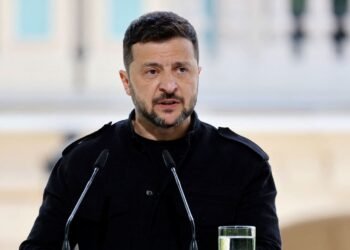 Zelensky Meets US Envoy in Turkey to Push Ukraine Peace Talks
 Shadow Fleet at Sea: Europe’s Battle Against Illicit Oil Shipping
 Haiti Qualifies for World Cup Despite Coach Never Visiting Country
 Poll Reveals China Leads World in Trusting AI Technology
 Rama Rebukes Mahmood for Targeting Albanian Families
 Russian Vessel Used Lasers on RAF Pilots, UK Claims
 Scotland Fans Celebrate Historic World Cup Qualification
 Pentagon Officials in Ukraine to Discuss War End
 Vietnam Battles Deadly Floods as Rains Continue
 US Military Team Visits Kyiv Amid War Talks
 WhatsApp Messages Expose Nathan Gill’s Bribery
 Venezuela Threatens Nobel Winner Machado with Fugitive Status
 At Least Three Dead in Bangladesh Earthquake
 Barcelona Returns to Camp Nou vs Athletic Bilbao
 Texas Governor Faces Lawsuit From CAIR
 Israel Confirms Hamas Returned Dror Or’s Body
 Trump Envoy to Discuss Ukraine Peace at Kremlin
 Twenty-Four Nigerian Schoolgirls Freed After Abduction
 Two National Guard Soldiers Critically Injured Near White House
 Pope Leo XIV Begins Historic Trip to Turkey and Lebanon
 Southern Lebanon reels as Israeli strikes shatter communities
 Mbappe Scores 4 as Real Madrid Edge Olympiakos
 Man City Lose, Champions League Risk
 Sri Lanka Floods Leave 56 Dead, Dozens Missing
 India’s Labour Law Overhaul Sparks Fierce Debate
 Video shows Israeli troops kill Palestinians after surrender
 Families wait in agony for missing after Hong Kong tower blaze
 Trump to Recheck Green Cards from 19 Nations After DC Attack
 A Colourful Cultural Escape in Mexico’s Querétaro
 Rare shark attack kills woman, injures man at remote NSW beach
 Chinese & Japanese Boats Clash Near Disputed Islands
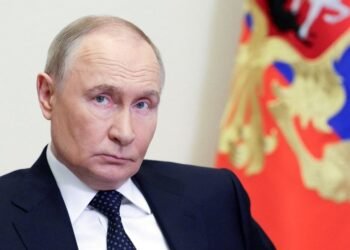 Putin Meets US Envoy Amid Key Ukraine Peace Talks
 Indonesia to Repatriate Two Dutch Drug Convicts