Published: 20 November 2025 Thursday. The English Chronicle Desk. The English Chronicle Online
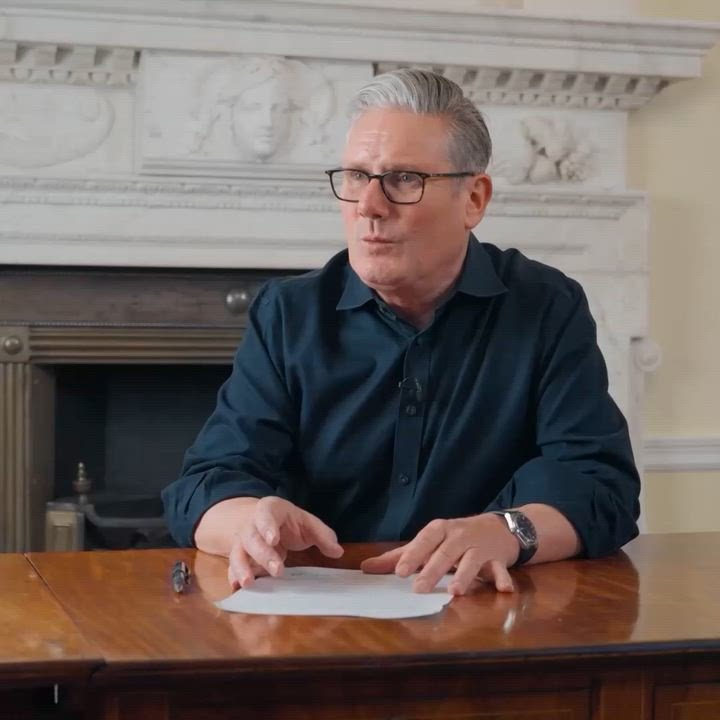
Prime Minister Sir Keir Starmer has spoken openly about the challenges facing young men today, reflecting on his own upbringing and the distance he felt from his late father. In a heartfelt open letter addressed to his 17-year-old son, released to mark International Men’s Day, the prime minister acknowledged that coming of age in the modern world is far from straightforward. His message comes alongside the unveiling of England’s first dedicated men’s health strategy—a government initiative designed to confront pressing issues disproportionately affecting men, including high suicide rates, alcohol misuse, and problem gambling.
Sir Keir’s letter, addressed to his son whose name he has deliberately kept private, places particular emphasis on the emotional pressures young men face and the importance of breaking long-standing taboos around mental health. He reflects on the fact that stigma and silence have too often prevented men from discussing how they feel, creating a cycle where emotional struggles remain unspoken and untreated.
Drawing on his own experiences, the prime minister admits that he never shared a close bond with his father, despite referencing his parents in many of his political speeches. His father, a toolmaker, and his mother, a nurse who lived with Still’s disease—a severe form of arthritis—have often featured in Sir Keir’s narrative as symbols of working-class resilience. Yet in his letter, he paints a more personal picture, revealing that he and his father “never really spoke” and never truly understood one another. This emotional distance, he says, has motivated him to approach parenting differently.
He tells his son that their time together is one of the great joys of his week, adding that he is immensely proud of the thoughtful, confident young man his son has become. His hope, he writes, is that they will always continue to talk openly, learn from each other, and help each other grow—values he says were missing from his own childhood.

Sir Keir also addresses the unavoidable strain his role places on family life. Entering Downing Street has meant sacrifices not only for him but also for his wife and children, who must navigate the intense public scrutiny and demanding schedule associated with life at the center of British politics. He explains to his son that despite these challenges, he chose this path because he wants future generations—including his own children—to live in a world that is fairer and better than the one he inherited.
Part of the letter’s emotional resonance comes from an unexpected source: television. Sir Keir describes watching Adolescence, the widely discussed Netflix drama about a 13-year-old boy involved in a stabbing, with his son. The series, which has sparked national discussions about youth violence, vulnerability, and the impact of toxic online spaces, has shaped the prime minister’s understanding of the pressures young men face today. Earlier this year, he invited the show’s creators to Downing Street to discuss how digital content influences teenage boys, particularly in an era where harmful online material can spread rapidly and shape young minds.
During the week’s Prime Minister’s Questions session, Sir Keir again referred to International Men’s Day, using the occasion to highlight the experiences of Labour MP Luke Charters. Charters has recently spoken publicly about his mental health struggles following the traumatic birth of his first child, during which his wife nearly died. The prime minister praised Charters for his honesty, saying that his willingness to speak out would encourage other men to share their own emotional battles rather than endure them alone.
However, despite the focus on men’s health, the political landscape surrounding Sir Keir remains turbulent. PMQs were dominated not only by the new health strategy, but also by growing anticipation around what is expected to be a politically fraught Budget. Conservative leader Kemi Badenoch claimed that the government’s financial plans were falling apart even before being formally unveiled. She pointed to the chancellor’s apparent retreat from previously signaled income tax rises, attributing the change to a flurry of damaging headlines and internal dissent.
Adding to the turbulence are reports suggesting friction among senior ministers within Sir Keir’s cabinet. The prime minister was recently forced to dismiss suggestions that he approved a series of negative briefings aimed at colleagues, including Health Secretary Wes Streeting, who some insiders claim is being positioned as a potential leadership contender. Sir Keir insisted that such claims were false and designed only to create division at a crucial moment.
While political tensions simmer, the government’s new men’s health strategy sets out an ambitious roadmap for tackling issues that have long contributed to male health inequalities. Over the next three years, £3.6 million will be allocated to suicide prevention programs in areas where men are statistically at highest risk. Suicide remains one of the leading causes of death for men under 50, accounting for three-quarters of all such deaths, highlighting the urgency behind the initiative.

The government also announced a partnership with the Premier League, aiming to embed mental health messaging throughout football environments—from matches to fan spaces—to reach more men in settings where they are already engaged. The Department of Health pointed out that men are significantly less likely to seek help for mental or physical health problems and more likely to smoke, drink heavily, gamble, or turn to drugs. The hope is that situating support within familiar cultural spaces will help break down barriers and encourage earlier intervention.
Alongside these measures, the government plans to introduce a levy on betting companies and roll out new pilot programs designed to reduce deaths linked to cocaine and alcohol misuse. Some of these pilots will focus on male-dominated workplaces, bringing health checks directly to places where men spend much of their time in order to make essential services more accessible.
The prime minister’s letter, intertwined with the broader announcements of the week, signals a new attempt to shift the nation’s conversation around men’s wellbeing. It acknowledges both structural issues and personal struggles, combining policymaking with emotional transparency. For Sir Keir, who has often been portrayed as reserved or formal, the candid tone of the letter marks a notable departure.
The moment carries political weight, but it also reflects a more universal message: that for many boys and men, the expectations of masculinity can be isolating, and changing that culture requires openness, empathy, and sustained attention. His hope, expressed both as a leader and a father, is that young men—including his son—can grow up in a world where asking for help is seen not as a weakness but as a vital expression of strength.
Related News:
 Rachel Reeves Admits Renting Home Without Required Licence
 Experts Question HMRC Over Possible Child Benefit Privacy Breach
 Nicola Sturgeon Urges SNP to Oppose New Oil Fields
 Boris Johnson accused of undermining BBC leadership
 Tim Davie resigns as BBC director general amid bias claims
 Second world war veterans honoured as King leads Remembrance Sunday
 ‘Reckless’ cuts to victims’ services will cost more than they save
 Tim Davie Defends BBC Amid Bias Scandal Storm
 Reeves rejects £1bn plea for NHS redundancy payouts
 Politics latest: Starmer ‘will fight any leadership coup’ as Streeting denies attempt to oust Labour PM
 PM Condemns Leaks, Vows Loyalty to Ministers and Stability
 Crowborough Protest Over Plan to House 600 Asylum Seekers
 UK Asylum Overhaul Sparks Debate Over Human Rights and Deportations
 UK Asylum Reforms: Temporary Refugee Status and Faster Deportations
 Kate Forbes: Motherhood Harder Than Politics
Reeves to Crack Down on Benefit Fraud While Lifting Two-Child Limit
Kate Forbes: Motherhood Harder Than Politics
Reeves to Crack Down on Benefit Fraud While Lifting Two-Child Limit
 Labour MP claims devolution bill is ‘blatant discrimination’ against Cornwall
 Planned Palestinian Flag Raising at Belfast City Hall Faces Delay Amid Legal Concerns
 Wethersfield Controversy Deepens as Asylum Seeker Numbers Set to Surge by 50%
 Russell T Davies Warns of Declining UK Gay Rights Amid Rise of Reform UK and Trump Influence
 Norfolk Hospital Ranked Worst in England as NHS League Tables Return
 Oxford Union Condemns President-Elect’s Comments Following Charlie Kirk Shooting
 Zarah Sultana Seeks Legal Action After Bitter Clash with Jeremy Corbyn Over Party Membership Funds
 Ministers Consider Granting Mayors Oversight of Schools and Hospitals in Major Devolution Push
 Ed Miliband Warns UK Government on X, Citing Elon Musk as a “Dangerous Influence”
 A Third of EU Citizens in UK Report Discrimination by Public Bodies Post-Brexit
 UK Health Leaders Push for Urgent Tobacco & Vape Bill
 Army Barracks to House Migrants as Hotels Phase Out
 Peterborough Mosques Tighten Security After Attack
 British Woman in Iran ‘Losing Hope’ Amid Ongoing Detention
 Hospice Cuts Raise Alarm Across England Amid Funding Crisis
 BBC Journalist Held and Interrogated in Vietnam
 UK Woman Loses Child Benefit After Booking Flight She Never Took
 Green Party Surges Past Labour in Latest UK Poll
 Celebrities and Charities Demand UK Government Act on Child Poverty
 UK launches search for first-ever ‘town of culture’ to highlight overlooked areas
 Army Officers Orders to Cut Ties with Men-Only Clubs
 Trump’s UK Ambassador Urges North Sea Drilling to Strengthen US Ties
 Children to Learn Local History in Major Curriculum Overhaul
 FBI Director Kash Patel Defends Girlfriend Amid Government Jet Claims
 Experts Warn on Home Birth Risks, Call for Skilled Midwives
 French Taxi Driver Cleared in David Lammy Theft Case After Fare Dispute
 The Lowry Hotel: Manchester’s Iconic Five-Star Retreat
 Prince William Plants Trees with Brazil’s Nature Heroes
 Greta Thunberg Backs Student Facing UK Visa Revocation
 Kent village told to remove flags before Christmas lights go up
 Oprah enjoys Meghan’s jam on English muffins
 Newcastle United Lifts Ban on Fan Over Gender-Critical Views
 Jailed UK climate protesters face extremist-style restrictions
 How to get help when a child goes missing – call 999 urgently
 Millionaires group urge Reeves to introduce wealth tax to ‘lift kids out of poverty’
 Starmer Faces Growing Dissent as Labour MPs Weigh Leadership Challenge
 Shouting Works Best to Deter Gulls, UK Study Finds
 UK toy market enjoys bumper year as ‘kidults’ fuel demand
 Son Reveals UK Couple in Iran Resort to Hunger Strike for Help
 Major Rent Reform Ends No-Fault Evictions in England
 Peers Flood Assisted Dying Bill with 942 Amendments
 England’s Special Needs Support Faces Breaking Point
 Senator John Fetterman Hospitalized After Fall from Heart Flare-Up, Keeps Sense of Humor
 MoD warned over Excel risks before Afghan data breach
 Mum Calls for New Licence Rules After Teen Road Death
 Mother Watches in Horror as Teen Daughter Dies on Tracks
 UK Warns China After MI5 Issues Espionage Alert
 Van Dwellers Face Eviction After Park Misuse Sparks Outcry
 ‘Traumatic Wait’: Northern Ireland Women Face Breast Cancer Delays
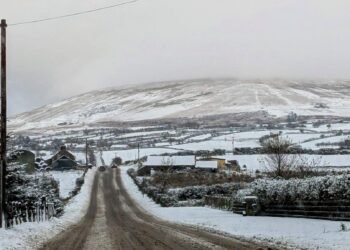 Commuters warned as yellow snow and ice alert hits Northern Ireland
 Labour Faces Historic Decline in Wales
 PM Highlights UK Business at G20 in South Africa
 Welsh Government Christmas 2020 Lockdown Criticised
 Coffins Now Too Large to Cremate Amid Rising Obesity Crisis
 Most Tories Expect to Support a Farage-Led Government
 Millions Face Higher Taxes Under Reeves New Budget
 Peers Get Extra Time to Debate Assisted Dying Bill
 Fibromyalgia Patients Struggle as NHS Fails to Provide Care
 Machynlleth High Street Left Without Christmas Lights
 Government righting decades-old injustice for miners
 Search underway for British man overboard off Tenerife
 “Enough is Enough”: Local MP Vows to Fight Rainham Quarry Plans
 Virgin Media Fined £23.8m Over Telecare Safety Failures
 UK delays ruling on China embassy plan until January