Published: 24 November 2025. The English Chronicle Desk. The English Chronicle Online.
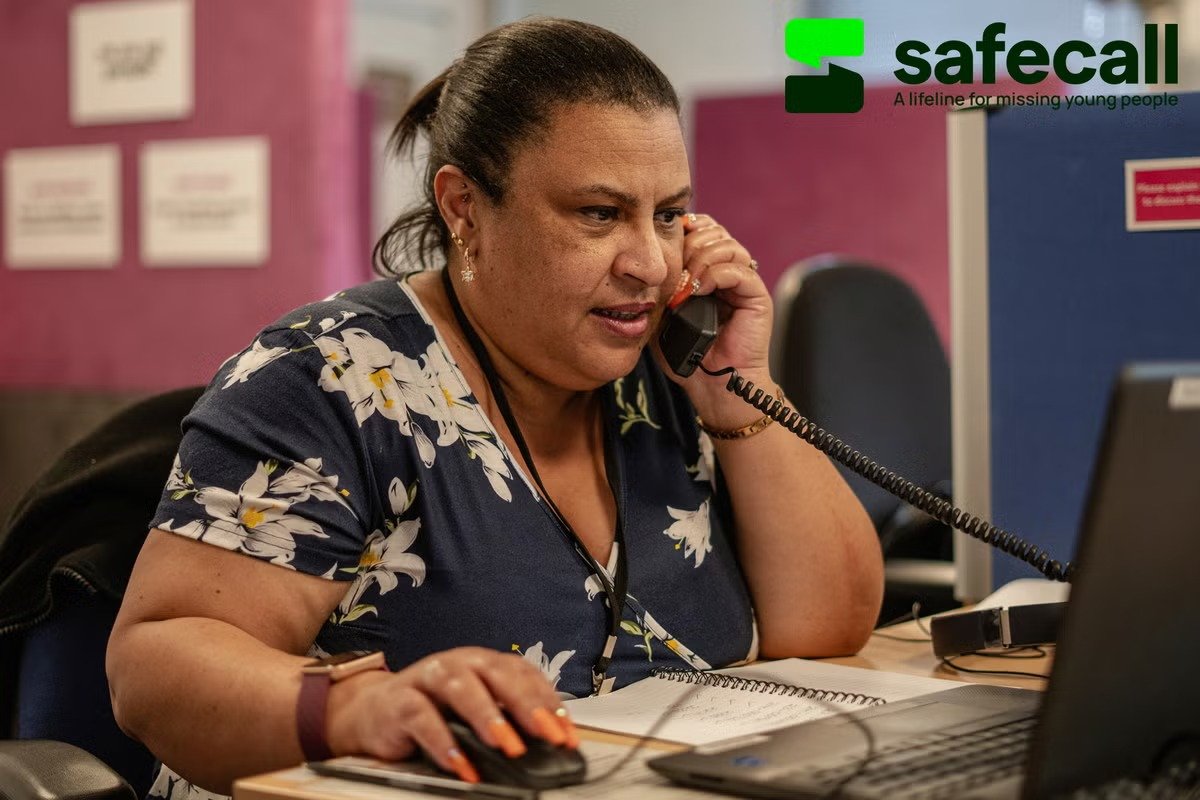
On a Monday morning, a helpline worker answered a call from an anxious parent whose 15-year-old son hadn’t returned home the night before. By lunchtime, they had also spoken to a 14-year-old girl who had skipped school and was too afraid to return, and later a 17-year-old who said she wanted to board a train and never come back. By Wednesday evening, the worker had already assisted a missing 14-year-old in foster care who had experienced abuse and was at risk of suicide, a 16-year-old girl seeking to protect her nine-year-old sister from conflict by disappearing, and a mother in tears whose autistic son had not come home. These examples represent just a fraction of the distressing, urgent, and sensitive calls received each week by Missing People, the UK charity that provides support for anyone affected by a disappearance.
The charity’s helpline operates 24 hours a day, seven days a week, listening to, advising, and supporting people who may be missing, their family members, or concerned individuals. Each call carries its own challenges, and helpline workers are trained to remain calm under extreme emotional pressure, prioritising safety and reassurance above all else. “We have to stay calm in high emotion. The minute you panic or show anxiety, the person on the other end of the line feels it, and that can make the situation far worse,” explained one senior operator.

Staff describe their role as a delicate balance between being supportive, providing practical guidance, and ensuring rapid coordination with the police when required. For example, in cases involving children at immediate risk, staff will help families alert the relevant authorities while maintaining communication with the missing child, if possible, to encourage them to stay safe. The helpline often becomes a lifeline, offering comfort to both children in crisis and the worried families struggling with fear, uncertainty, and guilt.
The charity estimates that around 70,000 children and young people go missing in the UK each year, with many cases resolved quickly and others lasting longer, often complicated by factors such as domestic conflict, mental health concerns, or exploitation. Missing People’s workers emphasise that not every call involves a child who has physically disappeared; some involve individuals who are frightened, confused, or seeking support to make safe decisions, illustrating the complexity and breadth of their work.
One key focus is SafeCall, a new service launched to offer additional support and safety advice for children who are missing or at risk. The initiative aims to provide a free, accessible helpline to ensure that children in crisis have somewhere to turn. The project is part of a broader fundraising effort, with Missing People targeting £165,000 to maintain and expand services. SafeCall will complement existing helplines, providing trained professionals who can respond to complex situations and work alongside local authorities.
Helpline staff often recount moments that demonstrate both the pressure of their role and the importance of emotional resilience. They describe feeling the weight of every conversation, knowing that a single phone call could change the course of a child’s safety. “It’s incredibly intense. You are simultaneously listening to trauma, providing guidance, and making quick decisions that could literally save lives,” said one worker who has been with the charity for over a decade. The mental health toll is significant, with staff required to regularly debrief and receive professional support to prevent burnout.
The charity also recognises the diverse needs of children and families contacting the helpline. For instance, children with autism, ADHD, or other neurodiverse conditions often present unique challenges. Helpline staff have received specialised training to communicate effectively with children who may struggle to express themselves or understand complex instructions. “Sometimes it’s about the tone of voice, the words you choose, and giving the child control over small decisions, even while guiding them to safety,” explained a senior counsellor.
In addition to immediate interventions, Missing People also focuses on prevention and education, working with schools, social services, and community organisations to identify children at risk and provide support before a disappearance occurs. Outreach programmes teach young people coping strategies, help families recognise warning signs, and offer resources for mental health support. These preventative measures are crucial, as research shows that early engagement can reduce repeat disappearances and long-term harm.
The charity’s work also highlights broader societal issues, including child neglect, family conflict, and exploitation. Many of the helpline’s calls involve children fleeing unsafe home environments or attempting to escape abuse. Missing People works closely with law enforcement, social services, and other charities to ensure that children receive not only immediate protection but also ongoing support. “Our role doesn’t end when the child is found. We make sure the child and their family have access to counselling, safe housing, and any other resources they might need,” said a spokesperson for the charity.
Funding remains a critical concern for the charity, as rising demand for helpline services and outreach programmes places pressure on limited resources. SafeCall’s fundraising target reflects the necessity of maintaining staff, expanding services, and ensuring that every child who reaches out can receive timely help. Supporters, including individuals, businesses, and community groups, are encouraged to contribute to this vital cause, reinforcing a network of care for children at risk.
The impact of Missing People’s work is profound, with many families crediting the charity with preventing tragedy. The helpline also provides reassurance for adults who may have previously felt powerless or unsure of how to act. Staff emphasise that their work is about connection, listening, and validation, often helping families navigate complex emotional responses while ensuring practical steps are taken to locate missing children safely.
Technology has become an increasingly important tool for Missing People, allowing the helpline to track trends, provide online resources, and facilitate rapid communication with law enforcement and other agencies. The charity uses social media campaigns, mobile applications, and community alert systems to reach missing children and disseminate safety advice quickly. However, staff stress that personal communication remains irreplaceable, as the nuances of voice, tone, and empathy cannot be replicated through automated systems.
Ultimately, the work of helpline staff demonstrates the power of calm, compassionate intervention in the face of crisis. “Each call is different. Some are short, some are hours long. Some require us to stay on the line all night. But every single call matters, and every single child deserves our full attention,” said a senior operator. The charity’s dedication highlights the importance of both emotional intelligence and procedural expertise in safeguarding children, showing how trained individuals can make a tangible difference in some of the most stressful moments imaginable.

As Missing People continues to expand SafeCall, the charity hopes to provide even more targeted support for children, young people, and families. By combining expert counselling, practical guidance, and strong collaboration with authorities, the organisation aims to reduce harm, prevent repeated disappearances, and give vulnerable children a sense of safety and reassurance during moments of crisis.
For those wishing to support the initiative, contributions help maintain helpline staffing, provide additional training, and fund outreach programmes designed to reduce disappearances and improve child safety. The charity continues to emphasise that early intervention saves lives, and public awareness is critical in creating a safer environment for children across the UK.
Through their daily work, helpline staff witness the resilience and vulnerability of young people navigating complex challenges. Their dedication, combined with the launch of SafeCall, ensures that children have an accessible, reliable resource when they are scared, lost, or in danger. As one operator explained, “It’s not just a job. It’s a commitment to every child who calls us and to every parent who waits for their safe return. We stay calm because that calmness can make all the difference.”
Related News:
 Mother dies after black market weight loss injection
 Young Woman Missed 13 Times by GPs Before Bowel Cancer Diagnosis
 Peterborough Mosques Tighten Security After Attack
 Nearly 48,000 Zombie Knives Removed from UK Streets in a Year
 Prince Andrew Stripped of Title: Giuffre Family Hails Historic Moment
 Metal Detectors at Stations ‘Would Make Life Impossible,’ Says Minister
 Experts Warn on Home Birth Risks, Call for Skilled Midwives
 British Grandmother to Return Home After Death Sentence in Bali
 Jailed UK climate protesters face extremist-style restrictions
 Boris Johnson accused of undermining BBC leadership
 Bar Council urges legal aid for all domestic abuse family cases
 Second world war veterans honoured as King leads Remembrance Sunday
 How to get help when a child goes missing – call 999 urgently
 ‘Reckless’ cuts to victims’ services will cost more than they save
 Judges to Decide Fate of Chief Constable Guilty of Contempt
 How age progression images help trace missing people
 Leading doctors issue warning amid ‘bad’ flu season
 Mum Calls for New Licence Rules After Teen Road Death
 Mother Watches in Horror as Teen Daughter Dies on Tracks
 Podcaster Faces Abuse Charges Over Controlling Behaviour
 DWP to Reassess Hundreds of Thousands in Carer Allowance Scandal
 Sudanese Family Vows to Stay After Racist Graffiti
 MPs Warn Thousands Still Face Poverty Despite Labour’s Welfare Reform Retreat
 FBI and NSPCC Sound Alarm Over Alarming Surge in Child Sextortion Cases Online
 Alarming rise in abusive teen relationships in the UK sparks urgent warnings
 Akinwale Arobieke Found Dead at Liverpool Home
 UK Doctors Guilty of Sexual Misconduct Continue Practising Amid Weak Sanctions, Research Finds
 Northern Ireland Faces Fears of Prolonged Race Riot “Permacrisis”
 Zarah Sultana Seeks Legal Action After Bitter Clash with Jeremy Corbyn Over Party Membership Funds
 Anti-Immigration Protesters and Counter-Protesters Clash in Glasgow
 Majority of UK Men Would Opt for Prostate Cancer Screening, Survey Finds
 Massive London Poundland Fire Engulfs High Street
 Ambulance Worker Fired After Flinging Amputee from Wheelchair and Offering Bribe
 Prunella Scales: From Fawlty Towers Icon to Beloved Canal Explorer
 Hospice Cuts Raise Alarm Across England Amid Funding Crisis
 UK Woman Loses Child Benefit After Booking Flight She Never Took
 UK launches search for first-ever ‘town of culture’ to highlight overlooked areas
 Afghan man charged with murder after west London knife attack
 Mass Stabbing on Doncaster to London Train Leaves Ten Injured
 Children to Learn Local History in Major Curriculum Overhaul
 FBI Director Kash Patel Defends Girlfriend Amid Government Jet Claims
 Hollywood Is an Industry of Looney Tunes Pretending to Be Normal
 French Taxi Driver Cleared in David Lammy Theft Case After Fare Dispute
 The Lowry Hotel: Manchester’s Iconic Five-Star Retreat
 UK Bans Fake Numbers: Scammers Lose Their Trick
 Prince William Plants Trees with Brazil’s Nature Heroes
 Just Stop Oil Protesters Convicted Amid Climate Defence Row
 Greta Thunberg Backs Student Facing UK Visa Revocation
 Kent village told to remove flags before Christmas lights go up
 Oprah enjoys Meghan’s jam on English muffins
 Newcastle United Lifts Ban on Fan Over Gender-Critical Views
 Shouting Works Best to Deter Gulls, UK Study Finds
 Reeves rejects £1bn plea for NHS redundancy payouts
 UK toy market enjoys bumper year as ‘kidults’ fuel demand
 Politics latest: Starmer ‘will fight any leadership coup’ as Streeting denies attempt to oust Labour PM
 PM Condemns Leaks, Vows Loyalty to Ministers and Stability
 Son Reveals UK Couple in Iran Resort to Hunger Strike for Help
 South Korea’s Jeju Island Faces Rising Tide of Illicit Drugs
 Met Police Clarifies Scale of Grooming Gang Cases
 UK Asylum Overhaul Sparks Debate Over Human Rights and Deportations
 UK Asylum Reforms: Temporary Refugee Status and Faster Deportations
 Criminal Gangs Pose as Truckers to Hijack UK Supply Chains
 UK Candidate Moved to Safe House After Election Threats
 Agency Workers Vote to Join Picket Lines Amid Dispute
 Van Dwellers Face Eviction After Park Misuse Sparks Outcry
 ‘Traumatic Wait’: Northern Ireland Women Face Breast Cancer Delays
 Commuters warned as yellow snow and ice alert hits Northern Ireland
 Serial Rapist and Former Cop Found Guilty Again
 Kate Forbes: Motherhood Harder Than Politics
 Coffins Now Too Large to Cremate Amid Rising Obesity Crisis
 Most Tories Expect to Support a Farage-Led Government
 Carer’s Allowance Chaos Draws Parallels With Post Office Scandal
 Labour MP claims devolution bill is ‘blatant discrimination’ against Cornwall
 Planned Palestinian Flag Raising at Belfast City Hall Faces Delay Amid Legal Concerns
 Fibromyalgia Patients Struggle as NHS Fails to Provide Care
 Machynlleth High Street Left Without Christmas Lights
 Second homes curbs quashed in Gwynedd legal ruling
 Search underway for British man overboard off Tenerife
 Virgin Media Fined £23.8m Over Telecare Safety Failures
 Prince George Helps Father at London Homelessness Charity