Published: 25 November 2025. The English Chronicle Desk. The English Chronicle Online
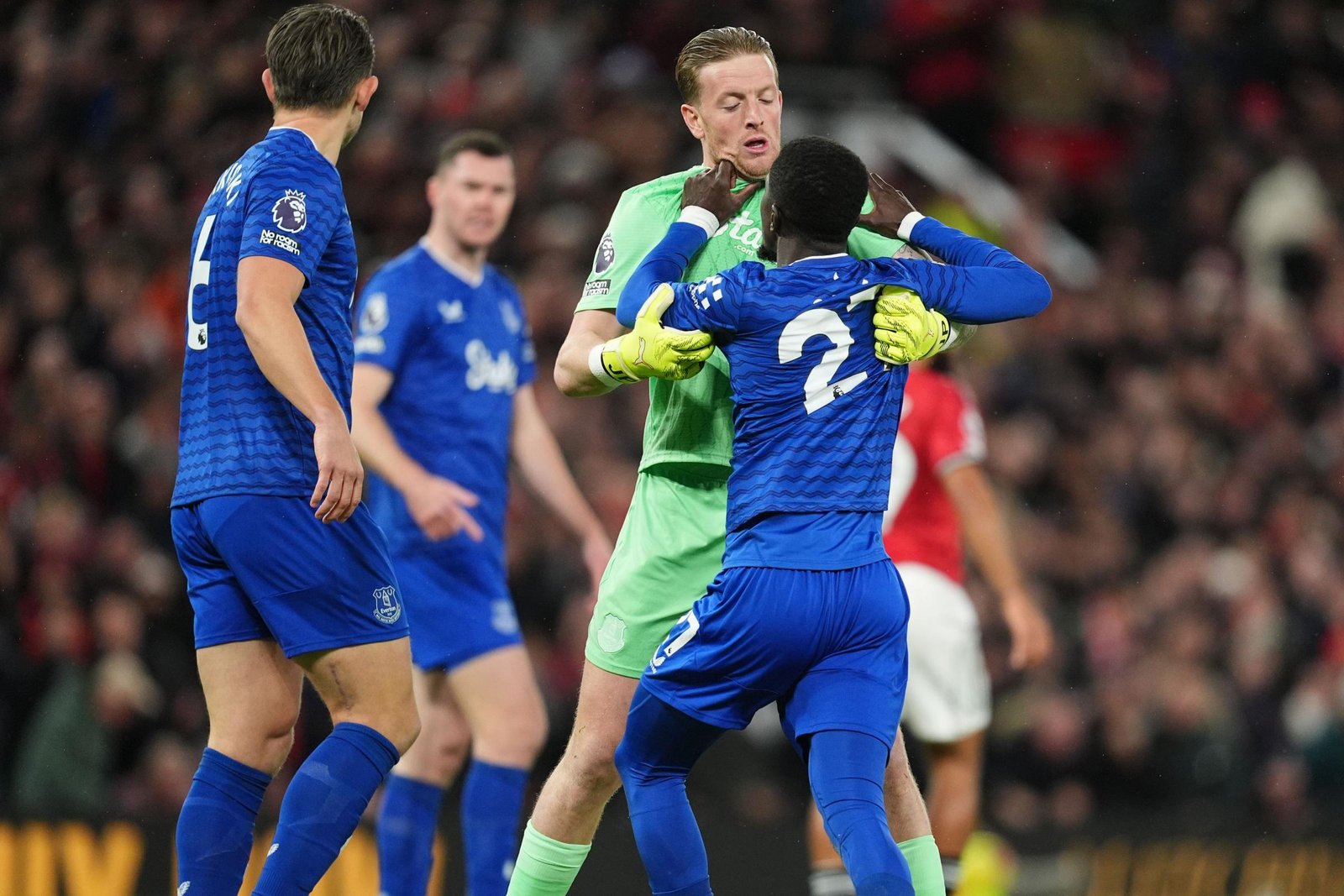
David Moyes defended Idrissa Gueye after the midfielder received an early red card during Everton’s tense 1-0 victory over Manchester United at Old Trafford. The dismissal stunned the crowd because it came from an altercation involving Gueye and his teammate Michael Keane. The incident unfolded only thirteen minutes into the match, yet it shaped the entire contest. Everton had not won a Premier League fixture at Old Trafford since 2013, so the pressure weighed heavily on the squad. Their task grew harder when the referee sent Gueye off for slapping Keane during a heated exchange.
The game started with strong energy from both sides as United attempted to control possession. Everton pressed high and tried to disrupt United’s early rhythm. Gueye approached Keane during a defensive breakdown, and frustration quickly escalated. Keane attempted to move away, but Gueye reacted with a slap across his cheek. The referee, Tony Harrington, acted immediately and showed the red card. The VAR team confirmed the decision. The Everton players looked shocked, while the United fans roared with surprise. Gueye apologised on his way down the tunnel, and he later addressed the squad again in the dressing room.

Moyes reorganised his players and created a tighter defensive shape. His side responded with determination and seemed unfazed by the numerical disadvantage. United tried to push forward with wide attacks, yet their creativity lacked precision. Everton stayed disciplined and waited for moments to counter. Their patience delivered a breakthrough when Kiernan Dewsbury-Hall scored a composed goal in the twenty-ninth minute. His finish silenced the home crowd and changed the momentum of the match.
United expected to dominate after the red card. However, their tempo slowed when Everton tightened the midfield. The visitors played with controlled aggression and kept their lines compact. Pickford produced confident saves when required. Everton’s defenders blocked several United attempts and maintained focus during long spells of pressure. The red card might have created a disadvantage, yet the players embraced the challenge. Their determination added emotional weight to the encounter and created a sense of belief within the squad.
The confrontation between Gueye and Keane quickly became the central talking point. Moyes surprised the media by defending the midfielder. He said he appreciated players demanding high standards from one another during stressful moments. He felt that internal clashes sometimes reflect a strong desire to correct mistakes. According to him, such reactions are common on competitive pitches. He admitted he disagreed with the referee’s decision but understood the restrictions placed by current rules. He suggested the official might have taken more time, although he accepted that Harrington followed the laws of the game.
Moyes emphasised that Gueye apologised and praised the players for supporting him. He insisted that the incident showed passion rather than malice. He added that Everton’s reaction demonstrated emotional unity and professional strength. He highlighted the team’s ability to recover from adversity and maintain their structure under pressure. His comments created debate among analysts because they challenged common attitudes regarding internal player confrontations.
The defeat ended United’s five-match unbeaten run. Their supporters expected a victory once Everton lost a player so early. Yet United struggled to convert possession into meaningful attacks. Their midfield appeared disconnected, and their forward line lacked cutting edge. Several promising plays broke down through misplaced passes. Everton’s shape remained intact, and their defenders continued to deny clear opportunities.
United stayed on eighteen points after the loss and remain two points behind Crystal Palace in fifth place. The position may be enough to secure Champions League qualification depending on external league results. United know they must improve if they hope to compete with stronger rivals. Their inconsistency remains a concern because their structure often falters during intense matches.
United head coach Ruben Amorim echoed parts of Moyes’s assessment. He explained that confrontations between teammates often reflect a desire to protect the team. He said players sometimes react instantly when they fear conceding a goal. He did not believe the clash meant any personal conflict between Keane and Gueye. He also disagreed with the red card but accepted the official’s interpretation. His comments added another voice to the ongoing debate about context in disciplinary decisions.
Amorim assessed his team’s performance with honesty. He said United remain far from the level he expects. He acknowledged that their recent unbeaten run created hope, but the team still has several gaps. He pointed out that perfection is necessary in tight Premier League matches. He said they failed to reach that standard against Everton, which contributed to the disappointing result.
United missed Matheus Cunha, who was unavailable due to a head injury. His absence affected their attacking flow and placed extra responsibility on the remaining forwards. The front line struggled to create dangerous openings. Everton’s disciplined defence reduced their chances and disrupted their rhythm throughout the match.
Everton’s victory created a sense of optimism for their season. The players adapted quickly after the red card and maintained concentration. Their defensive organisation frustrated United and allowed them to control key moments. They used their energy wisely and limited unnecessary risks. Dewsbury-Hall’s goal proved decisive, yet the collective effort defined the result.
Moyes praised his squad for their courage. He highlighted their ability to stay united despite early adversity. He said the victory reflected their mentality and commitment. He predicted that the result could become a turning point in their season. He explained that setbacks often create opportunities for emotional growth within a team.

The match reopened discussions about referee decisions in emotional incidents. Some supporters argued that context should influence decisions, while others insisted that the rules require strict enforcement. The laws leave little room for interpretation when a player raises a hand, even toward a teammate. The incident sparked debate across social media and among analysts. Many questioned whether the sport needs a more flexible approach. However, others argued that maintaining firm boundaries prevents more severe confrontations.
Everton will move forward without Gueye during his suspension. Moyes said the player understands the consequences. He believes Gueye will learn from the mistake and return with renewed focus. The squad intends to support him throughout the process.
United must regroup and address their shortcomings. The defeat exposed weaknesses in their structure and creativity. Amorim said the team needs sharper execution and faster decision making. He believes progress remains possible but requires serious attention.
The dramatic night at Old Trafford produced tension, controversy and resilience. Everton left with a memorable victory built through discipline and determination. United ended with frustration and renewed pressure to improve. The clash between Gueye and Keane will remain part of the story, yet the wider narrative reflects a match driven by emotion, strategy and competitive desire.
Related News:
 Tottenham shine at Everton but Frank wary of title push
 Matty Cash seals Villa win as City falter again at Villa Park
 Sarr Double Sinks Young Liverpool in Carabao Cup
 Nwaneri and Saka Secure Arsenal Win Over Brighton
 Woltemade Hot Streak Fires Newcastle Past Spurs
 Kieffer Moore Hat-Trick Ends Coventry’s Unbeaten Run
 Salah & Gravenberch Lead Liverpool to Win Against Villa
 Dyche Criticises Corner Decision as Forest Draw with United
 Caicedo Shines as Chelsea Edge Spurs in Chaotic Derby
 Granit Xhaka Rescue Earns Everton Draw at Sunderland
 Liverpool Edge Real Madrid 1-0 in Champions League Thriller
 Van de Ven Stunner Lifts 10-Man Spurs to UCL Glory
 Merino Shines as Arsenal Beat Slavia 3-0 Without Gyokeres
 Burn and Joelinton Head Newcastle to Victory Over Bilbao
 Foden shines as Man City dismantle Dortmund in dominant display
 Garnacho Spares Chelsea From Shock Champions League Loss in Baku
 Tension and Turmoil at Aston Villa v Maccabi Match
 Bellingham has ‘the edge’ among England No 10s
 Arteta Left Frustrated as Sunderland Deny Arsenal Late Win
Chelsea Cruise Past Wolves to Go Second in the Premier League
Man City Masterclass on Guardiola’s Milestone Day Exposes Liverpool Woes
Arteta Left Frustrated as Sunderland Deny Arsenal Late Win
Chelsea Cruise Past Wolves to Go Second in the Premier League
Man City Masterclass on Guardiola’s Milestone Day Exposes Liverpool Woes
 Lando Norris Dominates Brazil GP to Strengthen F1 Title Bid
 England cannot afford to be in awe of the All Blacks, warns Jamie George
 VAR Must Rein Its Neck In to Save Football’s Spirit
 Trescothick Hints Pope Will Keep Number Three Spot
 Ronaldo Confirms Final World Cup and Plans Retirement
 Mary Earps’s Manchester United Return Faces Mixed Reception
 Sam Kerr Stars in Chelsea Return with Champions League Double
 This kid is something else: Alex Scott’s rise to England call-up
 Anthony Joshua Faces Backlash Over Proposed Jake Paul Fight
 Former Lion Heskey Warns of Shortage of England Strikers
 Rogers Double Aston Villa as Leeds Slip Deeper into Trouble
Eze Hat-Trick Stuns Spurs in Dominant Arsenal Derby Win
Rogers Double Aston Villa as Leeds Slip Deeper into Trouble
Eze Hat-Trick Stuns Spurs in Dominant Arsenal Derby Win
 Rookie Driver Hollie McRae Flips Car but Walks Away Safe
 Gerrard warns Liverpool’s terrible run could worsen
 Jac Morgan to Miss Six Nations Start After Surgery
 Alexander Isak ends drought as Liverpool stop rot with win at West Ham
 Mbappe rescues Real Madrid with a penalty at Girona
 London Set to Honour Euro 2025 Champions as Lionesses Take Victory Parade Through the Capital
 Premier League Supercomputer Predicts Tough Season for Man Utd Amid Three-Team Title Battle
 Everton Held by West Ham as Bowen Cancels Out Keane’s Header in Nuno’s First Game
Monaco Hold Man City to Dramatic 2-2 Draw as Eric Dier Converts Late Penalty
Arsenal Edge Past West Ham Amid Injury Concerns
Everton Held by West Ham as Bowen Cancels Out Keane’s Header in Nuno’s First Game
Monaco Hold Man City to Dramatic 2-2 Draw as Eric Dier Converts Late Penalty
Arsenal Edge Past West Ham Amid Injury Concerns
 Questions Remain as Rugby Legend Lewis Moody Faces Motor Neurone Disease Diagnosis
 Son of ex-England footballer dies in tractor crash
 Brentford 3-2 Liverpool: Reds suffer fourth straight PL defeat
 Peterborough Mosques Tighten Security After Attack
 Reeves Faces Setback as Labour May Miss Homes Target
 Kate Winslet to Narrate Film Highlighting King’s Environmental Mission
 Green Party Surges Past Labour in Latest UK Poll
 Trump’s UK Ambassador Urges North Sea Drilling to Strengthen US Ties
 Children to Learn Local History in Major Curriculum Overhaul
 French Taxi Driver Cleared in David Lammy Theft Case After Fare Dispute
 UK Bans Fake Numbers: Scammers Lose Their Trick
 M&S Profits More Than Halve After Cyber-Attack
 Kent village told to remove flags before Christmas lights go up
 Patients to Test Health at Home to Ease NHS Winter Pressure
 Palace May Restore Hyphen to Andrew Mountbatten-Windsor’s Name
 Millionaires group urge Reeves to introduce wealth tax to ‘lift kids out of poverty’
 Shouting Works Best to Deter Gulls, UK Study Finds
 Reeves rejects £1bn plea for NHS redundancy payouts
 Northern Lights may illuminate UK skies this week
 UK and Ireland Announce Venues for Euro 2028 Tournament
 PM Condemns Leaks, Vows Loyalty to Ministers and Stability
 Major Rent Reform Ends No-Fault Evictions in England
 Saka Solidifies Role as Tuchel’s Key England Lieutenant
 Criminal Gangs Pose as Truckers to Hijack UK Supply Chains
 Stroke Patient Mistaken for Drunk, Care Delayed
 Van Dwellers Face Eviction After Park Misuse Sparks Outcry
 Tiny Curacao Makes History as Smallest Nation to Reach World Cup
 Royal Navy Shadows Russian Warships Entering the Channel
 Inside the Helpline Protecting Missing Children in the UK
 Boots Showstopper Beauty Bundle Outshines Many Advent Calendars This Holiday Season
 Labour MP claims devolution bill is ‘blatant discrimination’ against Cornwall
 Karen Carney Stuns on Blackpool Week, Deserves Strictly Final
 Millions Face Higher Taxes Under Reeves New Budget
 Fibromyalgia Patients Struggle as NHS Fails to Provide Care
 Search underway for British man overboard off Tenerife
 Virgin Media Fined £23.8m Over Telecare Safety Failures
 Rising Water Bills Lift Troubled Thames Back to Profit