Published: 26 November 2025 Wednesday. The English Chronicle Desk. The English Chronicle Online
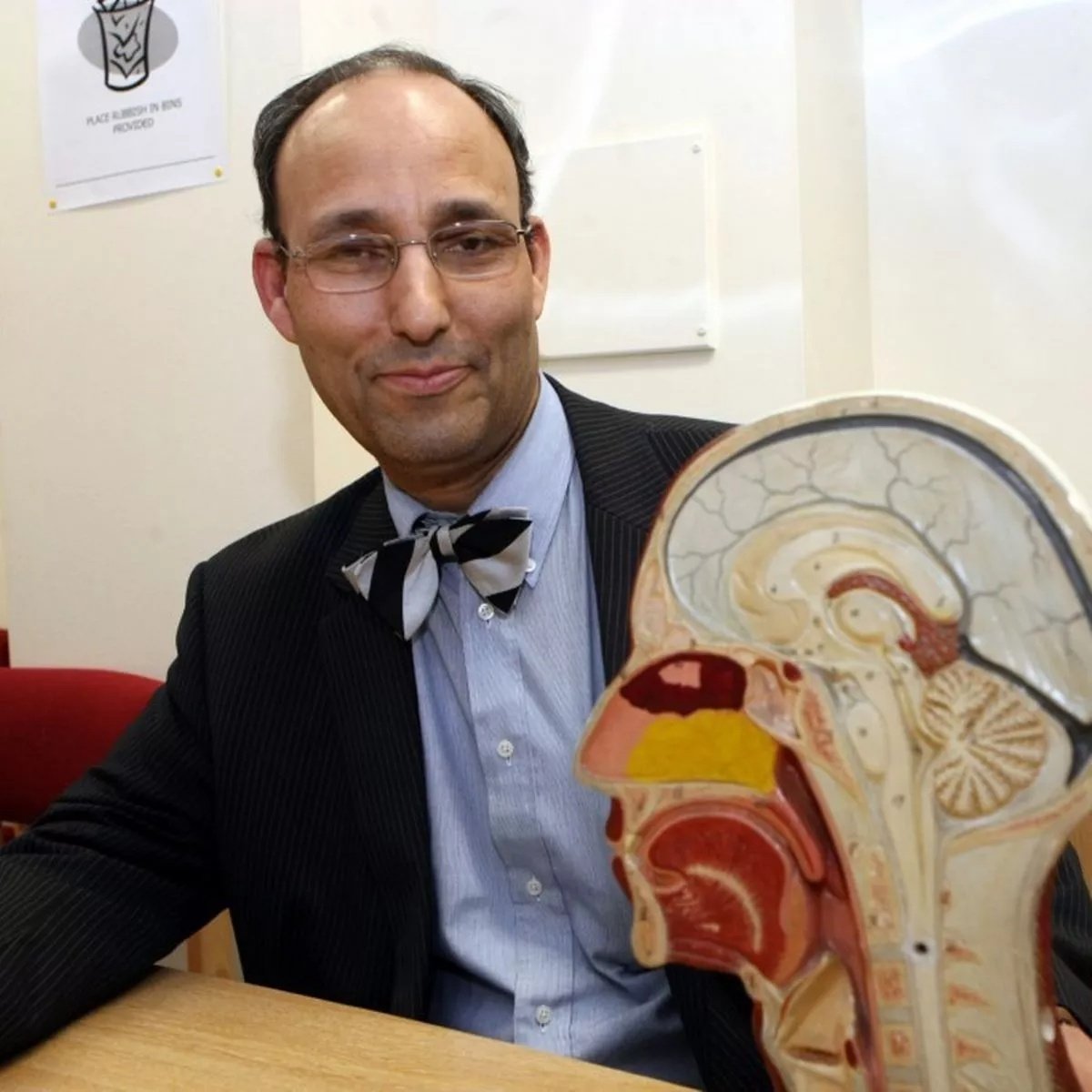
A long-awaited public inquiry into one of Scotland’s most notorious medical scandals is set to enter a pivotal stage as opening statements from core participants are heard in Edinburgh. The inquiry, centred on disgraced neurosurgeon Sam Eljamel, marks a significant moment for dozens of former patients who say they suffered life-changing harm under his care while he served as head of neurosurgery at Ninewells Hospital in Dundee. For many of those affected, the beginning of formal public proceedings represents a long-overdue step toward truth, accountability, and closure.
Eljamel, who was suspended from his role in December 2013 and subsequently resigned from NHS Tayside the following year, is accused of leaving a trail of devastated patients, many of whom underwent surgeries that were allegedly unnecessary, poorly executed, or carried out without informed consent. While the full extent of the harm he caused is still emerging, numerous former patients have publicly described enduring nerve damage, chronic pain, paralysis, or irreversible complications, drawing national attention and sparking years of demands for a formal inquiry.
The hearing, led by Lord Weir, begins with opening statements presented by senior counsel Jamie Dawson KC, who represents the inquiry. Joanna Cherry KC, acting on behalf of the patients’ group, is expected to deliver a detailed statement reflecting the voices of those directly affected. Many of these individuals have spent years advocating for an independent inquiry to establish how a surgeon with multiple complaints, performance concerns, and alleged procedural misconduct was permitted to continue practicing within NHS Tayside for so long.

In the afternoon session, statements will be presented on behalf of NHS Tayside by Una Doherty KC and for the Scottish Government by Laura Thomson KC. Their submissions are likely to outline institutional perspectives, responses to previous criticisms, and their positions regarding the systemic failures that may have enabled Eljamel to operate unchecked for nearly two decades.
The inquiry has confirmed that various attempts were made to contact Eljamel himself, who is now believed to be living and working in Libya. Despite efforts that included sending letters, emails, and making calls to institutions where he is thought to have worked, no correspondence has been successful. Because he is no longer living in the United Kingdom, he cannot be compelled to attend or give evidence in person. His absence has prompted frustration among patients who believe he should be confronted publicly with the harm he is alleged to have inflicted, but the inquiry must proceed without his participation.
Set within the formal surroundings of a hearing room in Edinburgh, the inquiry will explore the views of core participants on both the matters to be examined and the manner in which the inquiry intends to conduct its work. Representatives from Healthcare Improvement Scotland, NHS Education for Scotland, and the Royal College of Surgeons of Edinburgh are scheduled to speak on Thursday, providing a broader institutional overview of the regulatory landscape and oversight responsibilities during the period in which Eljamel carried out his medical practice.
The inquiry, expected to begin hearing substantive evidence early next year, is divided into a series of thematic blocks. The first block is designed to examine the roles played by key bodies, individuals, and administrative processes surrounding Eljamel’s career. This includes a close look at how he was appointed to his pivotal role as a consultant neurosurgeon at Ninewells Hospital in 1995 and the teaching and research responsibilities he later accumulated.

Investigators will examine the systems, policies, and practices in place during his tenure, aiming to piece together whether institutional failures, inadequate oversight, or organisational blind spots allowed him to continue operating despite early warnings. Critical attention will be given to NHS Tayside’s complaints system, with particular focus on the timing, nature, and statistical patterns of formal complaints lodged against him. Evidence relating to patient concerns, internal reports, and whistleblower statements will play a crucial role in revealing whether opportunities to intervene were missed.
The inquiry will also scrutinise the circumstances surrounding Eljamel’s suspension in 2013, including the decision-making processes that led to his removal and the findings of previous internal investigations. Particular emphasis will be placed on document management and record retention practices within NHS Tayside during his employment. Past criticisms have suggested that inconsistent documentation, missing files, or inadequate reporting may have contributed to delays in recognising the full scope of his misconduct.
Another major component of the inquiry will be its examination of the organisations that either oversaw or should have overseen Eljamel’s activities. This includes regulatory bodies, professional associations, and institutions responsible for training, certification, and appraisal. Questions are expected to centre on whether oversight measures failed at multiple levels, or whether certain issues were overlooked due to systemic shortcomings or organisational culture.
For patients who suffered under his care, these hearings represent the culmination of years of relentless campaigning. Many have described the devastating impact on their personal and professional lives, recounting long-term pain, disability, or trauma resulting from surgeries they believe were either incompetently performed or entirely unnecessary. Numerous individuals claim they trusted Eljamel because of his seniority and reputation, only to be misled about surgical risks or misinformed about the necessity of procedures.
Families and advocacy groups have long maintained that NHS Tayside failed to act quickly enough despite mounting concerns. They argue that warnings from colleagues, second opinions, and formal complaints should have triggered earlier intervention. Some patients say they were misled by the health board about the extent of its concerns and the reasons behind Eljamel’s suspension, claiming they were not informed about ongoing investigations even when they believed they were receiving routine care from him.

The Scottish Government previously apologised to patients affected by his actions and committed to establishing a fully independent public inquiry. Politicians across the spectrum have acknowledged the seriousness of the scandal, expressing concern that such a severe breach of medical ethics and patient safety could occur within the modern NHS.
The beginning of the inquiry has drawn significant attention from both the public and the medical community. Health experts, professional bodies, and patient advocates expect the proceedings to shed light on not only Eljamel’s conduct but also systemic vulnerabilities within the Scottish healthcare system. Some have warned that the case could reveal broader issues such as understaffing, inadequate supervision, insufficient peer review processes, or cultural pressures within clinical teams.
The inquiry’s findings could prompt substantial reforms in clinical governance, quality assurance, and complaints handling procedures across NHS Scotland. Ministers have signalled that they will carefully consider any recommendations, acknowledging the profound responsibility to restore public confidence in a system shaken by one of the most serious clinical misconduct cases in recent history.
As hearings continue, many former patients have expressed a mixture of hope, anxiety, and determination. Some are preparing to give emotional testimony early next year, describing in detail the procedures they underwent and the lasting effects on their physical and mental health. Many have waited more than a decade to have their accounts formally heard and acknowledged by the institutions responsible for protecting them.
The inquiry is expected to be lengthy and complex, with multiple phases of evidence collection, witness examination, and expert analysis. While Eljamel himself is unlikely to appear, the inquiry will rely on patient testimonies, internal NHS documents, regulatory records, and expert evaluations to build a comprehensive picture of what happened and why.
For those who have suffered the consequences of his actions, the inquiry offers not just the hope of understanding past failures, but also the possibility of preventing future harm. As the first proceedings begin, the spotlight remains firmly on the institutions tasked with defending the integrity of Scotland’s healthcare system and the inquiry charged with uncovering the truth behind one of the most troubling medical scandals in the nation’s history.
Related News:
 Mother dies after black market weight loss injection
 Hospice Cuts Raise Alarm Across England Amid Funding Crisis
 Shouting Works Best to Deter Gulls, UK Study Finds
 Stroke Patient Mistaken for Drunk, Care Delayed
 Mother Watches in Horror as Teen Daughter Dies on Tracks
 Serial Rapist and Former Cop Found Guilty Again
 Ex-Classmate Accuses Farage of Dishonesty on Racism Claims
 15-Year-Old Arrested After Sheffield Shooting Leaves Teen Critical
 Sudanese Family Vows to Stay After Racist Graffiti
 Ex-Brexit MEP Rejects Claim of Pro-Russia Payments
 Man Arrested Over Manchester Synagogue Terror Attack
 Five-Year-Old Dies After Rare Tonsil Surgery Complication
 Twelve Prisoners Released in Error, Two Still Missing
 More Patients Now Contacting GPs Online, Data Shows
 Appalling Rise in Pharmacy Crimes: Staff Face Increasing Theft and Aggression
 Alarming rise in abusive teen relationships in the UK sparks urgent warnings
 Ambulance Worker Fired After Flinging Amputee from Wheelchair and Offering Bribe
 Women Challenge Meta Over Targeted Ads After Miscarriage
 Lisbon Transport Board Resigns After Deadly Funicular Crash
 Man Trapped in Quicksand Rescued in Dramatic Coastal Rescue
 Peterborough Mosques Tighten Security After Attack
 Five More Prisoners Freed by Mistake in Essex Week
 Celebrities and Charities Demand UK Government Act on Child Poverty
 Afghan man charged with murder after west London knife attack
 Dyche Criticises Corner Decision as Forest Draw with United
 Caicedo Shines as Chelsea Edge Spurs in Chaotic Derby
 FBI Director Kash Patel Defends Girlfriend Amid Government Jet Claims
 Trump Speaks on Prince Andrew’s Royal Scandal Fallout
 Experts Warn on Home Birth Risks, Call for Skilled Midwives
 French Taxi Driver Cleared in David Lammy Theft Case After Fare Dispute
 UK Bans Fake Numbers: Scammers Lose Their Trick
 Just Stop Oil Protesters Convicted Amid Climate Defence Row
 Experts Urge Legal Right to Timely Cancer Care
 Patients to Test Health at Home to Ease NHS Winter Pressure
 London’s Childlessness Crisis: Schools Closing as Families Shrink
 Jailed UK climate protesters face extremist-style restrictions
 North Sea oil workers must lose weight or face job loss
 How to get help when a child goes missing – call 999 urgently
 ‘Reckless’ cuts to victims’ services will cost more than they save
 Seven Conditions That Automatically Qualify You for a Free Bus Pass
 Madeleine McCann Suspect Forced into Woodland Hideout After Release
 Mary Earps’s Manchester United Return Faces Mixed Reception
 Sam Kerr Stars in Chelsea Return with Champions League Double
 This kid is something else: Alex Scott’s rise to England call-up
 Reeves rejects £1bn plea for NHS redundancy payouts
 Leading doctors issue warning amid ‘bad’ flu season
 PM Condemns Leaks, Vows Loyalty to Ministers and Stability
 Son Reveals UK Couple in Iran Resort to Hunger Strike for Help
 Former Lion Heskey Warns of Shortage of England Strikers
 Israel Confirms Returned Hostage as Meny Godard
 UK Asylum Reforms: Temporary Refugee Status and Faster Deportations
 Criminal Gangs Pose as Truckers to Hijack UK Supply Chains
 UK Candidate Moved to Safe House After Election Threats
 South African Detained After Neo-Nazi Rally in Australia
 Van Dwellers Face Eviction After Park Misuse Sparks Outcry
 ‘Traumatic Wait’: Northern Ireland Women Face Breast Cancer Delays
 Commuters warned as yellow snow and ice alert hits Northern Ireland
 UK Vulnerable to Attack, Defence Committee Finds
 Rama Rebukes Mahmood for Targeting Albanian Families
 Russian Vessel Used Lasers on RAF Pilots, UK Claims
 Woman Meets Boy Whose Life She Saved with Kidney
 Two Officers Injured After Van Deliberately Rams Patrol Car
 Scottish Families Take Legal Action Over School CO Leak
 Welsh Government Christmas 2020 Lockdown Criticised
 Venezuela Threatens Nobel Winner Machado with Fugitive Status
 Coffins Now Too Large to Cremate Amid Rising Obesity Crisis
 NHS paediatric leave parents waiting months for answers
 Vicki Fears Losing Motability Car
 Trump Envoy to Discuss Ukraine Peace at Kremlin
 Twenty-Four Nigerian Schoolgirls Freed After Abduction
 Millions Face Higher Taxes Under Reeves New Budget
 Peers Get Extra Time to Debate Assisted Dying Bill
 Planned Palestinian Flag Raising at Belfast City Hall Faces Delay Amid Legal Concerns
 Two National Guard Soldiers Critically Injured Near White House
 Video shows Israeli troops kill Palestinians after surrender
 Fibromyalgia Patients Struggle as NHS Fails to Provide Care
 Machynlleth High Street Left Without Christmas Lights
 Government righting decades-old injustice for miners
 Second homes curbs quashed in Gwynedd legal ruling
 Search underway for British man overboard off Tenerife