Published: 10 December 2025. The English Chronicle Desk. The English Chronicle Online.
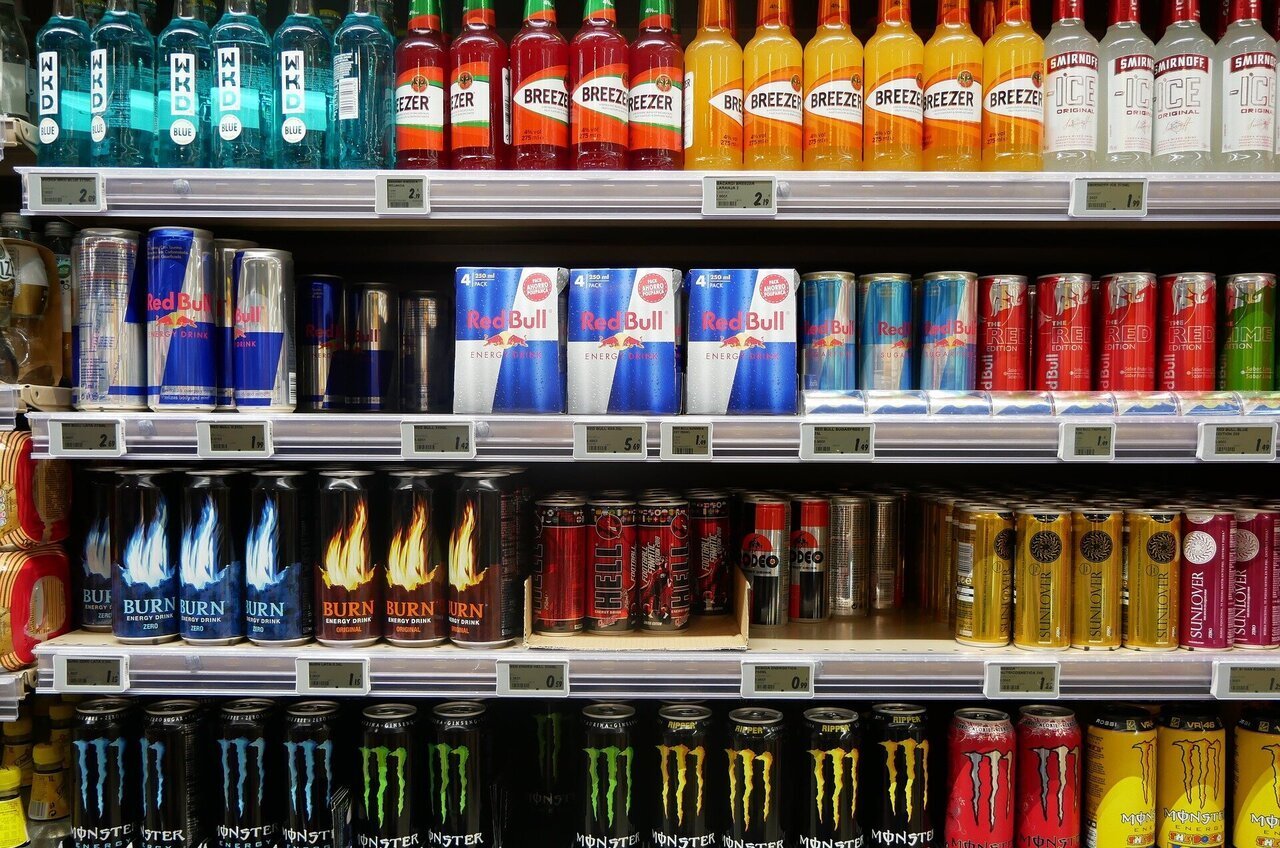
Doctors in the UK have raised serious health concerns after reporting a case linking high energy drink consumption to heart disease and stroke risk. An otherwise healthy man in his fifties suffered a stroke, leaving him with permanent numbness in his hands and feet, after consuming an average of eight energy drinks daily. These drinks, widely available worldwide, typically contain more than 150mg of caffeine per litre, high sugar content, and additional chemical additives that may pose significant cardiovascular risks.
The patient’s admission to Nottingham Hospital revealed an alarmingly high blood pressure reading of 254/150mmHg. Immediate treatment involved strong blood pressure-lowering medications, yet his condition remained unstable once discharged. Subsequent investigations highlighted his daily intake of roughly 1,200mg of caffeine, far exceeding the recommended maximum of 400mg per day. Doctors instructed him to cease consuming energy drinks, after which his blood pressure normalised, eliminating the need for ongoing medication.
According to the medical journal BMJ Case Reports, doctors concluded that heavy energy drink consumption likely contributed significantly to his secondary hypertension and subsequent stroke. Despite the intervention, the patient did not fully recover. He reported lasting numbness in his left hand, fingers, foot, and toes, even eight years after the event. “I obviously wasn’t aware of the dangers drinking energy drinks were causing to myself,” he said anonymously.
Medical experts emphasise that while alcohol and smoking risks are widely publicised, energy drink consumption remains a largely overlooked health concern. Acute and chronic intake of these high-caffeine, high-sugar beverages may increase cardiovascular disease and stroke risk, they warned. Notably, these effects could be reversible if consumption stops promptly, underscoring the importance of lifestyle awareness.

Doctors are advocating for stricter regulation of energy drink sales and targeted advertising, especially as these products often appeal to younger consumers. The team also recommends that healthcare professionals ask about energy drink habits in young patients presenting with unexplained hypertension or stroke symptoms. Current evidence, while not fully conclusive, points toward a growing health threat that requires urgent public attention.
The case study highlights a wider societal issue, reflecting rising global energy drink consumption trends. Millions of individuals worldwide rely on these beverages for short-term alertness or as an alternative to alcohol, unaware of their long-term health consequences. Experts warn that high caffeine and sugar levels can have cumulative effects on cardiovascular health, potentially leading to severe outcomes like stroke.
Public health authorities in the UK are now being urged to issue warnings and provide educational campaigns around energy drink consumption. While policymakers debate potential regulations, doctors emphasise that early intervention and awareness could prevent serious cardiovascular events. Increased scrutiny of energy drink labels, promotion of healthier alternatives, and age-based restrictions are among suggested measures to reduce health risks.
Researchers point out that cardiovascular disease and stroke remain leading causes of morbidity and mortality globally, and preventable lifestyle factors, such as excessive energy drink consumption, must be addressed. Encouraging moderation and promoting public awareness campaigns could substantially lower stroke risk, particularly in younger populations who often consume these products in high volumes.
Medical professionals stress the need for ongoing research into energy drink-related health outcomes, given the growing consumption rates across demographics. With mounting evidence linking high caffeine and sugar intake to cardiovascular complications, urgent steps are necessary to mitigate risks. Clinicians are advised to include energy drink history in routine assessments, particularly for patients presenting with high blood pressure or cardiovascular concerns.
The Nottingham case serves as a cautionary tale for the public. Health authorities recommend that consumers be mindful of cumulative caffeine intake and potential interactions with pre-existing health conditions. Lifestyle modification, including limiting energy drink consumption, is a practical step to safeguard long-term cardiovascular health.
As discussions continue around policy and regulation, experts stress that public education and informed choices are key. While energy drinks may offer temporary stimulation, their long-term effects could result in significant health burdens. Doctors call for comprehensive public health strategies to address this emerging concern, aiming to reduce preventable cardiovascular and cerebrovascular diseases in the UK.
Related News:
 NHS Resident Doctors Vote for Strike Action Amid Escalating Pay Dispute
 Concerns Mount Over Accuracy of At-Home Health Tests as Study Calls for Stricter Regulation
 Ageless Energy: How Life After 40 Is Sparking a New Era of Vitality and Innovation
 Labour Faces Standoff as NHS Strike Exposes Deeper Crisis
 NHS Braces for New Wave of Disruption as Resident Doctors Begin Five-Day Strike Across England
 The Ketamine Crisis in the UK is a Silent Epidemic Leaving Users with Lifelong Pain
 Tiny Moves, Big Gains: The Micro-Exercises That Match a 20-Minute Walk in Impact
 Justin Timberlake Shares His Lyme Diagnosis and the Strain of Performing Through Illness
 UK Launches World-First Gonorrhoea Vaccine Amid Record Infection Surge
 ‘I’m Trying to Cut Down My Alcohol Intake and This 99p Low-Calorie Drink Converted Me’
 Woman Warned She Might Need Leg Amputation to Survive After Liquid Brazilian Butt Lift
 It’s Thanks to Gabby That I Caught My Prostate Cancer in Time’ – Kenny Logan Opens Up on His Battle and His Mission to Save Lives
 AI Tools Used by English Councils Found to Downplay Women’s Health Issues, Raising Concerns Over Gender Bias in Care
 Rugby Confronts Safety Concerns with Smart Mouthguards at Women’s World Cup
 Cats Develop Dementia Similarly to Humans, Study Finds
 Money Problem: ‘My husband is freelance and in hospital – how can I make sure we don’t lose our home?’
 Alarming rise in abusive teen relationships in the UK sparks urgent warnings
 Inquest Finds Agency Worker Failings Led to Unlawful Death of Vulnerable 14-Year-Old
 Shocking Rise in Children’s Exposure to Violent Online Pornography Raises Alarm
 Compulsory Period Education for Boys and Girls Urged by New Study
 Calls Grow for a Complete Ban on Smacking as Public Opinion Shifts
 Baby Food Manufacturers Given 18 Months to Improve Nutrition and Labelling
 Costa Blanca Holiday Horror as Food Poisoning Outbreak Hits Four-Star Hotel
 ‘REAL DANGER’: Stark Fresher’s Flu Warning After 23-Year-Old Student, Who Woke Up With Sore Throat, Loses All Four Limbs
 NHS Launches Free Flu Vaccine Drive as Millions Urged to Get Protected
 England Plans Ban on Energy Drinks for Under-16s Amid Health Concerns
 Why E-Bikes and E-Scooters Are Making Streets a ‘Nightmare’ for Blind People
 Millions in the UK at Higher Risk of Heart Failure and Stroke Due to Air Pollution, Study Warns
 Norfolk Hospital Ranked Worst in England as NHS League Tables Return
 NHS Trials £100 Blood Test That Could Revolutionise Alzheimer’s Diagnosis
 More Than Half of UK Births Now Involve Medical Intervention
 British Pilot Joins Crew Training for Year-Long Mars Simulation Mission
 UK Graduates in Healthcare Report Highest Satisfaction with Degree Choices
 Labour Urged to Launch National Occupational Health Service to Tackle Worklessness
 Systemic Racism in Maternity Care Continues to Endanger Black Women in England, MPs Warn
 One in Three GPs in England Do Not Work in NHS, Raising Concerns Over Access to Care
UK Doctors Guilty of Sexual Misconduct Continue Practising Amid Weak Sanctions, Research Finds
One in Three GPs in England Do Not Work in NHS, Raising Concerns Over Access to Care
UK Doctors Guilty of Sexual Misconduct Continue Practising Amid Weak Sanctions, Research Finds
 Heavy Drinkers Lead Growth in Non-Alcoholic and Low-Alcohol Market
 Starmer Unveils Plan for NHS “Online Hospital” to Tackle Waiting Lists
 UK Health Officials Monitor New ‘Stratus’ Covid Variant Amid Rising Cases
 Questions Remain as Rugby Legend Lewis Moody Faces Motor Neurone Disease Diagnosis
 Eligibility Confusion Over COVID Vaccination Leaves Pharmacies Struggling Across the UK
 Majority of UK Men Would Opt for Prostate Cancer Screening, Survey Finds
 Ambulance Worker Fired After Flinging Amputee from Wheelchair and Offering Bribe
 Women Challenge Meta Over Targeted Ads After Miscarriage
 Mum’s Final Wish: Donating Her Body to Science
 Genetic Tests May Predict Return of Blood Cancer
 UK Woman Becomes Longest Survivor of Heart-Lung Transplant
 Sir Michael Caine Urges Starmer to End Smacking in England
£18 Prostate Cancer Test Could Save Thousands of Lives
Sir Michael Caine Urges Starmer to End Smacking in England
£18 Prostate Cancer Test Could Save Thousands of Lives
 Pregnant Women in England Face Rising Risk of Severe Birth Injury
 ‘Game-Changing’ HIV Prevention Jab Set for NHS Approval
 One in 12 Secondary Pupils Sent to Isolation Weekly
 M&S and Morrisons Lead Christmas Supermarket Taste Test
New Prostate Cancer Drug Set to Halve Death Risk in England
M&S and Morrisons Lead Christmas Supermarket Taste Test
New Prostate Cancer Drug Set to Halve Death Risk in England
 UK Health Leaders Push for Urgent Tobacco & Vape Bill
 Hospice Cuts Raise Alarm Across England Amid Funding Crisis
 Celebrities and Charities Demand UK Government Act on Child Poverty
 Patients to Test Health at Home to Ease NHS Winter Pressure
 London’s Childlessness Crisis: Schools Closing as Families Shrink
 Shouting Works Best to Deter Gulls, UK Study Finds
 Reeves rejects £1bn plea for NHS redundancy payouts
 Working-Class Men with Prostate Cancer Left Behind by NHS
 Senator John Fetterman Hospitalized After Fall from Heart Flare-Up, Keeps Sense of Humor
 New AI tool could cut wasted efforts in organ transplants
 From Baby Teeth to Bioengineering: The Future of Self-Healing Teeth
 Stroke Patient Mistaken for Drunk, Care Delayed
 UK launches major AI drive to fight deadly superbugs
 ‘Traumatic Wait’: Northern Ireland Women Face Breast Cancer Delays
 Healthy Habits in Your 30s That Boost Life in Your 70s
 Woman Meets Boy Whose Life She Saved with Kidney
 Scottish Families Take Legal Action Over School CO Leak
 Coffins Now Too Large to Cremate Amid Rising Obesity Crisis
 Vicki Fears Losing Motability Car
 Delhi’s Toxic Air Crisis Leaves Children Sick and Vulnerable
 Five-Year-Old Dies After Rare Tonsil Surgery Complication
 Fibromyalgia Patients Struggle as NHS Fails to Provide Care
 “Enough is Enough”: Local MP Vows to Fight Rainham Quarry Plans
 More Patients Now Contacting GPs Online, Data Shows
 GPs Failing Frail Elderly: Only 1 in 6 Assessed – NAO