Published: 22 December 2025. The English Chronicle Desk. The English Chronicle Online.
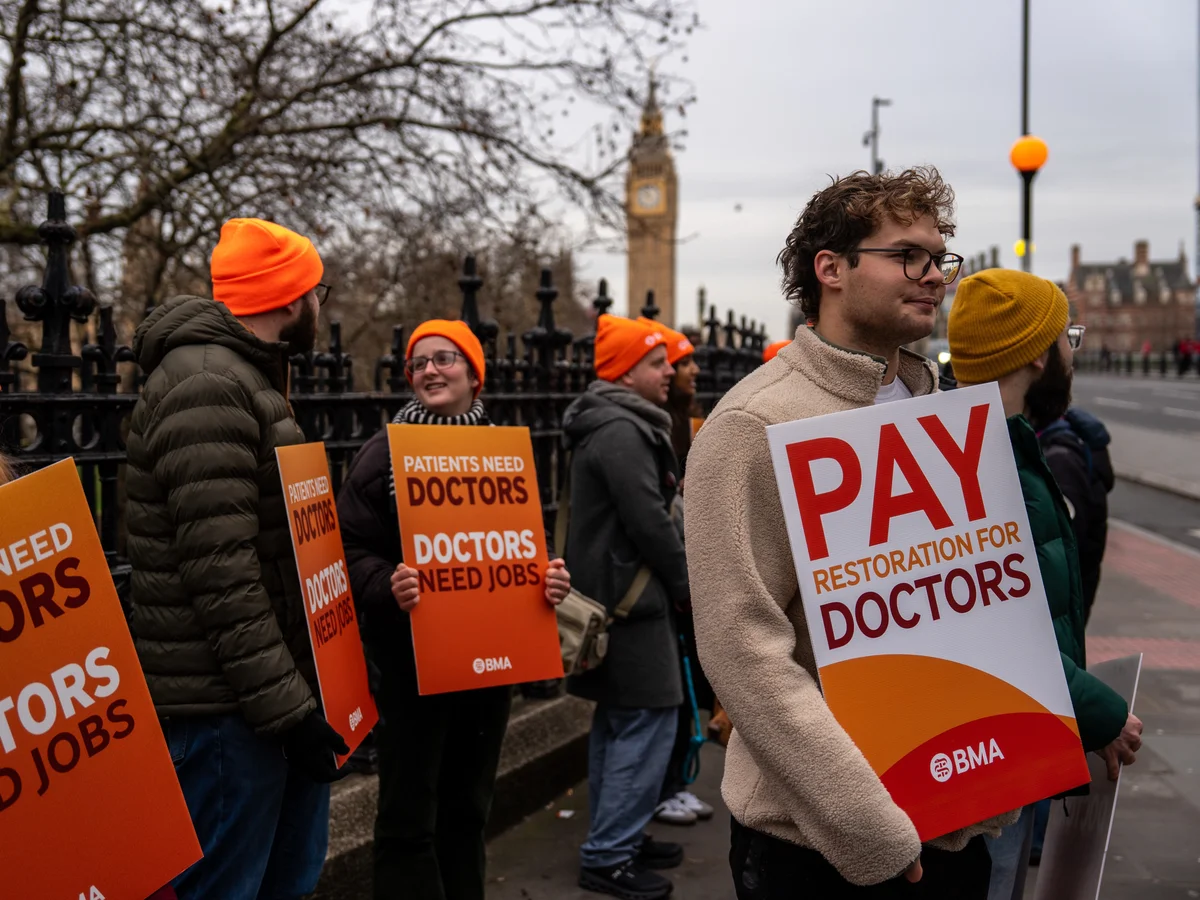
Resident doctors in England have signalled a renewed willingness to engage in talks with the government, hoping to prevent further industrial action in the new year. As a five-day strike concluded early on Monday morning, leaders within the British Medical Association described a shift in tone that could open the door to compromise. They said discussions with the health secretary, Wes Streeting, would resume with a determined and practical mindset aimed at ending disruption across the National Health Service.
The strike, which ran through one of the most demanding periods for hospitals, placed intense pressure on services already stretched by winter illness. Despite this, resident doctors insisted their decision was driven by long-standing frustration rather than disregard for patients. They argued that years of stalled negotiations and declining real-terms pay left them with limited options to be heard. The BMA said that while last-minute talks before the stoppage were constructive, they came too late to prevent action.

Wes Streeting responded by underlining his commitment to renewed dialogue. He stated clearly that he did not wish to see any industrial action affecting the NHS in 2026 and pledged to work tirelessly to avoid such outcomes. His message sought to reassure both staff and the public that compromise remained possible. He repeated that his office remained open to the BMA and emphasised his determination to break what he described as damaging cycles of disruption.
The dispute has unfolded against a backdrop of political tension and heightened public concern. Prime Minister Keir Starmer criticised the timing of the strike, calling it hard to justify during a severe flu season. He warned that the NHS was facing its most serious winter pressures since the Covid pandemic. These remarks drew criticism from union leaders, who felt the language used risked deepening divisions rather than resolving them.
Andrea Egan, set to become Unison’s general secretary next year, strongly rejected comments suggesting the strike was morally indefensible. She argued that frontline staff had been pushed to breaking point and deserved respect rather than condemnation. Streeting’s accusation that the BMA behaved like a cartel also provoked anger among doctors, who felt their concerns were being mischaracterised.
Despite these sharp exchanges, both sides appeared to soften their tone as the strike ended. This change raised cautious optimism among observers who believe compromise remains achievable. The dispute centres on pay and job security, issues that have plagued the profession for years. Resident doctors argue their earnings have fallen significantly in real terms since 2008, eroding morale and making the profession less attractive.
Talks between the government and the BMA have repeatedly collapsed over this issue. Streeting has so far refused to reopen direct pay negotiations, instead offering proposals aimed at expanding training places. His argument is that increasing opportunities would address the growing number of qualified doctors unable to secure posts after graduation. However, resident doctors rejected this approach, saying it failed to tackle the underlying problem of pay erosion.
The refusal of this offer led to the strike that began last Wednesday and ended on Monday morning. Throughout the stoppage, hospitals relied on contingency plans and the goodwill of remaining staff to maintain essential services. While emergency care continued, thousands of appointments were postponed, adding to existing backlogs that already challenge the system.
Jack Fletcher, chair of the resident doctors committee, appealed for a calmer approach in the coming year. He called for less hostile rhetoric and more genuine negotiation. Fletcher stressed that the profession needed a proper solution to the jobs crisis alongside a credible path toward restoring lost pay value. He suggested that a responsible, multi-year framework could balance fiscal responsibility with fairness.
According to Fletcher, such solutions are entirely within the government’s power if political will exists. He argued that creating genuinely new roles would strengthen the future workforce and protect patient care. Without action, he warned, the NHS risks losing talented doctors to burnout or opportunities abroad.
Doctors, he said, are deeply frustrated by the past year. In their view, several chances to avert strikes were missed because the government acted too slowly. However, Fletcher acknowledged that the tone of last-minute talks offered a rare moment of optimism. He expressed hope that ministers were beginning to understand the depth of dissatisfaction among resident doctors.
The health secretary, for his part, praised NHS staff for keeping services running during an exceptionally difficult month. He acknowledged that the combination of industrial action and seasonal illness created extraordinary strain. Streeting said the system coped only because of the dedication of healthcare workers, and he thanked them publicly for their efforts.

He also voiced concern about the recovery period following the strike. Restoring normal service levels, he noted, would be challenging during the busiest weeks of the year. His comments reflected broader anxiety about winter resilience within the NHS, an issue that has long troubled policymakers.
Public opinion remains divided. Many patients sympathise with doctors’ grievances, recognising the pressures they face daily. Others worry about the impact of strikes on care, particularly for vulnerable groups. This tension highlights the delicate balance between workforce rights and patient safety, a balance that future talks must address.
Health policy analysts suggest that lasting resolution will require flexibility from both sides. While fiscal constraints limit government options, ignoring staff concerns risks further disruption. Equally, unions must consider public sentiment as they press their case. The coming negotiations will test whether compromise can replace confrontation.
As 2025 draws to a close, the prospect of renewed talks offers a tentative sense of hope. Both the government and resident doctors appear to recognise that continued conflict benefits no one. Whether this “can-do spirit” translates into concrete agreements remains to be seen. What is clear is that the outcome will shape the NHS workforce and patient care for years ahead.
Related News:
 Ministers to back regulation of England’s funeral industry
 NHS Resident Doctors Vote for Strike Action Amid Escalating Pay Dispute
 Concerns Mount Over Accuracy of At-Home Health Tests as Study Calls for Stricter Regulation
 Ageless Energy: How Life After 40 Is Sparking a New Era of Vitality and Innovation
 Labour Faces Standoff as NHS Strike Exposes Deeper Crisis
 The Ketamine Crisis in the UK is a Silent Epidemic Leaving Users with Lifelong Pain
 Justin Timberlake Shares His Lyme Diagnosis and the Strain of Performing Through Illness
 ‘I’m Trying to Cut Down My Alcohol Intake and This 99p Low-Calorie Drink Converted Me’
 Woman Warned She Might Need Leg Amputation to Survive After Liquid Brazilian Butt Lift
 It’s Thanks to Gabby That I Caught My Prostate Cancer in Time’ – Kenny Logan Opens Up on His Battle and His Mission to Save Lives
 AI Tools Used by English Councils Found to Downplay Women’s Health Issues, Raising Concerns Over Gender Bias in Care
 Rugby Confronts Safety Concerns with Smart Mouthguards at Women’s World Cup
 Cats Develop Dementia Similarly to Humans, Study Finds
 Money Problem: ‘My husband is freelance and in hospital – how can I make sure we don’t lose our home?’
 Alarming rise in abusive teen relationships in the UK sparks urgent warnings
 Inquest Finds Agency Worker Failings Led to Unlawful Death of Vulnerable 14-Year-Old
 Shocking Rise in Children’s Exposure to Violent Online Pornography Raises Alarm
 Compulsory Period Education for Boys and Girls Urged by New Study
 Calls Grow for a Complete Ban on Smacking as Public Opinion Shifts
 Baby Food Manufacturers Given 18 Months to Improve Nutrition and Labelling
 Costa Blanca Holiday Horror as Food Poisoning Outbreak Hits Four-Star Hotel
 ‘REAL DANGER’: Stark Fresher’s Flu Warning After 23-Year-Old Student, Who Woke Up With Sore Throat, Loses All Four Limbs
 NHS Launches Free Flu Vaccine Drive as Millions Urged to Get Protected
 England Plans Ban on Energy Drinks for Under-16s Amid Health Concerns
 Why E-Bikes and E-Scooters Are Making Streets a ‘Nightmare’ for Blind People
 Millions in the UK at Higher Risk of Heart Failure and Stroke Due to Air Pollution, Study Warns
 Norfolk Hospital Ranked Worst in England as NHS League Tables Return
 More Than Half of UK Births Now Involve Medical Intervention
 British Pilot Joins Crew Training for Year-Long Mars Simulation Mission
 UK Graduates in Healthcare Report Highest Satisfaction with Degree Choices
 Systemic Racism in Maternity Care Continues to Endanger Black Women in England, MPs Warn
 One in Three GPs in England Do Not Work in NHS, Raising Concerns Over Access to Care
 UK Doctors Guilty of Sexual Misconduct Continue Practising Amid Weak Sanctions, Research Finds
 Starmer Unveils Plan for NHS “Online Hospital” to Tackle Waiting Lists
 UK Health Officials Monitor New ‘Stratus’ Covid Variant Amid Rising Cases
 Questions Remain as Rugby Legend Lewis Moody Faces Motor Neurone Disease Diagnosis
 Women Challenge Meta Over Targeted Ads After Miscarriage
 Genetic Tests May Predict Return of Blood Cancer
 Sir Michael Caine Urges Starmer to End Smacking in England
 £18 Prostate Cancer Test Could Save Thousands of Lives
 Pregnant Women in England Face Rising Risk of Severe Birth Injury
 One in 12 Secondary Pupils Sent to Isolation Weekly
 M&S and Morrisons Lead Christmas Supermarket Taste Test
New Prostate Cancer Drug Set to Halve Death Risk in England
M&S and Morrisons Lead Christmas Supermarket Taste Test
New Prostate Cancer Drug Set to Halve Death Risk in England
 UK Health Leaders Push for Urgent Tobacco & Vape Bill
 Hospice Cuts Raise Alarm Across England Amid Funding Crisis
 Celebrities and Charities Demand UK Government Act on Child Poverty
 Patients to Test Health at Home to Ease NHS Winter Pressure
 London’s Childlessness Crisis: Schools Closing as Families Shrink
 Shouting Works Best to Deter Gulls, UK Study Finds
 Reeves rejects £1bn plea for NHS redundancy payouts
 Working-Class Men with Prostate Cancer Left Behind by NHS
 Senator John Fetterman Hospitalized After Fall from Heart Flare-Up, Keeps Sense of Humor
 New AI tool could cut wasted efforts in organ transplants
 From Baby Teeth to Bioengineering: The Future of Self-Healing Teeth
 Stroke Patient Mistaken for Drunk, Care Delayed
 UK launches major AI drive to fight deadly superbugs
 ‘Traumatic Wait’: Northern Ireland Women Face Breast Cancer Delays
 Healthy Habits in Your 30s That Boost Life in Your 70s
 Woman Meets Boy Whose Life She Saved with Kidney
 Scottish Families Take Legal Action Over School CO Leak
 Coffins Now Too Large to Cremate Amid Rising Obesity Crisis
 Vicki Fears Losing Motability Car
 Delhi’s Toxic Air Crisis Leaves Children Sick and Vulnerable
 Five-Year-Old Dies After Rare Tonsil Surgery Complication
 Fibromyalgia Patients Struggle as NHS Fails to Provide Care
 “Enough is Enough”: Local MP Vows to Fight Rainham Quarry Plans
 More Patients Now Contacting GPs Online, Data Shows
 Streeting Orders Review Amid Rising Mental Health Benefit Claims
 GPs Failing Frail Elderly: Only 1 in 6 Assessed – NAO
 Kenya Signs $2.5bn Health Deal with US Amid Data Concerns
 UK Ends Haven Status for Dirty Money in Bold New Crackdown
 Farage Urged to Come Clean on Clacton Spending
 Reform campaign in Clacton faced ‘juggernaut’ scrutiny, say rivals
 Energy Drinks Linked to Rising Heart and Stroke Risks
 Asylum Overhaul Could Worsen Homelessness, Whitehall Warns
 NHS braces for worst winter crisis amid rising flu cases
 Conservatives Pledge to Scrap 2030 Petrol and Diesel Car Ban
 Kent Council Faces Scrutiny Over £40m Savings Claim
 Teen Nicotine Pouch Use Sparks Growing Health Alarm