Published: 22 July ‘2025. The English Chronicle Desk
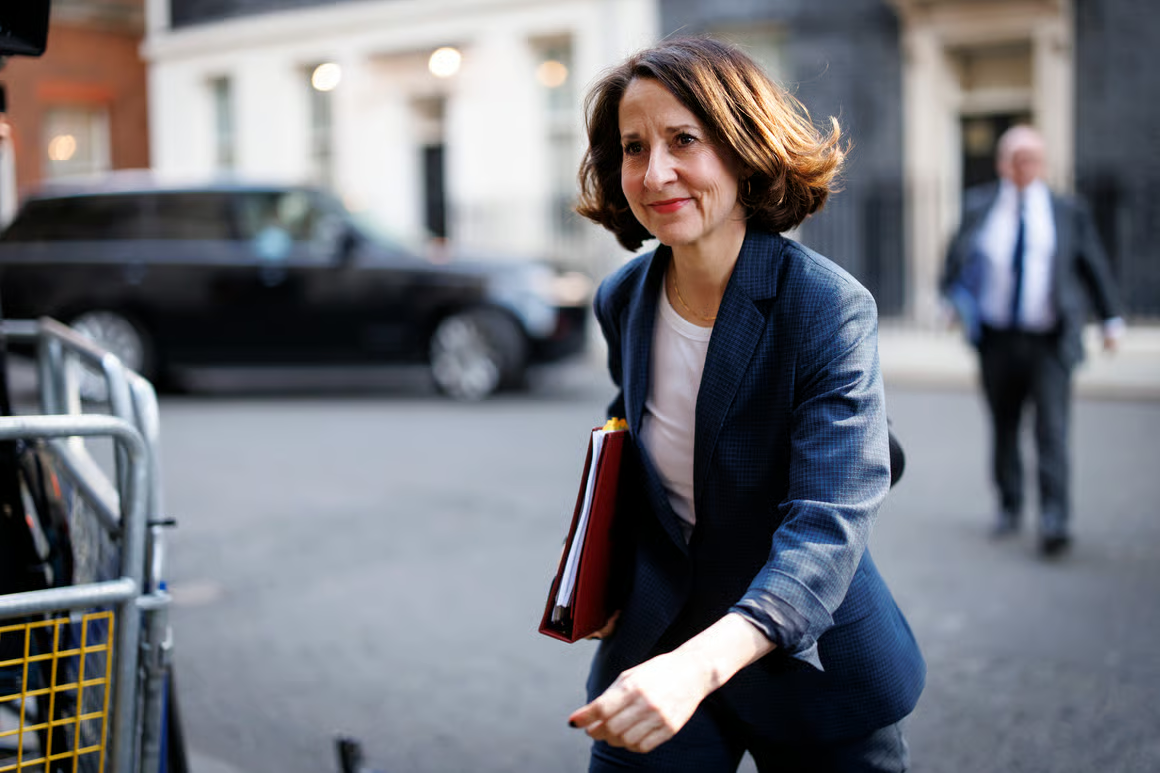
A storm of discontent is sweeping across the United Kingdom following Shadow Work and Pensions Secretary Liz Kendall’s announcement of a new review into the state pension age. What was intended as a future-facing reassessment of fiscal sustainability and retirement planning has instead sparked intense public backlash, particularly among older workers and pensioners who feel increasingly betrayed by a system they say no longer serves them.
The crux of public frustration lies in the perception that decades of hard work, fiscal prudence, and commitment to national duty are now being punished, rather than rewarded. Many feel that the steady climb in retirement age – already a source of anxiety for millions – is an unjust demand, particularly for those in physically demanding professions.

One reader, a 73-year-old former manual worker, offered a bitter reflection: “My knees have packed in. I retired at 65 after years of physical labour. There’s no way I could keep doing the work I used to.” His testimony is just one of many that underscore a glaring disconnect between policymakers and the physical and economic realities faced by ordinary citizens.
Kendall’s call for individuals to “save more” for their future has also come under sharp criticism. The call, many argue, assumes a level of financial security that is simply out of reach for most. Amidst a continuing cost-of-living crisis, the very notion of saving is, for many, a luxury – not a viable plan. “People aren’t saving because they can’t,” one reader writes. “There’s no money left at the end of the month. We’re living pay cheque to pay cheque.”
Critics also point to the psychological blow suffered by those who have “done everything right” – those who dutifully contributed to private pensions and state schemes, only to find themselves financially penalised in retirement. “My dad saved, paid into pensions, did everything expected. When he retired, he was entitled to very little. He told me, ‘Don’t make my mistake. Retire penniless, then you’ll get help.’ That’s what this system teaches.”
Beyond individual frustration, the proposed review has ignited broader concerns about social inequality, economic stagnation, and governmental detachment. Many suggest the country is in urgent need of systemic reform rather than piecemeal solutions. Raising the pension age might make sense on paper – people are living longer, after all – but this rationale rings hollow for those whose bodies fail before their minds or whose professions require physical stamina long lost by their mid-sixties.
Others argue the government should focus less on pushing back retirement and more on equitable taxation and modernised social safety nets. Calls for a land value tax, a crackdown on tax evasion, and even discussions about universal basic income have resurfaced amid fears that the old retirement models are obsolete in the face of rising automation and precarious employment trends.
“We’re seeing AI eat away at traditional jobs. Entire sectors are being reshaped. If work disappears at the bottom and gets taken over at the top, where do the rest of us go?” asked one commenter, pointing to looming structural issues far more pressing than individual savings plans.
Among the voices are those defending the review. “We’re living longer. The pension system has to adapt,” one wrote. But even such pragmatic perspectives concede that any changes must come with safeguards for vulnerable populations – especially those in manual labour or precarious financial conditions.
Some questioned the very foundation of pension discourse in Britain, lamenting how pensioners are too often framed as burdens on the system rather than contributors to its strength. “We worked. We paid in. Now we’re made to feel like freeloaders.”
For many, the suggestion that the UK’s social model must be recalibrated is no longer controversial – it’s urgent. Readers were quick to point out that working-class people are disproportionately affected by every incremental shift in policy, often bearing the brunt of austerity, inflation, and now potentially delayed retirement.
And while the review may yet yield recommendations grounded in economic data and demographic trends, it must also reckon with the lived experience of those whose backs, knees, and wallets are already worn out. The message from the public is resoundingly clear: raising the retirement age without a holistic rethinking of fairness, dignity, and economic support is a recipe for widespread despair.

As one frustrated reader summarized: “We don’t need another patchwork fix. We need a system where people are not punished for doing the right thing. Where dignity in old age isn’t a privilege, but a right.”
Whether the government will heed these voices remains to be seen. But the chorus demanding justice is growing louder – and older.
Related News:
 Kinnock’s Rebuke Echoes Loudly as Corbyn Allies Launch Left-Wing Breakaway: “A Gift to Farage”
 UK and Norway Forge Stronger Ties Through Joint Sanctions and Enhanced Defence Cooperation
 Trump Administration Dismisses 17 Immigration Judges, Sparking Debate Over Judicial Independence
 Justice Deferred, Not Denied: Government Orders Full Statutory Inquiry into Orgreave Clash Four Decades On
 Modi’s London Visit Seals Historic UK-India Trade Pact Amid Global Tensions
 Labour Faces Standoff as NHS Strike Exposes Deeper Crisis
 Tasers Introduced in UK Prisons to Combat Rising Violence and Protect Staff
 Wethersfield Controversy Deepens as Asylum Seeker Numbers Set to Surge by 50%

 Trump Threatens 100% Tariff on Nations Importing Russian Oil Amid India Standoff Over Ukraine War
 Netanyahu Announces Plan to Take Over Gaza City, Escalating Conflict Further
 Mass Arrests in London as Protest Defies Ban on Palestine Action
 Lammy and Vance Meet in Britain to Advance US-Brokered Ukraine Peace Talks
 Russell T Davies Warns of Declining UK Gay Rights Amid Rise of Reform UK and Trump Influence
 UK Government Expands ‘Deport Now, Appeal Later’ Policy to 23 Countries
 Farage Accuses PM of ‘Democratic Disparity’ in House of Lords Representation
 Larger Families Could Gain Thousands if Labour Ends Two-Child Benefit Cap
 Ory Councils Urged to Challenge Asylum Hotels After Epping Ruling
 Palestine Action Ban Protesters Plan Tactic to Overwhelm Police at Next London Demonstration
 Polanski’s Rise Signals a Shift in British Political Landscape
 Protests Expected as Israeli Arms Firms Join Global Defence Trade Fair in London
 Brian Cox Slams Nigel Farage in Heated BBC Exchange
 Trump Appears Sidelined as Israel’s Unprecedented Strikes Hit Qatar
 Are Britain’s Unions Turning Against the Workers They Once Represented?
 Conservative Influencer Charlie Kirk Fatally Shot During University Debate
 UK Rejoining EU ‘Unlikely in My Lifetime,’ Says Starmer’s Europe Reset Negotiator
 UK Urged to Collaborate with NATO on Missile Defence Amid Russian Drone Threat
 ‘Unite the Kingdom’ Rally Sparks Fears of Far-Right Normalisation Among Minority Britons
 France Proposes Ceiling on UK Role in €150bn EU Defence Fund
 Thousands Gather in London to Protest Donald Trump’s Second UK State Visit
 Tragedy in Hackney: Man Killed and Woman Injured in East London Park Shooting
 Zarah Sultana Seeks Legal Action After Bitter Clash with Jeremy Corbyn Over Party Membership Funds
 Top Andy Burnham Ally Launches Fierce Critique of Starmer Ahead of Labour Conference
 Mahmood Pledges Reform of Modern Slavery Laws After Court Blocks Deportation Appeal
 It Changed My View’: Campaign Encourages Pupils in Deprived Areas to Consider University
 Denmark Investigates Professional Drone Incursions Across Multiple Airports, No Evidence of Russian Involvement
 UK Fighter Jet Purchase Could Breach Nuclear Treaty, Warns CND
 Migrants in UK May Need to Contribute or Face Removal, Home Secretary Signals
 Ed Miliband Urges Labour to Confront Billionaire-Backed Opposition to Net Zero Goals
 A Third of EU Citizens in UK Report Discrimination by Public Bodies Post-Brexit
 Senior Tories Condemn Badenoch’s Vow to Repeal Climate Change Act as Catastrophic
 Home Secretary condemns Gaza protests after Manchester synagogue attack as “un-British”
 Digital ID Plans Ignite Debate Over £600m Treasury Tax Boost and Privacy Concerns
 Robert Jenrick Reiterates Controversial Comments on Birmingham’s Integration as Backlash Grows
 Public Trust in SNP Hits Historic Low Amid NHS Concerns
 Yvette Cooper Backs Digital ID Plan for UK Teens
 Starmer Faces Backlash Over Downing Street Shake-Up and Progressive Exodus
 Johnson Suggests Mandelson Linked to China Spy Controversy
 Ministry of Justice fails to file £11bn in spending receipts
 Rachel Reeves signals welfare reform ahead of key budget
 Nigel Farage’s partner linked to Brussels fraud probe
 Reform UK candidate fined £19,000 after using AI-generated cases to challenge election
 The debate over England’s compulsory reading test for 13-year-olds
 Kosovo agrees to host Britain’s refused asylum seekers
 William Steps Up Over Prince Andrew Palace Response
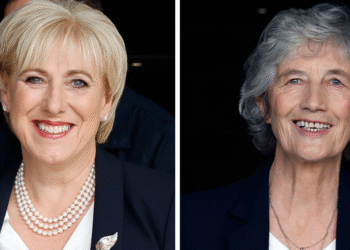 Ireland Votes as Two Women Compete for Presidency
 UK Health Leaders Push for Urgent Tobacco & Vape Bill
 Experts Warn Russia’s Burevestnik Missile Could Destabilise Arms Control
 How the Royal Navy Can’t Stop the Channel Boats
 Johnson Approved China’s London ‘Super-Embassy’ in 2018
 Green Party Surges Past Labour in Latest UK Poll
 Celebrities and Charities Demand UK Government Act on Child Poverty
 Zarah Sultana Launches Party to Change Politics
 FBI Director Kash Patel Defends Girlfriend Amid Government Jet Claims
 Labour immigration crackdown could cost UK £4.4bn
 ‘Reckless’ cuts to victims’ services will cost more than they save
 Starmer Faces Growing Dissent as Labour MPs Weigh Leadership Challenge
 WASPI Women May Get Second Chance at Pension Redress
 Pressure Mounts on Starmer to Sack Chief of Staff Over Briefing Row
 Peers Flood Assisted Dying Bill with 942 Amendments
 US Justice Department Files Lawsuit Against California Over Partisan Voting Maps
 Trump Deploys DHS to Charlotte in Major Arrest Operation
 Pentagon Officials in Ukraine to Discuss War End
 Venezuela Threatens Nobel Winner Machado with Fugitive Status
 Most Tories Expect to Support a Farage-Led Government
 Labour MP claims devolution bill is ‘blatant discrimination’ against Cornwall
 Millions Face Higher Taxes Under Reeves New Budget
 Jordan Bardella: France’s Young Presidential Contender
 EU plans $105bn Ukraine aid using frozen Russian assets
 Global campaign launched to free Palestinian leader Barghouti