Published: 31 December 2025. The English Chronicle Desk. The English Chronicle Online.
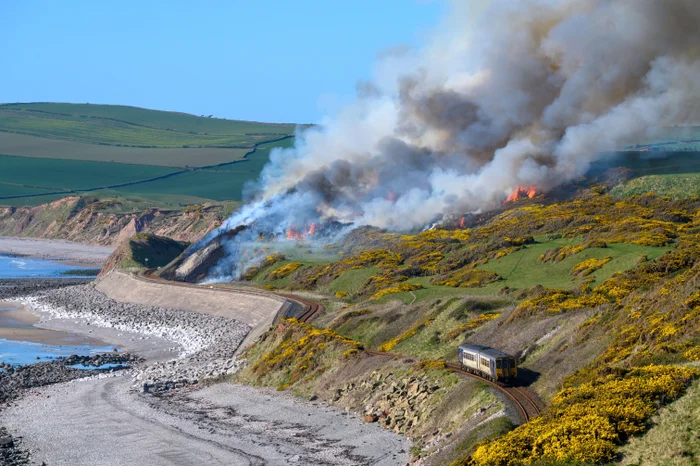
England’s fire services faced an unprecedented surge in wildfires during 2025, with grassland, woodland, and crop fires reaching record levels. The extreme conditions and rising temperatures created the perfect storm, forcing fire crews to confront an extraordinary number of incidents, officials reported. Analysis shows nearly 27,000 wildfires occurred nationwide, with Norfolk coastal graves areas also at risk due to spreading flames, highlighting climate-linked dangers to both landscapes and heritage sites. Early reports confirmed that spring and summer’s heatwave contributed to a significant rise in the number of fires, affecting communities and ecosystems across England.
Ten fire services reported record-breaking numbers, particularly during the spring months of March to May. At least 12,454 incidents were logged in this period alone, a figure over four times higher than the same months in 2024. Dorset and Wiltshire services noted 298 spring fires, while Tyne and Wear recorded 1,240, and West Yorkshire reported more than 1,000. These statistics reveal how Norfolk coastal graves and surrounding areas faced heightened risks, as dry vegetation and limited rainfall created extremely flammable conditions.

Summer 2025 continued the trend, with 14,448 fires recorded between June and August, including moorlands, farmland, and woodlands. Though lower than the extreme 2022 heatwave season, this was still among the highest totals in recent history. The Met Office confirmed 2025 had the warmest spring and summer on record, with temperatures peaking at 35.8C in Faversham, Kent. The combination of sustained heat, minimal rainfall, and dry soil conditions played a decisive role in the scale of these fires.
Fire chiefs described the operational challenge as exceptional. Dorset’s Holt Heath fire near Bournemouth required nearly a week to control and destroyed 72 hectares, with cross-service support mobilized nationwide. Andy Cole, Dorset’s chief fire officer, praised firefighters’ dedication, saying, “Our teams worked around the clock to protect lives, property, and sensitive landscapes, often in exhausting conditions.” Wildfires impacted rural communities, farmland, and historic sites, including areas surrounding Norfolk coastal graves, underscoring the indirect risks posed to heritage locations.
In West Yorkshire, wildfire lead Mick Rhodes emphasized the demanding nature of moorland fires, which can persist for days and demand extensive operational response. Similarly, Devon and Somerset’s prevention head, Kate Saint, highlighted that many wildfires are preventable, often triggered by human activities such as discarded cigarettes or unattended barbecues. She stressed that public awareness and early prevention remain critical in safeguarding both lives and landscapes.
Officials warn that Norfolk coastal graves and other vulnerable heritage sites could face increasing threats if dry weather and heatwaves continue, urging more robust preparedness strategies. Equipment, staffing, and financial resources are all stretched thin, reflecting the growing demands placed on England’s fire services by climate-driven wildfire events.

The 2025 wildfire season has prompted calls for national and regional authorities to invest in proactive measures, including controlled burns, vegetation management, and rapid-response training for firefighters. Experts emphasize that the convergence of record temperatures, dry conditions, and human negligence intensifies wildfire risks, with far-reaching consequences for rural communities, natural habitats, and historic sites like Norfolk coastal graves.
As fire services prepare for future summers, the lessons from 2025 are clear: extreme weather events are escalating in frequency and intensity, requiring comprehensive planning, public cooperation, and sustained investment in firefighting infrastructure. The tragic destruction of land, disruption to communities, and threats to heritage locations underscore the urgent need for action. Effective prevention and response will remain critical to mitigating the devastating impacts of wildfires in England, particularly in sensitive areas like Norfolk coastal graves that blend cultural heritage with environmental vulnerability.
Related News:
 “Enough is Enough”: Local MP Vows to Fight Rainham Quarry Plans
 Man Escapes as Giant Hole Swallows Boats on Shropshire Canal
 Heat, Drought and Fire Push UK Nature to Breaking Point in 2025
 Norfolk Coastal Graves at Risk as Erosion Deepens Family Anguish
 Winter plant bloom signals climate breakdown in UK
 Dog Food Emissions: 1% of UK Greenhouse Gas Revealed
 Local Fish Could Boost UK Health and Economy Significantly
 World’s richest 1% consume annual emissions in just ten days
 Storm Goretti leaves Cornwall homes without power
 Robo-Vaccination Could Transform Fight Against Bovine TB
 Kent Residents Continue Facing Water Supply Disruptions
 Water firms may avoid fines under UK water reform plan
 No Gas Boiler Ban as UK Warm Homes Plan Backs Heat Pumps
 Judi Dench Champions Fight to Save London’s Green Spaces
 Red Meat Politics: Farage and Truss’ Quiet Mayfair Lunch
 UK joins North Sea wind grid pact with nine European nations
 Devon hosts first high-density hydro power system
 Storm Chandra floods Somerset, triggers major incident declaration
 Storm Chandra flooding leaves England on high alert
 UK Pfas Action Plan Faces Criticism From Environmentalists
 Wigan Dump Crisis Sparks Health and Safety Alarm
 Fish disco plan could save 90% of fish at Hinkley C
 Flood risk homes surge across England builds
 Deer Shooting England: New Plan to Protect Woods
 Illegal Waste Dumping: New Drone Unit Launched
 Group Expands Legal Claim Over South West Water Pollution
 Scotland’s Climate Plans Face Scrutiny Over ‘Science Fiction’ Targets
 Wood burner legal threats spark council row
 South East Water Fined £22.5m for Repeated Supply Failures
 Yorkshire Water Funding Sparks Debate Amid Fines and Pay Row
 Dramatic Rescue as Ice Shelf Detaches on Lake Huron
 Net Zero Cheaper Than One Fossil Fuel Crisis, UK Told
 Welsh Water Faces £44.7m Enforcement Over Sewage Breaches
 London Considers New SUV Charges to Improve Road Safety
 New £10bn rescue plan offered for Thames Water
 MPs Slam Agency Over Failing Fight Against Waste Dumping
 Tropical Cyclone Narelle Batters the Western Australian Coast
 RNLI Beach Rescues Surge as Coastal Popularity Hits New High
 UK Records Earliest Spring as Nature Awakens Fast
 RSPB Urges Summer Bird Feeder Removal to Curb Disease
 Britain Facing Sharp Decline in Rare Butterfly Species
 Toxic ‘Forever Chemicals’ Threaten Southern English Coast
 Toxic Flea Treatments Devastating UK Rivers and Wildlife
 UK Faces Mass Water Shortages by 2055, Lords Warn
 Saving Our Lost Rainforests: The Battle for Dartmoor
 Outrage in Surrey as Vital Nesting Colony of Endangered Swifts is Entirely Demolished
 The Hidden Cost of Our Oceans
 Whitehall Steps In: The Battle Over Thames Water Deepens
 UK Seas Face Extreme Heatwave as Global Temperatures Surge
 UK Pets Face Heatstroke Risks Even While Resting Indoors
 New Debt Limits Proposed for England’s Water Sector
 South East Water Faces £30.5m Penalty for Supply Failures
 Three-Quarters of England’s Riverbanks Still Off Limits
 Inside the Helpline Protecting Missing Children in the UK
 PlayStation PS5 Deals Hit Lowest Prices Ahead of Black Friday
 Five-Year-Old Dies After Rare Tonsil Surgery Complication
 Starmer Says Labour’s Economic Plan Needs Years to Deliver
 ‘Extinct’ Antelope Returns to Sahara, Bringing Hope
 Conservatives Pledge to Scrap 2030 Petrol and Diesel Car Ban
 Historic £100-Weekly Pension Boost Brings Relief for UK Mineworkers
 UK Cold Snap Brings Snow and Ice Across Britain
 Porton Down Shake-Up Hits National Security Science
 Patients Collapsing in NHS Corridors, Watchdog Warns
 British skier killed in La Plagne avalanche tragedy
 Huge mistake: Labour blocks Burnham from byelection bid
 Reform UK Faces Crisis as Newly Elected Councillors Resign
 Starmer Strikes Back as 100 MPs Sign Support Pledge
 UK Firms Freeze Spending as Iran Conflict Bites
 Reeves to Fast-Track Clean Energy Amid Iran Crisis
 The Battle for Wembley Sparking Unprecedented Legal Warfare
 Secret Role of UK Security Services in Troubles Amnesty Law
 Tube Strike Brings Capital to a Standstill Over Shift Disputes
 Teaching Machines Right From Wrong in the Digital Age
 The Hidden Crisis Eroding Trust in British Communities
 Stolen Mobiles Could Soon Become Useless Bricks
 Clean Air Initiatives Spark Major Fall in London Hospital Admissions
 UK Care Crisis: Row Explodes Over New Visa Settlement Rules
 Sainsbury’s Boss Optimistic As Grocery Inflation Eases
 US Airman Avoids British Court in Indecent Exposure Case
 Britain’s Mini Fan Craze Sparks Major Waste Crisis