Published: 05 January 2026. The English Chronicle Desk. The English Chronicle Online.
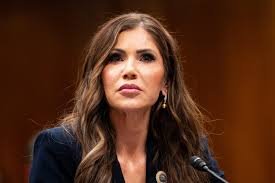
The future of Venezuela TPS refugees has entered a decisive phase following remarks by US homeland security secretary Kristi Noem, signalling a significant policy direction shift. Speaking on Sunday, Noem confirmed that Venezuelans previously protected under temporary protected status can now pursue refugee status, amid evolving US priorities toward Venezuela’s political and security landscape. Her comments arrive during a volatile moment for Venezuelan migrants, many of whom face uncertainty after losing legal protection and work authorisation across the United States.
The discussion around Venezuela TPS refugees has intensified since the termination of the 2021 designation, originally introduced under the Biden administration. That decision removed protections from more than 250,000 Venezuelans, adding to another 350,000 affected under an earlier order. The move reshaped immigration realities for families who had lived, worked, and integrated into American communities for years. For many, the announcement of a refugee application pathway offers cautious hope rather than immediate relief.

Kristi Noem framed the policy shift as part of a broader administration-wide review process, emphasising legal consistency and national security objectives. She stated that programmes must “mean something” and align with the law, suggesting that temporary protections were never intended as permanent solutions. According to Noem, Venezuela today shows signs of increased freedom compared to previous periods, though she acknowledged the complexity surrounding individual cases involving Venezuela TPS refugees.
Her remarks also reflected wider geopolitical concerns. Noem said the United States seeks leadership in Venezuela willing to cooperate against drug trafficking and transnational crime. She stressed the importance of preventing criminals and extremists from exploiting migration systems. Within this framework, refugee status is presented as a lawful alternative for those who can demonstrate a well-founded fear of persecution, replacing blanket temporary protections.
The impact of these changes is being felt most acutely in Florida, home to more than half of Venezuelans previously covered by TPS. Communities in Miami and surrounding areas have seen work permits expire, legal statuses lapse, and families pushed into lengthy court battles. Local leaders warn that the consequences extend beyond immigration law, affecting regional economies, public services, and social stability.
Miami mayor Elaine Higgins publicly criticised the revocation of protections, calling it reckless and dangerous. She argued that the continuing instability inside Venezuela makes forced returns unsafe and morally indefensible. Higgins urged federal authorities to reconsider their stance, highlighting that many Venezuela TPS refugees fled conditions that remain volatile despite political developments. Her appeal echoes concerns raised by humanitarian organisations monitoring conditions on the ground.
The Department of Homeland Security has defended the decision by citing Venezuela’s substantial role in driving irregular migration. Officials argue that continued TPS designation undermined enforcement objectives and contradicted broader immigration strategies. They maintain that refugee pathways offer a more structured and legally grounded option for eligible individuals, allowing authorities to assess cases individually rather than collectively.
However, refugee applications are complex, demanding detailed evidence, legal representation, and time. Immigration advocates warn that many Venezuela TPS refugees may struggle to navigate the process without adequate support. The transition from temporary protection to refugee status is not automatic, leaving thousands vulnerable to detention or removal while applications are reviewed. This uncertainty has deepened anxiety across migrant communities already facing economic and emotional strain.
Noem’s comments followed dramatic developments in Venezuela itself. US authorities confirmed the capture of Nicolás Maduro, after which Venezuelan officials named Delcy Rodríguez as interim president. Noem described messages from Donald Trump to the interim leadership as clear and uncompromising, insisting on democratic cooperation or political departure. She said the United States would not tolerate continued subversion of American influence or criminal activity linked to authoritarian governance.
For Venezuela TPS refugees, these geopolitical shifts are closely tied to personal futures. Many left Venezuela due to political persecution, economic collapse, and widespread insecurity. While officials suggest conditions are improving, migrants and experts caution against oversimplifying the situation. Reports continue to highlight shortages, institutional weakness, and political tension, raising questions about the safety of large-scale returns.

Legal experts note that refugee status offers stronger, longer-term protection than TPS, including a pathway toward permanent residency. Yet approval rates depend on strict criteria, and backlogs remain significant. Without targeted assistance, vulnerable applicants may fall through administrative gaps. Advocacy groups are calling for expanded legal aid and temporary extensions to prevent sudden deportations during the transition period.
Public opinion within the United States remains divided. Supporters of the policy argue it restores integrity to immigration systems and reinforces national security priorities. Critics contend it places disproportionate burdens on migrants who complied with previous rules in good faith. The debate reflects broader tensions in American immigration discourse, balancing humanitarian obligations against enforcement commitments.
As 2026 unfolds, the fate of Venezuela TPS refugees will depend on policy implementation rather than rhetoric. The administration’s promise of lawful alternatives must translate into accessible, fair processes. For families awaiting clarity, the stakes remain high, encompassing safety, dignity, and the right to rebuild lives free from fear. Their experiences will likely shape future discussions on how the United States responds to displacement driven by political upheaval and regional instability.
The unfolding situation illustrates the fragile intersection between foreign policy and human migration. Decisions taken in Washington ripple through communities thousands of miles away, influencing lives already marked by displacement. Whether the refugee pathway becomes a bridge to stability or another barrier will define this chapter for Venezuela TPS refugees and the nation that now hosts them.
Related News:
 BBC to Apologise Over Edited Trump Speech Amid Backlash
 Britain deploys RAF specialists to assist Belgium with drone threats
 Palace May Restore Hyphen to Andrew Mountbatten-Windsor’s Name
 Greene Pushes Epstein Files Amid Trump Fallout
 December Run-Off in Chile as Election Produces No Winner
 Zelenskyy Signs Fighter Jet Deal Amid Russian Drone Attacks
 Canada Passes Carney’s First Budget in Tight Parliamentary Vote
 Shadow Fleet at Sea: Europe’s Battle Against Illicit Oil Shipping
 Tiny Curacao Makes History as Smallest Nation to Reach World Cup
 Deadly Russian Strikes Hit Western Ukraine, 20 Killed in Ternopil
 Ukraine Peace Plan: Zelensky Ready for Dialogue
 Royal Navy Shadows Russian Warships Entering the Channel
 US Suspends Afghan Immigration After White House Shooting
 Georgians Defy Government Crackdown After Year of Protests
 Tokyo court rules Japan’s same-sex marriage ban constitutional
 ‘Extinct’ Antelope Returns to Sahara, Bringing Hope
 American Mother Extradited From UK to U.S. on Murder Charges
 Irish Beach Tragedy: Irish Drown at Whitehaven Beach in Australia
 Trump Policies Boost China’s Global Rise, Survey Finds
 Iran unrest slows under brutal crackdown and global tensions
 ‘Black Tax’: Burden, Pride and Survival for African Workers
 Thousands Protest ICE Operations in Nationwide US Day of Action
 Starmer Condemns ‘Depraved’ Russian Strikes on Ukraine
 Herzog visit sparks protests across Australian cities
 Tarique Rahman’s Rise Toward Bangladesh’s Top Job
 AFP Reviews Pauline Hanson Comments
 Duterte ICC Hearing Begins Amid Defiance
 Trump Tariffs Threat Spark UK and EU Alarm
 Australian Women in Syrian Camp Offer Separation Deal
 The Dangerous Rise of Remigration Across Modern Europe
 US to offer passport services in West Bank settlements
 Seeking Truth: The Vital Battle for Honest Journalism
 Iranian Australian community divided after vigils
 UK Rescue Flight Delayed Amid Middle East War
 Seventh US Service Member Killed in Iran Conflict Identified
 Iran Defiance Grows Amid US-Israel War Pressure
 US Missile Strike on Iran School Sparks Global Shock
 Canada Plasma Deaths Raise Safety Concerns After Two Donors Die
 US Attack on IRIS Dena Shocks Indian Ocean Security
 Australian Petrol Crisis Deepens as Local Stations Run Dry
 Oil Slides, Stocks Jump on Trump Peace Signals
 Danish Election Deadlock Shakes Frederiksen’s Grip
 Pope Rebukes Leaders for War as Middle East Tensions Rise
 Army Probes Apache Flyover at Kid Rock’s Nashville Estate
 Artemis II: Humanity Returns to the Moon After Decades
 Nuns of Schloss Goldenstein Move Closer to Staying Home
 Italian Town Buys Mussolini Villa to Keep Away Fascist Fans
 Report Says Pezzullo Acted ‘Recklessly’ in Dealings
 Trump and Tehran Find Common Ground in Landmark Ceasefire
 Trump Employs Nixon’s Madman Theory Amid Iran Crisis
 Singapore Pledges Stable Fuel Supply for Australia
 Suspected Plot Targets Pipeline Before Hungary Vote
 Reeves Slams Trump Over Iran War Lack Of Exit Plan
 Learner Driver Charged After Expo Tragedy
 Coalition pushes fossil fuel phaseout plan
 Trump approval plunges amid Iran war fears
 Ohio’s Battle for Trust: Democrats Vying to Flip the Buckeye State
 US ‘Narco Boat’ Strikes Draw Global Outcry
 FIFA Confirms Global Ban for Benfica Star Prestianni
 US Awaits Iran Reply on New Ceasefire Proposal
 US and Mexico Face Heatwave as Floods Batter South Africa
 Putin Signals War End as Russian Momentum Stalls
 Australia Welcomes the Iconic Michelin Guide
 Scepticism and tight security as Beijing braces for Trump
 Philippine Senator Flees After Days Under Senate Siege
 Tensions Flare as Israeli Nationalists March in Jerusalem
 High Street Crisis: Fears Grow Over Post Office Closures
 Xi Hosts Putin for Talks Right After Trump Visit
 Fragile Truce Shattered as Violence Escapes Diplomatic Control
 Oil Markets Face ‘Red Zone’ Threat Amid Iran Crisis
 Pope Meets Families in Italy Toxic Waste Zone
 Discontent grows around Putin amid war strain
 US Strikes Iranian Sites Amid Shaky Ceasefire Talks
 Starmer Leadership Under Pressure After Setbacks
 Papal Visit Offers Political Lifeline to Spanish Premier
 Aukus Deal Facing Fierce Backing and Historic Criticism
 Thai Princess Bajrakitiyabha Passes Away at 47
 Le Pen to Run for President Despite Embezzlement Conviction
 Ukraine Creates Long-Range Strike Command
 Houthis Strike Saudi Arabia as Middle East Tensions Rise