Published: 11 January 2026. The English Chronicle Desk. The English Chronicle Online.
The UK has emphasised the importance of a peaceful transition in Iran as protests continue to engulf the country. Government ministers have highlighted the urgent need to stem the violence in Iran, describing the situation as a significant threat to regional stability. Transport Secretary Heidi Alexander noted that Iran remains a hostile state repressing its people, urging international efforts to reduce the escalating tensions. Protests in Iran, sparked by economic hardships and political grievances, have already resulted in numerous casualties and arrests, intensifying global concern about the country’s human rights record.
Conservative leader Kemi Badenoch added that the UK must protect itself from Iran’s growing threats. She emphasised the danger posed by the Iranian regime, citing its global terrorist networks and hostile rhetoric. Badenoch suggested that the removal of Iran’s current leadership might be justified if it mitigates threats to British security. “We must remain strong as a nation, safeguard ourselves, and reduce worldwide conflict escalation,” she explained, stressing the UK’s responsibility in shaping international responses without provoking further violence.

Meanwhile, former US President Donald Trump signalled his willingness to intervene if Iranian authorities harm protesters. He warned Tehran against excessive force, claiming the United States stood ready to help. Trump’s statements on Truth Social described Iran’s demonstrators as seeking freedom “perhaps like never before,” underscoring US support for the protest movement amid the country’s internet shutdown. These warnings follow weeks of demonstrations in major Iranian cities, including Tehran, where citizens continue to defy authorities despite severe crackdowns.
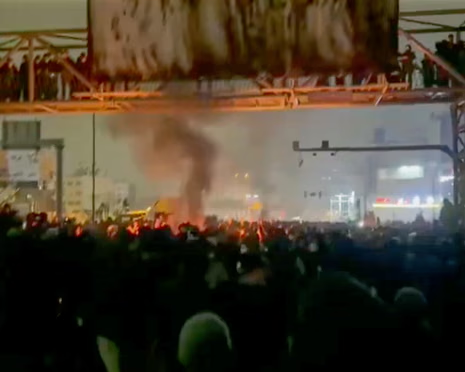
Keir Starmer, leader of the Labour Party, condemned the deaths of Iranian protesters and called on Tehran to exercise restraint. A UK government spokesperson echoed this concern, stating that violence against peaceful demonstrators must end and that the situation is being closely monitored. International media outlets report that at least 62 people have been killed and 2,300 detained during the ongoing unrest. Protesters have largely been cut off from external communication due to the government-imposed internet shutdown, yet social media videos reveal large gatherings in Tehran and other provinces.
The unrest in Iran has also raised geopolitical tensions, with the speaker of Iran’s parliament, Mohammad Bagher Qalibaf, warning that the US military and Israel could become legitimate targets if America intervenes. His comments marked the first time Israel was explicitly mentioned in these threats, further complicating diplomatic efforts. Lawmakers in Tehran demonstrated their hardline stance, chanting slogans like “Death to America” as they called for retaliation against perceived foreign interference.
Reports indicate that more than 570 protests have occurred across all 31 provinces of Iran. Demonstrators have voiced demands for political freedom, economic reform, and the end of repression, with slogans targeting Supreme Leader Ayatollah Ali Khamenei. Analysts note that the scale and persistence of the protests reflect deep-seated grievances among the Iranian population, making the situation increasingly volatile. The UK’s call for a peaceful transition comes amid this uncertainty, balancing concerns for human rights with the need to avoid further conflict escalation in the region.
While the UK and allies consider diplomatic and humanitarian responses, internal divisions in Iran continue to grow. Authorities have responded with force, detaining protest leaders and imposing restrictions on media coverage. International observers have condemned these measures, warning that continued violence could destabilise the wider Middle East. The UK government maintains that engagement, rather than direct military involvement, should guide responses to ensure a sustainable and non-violent resolution.

As tensions persist, the situation in Iran remains a focus of global attention. The UK’s position highlights a preference for diplomacy, international coordination, and protection of civilian lives. Authorities warn that any external interference must be carefully measured to avoid provoking retaliatory actions. The international community faces the challenge of supporting democratic expression in Iran while mitigating potential escalations that could trigger broader regional conflict.
The protests in Iran underline the fragility of governance under oppressive regimes. With the death toll rising and public discontent growing, Tehran faces mounting pressure both domestically and internationally. The UK continues to advocate for restraint, dialogue, and a peaceful transition to prevent further humanitarian crises. Governments and human rights organisations worldwide monitor developments closely, emphasising the need for proportional, lawful, and humane responses to citizen unrest.
Related News:
 Starmer’s communications chief to outline media strategy overhaul
 Farm Inheritance Tax U‑Turn Eases Burden After Months of Protests
 U‑Turn on Farmers’ Inheritance Tax Sparks Political Firestorm
 UK to Launch Military ‘Gap Year’ Scheme to Boost Recruitment
 Starmer Allies Honoured in New Year Awards List
 Blair Pressured Officials Over Iraqi Detainee Case, Files Reveal
 Royal Documents Withheld Sparks Accusations of Cabinet Cover-Up
 George Clooney and Amal Clooney Receive French Citizenship
 European Court Questions UK Over Shamima Begum Case
 Polanski Burnham Reform Strategy Signals Green–Labour Divide
 Starmer Unveils Cost of Living Plan for 2026 Renewal
 UK Small Boat Crossings Surge Past 41,000 in 2025
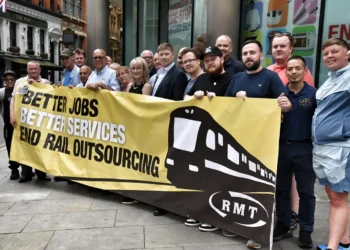 UK rails face crisis as calls to end “rail outsourcing racket” grow louder
 UK Govt Faces Backlash Over Focus on Freeing Activist Alaa Abd el-Fattah
 GMB Union Faces Turmoil Amid Female Leaders’ Claims
 UK MPs Challenge Ministers Over Venezuela Attack Response
 Shock US Raid: Maduro Pleads Not Guilty in Manhattan Court
 UK and France Agree Troop Deployment Plan for Ukraine
 Labour Urged to Rebuild Voter Trust Amid Poll Warning
 MoJ Prison Leasing Scandal Triggers £100m Public Cost
 Capitol Attack Anniversary Sparks Deep Political Divide
 EU Weakens as Trump Targets Venezuela and Greenland
 Saudi Officials Report Zubaidi Flee Before Yemen Peace Talks
 Smaller farms funding prioritised in England nature plans
 Venezuela Oil Deal Opens Tensions with US Control
 Election Deepfakes Pilot Launched for Scottish and Welsh Votes
 Reeves Pub Business Rates U-Turn Calms Labour Revolt
 UK Targets in New York Bomb Threat Hoax: Man Jailed
 Trump Plans Venezuela Meeting, Warns of Cartel Land Strikes
 Dutch Nationwide Fireworks Ban Expected to Transform New Year Traditions
 Gambia Supreme Court Hears Case to Overturn FGM Ban
 Reform UK council tax pledges face backlash over rising local bills
 Zarah Sultana Faces Scrutiny Over Your Party Membership Launch
 Trump Labels Renee Good a ‘Paid Agitator’ After Minneapolis ICE Killing
 Wessex Water chiefs receive £50,000 extra despite government bonus ban
 Indonesia blocks Grok chatbot over sexual content risk
 UK Immigration Perception Divides Voters Despite Falling Numbers
 Elon Musk warns of UK clampdown on X free speech
 Lammy and Vance unite against AI abuse images on X
 US Citizens Warned to Venezuela Flee Amid Paramilitary Threats
 England Grapples with Unprecedented Bluetongue Virus Outbreak: Entire Nation Declared Infected Zone
 Singapore Corruption Scandal: Details Emerge on Iswaran’s Luxury Flight and Ties to Tycoon Ong Beng Seng
 Reeves Faces Setback as Labour May Miss Homes Target
 Kate Winslet to Narrate Film Highlighting King’s Environmental Mission
 Trump’s UK Ambassador Urges North Sea Drilling to Strengthen US Ties
 UK Bans Fake Numbers: Scammers Lose Their Trick
 Vibe coding’ named Collins dictionary’s word of the year
BBC to Apologise Over Edited Trump Speech Amid Backlash
Vibe coding’ named Collins dictionary’s word of the year
BBC to Apologise Over Edited Trump Speech Amid Backlash
 Millionaires group urge Reeves to introduce wealth tax to ‘lift kids out of poverty’
 Reeves rejects £1bn plea for NHS redundancy payouts
 PM Condemns Leaks, Vows Loyalty to Ministers and Stability
 Phillipson Accused of Appeasing Unions by Diluting EBacc
 Saka Solidifies Role as Tuchel’s Key England Lieutenant
 Greene Pushes Epstein Files Amid Trump Fallout
 Zelenskyy Signs Fighter Jet Deal Amid Russian Drone Attacks
 Sundar Pichai Cautions on AI Hype and Market Risks
 Shadow Fleet at Sea: Europe’s Battle Against Illicit Oil Shipping
 Snow and Ice Cause Travel Chaos in North Yorkshire
 Director Michael Caton-Jones Reflects on Career and Beginnings
 Inside the Helpline Protecting Missing Children in the UK
 PlayStation PS5 Deals Hit Lowest Prices Ahead of Black Friday
 US Suspends Afghan Immigration After White House Shooting
 Five-Year-Old Dies After Rare Tonsil Surgery Complication
 Starmer Says Labour’s Economic Plan Needs Years to Deliver
 ‘Extinct’ Antelope Returns to Sahara, Bringing Hope
 IndiGo Cancels Hundreds of Flights Amid Pilot Shortages
 Conservatives Pledge to Scrap 2030 Petrol and Diesel Car Ban
 UK unemployment rises to four-year high of 5.1% before budget
 Young Britons Face Heaviest Burden from Ageing Population, Lords Warn
 Wiltshire Police Use Lasso to Catch Rampaging Village Goat
 Australia Face Big Changes as Cummins and Lyon Ruled Out of Ashes
 Tories and Labour face scrutiny over Abd el-Fattah support
 Khaleda Zia Death in Bangladesh: First Female PM Dies at 80
 Facebook Slow to Remove Bondi Attack Praise, Anti-Hate Group Claims
 Children to Receive Home Vaccines as England Acts
 Childhood Hypertension Sparks Urgent UK Testing Calls
 Raducanu Battles Injury as Britain Exit United Cup
 Cambridge College Faces Backlash Over Private School Recruitment
 Manchester United Fan Group Targets Jim Ratcliffe Over Club Chaos
 Celebrity Campaign Highlights SMA Screening Failures