Published: 15 January 2026. The English Chronicle Desk. The English Chronicle Online.
Donald Trump has insisted that Greenland security remains essential for the United States, warning that Denmark cannot adequately protect the strategically located island. In remarks following high-level discussions with Danish and Greenlandic officials, Trump emphasised that the United States must maintain direct influence over Greenland to counter potential threats from Russia and China. The president’s comments, made in the Oval Office on Wednesday, underscored Washington’s strategic concerns and reflected a stark divergence in viewpoints between the US, Copenhagen, and Nuuk regarding Greenland’s political future.
“Greenland is very important for national security, including Denmark’s protection,” Trump told reporters, stressing that the US has capabilities far beyond Denmark’s to safeguard the island. He also referenced recent events in Venezuela as evidence of American military superiority, highlighting the risks posed by foreign powers in the Arctic region. These remarks made clear that Greenland security is a top priority for his administration, as he continues to insist on a prominent US role.

Danish Foreign Minister Lars Løkke Rasmussen expressed frustration with the US approach, stating that Greenland’s sovereignty must be respected. “It is absolutely not necessary for the United States to seize Greenland,” Rasmussen said, adding that Copenhagen remains committed to defending the territory’s self-governing status. The Danish minister further criticised Trump’s language as suggestive of conquest, urging the White House to pursue “respectful” cooperation rather than unilateral ambitions. The minister also confirmed plans to enhance Danish military presence in Greenland to strengthen Greenland security and deter potential interference from foreign powers.
European allies have largely backed Denmark in this dispute, with France, Germany, and Norway pledging contributions to a multinational force led by Copenhagen. The Danish defence ministry clarified that the coalition would include aircraft, naval vessels, and soldiers, reinforcing Greenland security without escalating conflict. These moves aim to counterbalance Trump’s insistence on a US-led approach, which continues to strain transatlantic relations despite ongoing NATO frameworks designed to ensure collective defence.
During the Washington talks, a working group was agreed upon to explore solutions that balance US security concerns with Denmark’s sovereignty. Rasmussen emphasised the importance of this group to manage differences without infringing on Greenlandic self-determination, while Greenland’s Foreign Minister Vivian Motzfeldt stressed the need for diplomacy over coercion. Observers noted the meeting’s timing and structure, with Vice-President JD Vance and Secretary of State Marco Rubio hosting Danish and Greenlandic officials, as indicative of strategic pressure from the US side.
Trump also reiterated his belief that it would be “unacceptable” for Greenland to fall under any nation other than the United States. He argued that the territory’s integration into US defence plans would strengthen NATO capabilities, describing it as vital for the missile defence system he envisions. Earlier public posts on social media reinforced this narrative, including imagery portraying Greenland’s strategic position in the Arctic and underlining the administration’s commitment to Greenland security.
Analysts have suggested that a US acquisition of Greenland could cost up to $700 billion, a figure that has raised concerns among policymakers and economists alike. European officials, meanwhile, downplayed the likelihood of a direct American takeover, highlighting the practical and diplomatic obstacles inherent in any unilateral action. Danish Defence Minister Troels Lund Poulsen underscored this point, noting the hypothetical nature of military intervention while confirming Denmark’s intent to establish a permanent military presence on the island.
The controversy traces back to 2019, when Trump first publicly suggested a potential takeover. Since then, his rhetoric has intensified, sparking concern within NATO and the European Union. EU leaders, including European Commission President Ursula von der Leyen, have voiced support for Greenland’s self-governance, stressing that the island belongs to its people. French President Emmanuel Macron echoed this stance, warning that any infringement on Danish sovereignty would have serious diplomatic repercussions across Europe.
Greenlandic leadership has consistently affirmed its commitment to Denmark and the EU. Prime Minister Jens-Frederik Nielsen stated that Greenland will not be governed by Washington, prioritising peaceful dialogue and cooperative engagement. Denmark’s Prime Minister Mette Frederiksen highlighted the challenge of resisting pressure from a powerful ally, reinforcing that borders cannot be altered by force, regardless of the countries involved. These statements align with public sentiment in both Greenland and Denmark, which broadly oppose US military intervention or annexation.
A Reuters/Ipsos poll released on Wednesday reinforced this reality, showing that only 17% of Americans supported Trump’s push to assert control over Greenland. Majorities of both Democratic and Republican respondents rejected military action, with only 4% overall considering it a viable option. The poll underscores the domestic and international challenges facing the administration as it seeks to secure Greenland security as part of broader national security objectives.

Despite these challenges, Trump continues to assert the island’s strategic importance. Experts point to Greenland’s mineral wealth, Arctic shipping routes, and military potential as key factors driving US interest. Meanwhile, Denmark and its European partners remain committed to maintaining sovereignty over the territory, reinforcing regional stability and signalling a robust commitment to international law. The clash highlights the enduring tension between US security priorities and the principles of self-determination for smaller nations, reflecting broader questions about global power dynamics in the Arctic.
The discussions on Greenland have illuminated a fundamental disagreement between Washington and its allies regarding the Arctic’s strategic future. While the United States views the island as indispensable for national security, European partners advocate for collaborative, rules-based approaches that respect sovereignty and regional stability. As talks continue, the balance between American strategic ambitions and Danish-Greenlandic governance will remain a focal point of transatlantic diplomacy, with potential implications for NATO cohesion and Greenland security for years to come.
Related News:
 Shock US Raid: Maduro Pleads Not Guilty in Manhattan Court
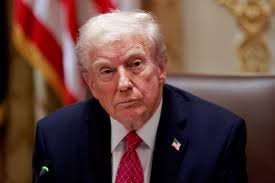 Trump Plans Venezuela Meeting, Warns of Cartel Land Strikes
 Mandelson apologises over Epstein ties after public scrutiny
 Rudd successor: Defence chief and former ministers considered
 US Senate rejects resolution limiting Trump military powers
 British Woman in Iran ‘Losing Hope’ Amid Ongoing Detention
 BBC Journalist Held and Interrogated in Vietnam
 Green Party Surges Past Labour in Latest UK Poll
 Celebrities and Charities Demand UK Government Act on Child Poverty
 Army Officers Orders to Cut Ties with Men-Only Clubs
 Trump’s UK Ambassador Urges North Sea Drilling to Strengthen US Ties
 FBI Director Kash Patel Defends Girlfriend Amid Government Jet Claims
 UK University Suspends Human Rights Research Following Pressure from China
 French Taxi Driver Cleared in David Lammy Theft Case After Fare Dispute
 UK University Faces Counter-Terror Probe Over China Pressure
 Labour immigration crackdown could cost UK £4.4bn
 Boris Johnson accused of undermining BBC leadership
BBC to Apologise Over Edited Trump Speech Amid Backlash
Boris Johnson accused of undermining BBC leadership
BBC to Apologise Over Edited Trump Speech Amid Backlash
 Britain deploys RAF specialists to assist Belgium with drone threats
 ‘Reckless’ cuts to victims’ services will cost more than they save
 Millionaires group urge Reeves to introduce wealth tax to ‘lift kids out of poverty’
 Starmer Faces Growing Dissent as Labour MPs Weigh Leadership Challenge
 Reeves rejects £1bn plea for NHS redundancy payouts
 Politics latest: Starmer ‘will fight any leadership coup’ as Streeting denies attempt to oust Labour PM
 Ukraine-Russia war latest: Putin’s troops exploit bad weather to force Kyiv withdrawal from multiple towns
 PM Condemns Leaks, Vows Loyalty to Ministers and Stability
 Major Rent Reform Ends No-Fault Evictions in England
 Peers Flood Assisted Dying Bill with 942 Amendments
 England’s Special Needs Support Faces Breaking Point
 Senator John Fetterman Hospitalized After Fall from Heart Flare-Up, Keeps Sense of Humor
 US Justice Department Files Lawsuit Against California Over Partisan Voting Maps
 MoD warned over Excel risks before Afghan data breach
 Greene Pushes Epstein Files Amid Trump Fallout
 Trump Deploys DHS to Charlotte in Major Arrest Operation
 December Run-Off in Chile as Election Produces No Winner
 UK Asylum Overhaul Sparks Debate Over Human Rights and Deportations
 UK Candidate Moved to Safe House After Election Threats
 Canada Passes Carney’s First Budget in Tight Parliamentary Vote
 South African Detained After Neo-Nazi Rally in Australia
 UK Warns China After MI5 Issues Espionage Alert
 Shadow Fleet at Sea: Europe’s Battle Against Illicit Oil Shipping
 Labour Faces Historic Decline in Wales
 Pentagon Officials in Ukraine to Discuss War End
 PM Highlights UK Business at G20 in South Africa
 Kate Forbes: Motherhood Harder Than Politics
 Venezuela Threatens Nobel Winner Machado with Fugitive Status
 Most Tories Expect to Support a Farage-Led Government
 Labour MP claims devolution bill is ‘blatant discrimination’ against Cornwall
 Trump Envoy to Discuss Ukraine Peace at Kremlin
 Millions Face Higher Taxes Under Reeves New Budget
 Peers Get Extra Time to Debate Assisted Dying Bill
 Georgians Defy Government Crackdown After Year of Protests
 US National Guard Member Killed in DC Shooting
 India’s Labour Law Overhaul Sparks Fierce Debate
 ICC to Rule on Duterte’s Provisional Release
 Jordan Bardella: France’s Young Presidential Contender
 Starmer Says Labour’s Economic Plan Needs Years to Deliver
 EU plans $105bn Ukraine aid using frozen Russian assets
 Global campaign launched to free Palestinian leader Barghouti
 Culture secretary to review Telegraph takeover by Daily Mail owner
 Andy Burnham Apologises for Past LGBTQ+ Police Discrimination
 Khaleda Zia Death in Bangladesh: First Female PM Dies at 80
 Russia losses Ukraine war peace talks intensify amid rising deaths
 Zelenskyy Accuses Russia of Sabotaging Peace Talks
 George Clooney and Amal Clooney Receive French Citizenship
 Albanese Opens Door to Bondi Royal Commission Amid Rising Pressure
 Trump Escalates Minnesota Immigration Surge Amid Rising Tensions
 Capitol Attack Anniversary Sparks Deep Political Divide
 Saudi Officials Report Zubaidi Flee Before Yemen Peace Talks
 UK Targets in New York Bomb Threat Hoax: Man Jailed
 Gambia Supreme Court Hears Case to Overturn FGM Ban
 Iran Protesters Defy Crackdown as Violent Clashes Intensify
 Homeland security agents deployed amid Minneapolis protests
 Trump escalates Fed clash as Justice probes Jerome Powell
 Plans to Limit Jury Trials Face Retreat After Mounting Opposition
 Trump targets Iran trade with 25% tariff warning
 Hanson and Joyce Use Rinehart Jet to Tour Flooded Queensland
 Trump Threatens Strong Action If Iran Executes Protesters
 Quebec Premier François Legault Resigns in Surprise Move
 Venezuela regime claims release of political prisoners signals new era