Published: 16 January 2026. The English Chronicle Desk. The English Chronicle Online.
Iran unrest has slowed considerably as authorities maintain a brutal crackdown, leaving thousands dead. The nationwide protests, which began on 28 December after a sharp currency collapse, represent the most significant challenge to the government in decades. Iranians reported quieter streets in Tehran, with the echoes of gunfire fading and fires extinguished, highlighting the temporary slowdown of Iran unrest. Thousands remain imprisoned, and international attention is focused on the human rights situation, as experts warn that calm does not equate to resolution.
The unrest spread rapidly across all 31 provinces, fueled by economic grievances and political dissatisfaction. President Masoud Pezeshkian acknowledged the need to address living conditions, pledging to tackle corruption and reduce price gouging. Analysts, however, suggest these measures may not appease citizens after weeks of arrests, torture allegations, and deadly suppression. Despite the streets appearing calmer, the core issues driving Iran unrest remain unresolved, with security forces continuing tight surveillance.

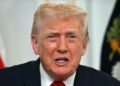
International reactions intensified, particularly from the United States. Former President Donald Trump recently encouraged Iranians to continue protesting and threatened military action if executions proceeded. He later claimed that Iranian authorities had halted 800 scheduled executions, asserting that killings were “stopping.” White House press secretary Karoline Leavitt stressed that all options remained on the table, signalling ongoing scrutiny of Tehran. The US ambassador to the UN, Mike Waltz, reiterated support for the Iranian people, emphasising Washington’s readiness to intervene to prevent further bloodshed.
Iran’s deputy ambassador to the UN, Hossein Darzi, accused the US of inciting unrest under the guise of human rights advocacy. “The United States is portraying itself as a friend while destabilising Iran,” he said. Russia’s UN ambassador, Vassily Nebenzia, similarly condemned Washington, accusing it of trying to justify interference. France and the UK urged Tehran to release detainees and suspend the death penalty, reinforcing global concern over Iran unrest.
At least 2,637 people have died during the unrest, according to the Human Rights Activists News Agency. Among them was an Iranian Red Crescent staffer killed while performing humanitarian duties. International agencies called for the protection of aid workers, as authorities intensified arrests and restricted communication. The internet shutdown, now in its seventh day, has limited information flow, with Starlink satellite dishes reportedly confiscated to curb external communications.
State media have focused on broadcasting coerced confessions, framing protesters as foreign agents or terrorists. The hardline chief justice, Gholamhossein Mohseni Ejei, personally interrogated detainees, raising further human rights concerns. Forced confessions, including from women accused of minor actions against security forces, were publicly aired, violating international legal standards. Rights groups condemned these broadcasts, highlighting that defendants must be presumed innocent until proven guilty, emphasising the ongoing human rights crisis during Iran unrest.
Despite claims that executions were halted, authorities continue to arrest and prosecute protesters. The first protester sentenced to death, 26-year-old Erfan Soltani, was reportedly spared, symbolising a rare concession amid widespread repression. Analysts caution that restrained actions are likely tactical, aiming to prevent international backlash while maintaining domestic control during Iran unrest.
Economic grievances remain central to the unrest. A sudden currency devaluation inflamed anger over poverty, unemployment, and corruption. Citizens across the country expressed frustration over rising prices, low living standards, and political exclusion. Experts argue that without systemic reforms, Iran unrest could persist, creating a long-term challenge for the government and international observers alike.
Diplomatic engagement has slightly increased. Iranian foreign minister Abbas Araghchi suggested negotiations with the US to ease tensions, contrasting prior threats of retaliatory strikes. Nonetheless, arrests, internet restrictions, and state surveillance persist, maintaining a climate of fear as Iran unrest continues.
Observers note that these protests are among the most serious the country has faced in decades. The government’s response combines repression and limited economic concessions, but these may not address the population’s underlying grievances. While streets seem calmer, anger and distrust remain, leaving potential for renewed unrest. International organisations continue monitoring developments closely, particularly regarding human rights, freedom of expression, and fair treatment of detainees during Iran unrest.

The ongoing unrest illustrates the struggle between citizens demanding political accountability and authorities enforcing control through force. Governments and human rights organisations worldwide have urged restraint, calling for respect of fundamental rights, including the right to protest and communicate freely. The situation underscores the fragile nature of political reform under authoritarian rule, where minor concessions often fail to quell widespread dissent.
As Iran navigates this crisis, the international community remains vigilant. Pressure from the US, UN member states, and human rights groups continues to influence Tehran’s approach. Analysts suggest that long-term resolution requires structural reforms, transparency in governance, and meaningful dialogue with civil society. Until then, Iran unrest, despite slowing, remains a defining test of political stability and global reputation.
Related News:
 Shock US Raid: Maduro Pleads Not Guilty in Manhattan Court
 Machado Trump medal gesture reshapes Venezuela power struggle
 Trump Receives Machado’s Nobel Medal in White House Meeting
 British Woman in Iran ‘Losing Hope’ Amid Ongoing Detention
 BBC Journalist Held and Interrogated in Vietnam
 UK University Suspends Human Rights Research Following Pressure from China
 UK University Faces Counter-Terror Probe Over China Pressure
 Abigail Spanberger Elected Virginia’s First Female Governor
 Mikie Sherrill Elected New Jersey’s Governor in Key Win
China-critical UK academics face ‘extremely heavy’ pressure from Beijing
Mikie Sherrill Elected New Jersey’s Governor in Key Win
China-critical UK academics face ‘extremely heavy’ pressure from Beijing
 British military receives first Ajax armoured vehicles – eight years late
 BBC to Apologise Over Edited Trump Speech Amid Backlash
 Britain deploys RAF specialists to assist Belgium with drone threats
 BBC director-general and news chief resign amid bias row
 Ukraine-Russia war latest: Putin’s troops exploit bad weather to force Kyiv withdrawal from multiple towns
 Trump Claims Victory as Longest Shutdown Ends
 New Epstein Files Spark Political Clash in Washington
 Hamas Fighters in Gaza Tunnels Stall Ceasefire Progress
 US Justice Department Files Lawsuit Against California Over Partisan Voting Maps
 South Sudan President Removes Vice-President Amid Political Uncertainty
 Berlin Reintroduces Military Service Amid Rising Security Concerns
 Greene Pushes Epstein Files Amid Trump Fallout
 Trump Deploys DHS to Charlotte in Major Arrest Operation
 December Run-Off in Chile as Election Produces No Winner
 Canada Passes Carney’s First Budget in Tight Parliamentary Vote
 Why Russian Liberals Push Strongly Pro-Israel Narratives
 Congress Approves Release of Epstein Files, Trump Expected to Sign
 Shadow Fleet at Sea: Europe’s Battle Against Illicit Oil Shipping
 Rama Rebukes Mahmood for Targeting Albanian Families
 Russian Vessel Used Lasers on RAF Pilots, UK Claims
 Pentagon Officials in Ukraine to Discuss War End
 US Military Team Visits Kyiv Amid War Talks
 WhatsApp Messages Expose Nathan Gill’s Bribery
 Venezuela Threatens Nobel Winner Machado with Fugitive Status
 Texas Governor Faces Lawsuit From CAIR
 Mamdani’s Vision: Affordable, Democratic Socialism
 Trump Envoy to Discuss Ukraine Peace at Kremlin
 Pope Leo XIV Begins Historic Trip to Turkey and Lebanon
 Zambia’s President Faces Stone-Throwing Anger Amid Challenges
 Georgians Defy Government Crackdown After Year of Protests
 India’s Labour Law Overhaul Sparks Fierce Debate
 Video shows Israeli troops kill Palestinians after surrender
 Trump to Recheck Green Cards from 19 Nations After DC Attack
 Carney’s Alberta Pipeline Deal Sparks Immediate Pushback
 Guinea-Bissau President Flees After Military Coup
 Chinese & Japanese Boats Clash Near Disputed Islands
 Putin Meets US Envoy Amid Key Ukraine Peace Talks
 EU plans $105bn Ukraine aid using frozen Russian assets
 Global campaign launched to free Palestinian leader Barghouti
 UK Aid Cuts Could Undermine Global Influence, Experts Warn
 Thailand and Cambodia Agree Ceasefire After Weeks of Deadly Clashes
 Myanmar’s Military Election: Fear and Intimidation Surround Vote
 Russia losses Ukraine war peace talks intensify amid rising deaths
 Zelenskyy Accuses Russia of Sabotaging Peace Talks
 Trump ‘Not Worried’ as China Conducts Massive Taiwan Wargame
 Khaleda Zia Laid to Rest with State Honour in Dhaka
 Maduro Faces Court in New York Over Drugs and Weapons Case
 Albanese Opens Door to Bondi Royal Commission Amid Rising Pressure
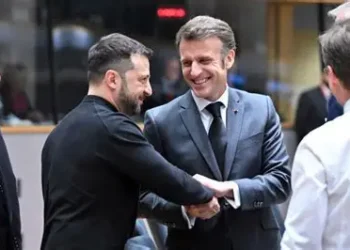 UK and France Agree Troop Deployment Plan for Ukraine
 Trump Escalates Minnesota Immigration Surge Amid Rising Tensions
 EU Weakens as Trump Targets Venezuela and Greenland
 Israel Dossier Sparks Australian Political Interference Concern
 Herzog Visit Sparks Labor Protest in Australia
 Venezuela Oil Deal Opens Tensions with US Control
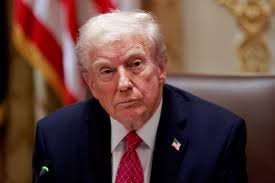 Trump Plans Venezuela Meeting, Warns of Cartel Land Strikes
 Venezuela Frees Political Prisoners in Major Peace Move
 Austrian Airlines Halts Tehran Flights Amid Political Unrest
 Iran Protesters Defy Crackdown as Violent Clashes Intensify
 Iran Leader Blames Protesters, Says They Serve Trump
 US Citizens Warned to Venezuela Flee Amid Paramilitary Threats
 Trump Eyes Strong Military Options Amid Iran Protest Crackdown
 Mandelson apologises over Epstein ties after public scrutiny
 Rudd successor: Defence chief and former ministers considered
 Trump Threatens Strong Action If Iran Executes Protesters
 US Senate rejects resolution limiting Trump military powers
 Trump Policies Boost China’s Global Rise, Survey Finds
 Trump Calls Greenland Critical for US Security After Denmark Talks
 Gulf states warn Trump Iran strikes risk wider Middle East war
 Greenland defence seen as shared Nato duty amid troop arrivals
 Gulf states warn Trump Iran strikes risk wider Middle East war