Published: 19 January 2026. The English Chronicle Desk. The English Chronicle Online.
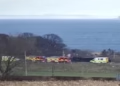
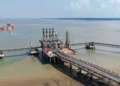
Fifteen years after the Fukushima disaster reshaped Japan’s energy debate, preparations for the Kashiwazaki restart are intensifying along the country’s snowy western coast. Activity around the vast Kashiwazaki-Kariwa nuclear power plant has accelerated, with construction vehicles widening access roads and security patrols monitoring the perimeter. Razor wire coils line fences, while the reactors sit quietly against the backdrop of Mount Yoneyama, a reminder of both industrial ambition and lingering fear.
The Kashiwazaki restart has become a defining moment for Japan’s post-Fukushima identity. Located in Niigata prefecture, the plant is the largest nuclear facility in the world. When fully operational, its seven reactors can generate 8.2 gigawatts of electricity, enough to supply millions of homes across the Tokyo region. Yet since 2012, the site has produced no power, remaining dormant after the triple meltdown at Fukushima Daiichi in March 2011.

That catastrophe, triggered by a massive earthquake and tsunami, forced the evacuation of around 160,000 people and shattered public trust. It also led to the shutdown of dozens of reactors nationwide, leaving Japan heavily reliant on imported fossil fuels. Now, as the country approaches the fifteenth anniversary of the disaster, the government and Tokyo Electric Power Company, known as Tepco, are pressing ahead with plans to revive nuclear generation.
Tepco, which also operated Fukushima Daiichi, intends to restart reactor number six at Kashiwazaki-Kariwa. Officials argue that the move will strengthen energy security, stabilise electricity prices, and support climate targets by reducing carbon emissions. The restart could increase power supply to the Tokyo area by about two percent, a modest figure that nonetheless carries enormous symbolic weight.
For residents living nearby, symbolism offers little comfort. Around 420,000 people live within a 30-kilometre radius of the plant, an area that would require evacuation in a severe accident. Many fear that lessons from Fukushima have not been fully learned. Ryusuke Yoshida, a 76-year-old potter living less than two kilometres from the reactors, describes his anxiety simply. Everything worries him, from evacuation plans to winter weather.
Yoshida points out that heavy snow often blocks roads during winter months. He questions how elderly residents or those with limited mobility would escape quickly during an emergency. In his view, the Kashiwazaki restart raises serious human rights concerns that authorities have failed to address. Standing near the shoreline, he watches waves crash while the silent reactors loom behind him.
Tepco insists that safety is its highest priority. The company says it has invested heavily in protective measures since Fukushima. Seawalls have been reinforced, watertight doors installed, and mobile diesel generators positioned to ensure emergency power. Fire engines stand ready to pump cooling water, while advanced filtration systems aim to limit radioactive releases during accidents.
Beyond physical upgrades, Tepco has pledged to invest 100 billion yen into Niigata prefecture over the next decade. The funds are intended to support regional development and rebuild trust with local communities. Company spokesperson Tatsuya Matoba says understanding from residents is essential for nuclear operations. He describes trust-building as a continuous process requiring sincerity and effort.
Despite these assurances, opposition remains strong. Local authorities declined calls for a prefectural referendum on the plant’s future, a decision that angered campaigners. Surveys conducted by the prefectural government indicate that more than sixty percent of residents within the evacuation zone believe conditions for restarting have not been met. For critics, these figures highlight a democratic deficit surrounding the decision.
Kazuyuki Takemoto, a member of the Kariwa village council, questions whether safety can ever be guaranteed in a seismically active region. He recalls the offshore earthquake of 2007, which damaged equipment at the plant and caused a transformer fire. Although reactors shut down automatically, the incident reinforced fears about geological risks. Takemoto argues that authorities have avoided meaningful discussion of these dangers.
Concerns have been heightened by recent revelations elsewhere in Japan. Chubu Electric Power admitted fabricating seismic risk data during a regulatory review of reactors at its Hamaoka plant. Although unrelated to Kashiwazaki-Kariwa, the scandal has undermined confidence in the wider nuclear industry. Critics say it reinforces perceptions of complacency and collusion between operators and regulators.
Japan’s government faces a difficult balancing act. Before Fukushima, nuclear energy supplied about thirty percent of the nation’s electricity. Today, only fourteen of thirty-three operable reactors are running. Restart efforts have repeatedly stalled due to legal challenges and local resistance. Yet officials argue that without nuclear power, Japan cannot meet emissions targets or ensure stable energy supplies.

The Kashiwazaki restart is therefore seen as a test case. Success could pave the way for further restarts, while failure might stall nuclear policy for years. Supporters emphasise technological improvements and stricter oversight introduced since 2011. Opponents counter that no system is foolproof, especially in a country prone to earthquakes and tsunamis.
For many residents, distrust runs deeper than engineering debates. They speak of a “nuclear village” linking politicians, regulators, and utility companies. In their view, economic and political pressure has overridden local voices. Yoshida gestures towards security cameras near the plant, suggesting they symbolise control rather than protection. He believes the decision has been imposed from above.
As Japan marks fifteen years since Fukushima, memories remain raw. Communities along the north-eastern coast are still rebuilding, while debates over contaminated water and displaced families continue. Against this backdrop, the Kashiwazaki restart feels to some like an unresolved chapter being reopened too quickly. For others, it represents a necessary step towards energy stability in an uncertain world.
Whether the restart proceeds smoothly or sparks renewed protest, its implications will extend far beyond Niigata. International observers are watching closely, aware that Japan’s choices influence global perceptions of nuclear safety. The world’s biggest nuclear plant, silent for more than a decade, now stands at the centre of a national reckoning between past trauma and future necessity.
Related News:
 ‘Extinct’ Antelope Returns to Sahara, Bringing Hope
 British Woman in Iran ‘Losing Hope’ Amid Ongoing Detention
 BBC Journalist Held and Interrogated in Vietnam
 UK University Suspends Human Rights Research Following Pressure from China
 UK University Faces Counter-Terror Probe Over China Pressure
 Top Christmas Books Reads: Classics to Cozy Romcoms
 World Whisky Tour: 9 Global Gems
 Just Stop Oil Protesters Convicted Amid Climate Defence Row
 Tension and Turmoil at Aston Villa v Maccabi Match
 BBC to Apologise Over Edited Trump Speech Amid Backlash
 Lando Norris Dominates Brazil GP to Strengthen F1 Title Bid
 Britain deploys RAF specialists to assist Belgium with drone threats
 Palace May Restore Hyphen to Andrew Mountbatten-Windsor’s Name
 US Senate Passes Funding Bill to End Historic Shutdown
 Suicide Bombing at Islamabad Court Kills 12, Injures Dozens
 BBC’s Tim Davie to Address Staff Amid Trump $1bn Threat
 Ukraine-Russia war latest: Putin’s troops exploit bad weather to force Kyiv withdrawal from multiple towns
 Algeria Pardons French-Algerian Novelist Sansal After Year in Jail
 Hitler’s DNA Confirms He Truly Had Only One Testicle
 US Justice Department Files Lawsuit Against California Over Partisan Voting Maps
 Oklahoma Governor Grants Last-Minute Clemency to Death Row Inmate
 US Pushes Global Effort to Stop Arms Flow to Sudan RSF Forces
 Israel Confirms Returned Hostage as Meny Godard
 Greene Pushes Epstein Files Amid Trump Fallout
 Trump Deploys DHS to Charlotte in Major Arrest Operation
 December Run-Off in Chile as Election Produces No Winner
 Zelenskyy Signs Fighter Jet Deal Amid Russian Drone Attacks
 Orban Says Ukraine Has ‘No Chance’ as EU Support Continues
 Irish Hero Parrott Says Goal Brought First Tears in Years
 Canada Passes Carney’s First Budget in Tight Parliamentary Vote
 Israeli Strike Kills 13 Near Palestinian Camp in Lebanon
 Zelensky Meets US Envoy in Turkey to Push Ukraine Peace Talks
 Shadow Fleet at Sea: Europe’s Battle Against Illicit Oil Shipping
 Tiny Curacao Makes History as Smallest Nation to Reach World Cup
 Haiti Qualifies for World Cup Despite Coach Never Visiting Country
 Deadly Russian Strikes Hit Western Ukraine, 20 Killed in Ternopil
 Rama Rebukes Mahmood for Targeting Albanian Families
 Pentagon Officials in Ukraine to Discuss War End
 Ukraine Peace Plan: Zelensky Ready for Dialogue
 Vietnam Battles Deadly Floods as Rains Continue
 Venezuela Threatens Nobel Winner Machado with Fugitive Status
 At Least Three Dead in Bangladesh Earthquake
 Barcelona Returns to Camp Nou vs Athletic Bilbao
 Royal Navy Shadows Russian Warships Entering the Channel
 Israel Confirms Hamas Returned Dror Or’s Body
 Trump Envoy to Discuss Ukraine Peace at Kremlin
 US Suspends Afghan Immigration After White House Shooting
 Two National Guard Soldiers Critically Injured Near White House
 Georgians Defy Government Crackdown After Year of Protests
 Southern Lebanon reels as Israeli strikes shatter communities
 Mbappe Scores 4 as Real Madrid Edge Olympiakos
 Man City Lose, Champions League Risk
 Sri Lanka Floods Leave 56 Dead, Dozens Missing
 India’s Labour Law Overhaul Sparks Fierce Debate
 Video shows Israeli troops kill Palestinians after surrender
 Tokyo court rules Japan’s same-sex marriage ban constitutional
 Indonesia to Repatriate Two Dutch Drug Convicts
 EU plans $105bn Ukraine aid using frozen Russian assets
 Global campaign launched to free Palestinian leader Barghouti
 American Mother Extradited From UK to U.S. on Murder Charges
 Khaleda Zia, Bangladesh’s First Female Prime Minister, Dies at 80
 Russia losses Ukraine war peace talks intensify amid rising deaths
 Facebook Slow to Remove Bondi Attack Praise, Anti-Hate Group Claims
 Australian Cruise Ship Freed After Reef Grounding in Papua New Guinea
 Zelenskyy Accuses Russia of Sabotaging Peace Talks
 Eden Project Founder Celebrates 25 Years of Nature’s Hope
 US Cities Erupt in Protests Against Trump’s Venezuela Military Action
 Albanese Opens Door to Bondi Royal Commission Amid Rising Pressure
 Trump Escalates Minnesota Immigration Surge Amid Rising Tensions
 Venezuela Oil Shift to US Could Disrupt China Supplies
 Smaller farms funding prioritised in England nature plans
 Iran Protesters Defy Crackdown as Violent Clashes Intensify
 Storm Goretti leaves Cornwall homes without power
 US Clears Nvidia AI Chip Sales to China in Policy Shift
 Trump Threatens Strong Action If Iran Executes Protesters
 Gulf states warn Trump Iran strikes risk wider Middle East war
 Machado Trump medal gesture reshapes Venezuela power struggle
 Greenland defence seen as shared Nato duty amid troop arrivals
 Trump Receives Machado’s Nobel Medal in White House Meeting
 BP’s Influence Sparks Controversy in UK STEM Education