Published: 19 January 2026. The English Chronicle Desk. The English Chronicle Online.
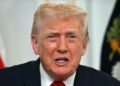
The United States is reportedly considering granting British Jews asylum due to rising antisemitism across the United Kingdom. According to the Telegraph, Donald Trump’s personal lawyer, Robert Garson, has discussed with the US State Department the possibility of offering refuge to British Jews who fear for their safety. Garson, a former UK barrister now based in the US, said he believed Britain is no longer a safe environment for Jewish communities, citing recent attacks on synagogues and escalating antisemitic rhetoric. The proposal, he said, aims to provide protection for a highly educated, English-speaking population.
Garson explained that the UK’s Jewish community has been significantly affected by violent incidents and widespread antisemitism following the Hamas attack on Israel in October 2023. He said mass protests in the UK, ostensibly opposing Israeli military actions, often targeted Jews and created an atmosphere of fear. “When I look at what is happening to Jews in Britain, I see no future for them,” Garson told the Telegraph. He attributed much of the current climate to Prime Minister Keir Starmer’s perceived failure to address antisemitism effectively.
In interviews, Garson has described the hostile environment in Britain as increasingly unsafe for Jewish people. He highlighted violent attacks on synagogues, threats against individuals, and public demonstrations that he said included antisemitic chants. “The UK is no longer a safe place for Jews,” he said, underlining that the US could provide an immediate sanctuary for those wishing to leave. Garson emphasized that offering British Jews asylum could safeguard a community that is educated, professional, and culturally significant.

Garson has previously spoken out against anti-Israel protests in the US, calling them “marauding mobs” and accusing participants of disguising antisemitic intentions under the guise of legitimate demonstration. In his discussions with the US government, he suggested that British Jews asylum could serve as a vital lifeline for those facing threats in the UK, ensuring safety and continuity for families at risk.
The idea of granting British Jews asylum is reportedly being reviewed internally by the Trump administration. Garson has raised this with Yehuda Kaploun, Trump’s special envoy on antisemitism, in his capacity as a board member of the US Holocaust Memorial Council. The proposal reflects growing concerns about global antisemitism and the increasing number of Jews feeling unsafe in historically secure regions such as the UK.
Recent research underscores these fears. A 2025 survey by the Institute for Jewish Policy Research found that 35% of British Jews reported feeling unsafe, a substantial increase from 9% in 2023. The survey also showed nearly half of British Jews view antisemitism as a “very big” problem, highlighting a sharp rise in both perceived threat and social hostility toward the community.
Garson emphasized that demographic changes and the political climate in Britain contribute to a lack of confidence among Jewish citizens regarding their long-term security. He suggested that offering British Jews asylum could provide a stable environment for families seeking safety from antisemitic threats. “For me, that is particularly sad,” he noted, reflecting on the growing migration considerations for British Jews.
The Trump administration has previously indicated plans to limit refugee admissions in 2026 to only 7,500 individuals, primarily prioritizing white South Africans. How British Jews might be accommodated within these figures remains unclear, but Garson suggested that the Trump administration could make exceptions based on the unique threats facing the Jewish population.
Garson’s proposal has sparked debate in the US and the UK. Supporters argue that it is a humanitarian measure designed to protect a vulnerable minority, while critics suggest it politicizes migration and could strain international relations. Nonetheless, the proposal highlights growing concerns about antisemitism in the UK and the potential role of the United States in providing safe refuge.
The situation also raises questions about the responsibilities of national governments in protecting minority populations. Analysts note that Britain’s Jewish community, historically integrated and contributing significantly to society, is facing unprecedented pressures that challenge both domestic policy and international human rights commitments.

As discussions continue, British Jews contemplating relocation are evaluating their options, weighing cultural ties against personal safety. Garson’s involvement underscores the political significance of the proposal, connecting refugee policy, antisemitism awareness, and strategic international relations. The potential asylum plan may set a precedent for how governments respond to minority persecution in increasingly polarized global environments.
While the White House has not publicly commented, the Telegraph report emphasizes that internal deliberations are ongoing, with considerations involving legal frameworks, international obligations, and the moral imperative to protect persecuted communities. Observers suggest that any decision will be closely watched worldwide, both for its humanitarian impact and its geopolitical implications.
The asylum proposal aligns with broader discussions about antisemitism in Europe, reflecting increasing concern among policymakers and community leaders regarding the protection of Jewish populations. Garson’s statements bring attention to a perceived deterioration of security for British Jews, prompting debates over national responsibility, international intervention, and the ethical dimensions of refugee admissions.
Overall, the potential US asylum initiative represents a significant development in transatlantic relations and minority protection. It highlights growing anxieties within the Jewish community about safety and inclusion, while also underscoring the complexities of international refugee policy amid rising global antisemitism.
Related News:
 Shock US Raid: Maduro Pleads Not Guilty in Manhattan Court
 Machado Trump medal gesture reshapes Venezuela power struggle
 Trump Receives Machado’s Nobel Medal in White House Meeting
 Iran unrest slows under brutal crackdown and global tensions
 British Woman in Iran ‘Losing Hope’ Amid Ongoing Detention
 BBC Journalist Held and Interrogated in Vietnam
 UK University Suspends Human Rights Research Following Pressure from China
 UK University Faces Counter-Terror Probe Over China Pressure
 Abigail Spanberger Elected Virginia’s First Female Governor
 Mikie Sherrill Elected New Jersey’s Governor in Key Win
China-critical UK academics face ‘extremely heavy’ pressure from Beijing
Mikie Sherrill Elected New Jersey’s Governor in Key Win
China-critical UK academics face ‘extremely heavy’ pressure from Beijing
 British military receives first Ajax armoured vehicles – eight years late
 BBC to Apologise Over Edited Trump Speech Amid Backlash
 Britain deploys RAF specialists to assist Belgium with drone threats
 BBC director-general and news chief resign amid bias row
 Ukraine-Russia war latest: Putin’s troops exploit bad weather to force Kyiv withdrawal from multiple towns
 Trump Claims Victory as Longest Shutdown Ends
 New Epstein Files Spark Political Clash in Washington
 Hamas Fighters in Gaza Tunnels Stall Ceasefire Progress
 US Justice Department Files Lawsuit Against California Over Partisan Voting Maps
 South Sudan President Removes Vice-President Amid Political Uncertainty
 Berlin Reintroduces Military Service Amid Rising Security Concerns
 Greene Pushes Epstein Files Amid Trump Fallout
 Trump Deploys DHS to Charlotte in Major Arrest Operation
 December Run-Off in Chile as Election Produces No Winner
 Canada Passes Carney’s First Budget in Tight Parliamentary Vote
 Why Russian Liberals Push Strongly Pro-Israel Narratives
 Congress Approves Release of Epstein Files, Trump Expected to Sign
 Shadow Fleet at Sea: Europe’s Battle Against Illicit Oil Shipping
 Rama Rebukes Mahmood for Targeting Albanian Families
 Russian Vessel Used Lasers on RAF Pilots, UK Claims
 Pentagon Officials in Ukraine to Discuss War End
 US Military Team Visits Kyiv Amid War Talks
 WhatsApp Messages Expose Nathan Gill’s Bribery
 Venezuela Threatens Nobel Winner Machado with Fugitive Status
 Texas Governor Faces Lawsuit From CAIR
 Trump Envoy to Discuss Ukraine Peace at Kremlin
 Pope Leo XIV Begins Historic Trip to Turkey and Lebanon
 Zambia’s President Faces Stone-Throwing Anger Amid Challenges
 Georgians Defy Government Crackdown After Year of Protests
 India’s Labour Law Overhaul Sparks Fierce Debate
 Video shows Israeli troops kill Palestinians after surrender
 Trump to Recheck Green Cards from 19 Nations After DC Attack
 Carney’s Alberta Pipeline Deal Sparks Immediate Pushback
 Guinea-Bissau President Flees After Military Coup
 Chinese & Japanese Boats Clash Near Disputed Islands
 Putin Meets US Envoy Amid Key Ukraine Peace Talks
 EU plans $105bn Ukraine aid using frozen Russian assets
 Global campaign launched to free Palestinian leader Barghouti
 UK Aid Cuts Could Undermine Global Influence, Experts Warn
 Thailand and Cambodia Agree Ceasefire After Weeks of Deadly Clashes
 Myanmar’s Military Election: Fear and Intimidation Surround Vote
 Russia losses Ukraine war peace talks intensify amid rising deaths
 Zelenskyy Accuses Russia of Sabotaging Peace Talks
 Trump ‘Not Worried’ as China Conducts Massive Taiwan Wargame
 Khaleda Zia Laid to Rest with State Honour in Dhaka
 Maduro Faces Court in New York Over Drugs and Weapons Case
 Albanese Opens Door to Bondi Royal Commission Amid Rising Pressure
 UK and France Agree Troop Deployment Plan for Ukraine
 Trump Escalates Minnesota Immigration Surge Amid Rising Tensions
 EU Weakens as Trump Targets Venezuela and Greenland
 Israel Dossier Sparks Australian Political Interference Concern
 Herzog Visit Sparks Labor Protest in Australia
 Venezuela Oil Deal Opens Tensions with US Control
 Trump Plans Venezuela Meeting, Warns of Cartel Land Strikes
 Venezuela Frees Political Prisoners in Major Peace Move
 Austrian Airlines Halts Tehran Flights Amid Political Unrest
 Iran Protesters Defy Crackdown as Violent Clashes Intensify
 Iran Leader Blames Protesters, Says They Serve Trump
 US Citizens Warned to Venezuela Flee Amid Paramilitary Threats
 Trump Eyes Strong Military Options Amid Iran Protest Crackdown
 Mandelson apologises over Epstein ties after public scrutiny
 Rudd successor: Defence chief and former ministers considered
 Trump Threatens Strong Action If Iran Executes Protesters
 US Senate rejects resolution limiting Trump military powers
 Trump Policies Boost China’s Global Rise, Survey Finds
 Gulf states warn Trump Iran strikes risk wider Middle East war
 Greenland defence seen as shared Nato duty amid troop arrivals
 EU weighs response amid Greenland tariff crisis with Trump
 Syria President Declares Victory as Ceasefire Reached with SDF