Published: 22 January 2026. The English Chronicle Desk. The English Chronicle Online.
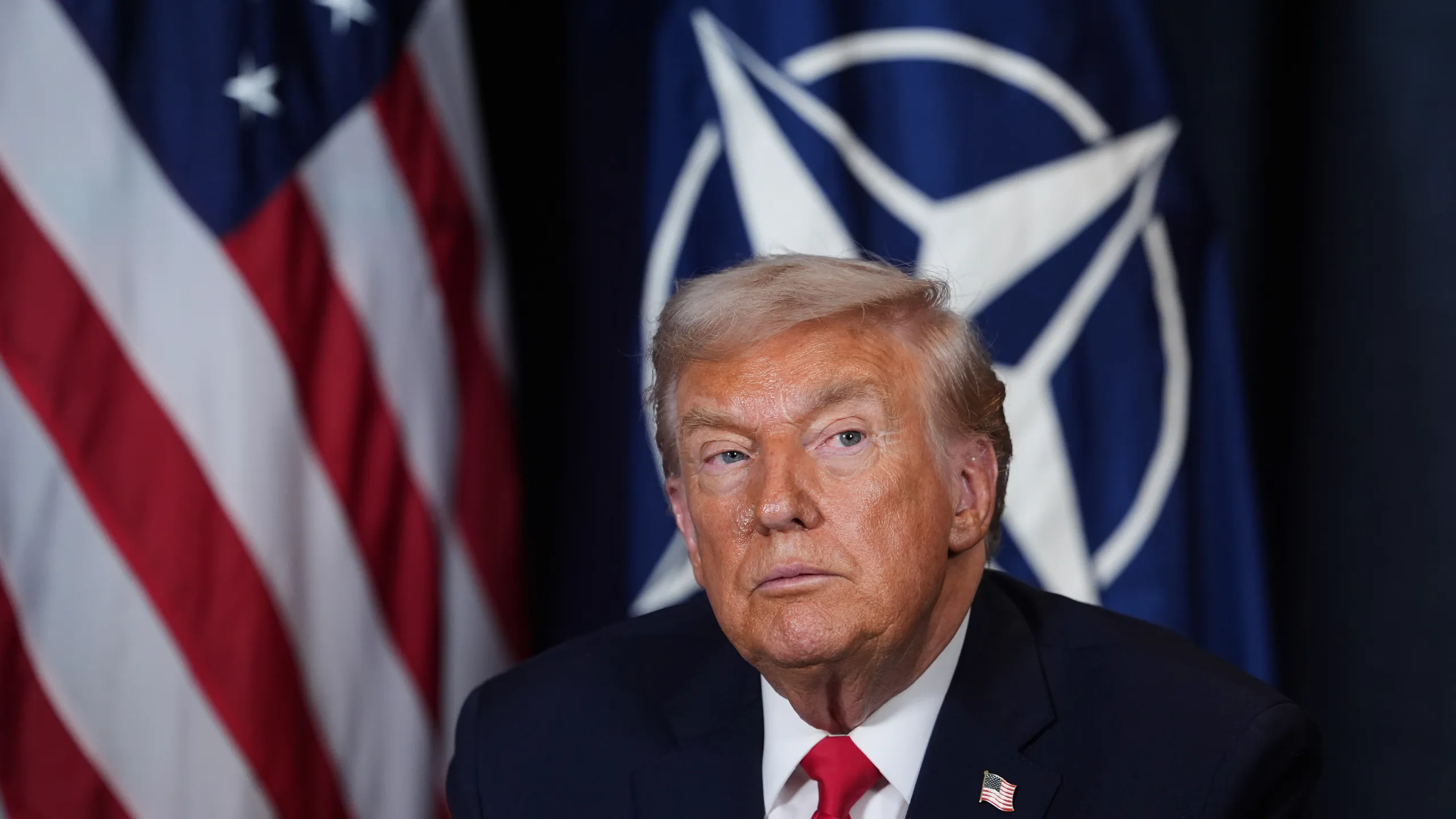
Donald Trump’s latest statement on a Greenland framework deal has triggered intense debate across Europe and the Arctic region. Within the first hours of his announcement, political leaders, financial markets, and Greenlandic residents reacted with sharply contrasting emotions. While markets welcomed a pause in tariff threats, many in Greenland viewed the declaration with deep suspicion, questioning both its intent and legitimacy.
The Greenland framework deal was announced following weeks of escalating rhetoric from the former US president. Trump used an address linked to the World Economic Forum to repeat his long-held interest in Greenland, again referencing ownership and strategic control. However, he stopped short of military threats, which had previously alarmed European allies and Arctic communities. Soon after, he shared on social media that a framework existed for a future agreement, while simultaneously withdrawing proposed tariffs against several European nations.
The announcement briefly calmed diplomatic tensions. European leaders cautiously welcomed the apparent shift in tone, framing it as an opportunity to reopen dialogue rather than confrontation. Financial markets responded positively, rebounding after days of volatility driven by fears of a broader transatlantic dispute. Yet beneath this calmer surface, uncertainty persisted, particularly in Denmark and Greenland, where officials and citizens questioned the substance behind Trump’s words.

Danish foreign minister Lars Løkke Rasmussen described the moment as cautiously optimistic. He noted that the day ended more constructively than it began, suggesting space for further talks addressing American security concerns. However, Rasmussen stressed that Denmark’s sovereignty and constitutional responsibilities remained non-negotiable. His remarks reflected a broader European sentiment, welcoming de-escalation while resisting pressure on territorial integrity.
Italy’s prime minister Giorgia Meloni also acknowledged the tariff relief, describing it as a positive signal for European economies. Nato secretary-general Mark Rutte, who had direct discussions with Trump, adopted a more reserved stance. Rutte emphasised that significant work remained unresolved, particularly regarding security arrangements in the Arctic. When questioned about Greenland’s status, he confirmed that sovereignty had not been formally discussed during negotiations.
Nato later clarified that no compromise regarding Greenland’s sovereignty had been proposed. This clarification followed growing speculation in international media suggesting potential territorial concessions. Trump himself offered limited details, instead highlighting ongoing discussions around missile defence systems. He suggested that Greenland could host components of a future US missile shield, reinforcing the island’s strategic importance without clarifying governance implications.
In Denmark’s parliament, reactions were notably sharper. Several lawmakers criticised the exclusion of Greenlandic representatives from discussions that directly concerned their land. Sascha Faxe, a Danish MP, argued that conversations between powerful leaders could not constitute genuine negotiations. She stressed that any agreement lacking Greenlandic participation would lack legitimacy and democratic foundation.
Media reports added further complexity to the unfolding narrative. According to several outlets, the proposed Greenland framework deal could involve limited US sovereignty over specific areas hosting military installations. Comparisons were drawn with British sovereign base areas in Cyprus, where foreign military presence exists under long-standing agreements. These reports suggested potential access rights rather than full territorial transfer, although details remained unconfirmed.
The United States already maintains extensive access to Greenland through historical defence agreements. These arrangements allow for military activities and potential expansion of infrastructure when mutually agreed. Reports also suggested that the framework might permit American companies to mine rare earth minerals without Danish approval. Such claims heightened concerns in Greenland, where resource control is closely tied to self-determination debates.
Greenlandic MP Aaja Chemnitz Larsen firmly rejected suggestions that Nato or external actors should influence decisions over sovereignty or natural resources. She described such ideas as entirely unacceptable, reinforcing the view that Greenland’s future must be decided by its people. Her comments resonated widely within Greenland, where memories of colonial governance remain sensitive.
The broader geopolitical context added further weight to reactions. In recent days, tensions had reached levels not seen in decades between transatlantic allies. Canadian prime minister Mark Carney delivered a widely noted speech defending the rules-based international order, implicitly criticising unilateral approaches to global governance. Against this backdrop, Trump’s sudden shift appeared strategic, though motivations remained debated.
European officials suggested coordinated diplomatic pressure may have influenced Trump’s decision. Sweden’s foreign minister Maria Stenergard stated that allied unity had an effect, reiterating Europe’s refusal to be coerced. Dutch prime minister Dick Schoof described the tariff withdrawal as de-escalation, easing immediate economic threats facing European exporters.
Trump had previously threatened tariffs of ten percent on several European countries, including Denmark, France, Germany, and the United Kingdom. These threats were explicitly linked to opposition against American ambitions in Greenland. Their withdrawal provided temporary economic relief but did little to address underlying political disagreements.
Market analysts offered another explanation for Trump’s apparent retreat. US stock markets experienced sharp declines following his more aggressive statements earlier in the week. When the Greenland framework deal was announced, markets rebounded swiftly. Strategists noted that Trump has historically moderated positions following negative market reactions, suggesting economic pressure may have played a role.
Financial commentators referenced past patterns where escalating rhetoric was followed by sudden compromise. This behaviour, observed during previous trade disputes, has become a familiar feature of Trump’s negotiating style. Analysts warned, however, that unpredictability itself carries economic risks, particularly when involving allies holding significant US assets.
Reports in American media highlighted concerns about potential retaliation. European countries collectively hold vast quantities of US treasury bonds. Large-scale divestment could destabilise interest rates and global markets. Such risks underscored the delicate balance between political posturing and economic interdependence shaping the current situation.

In Greenland itself, reactions were notably blunt. Interviews conducted in Nuuk revealed widespread scepticism towards Trump’s claims. Residents expressed disbelief that meaningful agreements could be reached without Greenlandic consent. Many viewed the announcement as disconnected from realities on the ground and dismissive of local voices.
One resident interviewed by international media accused Trump of misrepresentation, reflecting a broader distrust rooted in historical experience. Another Greenlander emphasised that the island belongs to its people, not foreign powers. These sentiments highlighted enduring aspirations for autonomy and respect within international negotiations.
As discussions continue, the Greenland framework deal remains more concept than concrete agreement. While it has eased immediate economic tensions, it has also reopened fundamental questions about sovereignty, security, and Arctic governance. For European leaders, Greenlandic communities, and global markets alike, the coming months will determine whether dialogue replaces uncertainty or simply postpones deeper conflict.
Related News:
 British Woman in Iran ‘Losing Hope’ Amid Ongoing Detention
 BBC Journalist Held and Interrogated in Vietnam
 UK University Suspends Human Rights Research Following Pressure from China
 UK University Faces Counter-Terror Probe Over China Pressure
 Abigail Spanberger Elected Virginia’s First Female Governor
 Mikie Sherrill Elected New Jersey’s Governor in Key Win
China-critical UK academics face ‘extremely heavy’ pressure from Beijing
Mikie Sherrill Elected New Jersey’s Governor in Key Win
China-critical UK academics face ‘extremely heavy’ pressure from Beijing
 British military receives first Ajax armoured vehicles – eight years late
 BBC to Apologise Over Edited Trump Speech Amid Backlash
 Britain deploys RAF specialists to assist Belgium with drone threats
 BBC director-general and news chief resign amid bias row
 Night after night, Belgium is on high alert.
 Ukraine-Russia war latest: Putin’s troops exploit bad weather to force Kyiv withdrawal from multiple towns
 Trump Claims Victory as Longest Shutdown Ends
 New Epstein Files Spark Political Clash in Washington
 Hamas Fighters in Gaza Tunnels Stall Ceasefire Progress
 Ukraine Energy Corruption Scandal Hits Zelensky’s Inner Circle
 Early Trends Suggest Modi’s Alliance Leading in Key Bihar Election
 US Justice Department Files Lawsuit Against California Over Partisan Voting Maps
 South Sudan President Removes Vice-President Amid Political Uncertainty
 Berlin Reintroduces Military Service Amid Rising Security Concerns
 Greene Pushes Epstein Files Amid Trump Fallout
 Trump Deploys DHS to Charlotte in Major Arrest Operation
 Former President Backs Public Release of Epstein Records
 December Run-Off in Chile as Election Produces No Winner
 UN Security Council Approves Trump’s Gaza Peace Plan
 Canada Passes Carney’s First Budget in Tight Parliamentary Vote
 Why Russian Liberals Push Strongly Pro-Israel Narratives
 Congress Approves Release of Epstein Files, Trump Expected to Sign
 Shadow Fleet at Sea: Europe’s Battle Against Illicit Oil Shipping
 Rama Rebukes Mahmood for Targeting Albanian Families
 Russian Vessel Used Lasers on RAF Pilots, UK Claims
 Pentagon Officials in Ukraine to Discuss War End
 Turkey to Host COP31 After Breakthrough Deal with Australia
 US Military Team Visits Kyiv Amid War Talks
 WhatsApp Messages Expose Nathan Gill’s Bribery
 Venezuela Threatens Nobel Winner Machado with Fugitive Status
 Texas Governor Faces Lawsuit From CAIR
 Mamdani’s Vision: Affordable, Democratic Socialism
 Trump Envoy to Discuss Ukraine Peace at Kremlin
 Pope Leo XIV Begins Historic Trip to Turkey and Lebanon
 Zambia’s President Faces Stone-Throwing Anger Amid Challenges
 Georgians Defy Government Crackdown After Year of Protests
 India’s Labour Law Overhaul Sparks Fierce Debate
 Video shows Israeli troops kill Palestinians after surrender
 Trump to Recheck Green Cards from 19 Nations After DC Attack
 Carney’s Alberta Pipeline Deal Sparks Immediate Pushback
 Guinea-Bissau President Flees After Military Coup
 Chinese & Japanese Boats Clash Near Disputed Islands
 Putin Meets US Envoy Amid Key Ukraine Peace Talks
 Putin visits India as Ukraine peace, trade push intensifies
 EU plans $105bn Ukraine aid using frozen Russian assets
 Global campaign launched to free Palestinian leader Barghouti
 UK Aid Cuts Could Undermine Global Influence, Experts Warn
 Picardo Faces Harsh Criticism in Gibraltar Police Interference Inquiry
 Thailand and Cambodia Agree Ceasefire After Weeks of Deadly Clashes
 Myanmar’s Military Election: Fear and Intimidation Surround Vote
 Russia losses Ukraine war peace talks intensify amid rising deaths
 Zelenskyy Accuses Russia of Sabotaging Peace Talks
 Trump ‘Not Worried’ as China Conducts Massive Taiwan Wargame
 Khaleda Zia Laid to Rest with State Honour in Dhaka
 Maduro Faces Court in New York Over Drugs and Weapons Case
 Albanese Opens Door to Bondi Royal Commission Amid Rising Pressure
 Shock US Raid: Maduro Pleads Not Guilty in Manhattan Court
 Trump Escalates Minnesota Immigration Surge Amid Rising Tensions
 Herzog Visit Sparks Labor Protest in Australia
 Venezuela Frees Political Prisoners in Major Peace Move
 Austrian Airlines Halts Tehran Flights Amid Political Unrest
 Iran Protesters Defy Crackdown as Violent Clashes Intensify
 Iran Leader Blames Protesters, Says They Serve Trump
 Trump Eyes Strong Military Options Amid Iran Protest Crackdown
 Trump Threatens Strong Action If Iran Executes Protesters
 Trump Policies Boost China’s Global Rise, Survey Finds
 Machado Trump medal gesture reshapes Venezuela power struggle
 Trump Receives Machado’s Nobel Medal in White House Meeting
 Iran unrest slows under brutal crackdown and global tensions
 EU weighs response amid Greenland tariff crisis with Trump
 US Considers Asylum for British Jews Amid Rising Antisemitism
 ICE street raids expose a chilling future for public freedoms
 US Africa aid remarks spark anger after leaked State email