Published: 22 January 2026. The English Chronicle Desk. The English Chronicle Online.
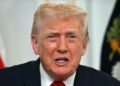
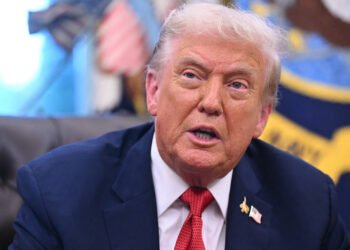
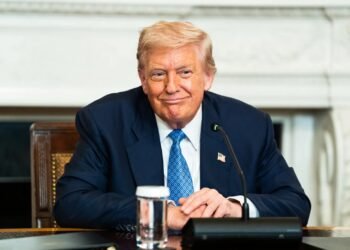
Former US President Donald Trump unveiled his “board of peace” initiative at the World Economic Forum, claiming the world is “richer, safer and much more peaceful than it was just one year ago.” The peace initiative, Trump said, aims to resolve ongoing conflicts and foster cooperation among global leaders. Speaking at the launch event, Trump insisted the world had benefited from his previous interventions, asserting that he personally helped stop eight wars, many of which were unknown to the general public.
Trump hosted a signing ceremony for the board of peace, joined by ministers and heads of government from 19 countries. Kosovo’s President Vjosa Osmani and Argentina’s President Javier Milei were among the attendees. The US president described the group as composed mostly of popular leaders, though he acknowledged some faced criticism in their respective nations. Trump emphasized that the board of peace would become “one of the most consequential bodies ever created in the history of the world.”
The board, which Trump will chair, was initially part of efforts to broker a ceasefire in Gaza. However, he has since suggested the organisation could adopt a wider geopolitical role, potentially rivaling the United Nations. When asked if the board might replace the UN, Trump said: “It might.” He announced a founding executive board including former UK Prime Minister Tony Blair, World Bank President Ajay Banga, and his son-in-law Jared Kushner.

Trump described the Gaza conflict as reduced to “little fires” and suggested that Hamas militants would have to relinquish their weapons. He claimed many fighters were “born with rifles in their hands,” framing the board of peace as crucial to stabilising long-standing regional disputes.
Despite the announcement, the UK has opted not to join the board of peace for now. British Foreign Secretary Yvette Cooper said the decision was influenced by legal treaty concerns and broader geopolitical questions. Cooper also highlighted ongoing doubts regarding Russian President Vladimir Putin’s commitment to peace in Ukraine. Russia has not attended the World Economic Forum since its invasion of Ukraine in 2022, and Moscow has stated it is still consulting with “strategic partners” before deciding on the plan.
International reactions to Trump’s board of peace have been mixed. Supporters argue the initiative demonstrates proactive diplomacy, while critics question the board’s authority and effectiveness, noting that some members have controversial political histories. Analysts emphasised that without major powers such as the UK and Russia fully on board, the initiative could face challenges achieving its ambitious goals.
Trump insisted that his board of peace would operate transparently, prioritising direct negotiations and rapid conflict resolution. During the event, he suggested that future meetings could expand to include additional leaders from Asia, Africa, and Latin America, further increasing its global influence. The board aims to act as a forum for immediate diplomatic engagement and conflict mediation, bypassing traditional bureaucratic processes that Trump often criticised during his presidency.
Observers noted that while the announcement received substantial media coverage, tangible outcomes remain uncertain. Experts cautioned that establishing a new international peace body requires legal frameworks, consensus among multiple governments, and long-term commitment—factors that have historically complicated such initiatives. Nevertheless, Trump framed the board of peace as a historical milestone, stating that future generations would recognise its significance in reducing global conflicts.
Political analysts also highlighted the strategic implications of the initiative. By positioning himself as a mediator on the world stage, Trump could influence negotiations in regions like the Middle East, North Africa, and Eastern Europe. The presence of high-profile figures, including Tony Blair and Ajay Banga, was seen as an effort to lend credibility and international weight to the board of peace.

Despite praise from certain international quarters, scepticism remains high regarding Trump’s ability to maintain neutrality and secure commitments from controversial actors. Critics argue that without participation from key global powers such as Russia and China, and with the UK abstaining, the board of peace may struggle to enforce meaningful agreements. Yet, Trump’s supporters view the initiative as a bold attempt to reshape global diplomacy, asserting that his hands-on approach could achieve faster results than conventional multilateral organisations.
The board of peace’s official objectives include conflict de-escalation, humanitarian aid facilitation, and mediation of regional disputes. Trump suggested that the initiative’s success would ultimately be measured by the reduction of armed conflicts worldwide, describing the first year of operations as “critical” for establishing legitimacy and momentum. The event in Davos highlighted the growing trend of unconventional diplomatic approaches, with private-led initiatives increasingly seeking to complement or challenge traditional institutions like the United Nations.
In conclusion, Trump’s launch of the board of peace marks a high-profile attempt to redefine international diplomacy. While the initiative has attracted attention and participation from prominent leaders, its effectiveness will depend on broader engagement, adherence to legal frameworks, and sustained global cooperation. Critics remain cautious, yet the board of peace represents an ambitious vision for conflict resolution in the modern era, aiming to make the world richer, safer, and more peaceful.
Related News:
 British Woman in Iran ‘Losing Hope’ Amid Ongoing Detention
 BBC Journalist Held and Interrogated in Vietnam
 UK University Suspends Human Rights Research Following Pressure from China
 UK University Faces Counter-Terror Probe Over China Pressure
 Abigail Spanberger Elected Virginia’s First Female Governor
 Mikie Sherrill Elected New Jersey’s Governor in Key Win
China-critical UK academics face ‘extremely heavy’ pressure from Beijing
Mikie Sherrill Elected New Jersey’s Governor in Key Win
China-critical UK academics face ‘extremely heavy’ pressure from Beijing
 British military receives first Ajax armoured vehicles – eight years late
 BBC to Apologise Over Edited Trump Speech Amid Backlash
 Britain deploys RAF specialists to assist Belgium with drone threats
 BBC director-general and news chief resign amid bias row
 Night after night, Belgium is on high alert.
 Ukraine-Russia war latest: Putin’s troops exploit bad weather to force Kyiv withdrawal from multiple towns
 Trump Claims Victory as Longest Shutdown Ends
 New Epstein Files Spark Political Clash in Washington
 Hamas Fighters in Gaza Tunnels Stall Ceasefire Progress
 Ukraine Energy Corruption Scandal Hits Zelensky’s Inner Circle
 Early Trends Suggest Modi’s Alliance Leading in Key Bihar Election
 US Justice Department Files Lawsuit Against California Over Partisan Voting Maps
 South Sudan President Removes Vice-President Amid Political Uncertainty
 Berlin Reintroduces Military Service Amid Rising Security Concerns
 Greene Pushes Epstein Files Amid Trump Fallout
 Trump Deploys DHS to Charlotte in Major Arrest Operation
 Former President Backs Public Release of Epstein Records
 December Run-Off in Chile as Election Produces No Winner
 UN Security Council Approves Trump’s Gaza Peace Plan
 Canada Passes Carney’s First Budget in Tight Parliamentary Vote
 Why Russian Liberals Push Strongly Pro-Israel Narratives
 Congress Approves Release of Epstein Files, Trump Expected to Sign
 Shadow Fleet at Sea: Europe’s Battle Against Illicit Oil Shipping
 Rama Rebukes Mahmood for Targeting Albanian Families
 Russian Vessel Used Lasers on RAF Pilots, UK Claims
 Pentagon Officials in Ukraine to Discuss War End
 Turkey to Host COP31 After Breakthrough Deal with Australia
 US Military Team Visits Kyiv Amid War Talks
 WhatsApp Messages Expose Nathan Gill’s Bribery
 Venezuela Threatens Nobel Winner Machado with Fugitive Status
 Texas Governor Faces Lawsuit From CAIR
 Mamdani’s Vision: Affordable, Democratic Socialism
 Trump Envoy to Discuss Ukraine Peace at Kremlin
 Pope Leo XIV Begins Historic Trip to Turkey and Lebanon
 Zambia’s President Faces Stone-Throwing Anger Amid Challenges
 Georgians Defy Government Crackdown After Year of Protests
 India’s Labour Law Overhaul Sparks Fierce Debate
 Video shows Israeli troops kill Palestinians after surrender
 Trump to Recheck Green Cards from 19 Nations After DC Attack
 Carney’s Alberta Pipeline Deal Sparks Immediate Pushback
 Guinea-Bissau President Flees After Military Coup
 Chinese & Japanese Boats Clash Near Disputed Islands
 Putin Meets US Envoy Amid Key Ukraine Peace Talks
 Putin visits India as Ukraine peace, trade push intensifies
 EU plans $105bn Ukraine aid using frozen Russian assets
 Global campaign launched to free Palestinian leader Barghouti
 UK Aid Cuts Could Undermine Global Influence, Experts Warn
 Picardo Faces Harsh Criticism in Gibraltar Police Interference Inquiry
 Thailand and Cambodia Agree Ceasefire After Weeks of Deadly Clashes
 Myanmar’s Military Election: Fear and Intimidation Surround Vote
 Russia losses Ukraine war peace talks intensify amid rising deaths
 Zelenskyy Accuses Russia of Sabotaging Peace Talks
 Trump ‘Not Worried’ as China Conducts Massive Taiwan Wargame
 Khaleda Zia Laid to Rest with State Honour in Dhaka
 Maduro Faces Court in New York Over Drugs and Weapons Case
 Albanese Opens Door to Bondi Royal Commission Amid Rising Pressure
 Shock US Raid: Maduro Pleads Not Guilty in Manhattan Court
 Trump Escalates Minnesota Immigration Surge Amid Rising Tensions
 Herzog Visit Sparks Labor Protest in Australia
 Venezuela Frees Political Prisoners in Major Peace Move
 Austrian Airlines Halts Tehran Flights Amid Political Unrest
 Iran Protesters Defy Crackdown as Violent Clashes Intensify
 Iran Leader Blames Protesters, Says They Serve Trump
 Trump Eyes Strong Military Options Amid Iran Protest Crackdown
 Trump Threatens Strong Action If Iran Executes Protesters
 Trump Policies Boost China’s Global Rise, Survey Finds
 Machado Trump medal gesture reshapes Venezuela power struggle
 Trump Receives Machado’s Nobel Medal in White House Meeting
 Iran unrest slows under brutal crackdown and global tensions
 EU weighs response amid Greenland tariff crisis with Trump
 US Considers Asylum for British Jews Amid Rising Antisemitism
 ICE street raids expose a chilling future for public freedoms
 US Africa aid remarks spark anger after leaked State email