Published: 02 February 2026. The English Chronicle Desk. The English Chronicle Online.
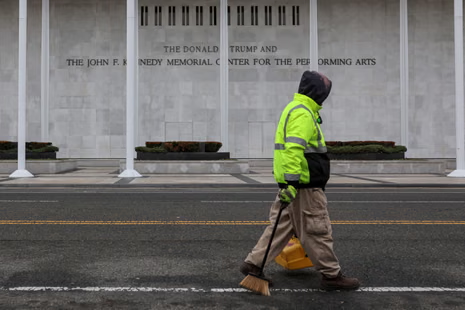
The Kennedy Center will suspend entertainment operations for two years, Donald Trump announced on Sunday. The focus keyword, Kennedy Center closure, reflects the major disruption to the performing arts venue, which has struggled with low attendance and event cancellations. Trump’s Truth Social post explained that after a year-long review, he determined a complete two-year pause would allow renovations to achieve the “highest level of Success, Beauty, and Grandeur.” The Kennedy Center closure, according to Trump, will culminate in a grand reopening surpassing previous standards.
Since Trump assumed control of the Kennedy Center in February 2025, the institution has faced widespread criticism and resignations. Following his leadership overhaul, many prominent performers canceled scheduled appearances, citing concerns over the venue’s new direction. Hamilton producer Jeffrey Seller stated their production could not align with the center’s imposed culture. Similarly, actor Issa Rae, Grammy-winning musician Rhiannon Giddens, Peter Wolf, and rock band Low Cut Connie publicly withdrew from upcoming performances, citing discomfort with Trump’s influence.

Trump’s management approach has been described as transformative and controversial. He immediately appointed himself chair after reorganizing the board, emphasizing a departure from what he called “woke” programming. The president’s social media announcement outlined a strategy to temporarily halt entertainment activities, claiming that the pause would ensure improvements in both infrastructure and artistic presentation. The Kennedy Center closure will include renovations expected to modernize facilities, enhance audience experiences, and potentially attract larger productions upon reopening.
The decision follows a notable decline in the Kennedy Center’s operational stability. Ticket sales have dropped significantly since Trump’s board reorganization, with analysis from the Washington Post showing that approximately 43% of tickets for major productions remained unsold between September and October last year. The venue, which traditionally hosted over 2,000 events annually, now faces a substantial reduction in revenue and public engagement.
Artists and trustees have expressed strong opposition to Trump’s initiatives. Shonda Rhimes resigned from the board in February, shortly after Trump’s appointment, while soprano Renée Fleming and musician Ben Folds stepped down from advisory roles. In December, the board, handpicked by Trump, voted to rename the center as the “Trump-Kennedy Center,” a move critics argued lacked legal authority. The center remains legally designated as the John F Kennedy Center for the Performing Arts, intended as a memorial to the former president. Congressional approval would be required to formalize any name change.
The Washington National Opera recently announced plans to relocate after more than 40 years at the center, citing concerns over Trump’s leadership and the evolving culture. Other arts organizations and performers have similarly reassessed commitments, signaling a broader impact on Washington DC’s cultural landscape. Observers suggest the Kennedy Center closure may accelerate these trends, potentially creating long-term challenges for local arts engagement and fundraising.
Despite criticism, Trump framed the Kennedy Center closure as a strategic opportunity. He argued that a temporary halt would enable infrastructure upgrades, artistic revitalization, and a more appealing environment for both performers and audiences. The president emphasized that, with board approval, the renovations and cultural overhaul would culminate in a historic reopening event, aimed at restoring the center’s status as a premier performing arts venue.
The broader arts community has debated whether the Kennedy Center closure will ultimately benefit or harm the institution. Supporters argue the pause provides necessary time for modernization and increased audience capacity. Critics contend that the political controversies and mass cancellations may permanently damage the center’s reputation, discouraging artists and visitors for years. Analysts also point to a growing divide between management priorities and community expectations, highlighting potential difficulties in reconciling Trump’s vision with the center’s historic mission.
Public reaction on social media has been divided. Some applaud the planned renovations and believe the Kennedy Center closure could lead to enhanced experiences. Others criticized the move as politically motivated, suggesting it undermines decades of cultural heritage. Online commentary highlighted frustration over the name change and the broader implications of Trump’s leadership on artistic freedom. The Kennedy Center closure has become a focal point for discussions about governance, arts funding, and the role of political influence in cultural institutions.

Financial implications of the closure are substantial. Reduced ticket sales, combined with the temporary suspension of events, pose revenue challenges that may affect employee retention, contractor agreements, and local economic activity tied to performances. Experts predict that management will need to implement extensive marketing and audience engagement strategies to recover financially following the planned reopening.
Historically, the Kennedy Center has been a hub for American performing arts, hosting everything from classical music to contemporary theatre. The closure marks an unprecedented interruption, reflecting the tension between political leadership and artistic programming. The Kennedy Center closure has therefore become emblematic of broader debates about public institutions, leadership accountability, and cultural stewardship in the United States.
As preparations for renovations proceed, Trump’s administration at the Kennedy Center emphasizes a combination of structural upgrades, branding initiatives, and a curated program intended to attract wide audiences. The Kennedy Center closure represents a pivotal moment in the venue’s history, with long-term implications for both the arts community and public engagement.
The Kennedy Center will now enter a two-year period of limited activity, leaving both supporters and critics to anticipate the effects on Washington DC’s cultural scene. With renovations and management decisions under close scrutiny, the future of this iconic institution remains uncertain, while debates over artistic integrity, political oversight, and public value continue to unfold.
Related News:
 Army Officers Orders to Cut Ties with Men-Only Clubs
 Trump’s UK Ambassador Urges North Sea Drilling to Strengthen US Ties
BBC to Apologise Over Edited Trump Speech Amid Backlash
Trump’s UK Ambassador Urges North Sea Drilling to Strengthen US Ties
BBC to Apologise Over Edited Trump Speech Amid Backlash
 Britain deploys RAF specialists to assist Belgium with drone threats
 Millionaires group urge Reeves to introduce wealth tax to ‘lift kids out of poverty’
 Reeves rejects £1bn plea for NHS redundancy payouts
 PM Condemns Leaks, Vows Loyalty to Ministers and Stability
 Major Rent Reform Ends No-Fault Evictions in England
 Greene Pushes Epstein Files Amid Trump Fallout
 December Run-Off in Chile as Election Produces No Winner
 Shadow Fleet at Sea: Europe’s Battle Against Illicit Oil Shipping
 Georgians Defy Government Crackdown After Year of Protests
 ICC to Rule on Duterte’s Provisional Release
 Starmer Says Labour’s Economic Plan Needs Years to Deliver
 Ley Triumphs in Royal Commission Debate, Paving Way for Unity
 Mandelson apologises over Epstein ties after public scrutiny
 Australia grants Asio powers to designate hate groups under new laws
 Trump press secretary attacks reporter over ICE question
 Starmer Challenges US Over Controversial Greenland Deal
 Spoof “Make America Go Away” Caps Rally Denmark Over Greenland
 Trump Fed bid heads to Supreme Court
 Pentagon Signals Reduced Role in Deterring North Korea
 Labour Blocks Burnham as Party Rift Deepens Ahead of Polls
 Artificial intelligence will cost jobs, admits Liz Kendall
 Partial US Government Shutdown Hits Homeland Security Funding
 Sinema payment row deepens after $9,000 transfer claim
 EU Signals Open Mind on UK Customs Union Talks
 Labour Thinktank Row Deepens Over Journalist Probe Claims
 Cabinet Secretary Shake-Up Triggers Due Diligence Warning
 Starmer Faces Inquiry Calls Over Thinktank Probe
 Royal Mail Delivery Crisis Deepens Amid Weather Chaos
 UK shelves £110m border project amid trade strain
 AFP Reviews Pauline Hanson Comments
 California Democrats Vow Trump Reckoning
 Trump Tariffs Threat Spark UK and EU Alarm
 Trump’s Surgeon General Pick Evades Vaccine Questions
 The Dangerous Rise of Remigration Across Modern Europe
 US to offer passport services in West Bank settlements
 Green Party Stuns Labour in Gorton and Denton Byelection
 Labour Together scandal sparks clean break vow
 Iran Defiance Grows Amid US-Israel War Pressure
 Starmer Praised for Stance on Trump and Iran Conflict
 NHS Plans to Cut Overseas Workers Labeled Overambitious
 Danish Election Deadlock Shakes Frederiksen’s Grip
 Pope Rebukes Leaders for War as Middle East Tensions Rise
 Army Probes Apache Flyover at Kid Rock’s Nashville Estate
 Farage Shuns Truss as US Right-Wing Roadshow Hits London
 Chancellor Meets Supermarket Chiefs Over Living Costs
 Italian Town Buys Mussolini Villa to Keep Away Fascist Fans
 Report Says Pezzullo Acted ‘Recklessly’ in Dealings
 Suspected Plot Targets Pipeline Before Hungary Vote
 Trump Defiant After Washington Hotel Shooting
 Starmer Survives Mandelson Rebellion
 Trump approval plunges amid Iran war fears
 Tough Fiscal Realities Await Next Scottish Government
 US ‘Narco Boat’ Strikes Draw Global Outcry
 One Nation Candidate’s Surprising Ties to Independents
 Labour Members Doubt Starmer Future as Burnham Leads Poll
 Reform UK Faces Crisis as Newly Elected Councillors Resign
 Tony Abbott Returns as New Liberal Party President
 Discontent grows around Putin amid war strain
 Secret Role of UK Security Services in Troubles Amnesty Law
 Starmer Leadership Under Pressure After Setbacks
 The Hidden Crisis Eroding Trust in British Communities
 Deepfake Abuse on X Sparks Safety Concerns for Dissidents
 UK Ministers Lobby Trump Over Under-16s Social Media Ban
 Starmer Resolves to Fight Burnham in Leadership Battle
 US Courts Back Trump on Park Signage Removals
 Hollie Ridley to Step Down as Labour General Secretary
 Trump’s Mount Rushmore Speech: A Divisive Anniversary
 Jarvis Urges Burnham to Secure 3.5% Defence Spending
 Trump’s Red-Card Intervention Hurts the US World Cup
 Farage Warns Sky News Following Financial Inquiry
 Le Pen to Run for President Despite Embezzlement Conviction
 Reform UK Finances Face Deep NCA Probe
 Trump Swaps Planes Amid Iran Tensions
 Ann Widdecombe, Formidable Political Figure, Dies at 78
 Ukraine Creates Long-Range Strike Command
 Houthis Strike Saudi Arabia as Middle East Tensions Rise
 Former Diplomats Urge UK and France to Act on Palestine