Published: 18 February 2026. The English Chronicle Desk. The English Chronicle Online
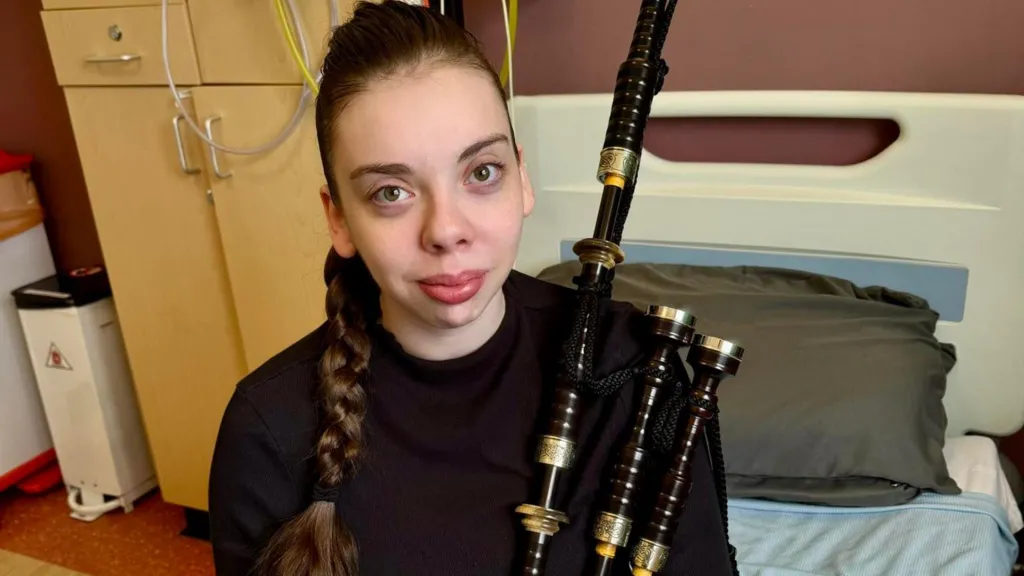
For most who take up the bagpipes, the instrument is more than just music — it is identity, heritage and passion. But for 19‑year‑old Katie Robertson, from Carnoustie in Angus, Scotland, her lifelong love of piping has been put on hold by a rare and debilitating chronic illness that has robbed her of the physical ability to play. Her story, shared with BBC Scotland, highlights both the emotional toll of chronic medical conditions and the gaps in care for those living with under‑recognised disorders.
Known online as the Wheeled Piper, Katie has amassed thousands of followers for her bagpipe videos. She has been a wheelchair user since the age of seven due to earlier health issues including arthritis and scoliosis. Her early years were filled with practice, performances and plans to study piping at the Royal Conservatoire of Scotland in Glasgow — dreams she now faces postponing indefinitely.

Last summer, Katie began experiencing alarming new symptoms. “I just sat up one day and could feel my heart racing — it was thudding like it would come out of my chest,” she told the BBC. Alongside a racing heartbeat, she experienced severe dizziness, shortness of breath and overwhelming fatigue — symptoms that made sitting up unaided and playing her beloved bagpipes impossible.
After multiple doctor visits and tests that failed to provide answers, Katie was eventually diagnosed in December with Postural Tachycardia Syndrome (PoTS) — a rare condition in which the heart rate spikes abnormally when the body moves from sitting or lying down to standing, often accompanied by fainting, dizziness and chest pain.
PoTS is a little‑understood disorder that can be difficult to diagnose because it requires doctors to rule out a wide range of other conditions first. Katie described her diagnostic journey as being more informed by patient‑led online resources than by the medical professionals she encountered. “I was able to get more information from the PoTS website than anyone in the hospital,” she said.
Despite finally receiving a diagnosis, the reality for Katie — and many others with PoTS — is far from straightforward support. There are no dedicated PoTS specialists in Scotland, meaning she has been passed between departments rather than offered coordinated care. Her treatment plan continues to be managed by her GP, with ongoing heart‑monitoring tests and medication adjustments, but she says she is still struggling to find relief or clear direction in managing her condition.
The effects on her life have been profound. Katie’s fatigue and symptoms have made attending school difficult, forcing her to put her education — and her plans to gain qualifications to advance her piping — on hold. “It feels like my future is stuck on hold because I can’t leave my house,” she told the BBC.
For a young person whose identity has been intertwined with music and performance from an early age, the loss of the physical ability to play the bagpipes has been devastating. Yet she speaks about her journey with remarkable resilience, determined to continue advocating for her own care and hopeful that one day she will return to her instrument. “I will keep pushing through because the thought of playing my pipes again keeps me going,” she said.
Experts say that conditions like PoTS — part of a broader spectrum of autonomic nervous system dysfunctions — are often under‑recognised and poorly understood by clinicians, exacerbating the diagnostic odyssey for many sufferers. With symptoms that can mimic anxiety or be dismissed as stress‑related, patients frequently report feeling unheard or misdiagnosed before the correct condition is identified.
Katie’s story reflects a wider conversation about how rare and chronic illnesses are diagnosed and managed within health systems like the NHS, particularly in regions where specialists are scarce and general practitioners may not have in‑depth exposure to less common conditions. Patients and advocacy groups argue that better training, referral networks and specialised clinics are needed to support those with under‑recognised conditions.

Beyond the medical challenges, the emotional impact — especially for young people with creative and academic dreams — can be profound. Chronic illness often forces sudden lifestyle changes, challenging not only physical capabilities but also aspirations, identity and mental wellbeing. People like Katie must adapt to new realities while holding onto the passions that define them.
As Katie’s story spreads online and through media coverage, it has resonated with others facing similar battles — and has brought attention to the need for improved understanding and care for PoTS and other chronic conditions. Her message is one of resilience, reminding others struggling with health setbacks that their dreams and worth are not diminished by illness, even if the road to recovery is long and uncertain.
Related News:
 Concerns Mount Over Accuracy of At-Home Health Tests as Study Calls for Stricter Regulation
 The Ketamine Crisis in the UK is a Silent Epidemic Leaving Users with Lifelong Pain
 UK Launches World-First Gonorrhoea Vaccine Amid Record Infection Surge
 Woman Warned She Might Need Leg Amputation to Survive After Liquid Brazilian Butt Lift
 AI Tools Used by English Councils Found to Downplay Women’s Health Issues, Raising Concerns Over Gender Bias in Care
 Cats Develop Dementia Similarly to Humans, Study Finds
 Alarming rise in abusive teen relationships in the UK sparks urgent warnings
 Inquest Finds Agency Worker Failings Led to Unlawful Death of Vulnerable 14-Year-Old
 Shocking Rise in Children’s Exposure to Violent Online Pornography Raises Alarm
 Baby Food Manufacturers Given 18 Months to Improve Nutrition and Labelling
 Why E-Bikes and E-Scooters Are Making Streets a ‘Nightmare’ for Blind People
 Millions in the UK at Higher Risk of Heart Failure and Stroke Due to Air Pollution, Study Warns
 Norfolk Hospital Ranked Worst in England as NHS League Tables Return
 NHS Trials £100 Blood Test That Could Revolutionise Alzheimer’s Diagnosis
 More Than Half of UK Births Now Involve Medical Intervention
 UK Graduates in Healthcare Report Highest Satisfaction with Degree Choices
 NHS ‘Toxic Culture’ Risks Harm to Mothers and Babies, Health Leader Warns
 Systemic Racism in Maternity Care Continues to Endanger Black Women in England, MPs Warn
 One in Three GPs in England Do Not Work in NHS, Raising Concerns Over Access to Care
UK Doctors Guilty of Sexual Misconduct Continue Practising Amid Weak Sanctions, Research Finds
One in Three GPs in England Do Not Work in NHS, Raising Concerns Over Access to Care
UK Doctors Guilty of Sexual Misconduct Continue Practising Amid Weak Sanctions, Research Finds
 Heavy Drinkers Lead Growth in Non-Alcoholic and Low-Alcohol Market
 Omeprazole Alert: NHS Issues Guidance on Safe Use for Heartburn and Indigestion
 Starmer Unveils Plan for NHS “Online Hospital” to Tackle Waiting Lists
 Tragic Death Strikes Half-Marathon in Stoke-on-Trent: Runner Dies Shortly After Crossing Finish Line
 Questions Remain as Rugby Legend Lewis Moody Faces Motor Neurone Disease Diagnosis
 Eligibility Confusion Over COVID Vaccination Leaves Pharmacies Struggling Across the UK
 Majority of UK Men Would Opt for Prostate Cancer Screening, Survey Finds
 Ambulance Worker Fired After Flinging Amputee from Wheelchair and Offering Bribe
 Women Challenge Meta Over Targeted Ads After Miscarriage
 Mum’s Final Wish: Donating Her Body to Science
 Genetic Tests May Predict Return of Blood Cancer
 UK Woman Becomes Longest Survivor of Heart-Lung Transplant
£18 Prostate Cancer Test Could Save Thousands of Lives
UK Woman Becomes Longest Survivor of Heart-Lung Transplant
£18 Prostate Cancer Test Could Save Thousands of Lives
 Pregnant Women in England Face Rising Risk of Severe Birth Injury
 ‘Game-Changing’ HIV Prevention Jab Set for NHS Approval
 One in 12 Secondary Pupils Sent to Isolation Weekly
 M&S and Morrisons Lead Christmas Supermarket Taste Test
New Prostate Cancer Drug Set to Halve Death Risk in England
M&S and Morrisons Lead Christmas Supermarket Taste Test
New Prostate Cancer Drug Set to Halve Death Risk in England
 UK Health Leaders Push for Urgent Tobacco & Vape Bill
 Hospice Cuts Raise Alarm Across England Amid Funding Crisis
 Celebrities and Charities Demand UK Government Act on Child Poverty
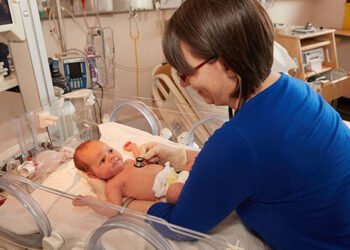 Experts Warn on Home Birth Risks, Call for Skilled Midwives
 Patients to Test Health at Home to Ease NHS Winter Pressure
 London’s Childlessness Crisis: Schools Closing as Families Shrink
 Shouting Works Best to Deter Gulls, UK Study Finds
 Reeves rejects £1bn plea for NHS redundancy payouts
 Stroke Patient Mistaken for Drunk, Care Delayed
 UK launches major AI drive to fight deadly superbugs
 ‘Traumatic Wait’: Northern Ireland Women Face Breast Cancer Delays
 Coffins Now Too Large to Cremate Amid Rising Obesity Crisis
 Five-Year-Old Dies After Rare Tonsil Surgery Complication
 Fibromyalgia Patients Struggle as NHS Fails to Provide Care
 “Enough is Enough”: Local MP Vows to Fight Rainham Quarry Plans
 More Patients Now Contacting GPs Online, Data Shows
 GPs Failing Frail Elderly: Only 1 in 6 Assessed – NAO
 NHS braces for worst winter crisis amid rising flu cases
 Ministers to back regulation of England’s funeral industry
 Teen Nicotine Pouch Use Sparks Growing Health Alarm
 People in England’s Poorest Areas Face Higher Lung Health Emergencies
 AI Helps NHS Cut A&E Waiting Times This Winter
 Minor A&E Visits Surge Across England as Hospitals Face Pressure
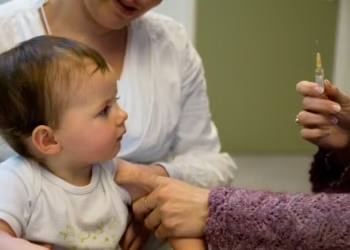 Children to Receive Home Vaccines as England Acts
 Salt Intake England: Crisps Comparison Sparks Health Alarm
 Local Fish Could Boost UK Health and Economy Significantly
 Offenders to Receive Health Support During Probation Appointments
 NHS Violence Crisis: Staff Face Daily Assaults
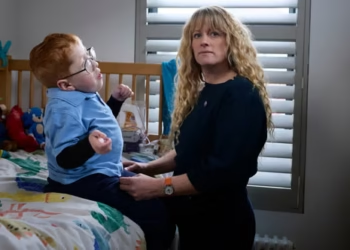 Celebrity Campaign Highlights SMA Screening Failures
 Robo-Vaccination Could Transform Fight Against Bovine TB
 UK Glaucoma Rise Signals Looming Eye Health Crisis by 2060
 UK ADHD medication use triples over 13 years, landmark study finds
 Reform UK Health Plan ‘Would Cost £1.7bn’, Streeting Says
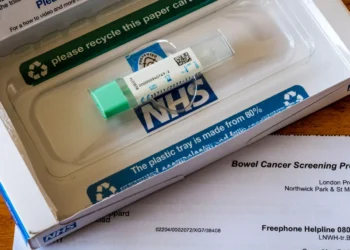 NHS boosts bowel screening accuracy with FIT reform
 UK loses measles-free status amid deaths and jab decline
 Nottingham survivor warns of repeat attacks without mental health reform
 Study Finds One in Seven England Takeaways Are Dark Kitchens
 Deadly Cancer Postcode Lottery Limits NHS Care
 Pneumonia Surge Pushes England Emergency Cases Higher
 The Truth About Statins, Memory and Dementia
 Children of Close-Relative Parents Face Higher Mortality Risk in England
 UK MPs Demand Ban on Brazilian Butt Lifts