Published: 27 February 2026
The English Chronicle Desk
The English Chronicle Online
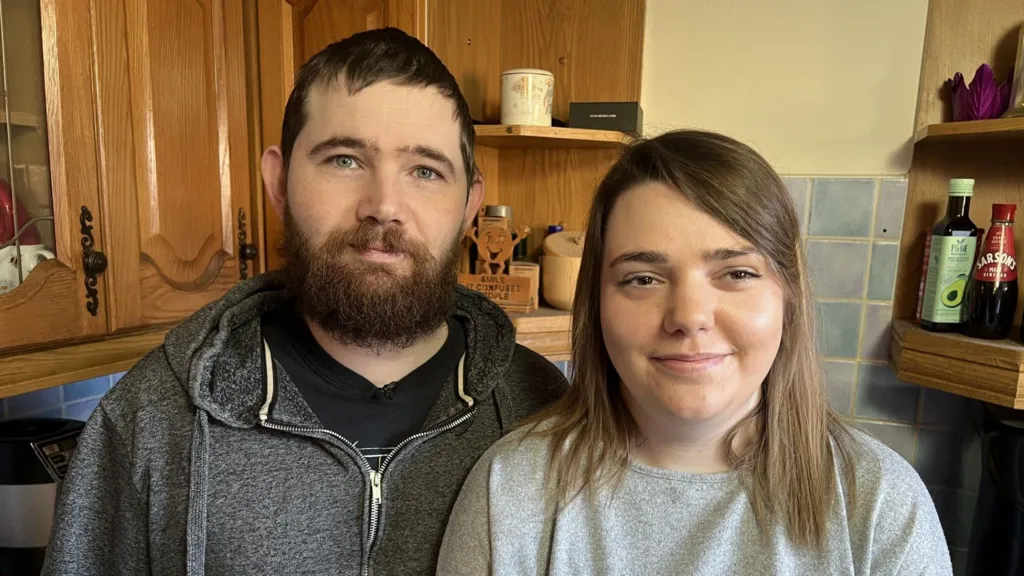
A mother from Somerset has shared a harrowing account of how what should have been a routine C‑section nearly cost her life, highlighting concerns about maternity care standards in parts of the NHS. The woman, known as Abi, underwent a planned Caesarean section in 2022 at Yeovil District Hospital but experienced life‑threatening complications that left her fighting for survival and profoundly affected her family’s sense of safety around childbirth.

Abi, then 26 and expecting her second child, had been classified as high risk because her baby’s position was pressing against a previous C‑section scar. She haemorrhaged at home shortly before her scheduled surgery and was taken by ambulance to Yeovil, where the procedure was carried out. According to her draft medical incident report, the operation did not adhere to the original surgical plan or the specialist advice from clinicians in Bristol about how the incision should be made. This apparently led to extensive blood loss and a situation doctors described to her husband as “touch‑and‑go.”
During the surgery, Abi lost an extraordinary 10.8 litres of blood — far beyond normal expectations — and her survival was uncertain, her family recalled. As the operation unfolded, surgical teams conducted a partial hysterectomy to stem the bleeding, and she was eventually transferred mid‑surgery to a specialist centre in Bristol to complete the procedure. Four days later she finally met her son, Logan, who is now thriving at age three.
Abi’s story is not isolated. It is part of broader concerns highlighted in a recent review of maternity and neonatal services in England, which found systemic issues including staffing shortages, gaps in senior clinical expertise, and inconsistent care quality across units — concerns that Baroness Valerie Amos’s ongoing investigation is examining. Patients and families speaking to national media have described traumatic experiences in other hospitals as well, including inadequate responses to complications and poor communication about risks after surgery.
“I went in expecting to trust the professionals with my life,” Abi said. “During that operation, there were moments when my husband was told to prepare for the worst — and that’s not something a family should ever have to hear on what’s meant to be one of the happiest days of their lives.” She added that even now, years later, the thought of what happened triggers anxiety, especially when interacting with health services or if her children fall ill.
The NHS Trust responsible for the hospital has acknowledged the distressing nature of such experiences and said it has made changes after the Care Quality Commission’s inspection identified “serious untoward incidents” in maternity services. A spokesperson said steps have been taken to strengthen maternity care governance and recruit additional senior consultants to improve outcomes for mothers and infants.
Medical professionals note that while most C‑sections are performed safely, complications such as severe bleeding — and rarer conditions like amniotic fluid embolism or surgical trauma — can escalate quickly and require rapid, well‑coordinated responses. In cases where care systems are under strain, even standard procedures can carry elevated risks, underscoring the importance of high staffing levels, effective clinical protocols, and thorough follow‑up for patients after delivery.

Abi now advocates for more transparent communication and stronger oversight of maternity units, urging health services to ensure that no woman feels unsafe or ignored when seeking help. Her experience has led her to question the assumption that hospitals are always places of unquestioned safety. “I survived by inches,” she said, “and I want others to have the confidence that they will be cared for, not just operated on.”
Related News:
 Illegal Skin Lightening Cream Being Sold in UK Butchers, Watchdog Warns
 Adoption Breakdown Ended My Career and Relationship – ‘We’re Told to Get On With It’
 Mind Launches Inquiry into AI and Mental Health After Guardian Investigation
 Mystery GP on Train Saves Passenger’s Life
 Parents of Gravely Ill Child Refused Respite Care
 Concerns Mount Over Accuracy of At-Home Health Tests as Study Calls for Stricter Regulation
 The Ketamine Crisis in the UK is a Silent Epidemic Leaving Users with Lifelong Pain
 Woman Warned She Might Need Leg Amputation to Survive After Liquid Brazilian Butt Lift
 AI Tools Used by English Councils Found to Downplay Women’s Health Issues, Raising Concerns Over Gender Bias in Care
 Cats Develop Dementia Similarly to Humans, Study Finds
 Alarming rise in abusive teen relationships in the UK sparks urgent warnings
 Inquest Finds Agency Worker Failings Led to Unlawful Death of Vulnerable 14-Year-Old
 Shocking Rise in Children’s Exposure to Violent Online Pornography Raises Alarm
 Baby Food Manufacturers Given 18 Months to Improve Nutrition and Labelling
 Why E-Bikes and E-Scooters Are Making Streets a ‘Nightmare’ for Blind People
 Millions in the UK at Higher Risk of Heart Failure and Stroke Due to Air Pollution, Study Warns
 UK Graduates in Healthcare Report Highest Satisfaction with Degree Choices
 Systemic Racism in Maternity Care Continues to Endanger Black Women in England, MPs Warn
 One in Three GPs in England Do Not Work in NHS, Raising Concerns Over Access to Care
 UK Doctors Guilty of Sexual Misconduct Continue Practising Amid Weak Sanctions, Research Finds
 Starmer Unveils Plan for NHS “Online Hospital” to Tackle Waiting Lists
 Questions Remain as Rugby Legend Lewis Moody Faces Motor Neurone Disease Diagnosis
 Women Challenge Meta Over Targeted Ads After Miscarriage
 Genetic Tests May Predict Return of Blood Cancer
 £18 Prostate Cancer Test Could Save Thousands of Lives
 Pregnant Women in England Face Rising Risk of Severe Birth Injury
 One in 12 Secondary Pupils Sent to Isolation Weekly
 M&S and Morrisons Lead Christmas Supermarket Taste Test
New Prostate Cancer Drug Set to Halve Death Risk in England
M&S and Morrisons Lead Christmas Supermarket Taste Test
New Prostate Cancer Drug Set to Halve Death Risk in England
 UK Health Leaders Push for Urgent Tobacco & Vape Bill
 Hospice Cuts Raise Alarm Across England Amid Funding Crisis
 Celebrities and Charities Demand UK Government Act on Child Poverty
 Patients to Test Health at Home to Ease NHS Winter Pressure
 London’s Childlessness Crisis: Schools Closing as Families Shrink
 Shouting Works Best to Deter Gulls, UK Study Finds
 Reeves rejects £1bn plea for NHS redundancy payouts
 Stroke Patient Mistaken for Drunk, Care Delayed
 ‘Traumatic Wait’: Northern Ireland Women Face Breast Cancer Delays
 Coffins Now Too Large to Cremate Amid Rising Obesity Crisis
 Five-Year-Old Dies After Rare Tonsil Surgery Complication
 Fibromyalgia Patients Struggle as NHS Fails to Provide Care
 More Patients Now Contacting GPs Online, Data Shows
 Ministers to back regulation of England’s funeral industry
 Teen Nicotine Pouch Use Sparks Growing Health Alarm
 Children to Receive Home Vaccines as England Acts
 Local Fish Could Boost UK Health and Economy Significantly
 NHS Violence Crisis: Staff Face Daily Assaults
 Celebrity Campaign Highlights SMA Screening Failures
 Robo-Vaccination Could Transform Fight Against Bovine TB
 UK Glaucoma Rise Signals Looming Eye Health Crisis by 2060
 UK ADHD medication use triples over 13 years, landmark study finds
 Reform UK Health Plan ‘Would Cost £1.7bn’, Streeting Says
 NHS boosts bowel screening accuracy with FIT reform
 Nottingham survivor warns of repeat attacks without mental health reform
 Study Finds One in Seven England Takeaways Are Dark Kitchens
 Deadly Cancer Postcode Lottery Limits NHS Care
 Pneumonia Surge Pushes England Emergency Cases Higher
 Labour Utterly Humiliated by Straight-Talking Mum Who Cut Through Keir Starmer’s Insanity
 Royal Family LIVE: ‘Pariah’ Andrew Mountbatten-Windsor Sparks Fresh Revolt Among Staff
 Renters Furious as Decent Homes Standard Delayed Until 2035
 The Victorian aristocrat who became Britain’s first Muslim lord
 Motorists Could Face ‘Mandatory’ Driving Ban for Road Offences Under Tougher Laws
 Royal Mail Blames Poor Weather and Sickness for Delayed Deliveries
 Disability and LGBT Hate Crimes Set to Become Aggravated Offences
 Snow and Rain Warnings as Cold Snap Continues in the UK
 Flooding May Worsen Before It Improves as More Rain Forecast for the UK
 Teacher Who Lied About Cambridge Degree Banned From Profession
 UK MPs Demand Ban on Brazilian Butt Lifts
 Last‑ditch Call to Save Police Front Counters in London
 NHS Urges Nine Million People to Get Therapy
 Dad Found in Bed with Daughter 16 Years After Abandoning Her as a Child
 Store at Famous Shopping Village to Close After 18 Years Due to Rising Costs
 ‘Don’t Make Us Security Guards,’ Says Teacher Stabbed by Pupil
 ‘A Disgrace’ — Patient Blasts Neurology Report
 Will the New SEND Reforms in England Work? You Have Your Say
 Half of Britons Avoid GP When Ill, Survey Reveals Growing Concern
 BBC Edited a Second Racial Slur Out of BAFTA Ceremony
 ‘Postcode Lottery’ Limits Weight Loss Drug Access Across NHS
 Drop in Overseas Workers Sparks ‘Car Crash’ for UK Hospitals
 Grave of Murdered Toddler James Bulger Vandalised