Published: 07th August 2025 | The English Chronicle Desk
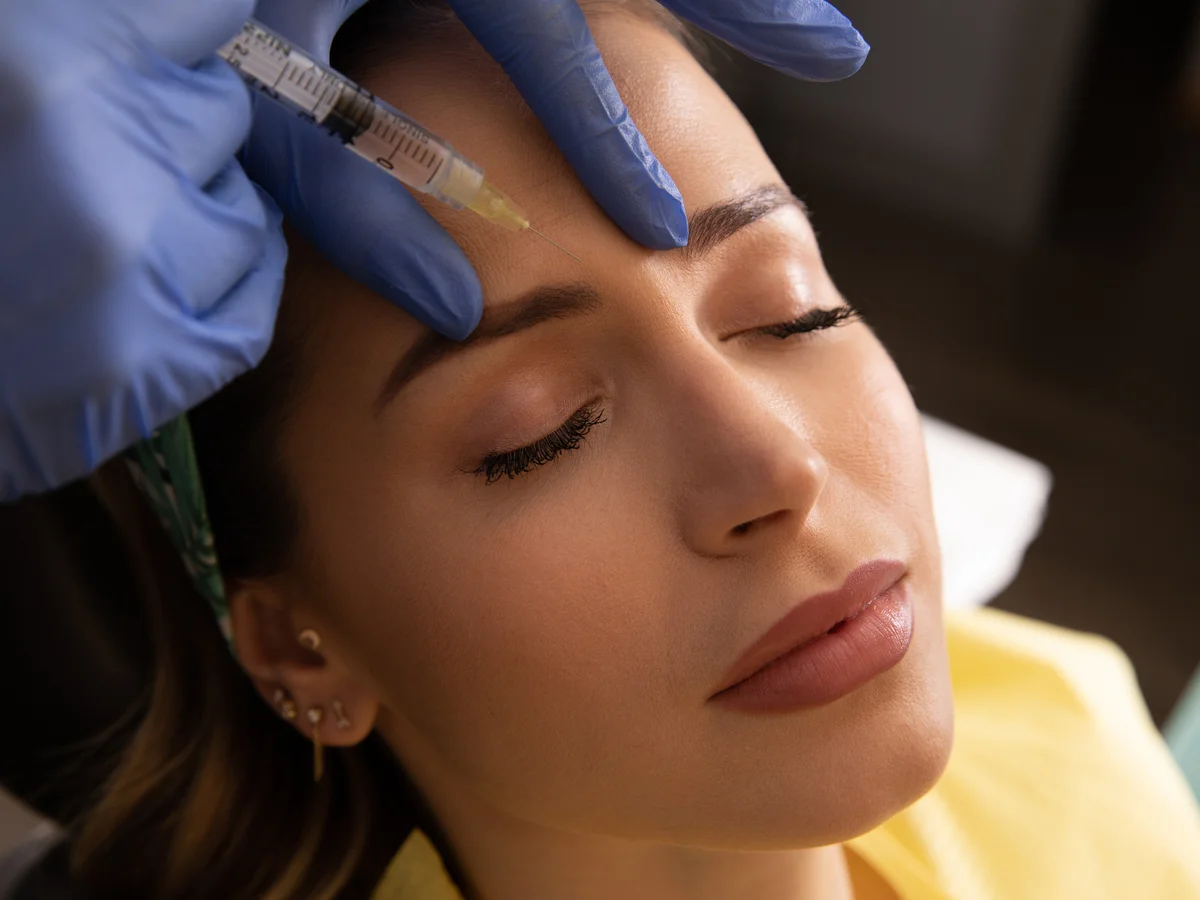
In a sweeping attempt to rein in what it describes as a “Wild West” of unregulated cosmetic treatments, the UK government has unveiled a plan to introduce strict licensing for Botox and filler clinics in England. The proposed regulations, which mark one of the most significant interventions into the burgeoning non-surgical cosmetic industry, are intended to protect the public from unqualified and dangerous practitioners who have, in many cases, caused harm or irreversible damage to vulnerable individuals.
Under the newly announced measures, only medically qualified professionals will be allowed to carry out high-risk procedures, including Brazilian butt lifts (BBLs) and breast fillers. These treatments, often deceptively marketed as “non-surgical,” involve invasive techniques and carry substantial medical risks. The government will also introduce tighter controls on who can perform other cosmetic procedures—such as lip fillers, Botox injections, and facial dermal fillers—with practitioners required to obtain official licences from local authorities. These licences will only be issued after meeting rigorous standards in safety training, premises inspection, and insurance coverage.

The proposed changes follow years of public outcry and growing alarm from health officials and campaigners over the absence of meaningful oversight in parts of the cosmetic sector. Non-surgical aesthetic enhancements have exploded in popularity in the UK, particularly among young women and social media users, creating a £3.6 billion industry but one that until now has largely operated without clear boundaries or legal safeguards.
Particular concern has been raised over procedures like the “liquid BBL”—an injection-based technique intended to enhance the shape and size of the buttocks. Although promoted as a less invasive alternative to surgical augmentation, liquid BBLs are among the most dangerous cosmetic treatments currently available, and have led to serious complications including nerve damage, infections, permanent scarring, and even death.
In one of the most tragic incidents to draw national attention, 26-year-old Alice Webb died in September 2024 following an unregulated BBL procedure. Her death is believed to be the first directly linked to this kind of treatment in the UK, and it has galvanized campaigners and health professionals to push for immediate change.
Health Minister Karin Smyth described the cosmetic industry as having been long plagued by “cosmetic cowboys causing serious, catastrophic damage.” She insisted that the new regulations are not designed to curtail personal choice, but to ensure safety, accountability, and the protection of patients. “This isn’t about stopping anyone from getting treatments,” Smyth said. “It’s about preventing rogue operators from exploiting people at the expense of their safety.”
The measures also aim to shield under-18s from being influenced by social media trends encouraging potentially dangerous treatments. Age restrictions are expected to be introduced for several procedures that are gaining popularity among teenagers and young adults online. The move is part of a broader campaign to reduce the social pressures associated with physical perfection, often exacerbated by unrealistic images circulating on platforms such as Instagram, TikTok, and Snapchat.
While the reforms have been widely welcomed across the health and beauty sectors, they are still in the early stages. The government has launched a public consultation to refine the licensing framework, and the proposed regulations will need to pass through Parliament before taking effect. Officials acknowledge that it could be several years before the full package of changes is implemented nationwide.
Nevertheless, key voices in the industry have praised the government’s initiative. Ashton Collins, director of Save Face—a national register for accredited aesthetic practitioners—said she had seen first-hand the damage that unregulated procedures could inflict. “I am delighted that the government has recognised the significant and potentially fatal risks posed by highly dangerous procedures like liquid BBLs,” she said, “and has made it a priority to implement restrictions to protect public safety.”

The Joint Council for Cosmetic Practitioners (JCCP), which has long called for tighter regulation, also applauded the plans. Professor David Sines, executive chair of the JCCP, said it was now “imperative” that all cosmetic professionals are not only licensed but also fully insured, properly trained, and operating from hygienic and legally compliant premises.
Currently, around 16,000 businesses are involved in offering non-surgical cosmetic treatments in England. Many of these operate in a legal grey area, with little oversight and few enforceable standards. While the majority may provide safe services, a lack of regulation means that even a small number of negligent or fraudulent providers can inflict disproportionate harm.
Adding to the urgency of reform, health authorities are presently investigating 38 suspected cases of poisoning linked to fake Botox injections, prompting a public reminder to seek out only registered professionals using licensed products. The growing market for counterfeit cosmetic products, often sourced online or from unverified suppliers, has further compounded the risks to public health.
The Scottish government, meanwhile, has already taken steps toward improving safety and standards within its own jurisdiction following a similar consultation process. Wales and Northern Ireland are expected to monitor developments in England closely as the regulatory conversation continues.
In what may mark a turning point for the cosmetic beauty industry, the UK government is signalling its intent to move beyond passive guidance and take active regulatory control. For an industry previously left to govern itself, the era of self-regulation appears to be coming to a close. As the public, parliamentarians, and professionals now prepare to engage in consultation, the future of cosmetic enhancements in the UK may soon look significantly different—safer, more transparent, and grounded in medical oversight rather than marketing hype.
Related News:
 Selfish Protein Powder Creates Buzz in UK as Women Say It Eases Bloating and Curbs Cravings
 How Style Guru Giorgio Armani Revolutionised Fashion
 Princess Kate Faces Heartbreak as Beloved Fashion Brand Cefinn Announces Closure
 Skims Eyes Global Expansion After Reaching $5 Billion Value
 Boots Showstopper Beauty Bundle Outshines Many Advent Calendars This Holiday Season
 Toniebox Goes on Sale for Black Friday Savings
 Ouai Haircare Black Friday Deals: My Favourite Products
 The Ordinary Anti-Ageing Set Now 20% Off This Black Friday