Published: 24 June 2026. The English Chronicle Desk. The English Chronicle Online.
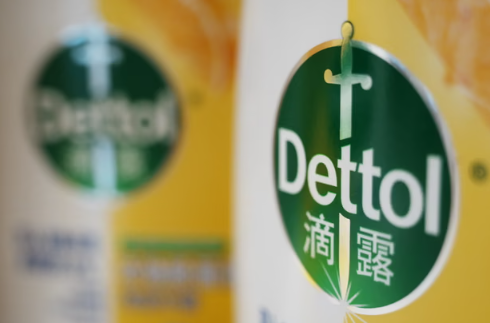
The British household hygiene giant Dettol faces intense public scrutiny after its recent advertising campaign in China triggered immense public outrage across multiple social media networks. The controversial promotional video intended to challenge deeply ingrained patriarchal mindsets but instead sparked massive accusations of insensitivity and widespread commercial irresponsibility. Millions of internet users criticized the presentation of the content, which led to immediate calls for a full consumer boycott.
The parent company, Reckitt, quickly pulled the commercial from all digital platforms over the weekend following the intense wave of digital condemnation. The five-minute digital micro-drama was originally launched across major online channels toward the final days of May this year. It prominently features a young male character who openly evaluates his romantic partner against his historical relationship experiences. The narrative takes a deeply controversial turn when he uncovers the cohabitation history of his former girlfriend.
He explicitly compares her previous romantic and domestic living arrangements to utilizing a used, secondhand service provider. The main character then proudly proclaims his desire to locate a completely pure and untouched domestic partner. He explicitly demands that his future spouse possess no prior intimate or physical relationship history whatsoever. The character casually admits his own lack of virginity while holding his female partners to impossible double standards.
He celebrates finding his current partner by describing her as completely uncontaminated by any previous male companionship. The short film attempts a dramatic moral resolution during its final scenes when the new girlfriend discovers his secret comments. She forcefully confronts his blatant misogyny and immediately terminates their romantic relationship with dramatic flair. As she angrily flings his dirty socks into a nearby washing machine, a loud voiceover explicitly delivers the brand message.
The narrator proclaims that toxic masculine behavior operates exactly like harmful biological germs within the modern household. The marketing message suggests that consumers require powerful Dettol products to eliminate these negative elements completely from their daily lives. This explicit comparison between human behavior and household bacteria quickly backfired among hundreds of thousands of online viewers.
Many consumers argued that the commercial inadvertently amplified the very sexist tropes it claimed to actively fight against. The official corporate response from the household brand arrived swiftly through a formal public statement published online. Dettol executives maintained that the promotional video initially aimed to challenge unequal gender attitudes across modern society. They asserted that the creative team intended to champion healthy, confident viewpoints regarding personal relationships and contemporary individual lifestyles.
However, the company argued that highly edited video clips circulating across the internet significantly distorted their original marketing message. Despite this defense, the multinational firm accepted full accountability for the widespread oversight in their promotional review process. They acknowledged that the digital media campaign had been conceptualized and produced alongside an external third-party creative agency.
Nevertheless, the brand took absolute responsibility for any corporate negligence regarding the creation and final approval of the media. The official statement emphasized that true human protection fundamentally involves safeguarding personal dignity and supporting universal individual rights. Despite these corporate expressions of deep regret, the public backlash continued to intensify rapidly across major social networks.
The viral topic accumulated more than eighty million individual views on the popular Chinese microblogging platform Weibo by Tuesday evening. Thousands of angry consumers left highly critical comments demanding an immediate and permanent boycott of all Reckitt manufactured goods. One prominent social media user expressed immense disgust by declaring they would never purchase another Dettol item again.
Industry analysts suggest that western brands must navigate complex cultural landscapes with far greater sociological awareness and sensitivity. This marketing disaster highlights the significant risks international companies face when addressing sensitive social issues within foreign consumer markets. Advertisers frequently struggle to balance edgy social commentary with traditional cultural expectations in highly competitive international spaces.
The incident serves as a stark reminder that modern digital audiences demand genuine authenticity rather than corporate opportunism. For now, Dettol must work incredibly hard to rebuild its damaged reputation among millions of disappointed global consumers. The long-term commercial impact of this advertising failure on Chinese market shares remains to be fully seen.
Related News:
 UK Banks Granted Reprieve as BoE Delays Basel III Capital Rules Until 2028
 Singapore Corruption Scandal: Details Emerge on Iswaran’s Luxury Flight and Ties to Tycoon Ong Beng Seng
 Corfu Beyond the Crowds: Discovering Serenity in Southern Villages and Hidden Taverns
 Zelenskyy Signs Fighter Jet Deal Amid Russian Drone Attacks
 Sundar Pichai Cautions on AI Hype and Market Risks
 Shadow Fleet at Sea: Europe’s Battle Against Illicit Oil Shipping
 Snow and Ice Cause Travel Chaos in North Yorkshire
 Director Michael Caton-Jones Reflects on Career and Beginnings
 Inside the Helpline Protecting Missing Children in the UK
 PlayStation PS5 Deals Hit Lowest Prices Ahead of Black Friday
 US Suspends Afghan Immigration After White House Shooting
 Five-Year-Old Dies After Rare Tonsil Surgery Complication
 Starmer Says Labour’s Economic Plan Needs Years to Deliver
 ‘Extinct’ Antelope Returns to Sahara, Bringing Hope
 IndiGo Cancels Hundreds of Flights Amid Pilot Shortages
 Young Britons Face Heaviest Burden from Ageing Population, Lords Warn
 U‑Turn on Farmers’ Inheritance Tax Sparks Political Firestorm
 Aston Villa Remain Arsenal’s Key Obstacle in Title Pursuit
 Irish Beach Tragedy: Irish Drown at Whitehaven Beach in Australia
 Starmer Faces Parliamentary Battles Over UK-EU ‘Reset’ Plan
 Met Police Vetting Failures Let Serial Rapists Remain
 Federal Immigration Shift: Officers Leave Louisiana for Minneapolis
 Fatal Bolton Taxi Crash Claims Three Teens and Driver
 Australia grants Asio powers to designate hate groups under new laws
 Friedman Uninvited From 2024 Adelaide Writers’ Week
 ScottishPower Tops List of Worst UK Energy Suppliers
 Judi Dench Champions Fight to Save London’s Green Spaces
 Crowborough Camp Welcomes First Asylum Seekers
 BBC Funding Crisis: Tim Davie Warns of Jeopardy Ahead
 ABC Facebook Page Briefly Hacked, Adult Photos Posted
 Artificial intelligence will cost jobs, admits Liz Kendall
 Older Women Vanish from BBC Screens, Review Confirms Bias
 Meta trial over child exploitation claims begins
 Streeting moves on doctor pay to end strike dispute
 Ben Stokes injury joke after brutal ball strike
 UK and US Drop in Global Corruption Index Rankings
 Send spending gap leaves deprived areas behind
 Hidden Crisis: Domestic Abuse Suicide Toll in UK
 UK Unemployment Rate Climbs to 5.2% Peak
 Canberra Poster Seizure Sparks Free Speech Row
 BBC World Cup Presenting Duties Shared Among Trio
 Wales Approves Assisted Dying Bill Consent
 CPS Updates Guidance on Honour-Based and Dowry Abuse
 Stewart Brand on Musk, Bezos and a Life of Long Thinking
 English Cricket Faces Moral Crisis Over Indian Investment
 Wes Streeting faces narrow road to Labour members’ favour
 Keir Starmer Struggles to Secure His Grip on Downing Street
 Trump and Xi Convene in Beijing for Historic High-Stakes Summit
 Farage Faces Standards Probe Over Cash Property Purchase
 Closing the Gap: UK Pensions Commission Demands Action
 Reality TV Under Scrutiny Following Serious Allegations
 UK Eases Russian Oil Sanctions as Fuel Costs Soar
 Alice Capsey Sparks England Win With Brilliant Fifty
 Maldives Cave Diving Tragedy Raises Safety Alarm
 Russian Electronic Attack Targets UK Defence Chief Jet
 UK Shoppers Face Prolonged Price Rises At Tills
 Tube Strike Brings Capital to a Standstill Over Shift Disputes
 Makerfield Voters Demand Real Change as Election Looms
 Man City Threaten Legal Action Over Haaland Real Madrid Shirt
 Celestial Waltz: Venus and Jupiter Meet at Twilight
 Abbott Signals Bold Strategy Change For Australian Right
 Ryanair Faces Probe Over Mandatory Family Seating Fees
 Britain’s Crowning Butterfly Takes the Nation by Storm
 Fifa Official Under Investigation Over Hand Gesture Controversy
 US Trafficking Arrest Exposes Shocking Exploitation
 Trump Signs Landmark Iran Accord in Versailles
 Grief and Devotion Amidst the Rubble of Nabatieh
 Stirchley Community Housing Scheme Faces Crisis
 UK Care Crisis: Row Explodes Over New Visa Settlement Rules
 Sainsbury’s Boss Optimistic As Grocery Inflation Eases
 US Advance Past Bosnia in World Cup Thriller
 Trump’s Mount Rushmore Speech: A Divisive Anniversary
 Trump’s Red-Card Intervention Hurts the US World Cup
 US Airman Avoids British Court in Indecent Exposure Case
 Britain’s Mini Fan Craze Sparks Major Waste Crisis
 Trump Swaps Planes Amid Iran Tensions
 Ann Widdecombe, Formidable Political Figure, Dies at 78
 UK Schools Struggle as Classrooms Top 40C
 Yemen Accuses Iran of Violating National Sovereignty
 Houthis Strike Saudi Arabia as Middle East Tensions Rise