Published: 15 April 2026. The English Chronicle Desk. The English Chronicle Online.
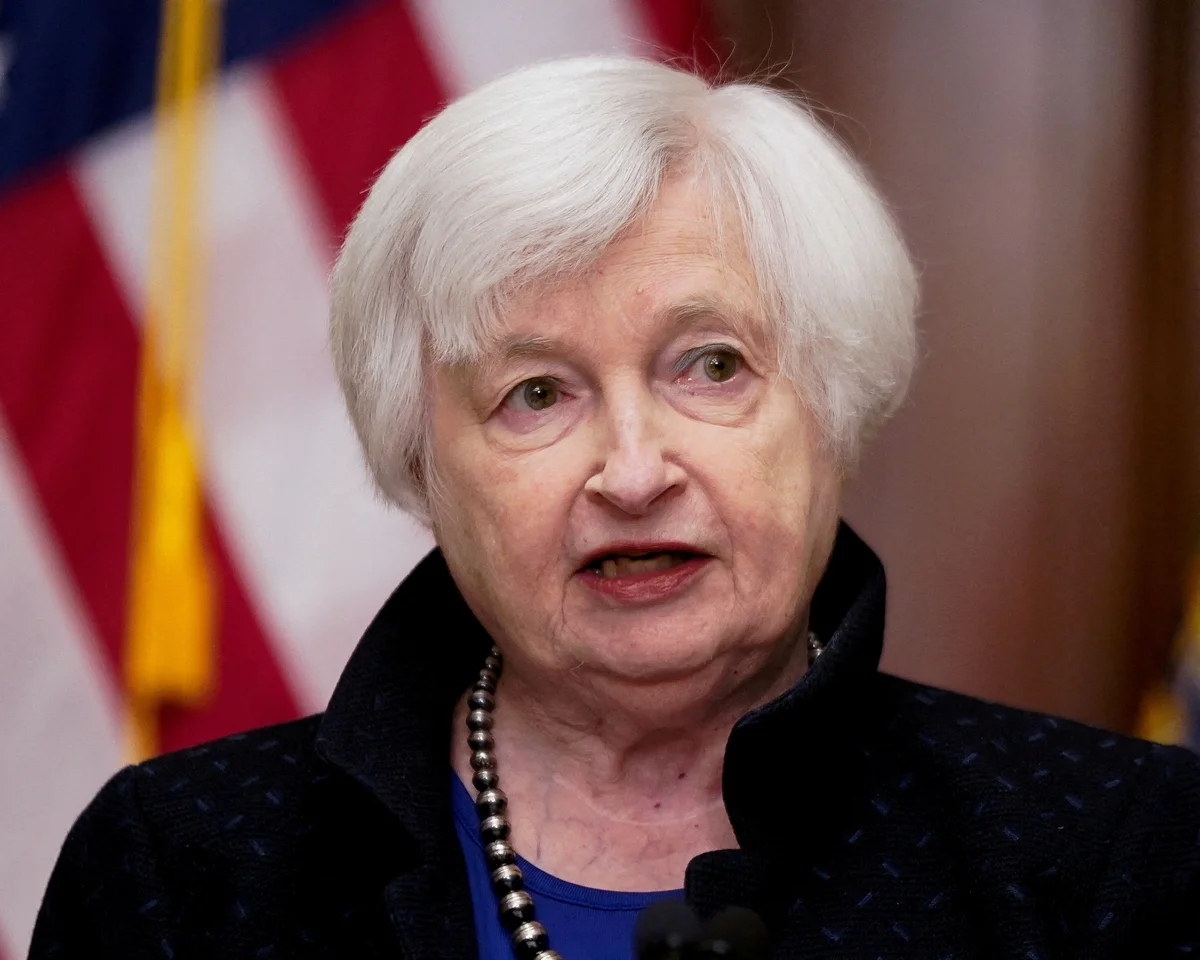
The delicate balance of global financial stability faced a sharp rhetorical challenge this week as Janet Yellen issued a stern warning. Speaking from a prestigious investor summit in Hong Kong, the former Federal Reserve chair delivered a scathing critique of Donald Trump. Her comments centered on the president’s persistent and vocal demands for the central bank to slash national interest rates immediately. Yellen suggested that such political interference mirrors the erratic economic management typically seen within a struggling banana republic. This comparison highlights a growing friction between the White House and the traditional independence of American fiscal policy.
The core of the dispute involves Trump’s desire to lower the cost of servicing massive federal debts. With the United States national debt now reaching a staggering total of thirty-nine trillion dollars, costs are high. Trump argues that the nation should benefit from the lowest interest rates currently available in the modern world. He shared these views aggressively on his Truth Social platform to rally his broad base of supporters. Yellen finds this approach deeply troubling for a developed nation that prides itself on stable market institutions. She noted that such demands are rarely heard from the leaders of the world’s most advanced economies.
Political pressure on a central bank often leads to long-term economic consequences that are difficult to reverse. Yellen argued that when politicians control interest rates, they often prioritize cheap borrowing over stable consumer prices. This dynamic can cause inflation to spiral out of control as the money supply expands without proper restraint. Throughout history, independent central banks have served as a necessary firewall against such short-sighted and risky political goals. By removing this barrier, the United States might risk losing the trust of international investors and markets. Such a loss of credibility could undermine the status of the dollar as a global reserve currency.

The history of the Federal Reserve is defined by its ability to resist the whims of presidents. Yellen herself led the institution with a focus on data and long-term health from 2014 until 2018. She was eventually succeeded by Jerome Powell, who has also faced significant personal attacks from the current administration. Trump has famously referred to Powell as a moron for failing to lower rates at his command. This public hostility creates an environment of uncertainty for businesses that rely on predictable and steady governance. As Powell prepares to step down next month, the future direction of the bank remains highly uncertain.
Trump has nominated Kevin Warsh to take over the leadership of the powerful Federal Reserve Board soon. Warsh has attempted to justify lower rates by pointing toward the massive productivity gains promised by artificial intelligence. He believes that AI will grow the economy so fast that traditional inflationary pressures will simply vanish. However, Yellen remains skeptical of this optimistic theory and questioned whether other governors would support his view. She noted that former chair Alan Greenspan earned respect through deep expertise and very rigorous economic evidence. In her estimation, Warsh does not yet possess that same level of professional credibility among his peers.
The internal debate at the Federal Reserve comes at a time of significant global geopolitical and economic tension. Policymakers last reduced interest rates in December to a range between three point five and four percent. Since then, the escalating war in Iran has created fresh fears of a sudden spike in inflation. Energy prices are rising as conflict threatens the supply lines that power much of the global economy. These external shocks make the task of setting interest rates much more complex than the president suggests. The board must balance the need for growth against the risk of a devastating cost of living crisis.
While Yellen spoke in Hong Kong, other financial leaders gathered in Washington for the vital IMF spring meetings. Bank of England Governor Andrew Bailey used this moment to deliver a significant speech in New York City. He echoed Yellen’s concerns by underscoring the absolute necessity of maintaining the independence of all central banks. Bailey described the recent surge in oil prices as a major supply shock for the entire world. The Bank of England must now carefully assess how this conflict affects the domestic cost of goods. Any political interference during such a sensitive time could lead to a very poorly timed policy mistake.
The International Monetary Fund has even raised the terrifying prospect of a deep and painful global recession. This outcome becomes much more likely if the Strait of Hormuz remains closed for an extended period of time. Such a closure would choke off a large portion of the world’s oil and liquid gas supplies. In this context, the demand for lower interest rates seems disconnected from the harsh realities of global trade. If the Fed cuts rates while energy prices are soaring, they might inadvertently fuel a massive inflationary fire. This is why economists like Yellen insist that data, not politics, must drive every single rate decision.
The British public and investors are watching these American developments with a great deal of caution and concern. Because the global economy is so interconnected, a crisis in Washington quickly spreads across the entire Atlantic Ocean. If the United States loses its reputation for sound money, the British pound will feel the impact. UK markets rely on the stability of the US Treasury market to price their own long-term financial products. A “banana republic” shift in America would likely destabilize the retirement funds and savings of millions of people. Therefore, the independence of the Federal Reserve is not just an American issue but a global one.

Despite the pressure, the Federal Reserve governors are legally bound to pursue maximum employment and stable price levels. Their dual mandate is designed to protect the economy from the volatile cycles of the modern political world. When a president attacks these civil servants, it creates a rift that can take decades to fully heal. Yellen’s intervention serves as a reminder that the rules of economics do not change for any individual leader. Whether Kevin Warsh can navigate these political waters while maintaining market confidence remains a very open question. The Senate confirmation process will likely be a battleground for these two competing visions of national governance.
As the week progresses, the eyes of the financial world will remain fixed on the meetings in Washington. Finance ministers will attempt to coordinate a response to the rising threats of war and persistent global inflation. They will also likely discuss how to handle a United States government that seems increasingly hostile to expertise. The rhetoric coming from the White House is changing how the world views the stability of American leadership. Janet Yellen has sounded an alarm that she hopes will resonate with both the public and the policymakers. The coming months will reveal if the foundations of the global financial system can withstand this pressure.
Related News:
 Reeves Faces Setback as Labour May Miss Homes Target
 Virgin Trains Moves Closer to Challenging Eurostar Monopoly
 Trump’s UK Ambassador Urges North Sea Drilling to Strengthen US Ties
 Ryanair Chief UK Economy ‘Doomed’ Under Labour
 M&S Profits More Than Halve After Cyber-Attack
 Earl of Yarmouth Faces £1.3m Legal Bill Over Family Estate
 Millionaires group urge Reeves to introduce wealth tax to ‘lift kids out of poverty’
 From Lego to Pokémon: How Adults Are Driving UK Toy Market Growth
 New laws to bolster UK’s defences against cyber attacks on NHS, transport and energy
 Canada Passes Carney’s First Budget in Tight Parliamentary Vote
 Starmer Says Labour’s Economic Plan Needs Years to Deliver
 Virgin Media Fined £23.8m Over Telecare Safety Failures
 Starmer Faces Parliamentary Battles Over UK-EU ‘Reset’ Plan
 Reeves Pub Business Rates U-Turn Calms Labour Revolt
 ScottishPower Tops List of Worst UK Energy Suppliers
 Markets Slide As Gold Rally Signals Risk From Trump Greenland Tariff Plan
 UK Eyes Global Investment with Visa Fee Refunds
 City & Guilds pay surge sparks backlash amid £22m cuts
 UK Inflation Hits 3.4% in December, Ending Five-Month Decline
 Trump Fed bid heads to Supreme Court
 UK Government Borrowing Drops to £11.6bn in December
 ‘Black Tax’: Burden, Pride and Survival for African Workers
 AI job losses UK: Britain faces sharper employment shock
 India-EU Free Trade Deal Marks Historic Economic Shift
 EU Signals Open Mind on UK Customs Union Talks
 Telstra AI jobs cuts as automation drive expands
 BT Names New Openreach Chief Amid Major Fibre Expansion
 UK Banks Plot Payment Backup Amid Trump Fears
 UK Unemployment Rate Climbs to 5.2% Peak
 UK shelves £110m border project amid trade strain
 Aston Martin Cuts 20% Jobs Amid £363m Loss
 Switching Energy Deal Can Save £200 as Price Cap Falls
 Rachel Reeves Faces Middle East Conflict Test
 Grocery Inflation Rises Amid War Fears
 BrewDog sold Highland estate for knockdown price after abandoning reforestation plans
 UK Energy Reform Could Cut Bills by £200
 Rising Costs Force Families to Rethink Days Out
 Oil Slides, Stocks Jump on Trump Peace Signals
 UK inflation held at 3% before global energy price hit
 Ticketmaster Fees Rise Despite Recent US Junk Fee Crackdown
 M&S Demands Urgent Action on Rising Violent Retail Crime
 New Era for Sick Pay as Millions Gain Critical Rights
 Oil Prices Surge as Trump Issues New Deadline to Iran
 US and Iran Agree to Two-Week Provisional Ceasefire
 Stefano Gabbana Resigns as Chair of Italian Luxury Giant
 Rolls-Royce SMR Secures £600m Boost for Nuclear Future
 Aegon Sells Historic UK Arm to Standard Life for £2bn
 Primark Set for Independence from ABF Food Giant
 Australia’s Economic Anxiety: Is a Recession Looming?
 Lords Demand Larger Fiscal Buffers for UK
 $13bn World Cup Set to Break All Revenue Records
 Trump approval plunges amid Iran war fears
 Heathrow Chair Seeks Peace to Save Third Runway
 Tough Fiscal Realities Await Next Scottish Government
 US Awaits Iran Reply on New Ceasefire Proposal
 Aramco Surges as East-West Pipeline Counters Gulf Tensions
 Big Tobacco Under Fire Over Controversial New Ad Campaign
 High Street Crisis: Fears Grow Over Post Office Closures
 UK Firms Freeze Spending as Iran Conflict Bites
 Summer Shock: British Energy Bills Set for Grim July Hike
 Reeves to Fast-Track Clean Energy Amid Iran Crisis
 Oil Markets Face ‘Red Zone’ Threat Amid Iran Crisis
 Belfast Approves Pilot Extension of Sunday Trading Hours
 Albanese Defends Tax Reforms Amid Emotional Speech
 Tube Strike Brings Capital to a Standstill Over Shift Disputes
 BP Stands Firm on Amanda Blanc Amid Boardroom Storm
 UK House Prices Drop For Third Month Due To War Fears
 Top Chefs Back Andy Burnham to Save UK Hospitality Sector
 GSK Secures Landmark $10.6bn Deal for Nuvalent
 UK Economy Suffers a Sharp Downturn as Iran Conflict Bites
 AI Scams Push UK Investment Fraud Past £220m
 Rethinking the Blueprint for Youth Employment in Britain
 Sainsbury’s Boss Optimistic As Grocery Inflation Eases
 UK Households Suffer Squeeze As Disposable Incomes Drop
 Creditors Eye Thames Water Even Under Nationalisation
 Record £28m Fine for Virgin Media Over Cancellation Woes
 Jet2 Sees Summer Surge Despite Global Tensions
 Ukraine Creates Long-Range Strike Command
 BBC Faces Real Jeopardy as Licence Fee Income Declines
 Thames Water Future Remains Uncertain Amid Funding Crunch