Published: 21 April 2026. The English Chronicle Desk. The English Chronicle Online.
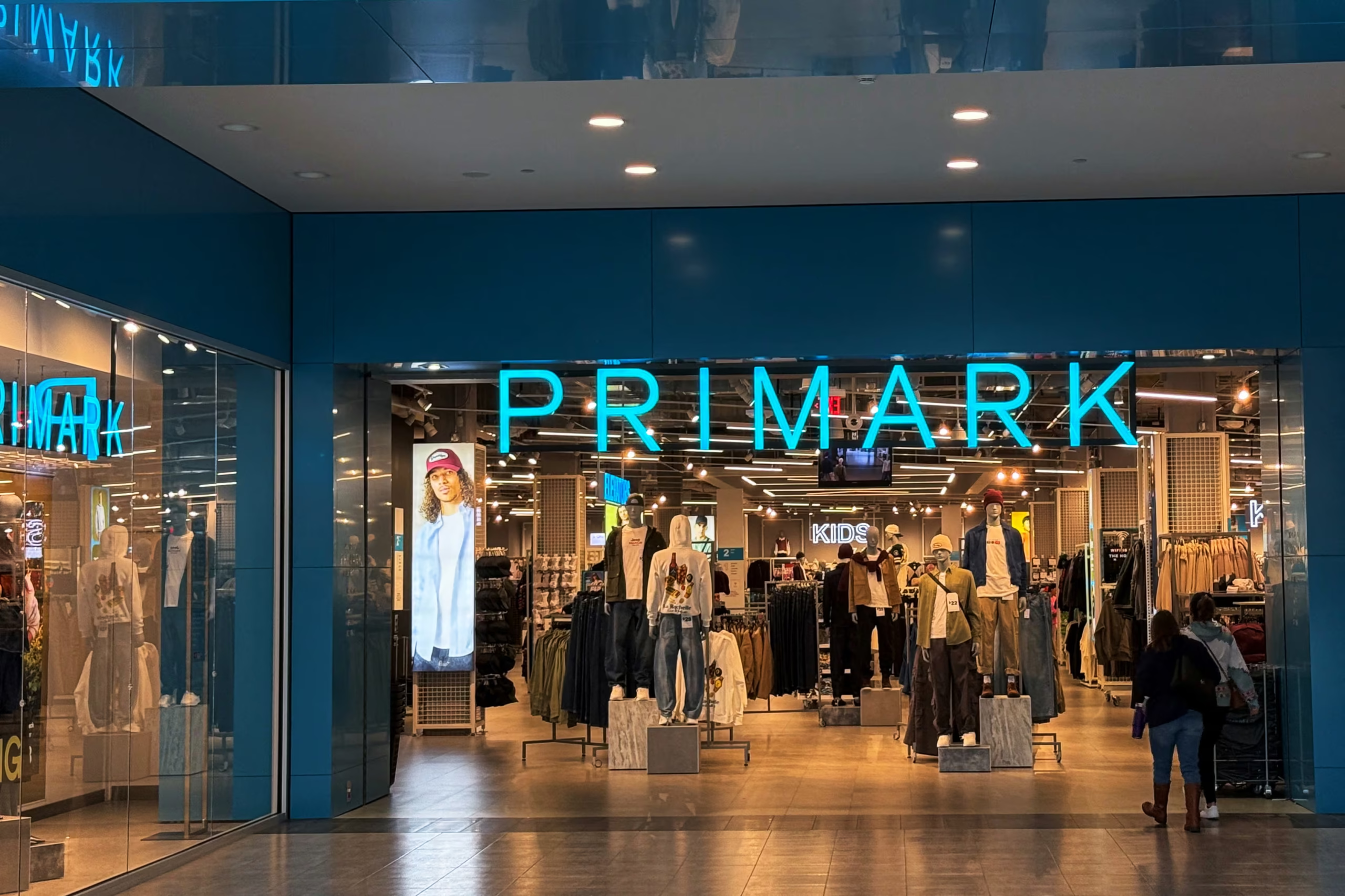
The business landscape in the United Kingdom is witnessing a massive strategic transformation today. Associated British Foods has officially confirmed plans to separate its massive fashion brand. Primark will soon operate as an independent entity distinct from its parent food company. This parent group currently owns well-known brands like Twinings, Kingsmill, and also Patak’s. The decision follows intense internal discussions that were first proposed publicly just last year. Executives believe this separation is essential to maximize value for all of their shareholders. Both companies will now have the freedom to pursue their own unique growth strategies. The complex demerger process is expected to reach its final completion by late 2027. This move marks a historic shift for one of the most famous British conglomerates.
The official announcement arrived alongside a sobering report regarding the group’s recent financial performance. Associated British Foods reported that total group sales fell by two percent this period. This decline brought the total sales figure down to nine point four six billion pounds. Pre-tax profits also suffered, showing a nine percent decline to six hundred million pounds. Several factors contributed to these challenging financial results across the company’s broad portfolio. Their sugar business performed significantly below initial expectations throughout the first half of year. That specific division is now unfortunately expected to report a loss for this year. Furthermore, the wider grocery business faced extremely weak trading conditions across the United States.

Primark itself has encountered a difficult period within the broader global clothing market today. Sales at established stores across the world fell by two point seven percent recently. The situation presents a mixed picture when examining the performance of individual regions. In the United Kingdom, Primark sales actually rose as the chain gained market share. The brand remains a popular choice for budget-conscious shoppers across the entire nation today. However, this domestic success was unfortunately offset by a sharp decline in mainland Europe. Sales in Europe dropped by five point six percent during this same fiscal period. The company noted that consumer confidence in those specific regions remains quite weak currently. Additionally, digital integration efforts in Europe lag behind the progress made in Britain.
The broader international climate is also weighing heavily on the minds of corporate leadership. The company reported an encouraging start to spring trading during the month of March. However, this initial momentum slowed significantly as trading softened during the month of April. Leadership noted that they are now seeing the tangible impact of Middle East conflict. This ongoing instability is starting to influence the spending habits of everyday fashion consumers. George Weston serves as the chief executive of the parent group, Associated British Foods. He stated that the company is actively managing these complex geopolitical and economic impacts. Given current information, he expects the cost consequences for 2026 to be manageable.
Despite this optimism, the executive team remains cautious about the potential for further disruption. Weston acknowledged a clear risk to Primark sales if the regional conflict should persist. A deterioration in overall consumer spending remains a significant concern for the retail giant. Fortunately, the company possesses a very strong balance sheet to support its long-term resilience. This financial stability provides a crucial safety net during these times of global uncertainty. George Weston is a member of the family that controls the current parent group. He has served as the long-term chief executive of the wider group for years. Following the demerger, Weston will transition to lead the remaining food-focused business entity.
The future leadership team for the fashion arm is already settled and clearly defined. Eoin Tonge will remain as the chief executive of the standalone Primark retail business. Tonge is an incredibly experienced professional with a deep background in the retail industry. He previously served as the finance director for the parent group and Marks Spencer. His previous experience also includes a key role at the food producer firm Greencore. The board of directors expresses deep confidence in his ability to steer the retailer. Primark will operate as a focused fashion powerhouse under his expert and steady guidance. This appointment signals a commitment to maintaining stability during the upcoming corporate transition period.
The chair of Associated British Foods, Michael McLintock, provided clarity on the board’s reasoning. He stated that they concluded the demerger was the best path for future returns. The decision reflects the massive scale that the fashion chain has achieved to date. Furthermore, it highlights a pressing need for a better understanding of the food business. Investors often struggle to value a group with such vastly different business model components. By splitting the entities, the company hopes to create better clarity for all stakeholders. The board firmly believes that both organizations will thrive as separate, independent market entities. Each company can now focus exclusively on the core competencies that drive its success.

The upcoming separation is an important step in the evolution of this British corporate giant. Weston emphasized that the separation will allow for a deeper understanding of their portfolio. The food business will position itself as the only FTSE one hundred pure-play producer. This specialization should attract a new wave of investors who prefer food industry exposure. Conversely, Primark will continue to pursue its aggressive expansion strategy in the retail market. The company will now possess the agility to react faster to changing global trends. Retail analysts are already speculating on the potential growth paths for the new business. The fashion industry expects Primark to maintain its aggressive pricing model during this time.
Management remains focused on navigating the current market challenges while executing this complex strategy. They must balance the immediate pressures of the conflict with long-term corporate restructuring goals. The retail sector continues to be a volatile space for even the strongest brands. Maintaining market share in the United Kingdom remains a top priority for the team. Meanwhile, the food division must work to reverse the recent losses in sugar production. These are significant tasks for any management team regardless of their overall experience levels. The company appears determined to complete this transformation within the next eighteen months’ time. Shareholders will be watching these developments very closely in the coming financial quarters ahead.
The transition marks the end of a long era for this iconic British institution. It is a bold move that reflects the changing nature of the modern economy. Investors are eager to see how the two separate entities perform on the exchange. The success of this demerger will likely serve as a case study for others. Only time will reveal if the separation delivers the value that the leadership anticipates. For now, the focus remains on stabilization and growth during this period of change. The British public will continue to visit Primark stores for their affordable fashion needs. Simultaneously, the food brands will remain staple items in many households across the kingdom.
Related News:
 Reeves Faces Setback as Labour May Miss Homes Target
 Virgin Trains Moves Closer to Challenging Eurostar Monopoly
 Trump’s UK Ambassador Urges North Sea Drilling to Strengthen US Ties
 Ryanair Chief UK Economy ‘Doomed’ Under Labour
 M&S Profits More Than Halve After Cyber-Attack
 Earl of Yarmouth Faces £1.3m Legal Bill Over Family Estate
 Millionaires group urge Reeves to introduce wealth tax to ‘lift kids out of poverty’
 From Lego to Pokémon: How Adults Are Driving UK Toy Market Growth
 New laws to bolster UK’s defences against cyber attacks on NHS, transport and energy
 Canada Passes Carney’s First Budget in Tight Parliamentary Vote
 Starmer Says Labour’s Economic Plan Needs Years to Deliver
 Virgin Media Fined £23.8m Over Telecare Safety Failures
 Starmer Faces Parliamentary Battles Over UK-EU ‘Reset’ Plan
 Reeves Pub Business Rates U-Turn Calms Labour Revolt
 ScottishPower Tops List of Worst UK Energy Suppliers
 Markets Slide As Gold Rally Signals Risk From Trump Greenland Tariff Plan
 UK Eyes Global Investment with Visa Fee Refunds
 City & Guilds pay surge sparks backlash amid £22m cuts
 UK Inflation Hits 3.4% in December, Ending Five-Month Decline
 Trump Fed bid heads to Supreme Court
 ‘Black Tax’: Burden, Pride and Survival for African Workers
 AI job losses UK: Britain faces sharper employment shock
 India-EU Free Trade Deal Marks Historic Economic Shift
 EU Signals Open Mind on UK Customs Union Talks
 Telstra AI jobs cuts as automation drive expands
 BT Names New Openreach Chief Amid Major Fibre Expansion
 UK Banks Plot Payment Backup Amid Trump Fears
 UK Unemployment Rate Climbs to 5.2% Peak
 UK shelves £110m border project amid trade strain
 Aston Martin Cuts 20% Jobs Amid £363m Loss
 Switching Energy Deal Can Save £200 as Price Cap Falls
 Rachel Reeves Faces Middle East Conflict Test
 Grocery Inflation Rises Amid War Fears
 BrewDog sold Highland estate for knockdown price after abandoning reforestation plans
 UK Energy Reform Could Cut Bills by £200
 Rising Costs Force Families to Rethink Days Out
 Oil Slides, Stocks Jump on Trump Peace Signals
 UK inflation held at 3% before global energy price hit
 Ticketmaster Fees Rise Despite Recent US Junk Fee Crackdown
 M&S Demands Urgent Action on Rising Violent Retail Crime
 New Era for Sick Pay as Millions Gain Critical Rights
 Oil Prices Surge as Trump Issues New Deadline to Iran
 US and Iran Agree to Two-Week Provisional Ceasefire
 Stefano Gabbana Resigns as Chair of Italian Luxury Giant
 Rolls-Royce SMR Secures £600m Boost for Nuclear Future
 Aegon Sells Historic UK Arm to Standard Life for £2bn
 Central Bank Chiefs Hold Crisis Simulation in Washington
 UK Staycations Rise as Travel Fears Grow
 Australia’s Economic Anxiety: Is a Recession Looming?
 Lords Demand Larger Fiscal Buffers for UK
 $13bn World Cup Set to Break All Revenue Records
 Trump approval plunges amid Iran war fears
 Heathrow Chair Seeks Peace to Save Third Runway
 Tough Fiscal Realities Await Next Scottish Government
 US Awaits Iran Reply on New Ceasefire Proposal
 Aramco Surges as East-West Pipeline Counters Gulf Tensions
 Big Tobacco Under Fire Over Controversial New Ad Campaign
 High Street Crisis: Fears Grow Over Post Office Closures
 UK Firms Freeze Spending as Iran Conflict Bites
 Summer Shock: British Energy Bills Set for Grim July Hike
 Reeves to Fast-Track Clean Energy Amid Iran Crisis
 Oil Markets Face ‘Red Zone’ Threat Amid Iran Crisis
 Belfast Approves Pilot Extension of Sunday Trading Hours
 Albanese Defends Tax Reforms Amid Emotional Speech
 Tube Strike Brings Capital to a Standstill Over Shift Disputes
 BP Stands Firm on Amanda Blanc Amid Boardroom Storm
 UK House Prices Drop For Third Month Due To War Fears
 Top Chefs Back Andy Burnham to Save UK Hospitality Sector
 GSK Secures Landmark $10.6bn Deal for Nuvalent
 UK Economy Suffers a Sharp Downturn as Iran Conflict Bites
 AI Scams Push UK Investment Fraud Past £220m
 Rethinking the Blueprint for Youth Employment in Britain
 Sainsbury’s Boss Optimistic As Grocery Inflation Eases
 UK Households Suffer Squeeze As Disposable Incomes Drop
 Creditors Eye Thames Water Even Under Nationalisation
 Record £28m Fine for Virgin Media Over Cancellation Woes
 Jet2 Sees Summer Surge Despite Global Tensions
 Ukraine Creates Long-Range Strike Command
 BBC Faces Real Jeopardy as Licence Fee Income Declines
 Thames Water Future Remains Uncertain Amid Funding Crunch