Published: 23 April 2026. The English Chronicle Desk. The English Chronicle Online.
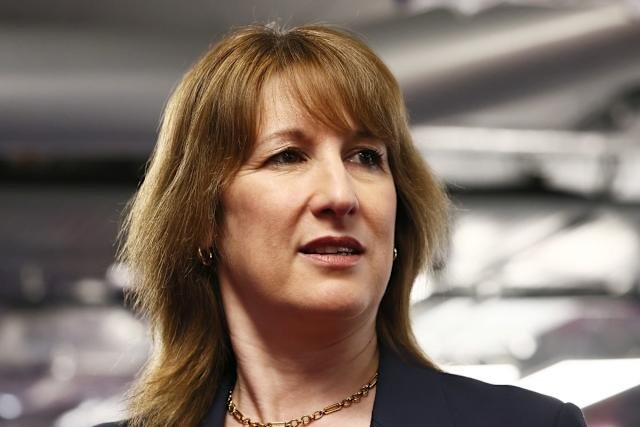
The British government has successfully managed to keep its annual borrowing below official expectations. Official data released today shows that public sector net borrowing came in lower than anticipated. This result provides a brief moment of relief for Chancellor Rachel Reeves amid economic pressures. The figures reveal a total net borrowing of 132 billion pounds for the fiscal year. This amount remains slightly beneath the target set by the Office for Budget Responsibility recently. While this achievement is notable, the broader economic outlook suggests some significant challenges lie ahead. Global volatility remains a persistent threat to the stability of our nation’s public finances today. The ongoing war in the Middle East poses a serious risk to our fiscal headroom. Experts warn that these geopolitical tensions could soon impact the government’s carefully balanced financial plans.
For the fiscal year ending in March, the government borrowed significantly less than the prior year. Total borrowing dropped by nearly 20 billion pounds compared to the previous twelve month period. This represents a meaningful decline, yet the figure remains among the highest on record. Economists have welcomed this lower headline number as a positive sign for the national budget. The data for the final month of the year also showed a smaller than expected deficit. Public sector net borrowing reached just over 12 billion pounds during the month of March alone. This particular monthly result proved better than many analysts had predicted in their recent forecasts. Revisions to earlier data also played a role in improving the final annual financial picture.

January experienced a stronger performance than previously recorded, which helped bolster the overall yearly statistics. Meanwhile, the February figures were revised downward, further easing pressure on the final annual calculation. The Chief Secretary to the Treasury highlighted that these results validate the current government strategy. He noted that the plan to cut borrowing is yielding the desired results for Britain. Decisions made by the Treasury are aimed at maintaining economic stability in a volatile world. The administration is focused on keeping costs low while simultaneously enhancing our national energy security. However, managing the balance between essential public services and debt reduction remains a difficult task.
Chancellor Reeves introduced substantial tax increases in her previous budget to address rising public spending. These measures were designed to offset costs related to infrastructure upgrades and vital public services. A strict fiscal rule now mandates that daily spending must be covered by tax revenue. This rule is expected to be fully met by the end of this parliamentary session. Government expenditure on day-to-day operations has continued to rise significantly throughout the past year. Higher spending levels reflect the ongoing needs of our public sector and growing service demands. Simultaneously, tax receipts for the central government have increased at a very healthy annual pace.
Income tax revenues have seen a significant rise, contributing substantially to the total central revenue. Value Added Tax receipts and corporation taxes also climbed steadily during the last financial year. Furthermore, modifications to national insurance contributions brought in a large amount of extra revenue funds. These combined tax inflows have provided the government with the necessary resources to cover rising expenses. Despite these gains, some specific areas show a notable decline in consumer spending habits recently. The collection of fuel duty reached its lowest point since the middle of last summer. This trend might suggest that citizens are driving less to avoid high petrol costs.
Reducing the overall national debt remains a top priority for the Chancellor in the future. The national debt currently stands at nearly ninety-four percent of our total gross domestic product. This ratio has reached levels not witnessed in the country since the early sixties period. Servicing this massive mountain of debt continues to require a very large financial commitment annually. Interest payments on government debt rose by over twelve billion pounds during the last year. While these costs remain high, the monthly interest payment fell compared to the previous year. This slight reduction offers a small measure of comfort to those managing the national coffers.
The Chancellor recently announced that her fiscal buffer had grown larger in her latest projections. This headroom was intended to ensure that future fiscal rules could be met by 2030. Having this financial cushion is vital for navigating potential shocks in the global economic landscape. Unfortunately, the current conflict in the Middle East threatens to erode this hard-won fiscal buffer. Rising inflation and potential job losses are creating new headwinds for the domestic UK economy. Additionally, higher interest rates could further squeeze the limited space within the government budget plans. Market volatility often complicates the ability of any government to predict its long-term financial path.

Financial experts at leading research institutions have expressed concerns about the sustainability of these improvements. They suggest that the recent positive performance is unlikely to last throughout the coming year. A major energy price shock could lead to significantly higher borrowing than the government expects. Projections indicate that borrowing might overshoot current forecasts by a massive amount next year. Subsequent years could also face substantial deficits due to these ongoing global economic pressures. The Resolution Foundation has warned that a worsening conflict could hit public finances quite hard. Such an event would wipe out most of the Chancellor’s carefully calculated fiscal headroom.
The government must now prepare for a period of heightened uncertainty and economic strain. Balancing the demands of public infrastructure against limited revenue sources will be increasingly difficult now. Policymakers are keeping a close watch on how global events will influence future borrowing requirements. The upcoming months will be critical for determining the true state of the national economy. Maintaining fiscal discipline will be essential as the Chancellor navigates these choppy economic waters. Public confidence depends on the government’s ability to manage these risks with wisdom and caution. The coming budget reviews will surely reflect these ongoing international and domestic financial challenges today. Every decision made in the Treasury will be scrutinized for its impact on our future. The path forward requires steady leadership to ensure the long-term prosperity of the British nation.
Related News:
 Reeves Faces Setback as Labour May Miss Homes Target
 Virgin Trains Moves Closer to Challenging Eurostar Monopoly
 Trump’s UK Ambassador Urges North Sea Drilling to Strengthen US Ties
 Ryanair Chief UK Economy ‘Doomed’ Under Labour
 M&S Profits More Than Halve After Cyber-Attack
 Earl of Yarmouth Faces £1.3m Legal Bill Over Family Estate
 Millionaires group urge Reeves to introduce wealth tax to ‘lift kids out of poverty’
 From Lego to Pokémon: How Adults Are Driving UK Toy Market Growth
 New laws to bolster UK’s defences against cyber attacks on NHS, transport and energy
 Canada Passes Carney’s First Budget in Tight Parliamentary Vote
 Starmer Says Labour’s Economic Plan Needs Years to Deliver
 Virgin Media Fined £23.8m Over Telecare Safety Failures
 Starmer Faces Parliamentary Battles Over UK-EU ‘Reset’ Plan
 Reeves Pub Business Rates U-Turn Calms Labour Revolt
 ScottishPower Tops List of Worst UK Energy Suppliers
 Markets Slide As Gold Rally Signals Risk From Trump Greenland Tariff Plan
 UK Eyes Global Investment with Visa Fee Refunds
 City & Guilds pay surge sparks backlash amid £22m cuts
 UK Inflation Hits 3.4% in December, Ending Five-Month Decline
 Trump Fed bid heads to Supreme Court
 ‘Black Tax’: Burden, Pride and Survival for African Workers
 AI job losses UK: Britain faces sharper employment shock
 India-EU Free Trade Deal Marks Historic Economic Shift
 EU Signals Open Mind on UK Customs Union Talks
 Telstra AI jobs cuts as automation drive expands
 BT Names New Openreach Chief Amid Major Fibre Expansion
 UK Banks Plot Payment Backup Amid Trump Fears
 UK Unemployment Rate Climbs to 5.2% Peak
 UK shelves £110m border project amid trade strain
 Aston Martin Cuts 20% Jobs Amid £363m Loss
 Switching Energy Deal Can Save £200 as Price Cap Falls
 Rachel Reeves Faces Middle East Conflict Test
 Grocery Inflation Rises Amid War Fears
 BrewDog sold Highland estate for knockdown price after abandoning reforestation plans
 UK Energy Reform Could Cut Bills by £200
 Rising Costs Force Families to Rethink Days Out
 Oil Slides, Stocks Jump on Trump Peace Signals
 UK inflation held at 3% before global energy price hit
 Ticketmaster Fees Rise Despite Recent US Junk Fee Crackdown
 M&S Demands Urgent Action on Rising Violent Retail Crime
 New Era for Sick Pay as Millions Gain Critical Rights
 Oil Prices Surge as Trump Issues New Deadline to Iran
 US and Iran Agree to Two-Week Provisional Ceasefire
 Stefano Gabbana Resigns as Chair of Italian Luxury Giant
 Rolls-Royce SMR Secures £600m Boost for Nuclear Future
 Aegon Sells Historic UK Arm to Standard Life for £2bn
 Central Bank Chiefs Hold Crisis Simulation in Washington
 UK Staycations Rise as Travel Fears Grow
 Australia’s Economic Anxiety: Is a Recession Looming?
 Lords Demand Larger Fiscal Buffers for UK
 $13bn World Cup Set to Break All Revenue Records
 Trump approval plunges amid Iran war fears
 Heathrow Chair Seeks Peace to Save Third Runway
 Tough Fiscal Realities Await Next Scottish Government
 US Awaits Iran Reply on New Ceasefire Proposal
 Aramco Surges as East-West Pipeline Counters Gulf Tensions
 Big Tobacco Under Fire Over Controversial New Ad Campaign
 High Street Crisis: Fears Grow Over Post Office Closures
 UK Firms Freeze Spending as Iran Conflict Bites
 Summer Shock: British Energy Bills Set for Grim July Hike
 Reeves to Fast-Track Clean Energy Amid Iran Crisis
 Oil Markets Face ‘Red Zone’ Threat Amid Iran Crisis
 Belfast Approves Pilot Extension of Sunday Trading Hours
 Albanese Defends Tax Reforms Amid Emotional Speech
 Tube Strike Brings Capital to a Standstill Over Shift Disputes
 BP Stands Firm on Amanda Blanc Amid Boardroom Storm
 UK House Prices Drop For Third Month Due To War Fears
 Top Chefs Back Andy Burnham to Save UK Hospitality Sector
 GSK Secures Landmark $10.6bn Deal for Nuvalent
 UK Economy Suffers a Sharp Downturn as Iran Conflict Bites
 AI Scams Push UK Investment Fraud Past £220m
 Rethinking the Blueprint for Youth Employment in Britain
 Sainsbury’s Boss Optimistic As Grocery Inflation Eases
 UK Households Suffer Squeeze As Disposable Incomes Drop
 Creditors Eye Thames Water Even Under Nationalisation
 Record £28m Fine for Virgin Media Over Cancellation Woes
 Jet2 Sees Summer Surge Despite Global Tensions
 Ukraine Creates Long-Range Strike Command
 BBC Faces Real Jeopardy as Licence Fee Income Declines
 Thames Water Future Remains Uncertain Amid Funding Crunch