
Published: 23 April 2026. The English Chronicle Desk. The English Chronicle Online.
A major financial crisis now threatens the quality of education for children across England. Many schools are forced to cut vital support for pupils with special educational needs today. Recent data suggests this funding dilemma has been building for more than a decade now. Two-fifths of school leaders confirm they have reduced essential support for these vulnerable students. This situation places an incredible strain on teachers who want to help every child succeed. The findings from a recent survey highlight a worrying trend across our national school system. Leaders report that budgets are failing to keep pace with the needs of students. Nearly three-quarters of these leaders have cut teaching assistants during the past academic year. Almost half of all schools have also reduced their numbers of specialized support staff. These professionals provide the backbone for inclusive classrooms in schools throughout the entire country. Without this vital help, the government faces significant hurdles to its new education goals. The crisis may escalate further as most leaders warn of more cuts coming soon. This potential reality would leave even fewer resources for children who require specific attention. The Sutton Trust findings arrive just as ministers plan to overhaul the national system. Officials aim to make mainstream classrooms more inclusive for pupils with special educational needs. Experts argue that teaching assistants remain crucial for achieving these ambitious government policy goals. They claim it is impossible to realize such visions without properly funding these essential roles. The current contradiction between national aspirations and available funding remains incredibly stark for schools. Many educators feel that government expectations far exceed the money provided for these reforms. Schools are tasked with delivering high standards while facing severe limitations on their resources. Although the government offers some additional funding, experts doubt it will be nearly enough. Addressing existing deficits requires a scale of investment that currently remains absent from plans.

The government announced a cash-terms increase of billions by the end of the review. However, this money must cover pay rises for teachers and free school meals too. These competing financial pressures make it difficult to prioritize pupils with the most needs. A recent survey of over one thousand state school teachers reveals this complex situation. These findings illustrate that cuts are hitting primary schools much harder than secondary institutions. Many primary leaders report having to reduce support services for their youngest vulnerable pupils. Secondary schools are also facing their own challenges regarding a broad curriculum for students. Many leaders report cutting essential subject choices for GCSEs and A-level courses today. Schools are also forced to limit spending on necessary IT equipment and student trips. Extracurricular activities, such as sports, have seen significant reductions across many different school districts. These enrichment opportunities are vital for student well-being and their holistic development as individuals. Financial constraints now mean that many children miss out on these important formative experiences. The situation regarding funding for disadvantaged pupils also remains a major cause for concern. Most senior leaders believe that the current pupil premium is not sufficient for schools. This essential funding, meant for children from low-income families, often covers other budget gaps. Nearly half of all leaders admit they use this money to stay financially afloat. This misuse of the premium highlights the depth of the overall school funding crisis. Leaders argue that this is simply not sustainable for the future of our students. Daniel Kebede, representing the National Education Union, voiced his concerns about this reality. He stated that schools are running on empty just to survive these difficult times. Educators believe the current level of underfunding remains completely indefensible for the government today. Meeting national ambitions for special needs support is impossible under these current fiscal constraints. Paul Whiteman from the NAHT union described school finances as being in a precarious state. He insists that more investment is required to address this truly broken education system. Without significant changes, schools will struggle to provide the inclusive environment that children deserve. Nick Harrison, the chief executive of the Sutton Trust, echoed these very serious concerns. He noted that the current financial crisis has been years in the making now. He believes that we are finally seeing the long-term results of these deep cuts. Now is the time to target measures that rebalance funding for struggling schools everywhere. Reforming the system will require a clear commitment to those who need help most. A spokesperson from the Department for Education defended the government’s approach to school funding. They stated that they have continued to prioritize education despite very difficult spending choices. Officials highlighted that they are putting record investment into schools across the entire nation. They noted that the core schools budget will reach sixty-seven billion pounds next year. The government points to increases in the pupil premium as evidence of their commitment. They believe this includes enough additional investment to make their reforms a true reality. However, many schools on the ground tell a very different story about their survival. They continue to navigate an environment where every single pound must be spent carefully. The gap between government promises and the reality for students remains a significant challenge. Addressing this disparity is necessary to ensure every child can achieve and eventually thrive. Families across England are watching these developments closely to see how schools will respond. The future of inclusive education depends entirely on resolving these complex and deep problems. Educators, parents, and policy experts all agree that immediate action is needed for change. Providing sufficient resources for pupils with special needs must remain a top national priority. Only through sustained investment can we hope to build a system that supports everyone. The ongoing conversation about funding will certainly shape the future of English education policy. We must find a way to bridge this divide to ensure our students succeed. Every child deserves the support needed to unlock their full potential in the classroom. This is not just a policy issue but a fundamental moral imperative for us. Finding a long-term solution will define the success of this government’s education reform agenda. Teachers and support staff remain dedicated to helping pupils despite these very immense hurdles. Their commitment to student outcomes remains the most powerful tool in the entire system. Ensuring they have the tools to do their jobs is our collective responsibility today. We await further updates on how the government plans to address these deep concerns. Clarity on future funding remains essential for school leaders planning their budgets for tomorrow. The next steps taken by ministers will determine the path forward for our schools. It remains a critical time for education in England and for our future generations. We will continue to follow this story as it develops in the coming months. Hopefully, a path to a more sustainable and equitable funding model can be found. Our students depend on the decisions made by leaders to secure their educational future. Providing the right support today will undoubtedly lead to a brighter tomorrow for everyone.
Related News:
 Six-Figure Tutors Teach Toddlers to ‘Be British’
 How Bringing Forests Into Preschools Boosts Children’s Health
 Is a two-week half-term a good deal? Some parents in England aren’t so sure
 Posthumous books are messy and fraught – but Virginia Giuffre’s gives her a voice
 The upcoming book-to-screen adaptations I’m most excited about
 Bridget Phillipson Vows to Confront Unions Over Reading Tests
 Children to Learn Local History in Major Curriculum Overhaul
 UK University Suspends Human Rights Research Following Pressure from China
 My standout favourite book of 2025: The Names
 UK University Faces Counter-Terror Probe Over China Pressure
 Top Christmas Books Reads: Classics to Cozy Romcoms
 England Curriculum Review Recommends Major Changes
 Mortgages and AI Set to Feature in English Schools
 Greta Thunberg Backs Student Facing UK Visa Revocation
 Audio Books deals and promo codes to explore in November 2025
China-critical UK academics face ‘extremely heavy’ pressure from Beijing
Audio Books deals and promo codes to explore in November 2025
China-critical UK academics face ‘extremely heavy’ pressure from Beijing
 Labour immigration crackdown could cost UK £4.4bn
 London’s Childlessness Crisis: Schools Closing as Families Shrink
 No link found between paracetamol in pregnancy and autism
 Government urges schools to ban phones to curb classroom disruption
 Stephen Fry backs SafeCall to protect missing children
 England schools to receive AI-generated attendance targets
 Nigeria’s $25m Museum Faces Political Storm Amid Benin Bronzes Debate
 Algeria Pardons French-Algerian Novelist Sansal After Year in Jail
 South Korea’s College Exam Tests Perseverance of Blind Students
 Phillipson Accused of Appeasing Unions by Diluting EBacc
‘I’ve Read 38 Books, but This Is My Standout Favourite’
Phillipson Accused of Appeasing Unions by Diluting EBacc
‘I’ve Read 38 Books, but This Is My Standout Favourite’
 England’s Special Needs Support Faces Breaking Point
 Nigerian Education Reversal: Mother-Tongue Teaching Scrapped
 Higgs Donates Nobel Medal to His Beloved University
 UK Schools Face Staff Exodus Amid Wellbeing Crash
 Ex-Harvard President Pauses Teaching Over Epstein Emails
 Scottish Families Take Legal Action Over School CO Leak
 Men Aren’t Vanishing From Fiction, But Misconceptions Persist
 Schools urged to trial four-day week to ease pressure on teachers in England and Wales
 Oxford Names ‘Rage Bait’ Word of the Year
 Cambridge College Faces Backlash Over Private School Recruitment
 Glasgow rector cleared by watchdog in antisemitism case
 Ban Social Media for Under-16s, Teachers Demand Action
 Pressure mounts on No 10 over under-16s social media ban
 Jewish MP school visit cancelled after Bristol campaign pressure
 UK Launches First Town of Culture Competition
 Guildford resignation sparks public trust debate in West Midlands
 UK Ministers Drop Foreign Student Targets for Global Education Push
 City & Guilds pay surge sparks backlash amid £22m cuts
 ‘Crunch time’ on rising Send costs in England, says thinktank
 Parents Fear Losing Support Amid England’s Send Reforms
 School Suspensions Now Reserved for Only Severe Misbehaviour
 Cambridge Faces Scrutiny Over Arms Investment Transparency
 Harvey Willgoose School Stabbing Red Flags Missed
 Kingsbury stabbing probe led by counter-terror police
 School phone policies drain English staff resources, study finds
 English secondary schools urged to expand Send inclusion bases
 Send spending gap leaves deprived areas behind
 Children’s vocabulary shrinking amid rising screen time concerns
 Councils Urge Means Testing for Send School Transport
 SEND overhaul gives schools new support funds
 NSW to Introduce Minimum Age for Ebike Riders
 SEND Plan Gains Cautious Support Amid England Schools’ Workload Concerns
 Student Loan Crisis Sparks Outrage Among Graduates in England
 Larry Summers Resigns From Harvard Amid Epstein Files
 New Era for UK Special Needs Support
 London Pupils Warned Against ‘School Wars’ Posts
 Adelaide University Faces Backlash Over Event Cancellation
 New Survey Reveals Troubling Rise in Campus Antisemitism
 UK Parents Voice Concerns Over Special Education Support
 Sydney Teacher Arrested in Teenage Grooming Investigation
 Keir Starmer Vows Strong Action Against Online Tech Giants
 Is AI Eroding the Foundations of Learning in England?
 Exhibition Revisits Life of 18th-Century Black Court Figure
 Student Loan Interest May Rise Despite 6% Cap
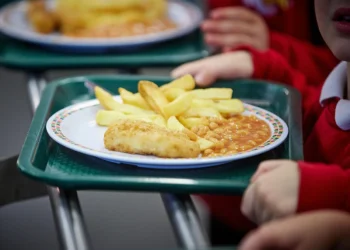 School Plate Revolution: England Bans Fried Menu Classics
 City & Guilds Sale Sparks Fees and Pay Uproar
 Canadian astronaut French words ease language row
 UK Universities Face Fines for Speech Failures
 Bereaved Fathers Gain New Paternity Leave Rights in UK
 Minnesota Sues Trump Administration Over ICE Surge
 US Senate rejects resolution limiting Trump military powers
 Report Says Pezzullo Acted ‘Recklessly’ in Dealings
 NHS Braces for Impact as Resident Doctors Begin Strike