Published: 13 August. the English Chronicle Desk. English Chronicle Online
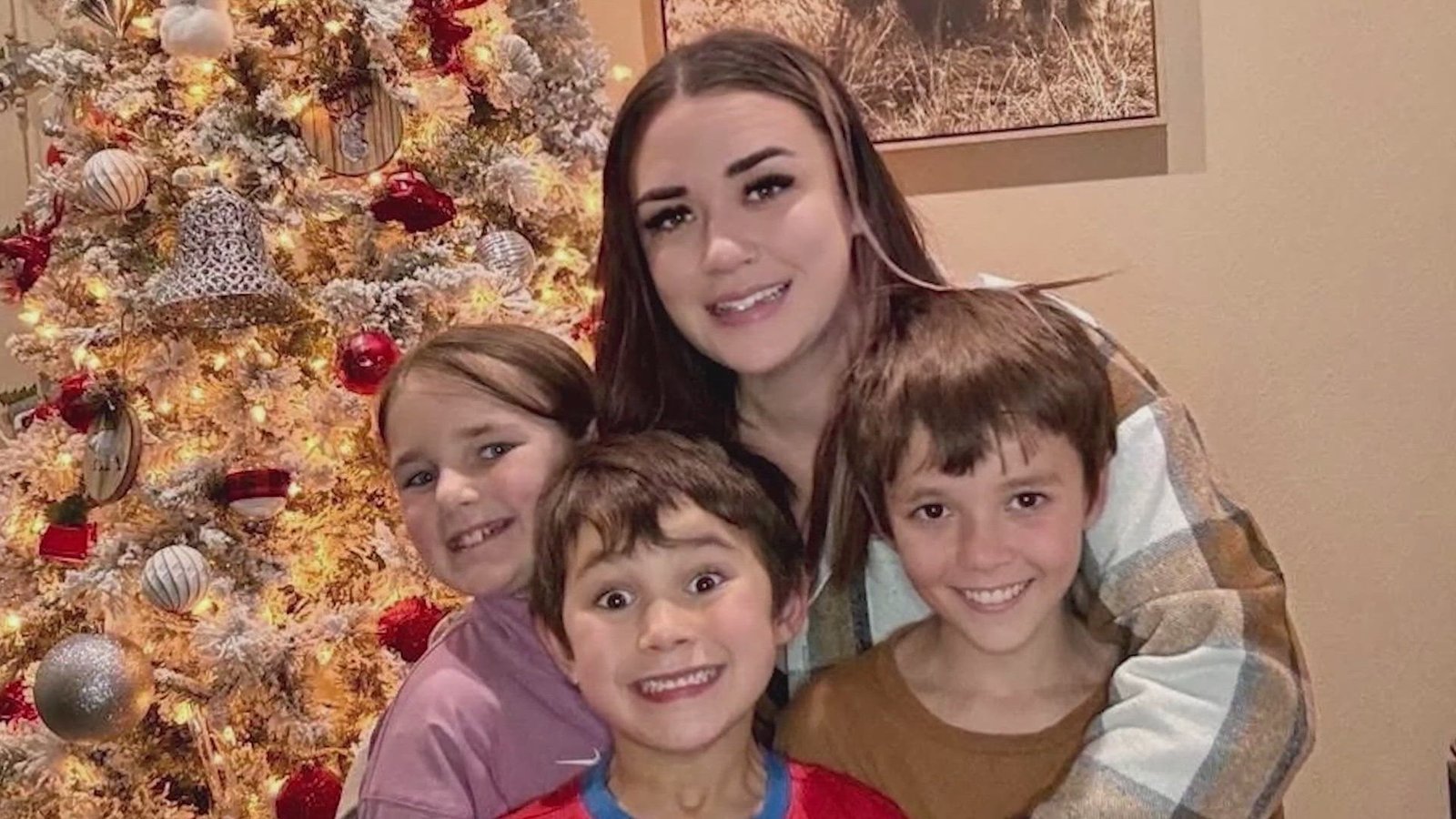
A New Zealand woman and her six-year-old son are enduring a distressing ordeal at a US immigration facility after being detained while attempting to re-enter the country from Canada, highlighting ongoing concerns over US border enforcement practices. Sarah Shaw, 33, who has legally resided in Washington state for just over three years, was separated from her family and transported hundreds of miles to a detention centre in South Texas, sparking criticism from friends, advocates, and her union.
Shaw had accompanied her two older children to Vancouver airport on 24 July so they could fly directly back to New Zealand for a holiday with their grandparents. However, when she and her youngest son attempted to return to the US, they were detained by Immigration and Customs Enforcement (ICE). According to Victoria Besancon, Shaw’s friend and advocate, the experience was “terrifying,” describing the initial moments as chaotic and frightening, with Shaw and her son placed in an unmarked van without clear explanation.

ICE confiscated Shaw’s phone and transferred her to the Dilley immigration processing center, far from her home and support network. Besancon emphasised the distress caused by the isolation, language barriers, and confinement. “It really is kind of like being in jail … it has been absolutely devastating and it’s kind of barbaric,” she said, highlighting that Shaw and her son are the only English speakers in their unit and are restricted in movement and clothing.
Shaw holds a “combo card” visa, which combines an employment visa obtained through her work at a maximum-security juvenile facility and an I-360 visa that provides immigration status for domestic violence survivors. While Shaw had received confirmation of her visa renewal, she was unaware that the I-360 component was still pending approval. This partial approval led to her unexpected detention, despite her lawful residency and contributions to her community.
All three of Shaw’s children have had their I-360 visas approved, yet her youngest son remains detained, prompting concerns that the detention is legally questionable. Besancon stressed that alternative measures, such as humanitarian parole, could have been applied without separating mother and child.
Shaw’s case has drawn attention to broader issues at the US border, where foreign nationals with valid visas continue to face interrogation, prolonged detention, and even deportation. Recent incidents have involved British, German, Canadian, and Australian visitors who were held or deported despite legal status.

The Washington Federation of State Employees (WFSE), representing Shaw, condemned ICE practices and broader immigration policies. Mike Yestramski, the union president, said, “The trauma this has already caused for her and her son may never be healed,” stressing that such enforcement contradicts American values and human rights.
New Zealand’s foreign affairs ministry has confirmed contact with Shaw but cited privacy considerations, offering limited public comment. Meanwhile, advocates continue to call for her immediate release, highlighting the emotional, financial, and social toll of prolonged detention on lawful immigrants and their families.
Related News:
 British Grandmother to Return Home After Death Sentence in Bali
 South African Women Call Purple Protest Over Gender Violence
 Rare shark attack kills woman, injures man at remote NSW beach
 Northern Ireland Family of Three Shot Dead in Maguiresbridge Home Incident
 Southport Stabbing Survivor Speaks Out: ‘I Thought I Was Going to Die’
 A Fugitive’s Double Life Uncovered: My Interview with Nicholas Rossi, Scotland’s Notorious Escapee Facing Utah Rape Trial
 FBI and NSPCC Sound Alarm Over Alarming Surge in Child Sextortion Cases Online
 English Backpacker Pleads Guilty to Causing Death of Perth Father in Drunken E-Scooter Crash
 Alarming rise in abusive teen relationships in the UK sparks urgent warnings
 Failed New Mexico Candidate Sentenced to 80 Years for Drive-By Shootings at Lawmakers’ Homes
 Shock and Anger as Child Sexual Exploitation Victims Excluded from Government’s Violence Against Women Strategy
 Dream Dog Scam: Woman Loses £500 to Fake Online Breeder’
 Liverpool Anti-Gang Initiative Strengthens Public Confidence in Police
 EuroMillions Record-Breaking £210m Jackpot Won by Lucky Lottery Ticket Holder
 Akinwale Arobieke Found Dead at Liverpool Home
 Lisbon’s Historic Funicular Turns to Tragedy: The Elevador da Glória Derailment
 Sycamore Gap Tree Confirmed to Be Over a Century Old, Scientists Reveal
 British Couple Among Victims in Lisbon Funicular Tragedy
 Madeleine McCann Case: German Woman at Centre of Hit-and-Run Theory Speaks Out
 Australian Mushroom Murderer Sentenced to Life in Prison
 Fugitive Father Shot Dead in New Zealand After Nearly Four Years on the Run
 Father’s Tip Leads to Arrest in Charlie Kirk Murder Case
 New Evidence Reveals More Missed Opportunities to Prevent Southport Attack
 First Group of Children from Gaza Arrive in UK for Life-Saving NHS Treatment
 Global Study Reveals Violence in GP Surgeries Linked to Long Waiting Times and Drug Refusals
 Police Appeal for Witnesses After Woman Raped in Oxfordshire Churchyard
 A Third of EU Citizens in UK Report Discrimination by Public Bodies Post-Brexit
 Conservation Pioneer Jane Goodall Passes Away at 91
 Suspected Arson at East Sussex Mosque Sparks Hate Crime Investigation
 Kate McCann Describes Stress from Alleged Stalker Calling Her ‘Mum’
 Cooper Unveils £4m Cyber Plan Against Russian Hackers
 Ambulance Worker Fired After Flinging Amputee from Wheelchair and Offering Bribe
Madeleine McCann Detectives to Testify Against Woman Accused of Stalking the Family
Ambulance Worker Fired After Flinging Amputee from Wheelchair and Offering Bribe
Madeleine McCann Detectives to Testify Against Woman Accused of Stalking the Family
 Campaigners Call for CPS Review After Woman’s Suicide
 UK Gamer Recruited by Wagner Group Found Guilty of Arson
 Hugely Wasted Opportunity’ UK Grooming Gangs Inquiry
 Mother dies after black market weight loss injection
 WW2 Pilot’s Long-Lost Crash Site Unearthed in Essex
 Nearly 48,000 Zombie Knives Removed from UK Streets in a Year
 Prince Andrew Stripped of Title: Giuffre Family Hails Historic Moment
 Mass Stabbing on Doncaster to London Train Leaves Ten Injured
Trump Speaks on Prince Andrew’s Royal Scandal Fallout
Mass Stabbing on Doncaster to London Train Leaves Ten Injured
Trump Speaks on Prince Andrew’s Royal Scandal Fallout
 World Whisky Tour: 9 Global Gems
 Just Stop Oil Protesters Convicted Amid Climate Defence Row
 Jailed UK climate protesters face extremist-style restrictions
 How to get help when a child goes missing – call 999 urgently
 ‘Reckless’ cuts to victims’ services will cost more than they save
 Shook the ground under my feet: Panic as car blast hits near Delhi’s Red Fort
 New Epstein Files Spark Political Clash in Washington
 Sydney Pair Accused of Running Multimillion-Dollar Scam
 South Korea’s Jeju Island Faces Rising Tide of Illicit Drugs
 Ukraine Energy Corruption Scandal Hits Zelensky’s Inner Circle
 New review urges UK to repatriate Shamima Begum, others from Syria
 Victims’ commissioner Baroness Newlove dies aged 63
 Newly released emails reveal Epstein kept close eye on Trump
 Truck Crashes into South Korean Market, 2 Dead, Dozens Hurt
 Oklahoma Governor Grants Last-Minute Clemency to Death Row Inmate
 Bataclan Anniversary: France Remembers but Jihadist Danger Lingers
 Israel Confirms Returned Hostage as Meny Godard
 Mother Watches in Horror as Teen Daughter Dies on Tracks
 Irish Hero Parrott Says Goal Brought First Tears in Years
 Scotland Fans Reflect on France ’98 as World Cup Looms
 Convicted Killer Challenges Vegemite Ban Behind Bars
 Newport Man Left Injured After Electric Bike Collision
 Forgotten War, Shattered Lives: Sexual Violence Devastates Women in Ethiopia
 Teens ‘Ran Amok’ at Ex-MP’s Covid Testing Firm
 Podcaster Faces Abuse Charges Over Controlling Behaviour
 Ethiopia Welcomes Historic Artefacts Returned from Germany
 WhatsApp Messages Expose Nathan Gill’s Bribery
 Venezuela Threatens Nobel Winner Machado with Fugitive Status
 Trump Envoy to Discuss Ukraine Peace at Kremlin
 Twenty-Four Nigerian Schoolgirls Freed After Abduction
 Sudanese Family Vows to Stay After Racist Graffiti
 Two National Guard Soldiers Critically Injured Near White House
 Southern Lebanon reels as Israeli strikes shatter communities
 Video shows Israeli troops kill Palestinians after surrender
 Families wait in agony for missing after Hong Kong tower blaze
 A Colourful Cultural Escape in Mexico’s Querétaro
 Europe, North America face early wave of bird flu
 UK Criticises Gaza Aid Delays as Tents Arrive After Year