
Published: 1 May 2026. The English Chronicle Desk. The English Chronicle Online
A series of “unexplained and persistent” drone sightings over North Sea energy installations has triggered a high-level security review, as industry leaders warn that Britain’s offshore infrastructure is being “mapped out” by hostile actors. The alarm was raised this week following reports of unidentified drones buzzing wind farms and oil platforms, often accompanied by “ghost ships” that loiter near critical subsea cables before vanishing from radar.
While Offshore Energies UK (OEUK) confirmed that the sightings have not yet posed a direct physical threat to workers, security experts describe the activity as “reconnaissance-shaping”—the digital and physical blueprinting of the UK’s energy “jugular” for potential future sabotage.

The sightings, reported across multiple sectors of the North Sea, have followed a chillingly consistent pattern of “nuisance” disruption and surveillance.
The Drone Swarms: Unidentified drones have been spotted within the 500-metre safety zones of both oil rigs and the Seagreen wind farm off the coast of Angus.
The Loitering Vessels: Security services are tracking “research vessels” and “fishing boats”—frequently flying Russian flags—that linger over subsea interconnectors. Analysts fear these ships are deploying autonomous underwater vehicles (AUVs) to inspect or “tag” cables.
The “Dual-Use” Threat: Experts at the Royal United Services Institute (RUSI) warn that while some drones may be hobbyists, the sheer scale and coordination suggest a state-backed “hybrid strategy” aimed at intimidation and intelligence gathering.
The surge in activity has forced a radical rethink of how the North Sea is policed. At the 2026 North Sea Summit in Hamburg earlier this year, NATO leaders urged a shift toward “security-by-design” for the continent’s energy anchor.
Dual-Use Wind Farms: A new proposal suggests that future offshore wind turbines should be fitted with “security-grade” sensors and radar as standard, turning the green energy transition into a massive, decentralized surveillance network for the Ministry of Defence.
The “Safety Zone” Crackdown: Maritime authorities are considering extending the legal exclusion zones around offshore assets and introducing “kinetic” anti-drone measures—including signal jamming and “net-gun” interceptors—to neutralize unauthorized flights.
A New Authority: Following the roundtable event in London this week, calls are growing for a dedicated UK Offshore Security Authority to coordinate the defense of 9,000 kilometers of pipelines and cables that are currently described as a “security vacuum.”
The urgency is driven by the “real-world” lessons from the ongoing war in Ukraine, where energy infrastructure has become a primary target.
“We are no longer in the foothills of this threat; we are halfway up the mountain,” said one energy executive. “Ukraine has shown us that drones are being manufactured at an ‘industrial scale.’ What starts as a nuisance flight over a North Sea wind farm today could be a swarming attack on our power grid tomorrow.”
This domestic energy threat coincides with the broader “national security emergency” declared in London following the Golders Green crisis. For the thousands of workers on North Sea platforms, the “security of the homeland” is no longer a distant political concept—it is something they see buzzing outside their cabin windows at 2:00 AM.
As the King celebrates the “special relationship” in Washington and RHS Wisley’s wisteria blooms in a sea of peaceful purple, the “phantom” drones are a reminder of the fragility of the UK’s stability.

The Gas Connection: With Norway now serving as Europe’s main source of natural gas, any disruption to North Sea pipelines would trigger an immediate and catastrophic energy spike, dwarfing even the current Middle East fuel crisis.
The “Accountability Rot”: Critics argue that the government has been “asleep at the wheel” regarding undersea security. “We’ve spent 20 years worrying about the high street and the internet, but we forgot about the pipes under the sea,” noted one MP.
For now, the drones remain “unexplained.” But as the Plymouth bomb disposal team clears the explosives of the 20th century, the North Sea is becoming the front line for the invisible wars of the 21st.
Related News:
 How to Exit Your Broadband Contract Without Paying Exit Fees
 Michele Dougherty Makes History as the UK’s First Female Astronomer Royal
 Unseen Killers of the Deep Inside the UK Lab Uncovering the Silent Deaths of Sea Creatures
 UK Launches World-First Gonorrhoea Vaccine Amid Record Infection Surge
 Mind the Grab’: Bold Campaign Launched on Oxford Street to Combat Phone Theft
 AI Tools Used by English Councils Found to Downplay Women’s Health Issues, Raising Concerns Over Gender Bias in Care
 From ‘Skibidi’ to ‘Mouse Jiggler’: Cambridge Dictionary Expands with Modern Slang and Social Terms
 Shocking Rise in Children’s Exposure to Violent Online Pornography Raises Alarm
 Ed Davey Urges Government to Block Elon Musk’s Tesla from Supplying UK Home Energy
 Britain’s Butterfly Numbers Rebound but Remain Average
 UK Could Generate Nearly £2bn Annually by Taxing SUVs, New Study Reveals
 Jaguar Land Rover Extends Production Halt Following Cyber-Attack
 Persistent Offenders Owe Over £700m in Ulez Fines as TfL Cracks Down on Evasion
 British AI Startup Outshines Human Forecasters in Global Prediction Contest
 UK Fighter Jet Purchase Could Breach Nuclear Treaty, Warns CND
 Omeprazole Alert: NHS Issues Guidance on Safe Use for Heartburn and Indigestion
 Royal Mail Owner Acquires Stake in Collect+ and Launches High Street Rebrand
 Russia repeatedly targets UK military satellites, warns Space Command chief
 Eligibility Confusion Over COVID Vaccination Leaves Pharmacies Struggling Across the UK
 Millions in the UK at Risk of Cyber-Attacks as Microsoft Ends Windows 10 Updates, Warns Which?
 Majority of UK Men Would Opt for Prostate Cancer Screening, Survey Finds
 Cooper Unveils £4m Cyber Plan Against Russian Hackers
 Survey Shows Most GPs Rushing Appointments
 Yvette Cooper Backs Digital ID Plan for UK Teens
 Genetic Tests May Predict Return of Blood Cancer
 UK Woman Becomes Longest Survivor of Heart-Lung Transplant
 Labour MPs Warn Digital ID Scheme Risks Cost and Support
 Thousands in the UK sue Johnson & Johnson over alleged talcum powder, linked to cancer
 ‘Game-Changing’ HIV Prevention Jab Set for NHS Approval
 Reform UK candidate fined £19,000 after using AI-generated cases to challenge election
 Harry and Meghan join global AI leaders urging superintelligence ban
 UK Campaigners Launch Bill to Grant Legal Rights to Nature
 Met Launches Drones to Respond Rapidly to 999 Calls
 UK Bans Fake Numbers: Scammers Lose Their Trick
 Patients to Test Health at Home to Ease NHS Winter Pressure
 Government urges schools to ban phones to curb classroom disruption
 Northern Lights may illuminate UK skies this week
 Valve Opens the Door for Android Games on Steam
 UK launches major AI drive to fight deadly superbugs
 Coffins Now Too Large to Cremate Amid Rising Obesity Crisis
 UK Taskforce Unveils Plan to Streamline Nuclear Reactor Rules
 NHS paediatric leave parents waiting months for answers
 Starmer’s communications chief to outline media strategy overhaul
 AI Grok Sparks Child Safety Alarm in the UK
 Amazon Milton Keynes closure sparks concern for UK warehouse workforce
 Robo-Vaccination Could Transform Fight Against Bovine TB
 MPs warn AI financial risks threaten UK stability
 MPs warn AI financial risks threaten UK stability
 Pornhub blocks new UK users over age checks dispute
 UK New Car Discounts Near £6,000 as Prices Are Slashed
 Facial Recognition Error Leads to Wrongful Arrest in Milton Keynes
 UK’s First Geothermal Plant Powers 10,000 Homes
 UK Social Media Ban for Under-16s Gains Momentum
 UK Teen Social Media Ban Trials Begin
 Water Cremation Introduced in UK First
 Streeting Criticises SNP Over NHS App Dispute
 Ministers Urged to Act Faster on Deepfakes Threat
 UK Fuel Tax Hike Plan to Be Kept Under Review Over Iran Conflict
 Bank of Scotland App Glitch Lets Customers See Other Users’ Transactions
 ‘Heating Oil Suppliers Are Holding Us to Ransom’ as Prices and Cancellations Surge
 Charity Watchdog Warns Alan Turing Institute Over Conduct
 Spring Awakening: Temperatures to Hit 17°C as Britain Bathes in Sunshine
 Councils Pressed to Use Universal Parking App to Cut ‘Unfair’ Fines
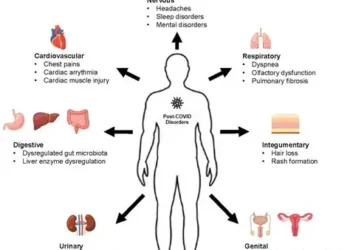 ‘Zoom Dysmorphia’ Explosion: BDD Patients Quadruple in Post-Pandemic UK
 ‘The Insulation Trap’: Knifeman Discovered Hiding Under Loft Padding After Six-Hour Standoff
 ‘The Best Decision I Ever Made’: A Mother’s Viral Plea After a Near-Miss with Lung Disease
 Two Centuries of Steam: The Museum Train Embarking on a Bicentennial Journey
 The Silicon Emerald: How Irish Engineers are Cashing In on the AI Boom
 The Friendship Friction: Would You Call Out Your Friend’s Toxic Behaviour?
 The Silent Lifeline: Why the 2026 Digital Switchover has Millions Saying, ‘I Didn’t Realise How Much I Needed My Landline’
 Southern Skies: High Turnout and Surprise Visitors in Birdwatch 2026
 Heavier SUVs Accelerate Britain’s Pothole Crisis
 GSK cancer drug shows early promise in trials
 Digital Shield: Met Police Trial AI to Fast-Track Child Abuse Investigations
 The Wheels of Hope: Charity Delivers ‘Seismic’ Joy Through Specialized Bikes for Children with Cancer
 ‘A Hero Returns’: Remains of Missing WWII Spitfire Pilot Discovered During Canal Restoration
 ‘Maritime Drones and Steel’: £50m Defence Deals Set to Spark Job Boom in Plymouth and South Yorkshire
 Human Capital for AI Infrastructure: Meta Cuts 8,000 Staff to Fuel $135bn Bet
 The $111 Billion Handshake: Warner Bros. Shareholders Greenlight Paramount Merger
 The “Dry” Life: Teens Trialing Social Media Bans Call Initial Disconnection “Boring” and “Dry”