Published: 19 May 2026. The English Chronicle Desk. The English Chronicle Online.
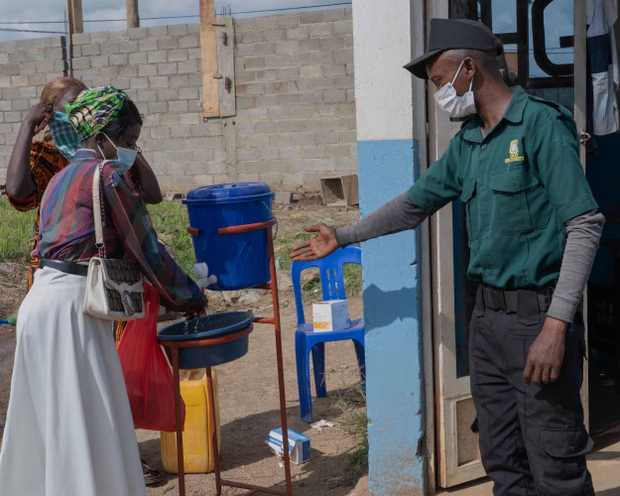
The whispers of a familiar enemy are echoing loudly through the bustling streets. On public transport, in lively bars, and at mass gatherings, everyone talks about Ebola. This observation comes from Gloire Mumbesa, a worried resident living in the town of Mongbwalu. His community sits within a busy mining region in the Democratic Republic of the Congo. Cases of the disease have been reported locally, causing immense fear among the population. People are deeply terrified because there is currently no vaccine for this specific strain. The overarching fear is that this deadly disease may soon spread to other areas.
Residents of Ituri province are living in growing fear of this potential spread. The World Health Organization announced a fresh outbreak of the virus just last week. This development brings back dark memories of past suffering for the local Congolese people. It comes nearly six years after the last major outbreak in the region ended. The sudden return of the virus has caught many communities completely off guard. Families are desperately looking for answers while health officials scramble to contain the threat. The emotional toll on the population is becoming heavier with every passing day.
We are completely stunned by the sudden resurgence of Ebola in our region. This heartbreaking sentiment was shared by Dieudonné Lossadekana, a resident of Bunia city. Bunia is the prominent urban centre where the first suspected case was reported. Local authorities have already recorded several dozen deaths linked to the current outbreak. For the people living there, watching this tragedy unfold is truly devastating news. They remember the horrific impact of previous health crises that devastated their communities. The psychological weight of facing another deadly epidemic is difficult to fully comprehend.
The immediate economic impacts of the outbreak are a serious worry for everyone. Residents are deeply concerned that authorities may soon impose strict travel restrictions today. Such measures would hinder vulnerable people from earning a vital living each day. This region is already plagued by violent armed conflict and immense social instability. People are struggling financially just to afford basic food items for their families. They cannot withstand prolonged lockdowns or the closure of vital local marketplaces. A health emergency always hits the poorest segments of society the hardest way.
We live in a region where poverty is rife among us. People live from hand to mouth every single day without any savings. This stark reality was explained by Claude Kasuna, an active Irumu territory resident. When a major health emergency like this one strikes, it hits hard. The financial shockwaves can be just as devastating as the medical symptoms themselves. Without daily work, many families face immediate starvation inside their conflict-torn homes. The choice between avoiding a virus or feeding children is an impossible one.
The World Health Organization director general has taken decisive international action this week. Dr Tedros Adhanom Ghebreyesus declared the outbreak a public health emergency of international concern. This emergency declaration followed reports of more than three hundred suspected virus cases. Additionally, eighty-eight deaths occurred in the DRC and two in neighbouring Uganda. The rising death toll indicates that the current situation is escalating very quickly. Global health authorities are now treating the matter with the highest level urgency. International resources are being mobilised to support the frontlines of this battle.
The vast majority of deaths have been reported in vulnerable Ituri province. This area serves as a major business centre and a key migratory hub. It directly borders both Uganda and South Sudan, increasing regional transmission risks significantly. The gold-rich province is also the centre of a long-running bloody conflict. Allied militias representing the Hema and Lendu groups fight constantly over valuable land. They also battle for control over lucrative mineral wealth throughout the dense region. This ongoing fighting has tragically killed more than fifty thousand people since 1999.
The conflict makes delivering modern healthcare an incredibly dangerous task for medical teams. A local health worker was identified as the very first suspected case. This brave individual reported a high fever, severe haemorrhaging, and frequent vomiting. These classic symptoms appeared on twenty-four April before things rapidly grew worse. The dedicated worker tragically died at a medical centre located in Bunia. This loss sent shockwaves through the local medical community working in Ituri. It highlighted the extreme dangers faced by those trying to save lives.
Jean Pierre Badombo is a former mayor of the town of Mongbwalu. He told Reuters that people started falling ill in mid-April this year. The illness seemed to spread after a large open-casket funeral procession arrived. This emotional procession traveled directly from Bunia into the heart of Mongbwalu. After that specific event, we experienced a tragic cascade of sudden deaths. Traditional burial practices often involve close physical contact with the deceased individual. This practice can inadvertently accelerate the transmission of the virus among grieving relatives.
On Monday the Congolese health minister delivered an important update to the nation. Samuel Roger Kamba said the government would open three special treatment centres. These new facilities will be strategically located across Ituri to isolate patients. The World Health Organization regional office for Africa also released critical new information. They stated that thirty-five international experts had already arrived safely in Bunia city. They brought seven tonnes of emergency medical supplies and essential protective equipment. These resources are vital for protecting doctors and nurses on the ground.
The virus has also managed to appear elsewhere in eastern DRC regions. One confirmed case was recently reported in the rebel-controlled city of Goma. This case involved a woman who travelled directly from infected Bunia city. Her husband had previously died of the disease before her long journey. Goma is a major urban hub with a very dense population center. The presence of the virus there has sparked fears of wider urban transmission. Containing the disease in a rebel-held territory presents unique logistical nightmares.
Heather Kerr is the DRC country director at the International Rescue Committee. She said the conflict in the region made containing Ebola harder. Eastern DRC’s years of conflict and displacement have left health systems weak. Hospitals lack basic medicine, clean running water, and stable electricity grids. With dozens of lives already lost, the situation demands an immediate response. We need to act fast to prevent a massive humanitarian catastrophe. Delaying the international response could lead to an uncontrollable regional health crisis.
Manenji Mangundu serves as the DRC country director for the charity Oxfam. He noted that the outbreak is hitting a country stretched thin. Ongoing conflict and years of international aid cuts have weakened social safety nets. First identified in 1976, Ebola remains a highly contagious and fatal viral disease. It affects both humans and non-human primates through direct contact with fluids. It causes severe organ damage, blood vessel impairment, and internal bleeding. The disease can kill a healthy person within a matter of days.
The current outbreak involves the rare Bundibugyo variant of the Ebola virus. This particular strain has no approved medical treatment or effective vaccine yet. It is named after the specific district in western Uganda where discovered. The virus was first found there during a deadly outbreak in 2007. The lack of specific tools makes the current response effort highly challenging. Health workers must rely on supportive care and strict isolation protocols instead. This situation has created immense anxiety among international scientists and local doctors.
Dr Jean Kaseya is the director general of Africa CDC right now. He admitted he was in panic mode due to the vaccine lack. He highlighted the urgent need for vaccine manufacturing capacity on the continent. Relying on foreign imports during a crisis creates dangerous delays for patients. Jean-Jacques Muyembe-Tamfum is the director general of the National Institute of Biomedical Research. He is famously a co-discoverer of the original Ebola virus in 1976. He offered some hope by discussing new candidate compounds for a vaccine.
These experimental compounds are expected to enter clinical trials by late May. They could also begin in June if regulatory approvals move forward quickly. In the meantime, the government is implementing classic public health preventive measures. These include protecting healthcare workers and treating patients based on their specific symptoms. This is how we brought the Bundibugyo strain under control in 2012. That successful effort took place in Isiro, which is located near Ituri. Historical lessons are now guiding the current medical response in the field.
This current situation represents the seventeenth Ebola outbreak in the DRC history. From August 2018 to June 2020, the country suffered immensely. It recorded the second largest outbreak of the disease in global history. That historical crisis was centered in North Kivu and Ituri provinces. It ultimately caused more than two thousand tragic deaths across the region. The collective trauma from that recent event still lingers in people’s minds. Communities are terrified of repeating that dark chapter of widespread loss.
In Ituri, authorities must also address enduring stigma and harmful misconceptions. Misinformation and false rumours often spread faster than the actual virus itself. Kasuna noted that people tend to believe in myths over science. We need to raise public awareness to save vulnerable lives from dying. Education campaigns are being launched to teach people about proper hand washing. Communities are being urged to report symptoms early to medical professionals. Overcoming fear and distrust remains a vital step in defeating this outbreak.
Related News:
 Hospice Cuts Raise Alarm Across England Amid Funding Crisis
 Celebrities and Charities Demand UK Government Act on Child Poverty
 Patients to Test Health at Home to Ease NHS Winter Pressure
 London’s Childlessness Crisis: Schools Closing as Families Shrink
 Shouting Works Best to Deter Gulls, UK Study Finds
 Reeves rejects £1bn plea for NHS redundancy payouts
 Working-Class Men with Prostate Cancer Left Behind by NHS
 Senator John Fetterman Hospitalized After Fall from Heart Flare-Up, Keeps Sense of Humor
 New AI tool could cut wasted efforts in organ transplants
 Stroke Patient Mistaken for Drunk, Care Delayed
 ‘Traumatic Wait’: Northern Ireland Women Face Breast Cancer Delays
 Healthy Habits in Your 30s That Boost Life in Your 70s
 Scottish Families Take Legal Action Over School CO Leak
 Coffins Now Too Large to Cremate Amid Rising Obesity Crisis
 Vicki Fears Losing Motability Car
 Delhi’s Toxic Air Crisis Leaves Children Sick and Vulnerable
 Five-Year-Old Dies After Rare Tonsil Surgery Complication
 Fibromyalgia Patients Struggle as NHS Fails to Provide Care
 More Patients Now Contacting GPs Online, Data Shows
 Kenya Signs $2.5bn Health Deal with US Amid Data Concerns
 Children to Receive Home Vaccines as England Acts
 Childhood Hypertension Sparks Urgent UK Testing Calls
 UK Enforces Junk Food Ad Ban Before 9pm
 Patients Collapsing in NHS Corridors, Watchdog Warns
 Google Removes Some AI Health Summaries Over Safety Concerns
 Polycrisis Anxiety Leaves Many Feeling Trapped in the Present
 UK Mothers Overloaded: Mental Health Pressures Worsen
 Small risk warning raised over weight-loss jabs in UK review
 Streeting moves on doctor pay to end strike dispute
 Autistic Girls Often Missed in Childhood Diagnoses, Study Finds
 UK reports baby formula toxin poisoning cases across the country
 Most Statin Side-Effects Are Not Caused by Drugs, Study Confirms
 UK, US Medics Barred from Gaza Amid Rising Aid Concerns
 Chikungunya Spread in Europe Climbs as Climate Warms
 Placenta Accreta Warning as Hunt Urges Action
 Half of Britons Avoid GP When Ill, Survey Reveals Growing Concern
 The rise of rejection sensitive dysphoria: How it shapes lives
 Sudden Blindness 2,000 Miles from Home – Alone and Penniless
 NHS Maternity Units Cover Up Harmful Childbirth Errors
 Weight-loss drugs may transform heart attack recovery
 Zorevunersen Breakthrough for Dravet Syndrome
 Cancer Death Rate in Britain Falls by Nearly a Third
 New Zealand Covid Response Praised Despite Lingering Scars
 Taking Multivitamins Daily Could Slightly Slow Ageing, Study Finds
 Canada Plasma Deaths Raise Safety Concerns After Two Donors Die
 ‘Drinking from a Fetid Pond’: Superbug Genes in Lough Neagh
 UK Biobank Health Data Leaks Raise Privacy Concerns
 NHS Plans to Cut Overseas Workers Labeled Overambitious
 Palantir Boss Defends NHS Deal Amid Government Break Clause
 Reformer Pilates Boom Sparks Surge in Injuries, Experts Warn
 Unions Raise Concerns Over Doctors’ Pay Dispute
 Blue Badge Surge Prompts Calls for Urgent Fraud Crackdown
 Private Profits From NHS Contracts Spark Urgent National Debate
 Crisis in NHS Surgery Scheduling Hits Patients Hard
 Britain’s Health Decline: A Growing National Concern
 New Scan Offers Hope for Faster Endometriosis Diagnosis
 New AI Tool To Target Obesity Risk And Transform NHS Care
 WHO approves first malaria drug for babies
 The Hidden Danger Facing Mothers in British Hospitals
 Hantavirus Cruise: Britons Face 45-Day Isolation Order
 Barrister Criticises Trial After Suicide Case Verdict
 Crisis in the Canary Islands as Cruise Ship Evacuated
 UK Experts Urge Four-Day Week to Combat National Obesity
 Cruisers Face Perth Quarantine After Hantavirus Outbreak
 Wes Streeting faces narrow road to Labour members’ favour
 French Patient Told Hantavirus Was Just Anxiety
 NHS Drug Deal Faces Legal Threat Over US Trade Agreement
 Pope Meets Families in Italy Toxic Waste Zone
 Record Spending Highlights Growing Crisis In National Health Service
 The Hidden Perils of Online Health Advice for Women
 NHS to Tell Minor A&E Patients to Return Later
 Clean Air Initiatives Spark Major Fall in London Hospital Admissions
 NHS Urges Investigation For Irregular Periods
 Deadly H5 Bird Flu Reaches Australia’s East Coast
 UK Heatwaves Ignite Crisis of Sleep and Public Safety
 Arizona Toddler Found Alive in Hospital Cold Room
 Trump Immigration Cuts Threaten US Caregiver Stability
 UK Schools Struggle as Classrooms Top 40C
 London Tube Heat Reaches Dangerous Levels
 Weight-Loss Drugs Offer Food Savings Mainly to High Earners