Published: 05 June 2026. The English Chronicle Desk. The English Chronicle Online.
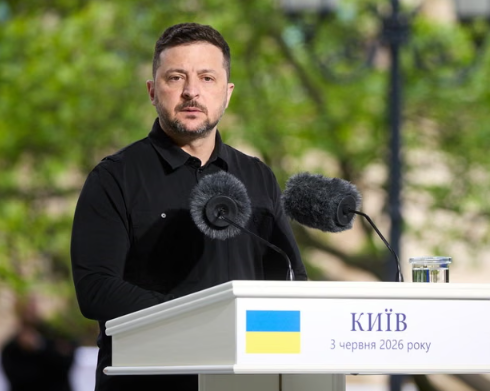
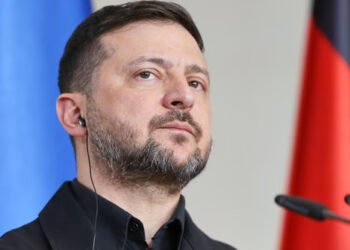
The landscape of European security has shifted dramatically with a sudden diplomatic move from Kyiv. Ukrainian President Volodymyr Zelenskyy has taken a bold step by writing to Vladimir Putin. This public letter marks a significant departure from previous strategies maintained during the long conflict. Zelenskyy is now openly calling for direct, face-to-face negotiations with the Russian president. The communication represents the first direct public letter to Putin since the 2022 invasion. It combines an offer for dialogue with a sweeping critique of the Russian leader. Putin has maintained power for twenty-six years, a fact highlighted by the Ukrainian leader. The timing of this message appears calculated to exploit recent shifts on the battlefield.
Geopolitical realities in Washington have clearly influenced this sudden diplomatic approach by the Ukrainian government. Zelenskyy acknowledged that American foreign policy priorities are currently undergoing a very noticeable shift. The United States remains heavily focused on managing its ongoing conflict with Iran right now. Waiting for the Trump administration to refocus on Ukraine would be a mistake, Zelenskyy noted. The Ukrainian president explicitly stated that simply waiting for Washington is no longer a viable option. He wrote plainly that he is proposing a meeting to address the crisis directly. This move shows a desire to seize control of the diplomatic narrative right now. Ukraine wants to act while it still possesses some strategic leverage on the ground.
Recent military developments have given Ukraine a stronger position from which to propose these talks. Kyiv has recently managed to regain some valuable leverage through improved long-range strike capabilities. These advanced drone strikes have severely complicated Russia’s ability to make easy territorial advances. However, Moscow has simultaneously intensified its deadly aerial campaign across many vulnerable Ukrainian cities. The Kremlin is actively seeking to exploit Kyiv’s current shortages of critical air defence systems. Persistent ballistic missile attacks continue to pose a severe threat to Ukrainian infrastructure every day. This mixture of Ukrainian military success and intense Russian retaliation defines the current deadlock. Both nations are feeling the immense strain of this prolonged and exhausting war of attrition.
The impact of Ukrainian long-range capabilities was recently felt deeply within Russian territory itself. Vladimir Putin spoke on Thursday about the necessity of strengthening national air defence networks. He acknowledged that recent Ukrainian drone attacks have successfully reached deep inside the Russian federation. These strikes have notably cast a dark cloud over a major Russian economic forum. The event was held in St Petersburg, which is the home town of Putin. Speaking to international news agency heads, Putin openly admitted that some drones break through. He conceded that the existing Russian air defence system clearly requires significant future improvements. The Russian state will focus heavily on strengthening these defensive systems in coming months.
The timing of these admissions coincided perfectly with the St Petersburg International Economic Forum. This annual event serves as the primary showcase for attracting foreign investment into Russia. Just hours before the forum opened, a spectacular Ukrainian drone attack caused serious damage. The strike set ablaze a major oil terminal located within the historic city. A nearby naval base was also targeted and hit during the same aerial operation. Despite these security embarrassments, Putin maintained that Russia remains open to finding a compromise. He stated that any potential deal must align with previous understandings reached in Alaska. Those framework agreements were established during his high-profile summit with US President Donald Trump.
According to the Russian view, Ukraine must accept these specific terms to end things. The conflict has now entered its fifth gruelling year of continuous and bloody fighting. Donald Trump responded to the news by stating a meeting would be great. However, the American president emphasised that both sides will need to make serious compromises. Trump spoke to reporters in the Oval Office but did not explain further details. He expressed satisfaction that the two leaders were finally discussing a potential meeting today. Trump claimed that his administration had a lot to do with this development. He repeated his view that a meeting between the leaders would be excellent. The American leader urged both nations to sit down and get it done.
Meanwhile, political divisions over foreign aid continue to manifest within the United States capital. The House of Representatives has recently managed to pass significant new legislative measures. This new bill would provide substantial aid to Ukraine while sanctioning the economy. Republican leaders had strongly objected, warning the bill could undermine current delicate peace negotiations. They argued that alternative approaches could achieve a much stronger diplomatic result for Washington. The final vote of 226 to 195 demonstrated growing congressional impatience with Trump. This Democrat-sponsored legislation seeks to permanently cement future American security assistance for the Ukrainian state. It intends to provide over one billion dollars in vital reconstruction and security aid.
The proposed legislation also makes another eight billion dollars available through various loans. However, supporters openly acknowledge that the bill faces a very difficult path ahead. It must still pass through the Senate, where approval remains highly unlikely for now. While Washington debates financial aid, Zelenskyy is focusing heavily on the logistics of dialogue. In his letter, he specified that the talks must happen in a neutral country. The Ukrainian leader explicitly ruled out Moscow or Kyiv as potential venues for talks. He suggested Switzerland, Turkey, or various Arab states as excellent alternative locations for meeting. Zelenskyy insists that only top leaders can truly resolve these massive historical issues. He noted this has always been the case throughout global political history.
The Ukrainian president concluded this section by proposing to set a clear meeting date. The Kremlin has offered a cautious and somewhat measured response to this sudden invitation. Kremlin spokesperson Dmitry Peskov confirmed that Vladimir Putin is aware of the written message. However, Putin has not yet had sufficient time to familiarise himself with it. Peskov reiterated the standard Russian position regarding the location of any future negotiations. He stated that Zelenskyy could easily come to Moscow if he truly desired talks. This disagreement over the venue highlights the deep distrust that still exists between sides. The choice of location will clearly be the first major hurdle to clear.
Zelenskyy also shared worrying intelligence insights within the text of his public letter. Ukrainian intelligence reports suggest that Russia is planning to prolong the war significantly. Moscow may be preparing to extend military operations deep into 2027 and 2028. The Kremlin is increasingly relying on ballistic missiles to achieve its strategic goals. This reliance compensates for what its ground campaigns have failed to accomplish so far. Zelenskyy also accused Moscow of trying to draw Belarus deeper into the active conflict. Furthermore, he alleged Russian attempts to destabilise the region surrounding volatile Transnistria today. This breakaway Moldovan region has long received strong political and military backing from Moscow.
The letter argued that Russia is increasingly feeling the severe internal costs of war. Zelenskyy pointed directly to successful drone attacks occurring deep within the Russian heartland. He highlighted growing economic strain, severe fuel shortages, and rapidly rising domestic prices nationwide. The Ukrainian leader also mentioned the growing necessity for further unpopular military mobilisation. Zelenskyy claimed that Russia suffered over thirty thousand casualties during the month of May. He asserted that Ukraine possesses clear video confirmation of these massive battlefield losses. According to his statement, these high casualty levels have been sustained for months.
However, Zelenskyy did not hide the immense toll the war takes on Ukraine. He acknowledged that Ukraine continues to suffer painful losses of its own daily. This remains true despite what he described as a highly favourable casualty ratio. To initiate progress, Zelenskyy stated that Ukraine is prepared to implement a ceasefire. This full ceasefire would remain active for the entire duration of the negotiations. He proposed an all-for-all prisoner exchange as the essential first step toward peace. The return of all civilians and children taken during the war remains vital. Zelenskyy concluded by noting that global fatigue is actually rising against Russia, not Ukraine.
Related News:
 BBC to Apologise Over Edited Trump Speech Amid Backlash
 Britain deploys RAF specialists to assist Belgium with drone threats
 Palace May Restore Hyphen to Andrew Mountbatten-Windsor’s Name
 Greene Pushes Epstein Files Amid Trump Fallout
 December Run-Off in Chile as Election Produces No Winner
 Zelenskyy Signs Fighter Jet Deal Amid Russian Drone Attacks
 Canada Passes Carney’s First Budget in Tight Parliamentary Vote
 Shadow Fleet at Sea: Europe’s Battle Against Illicit Oil Shipping
 Tiny Curacao Makes History as Smallest Nation to Reach World Cup
 Deadly Russian Strikes Hit Western Ukraine, 20 Killed in Ternopil
 Ukraine Peace Plan: Zelensky Ready for Dialogue
 Royal Navy Shadows Russian Warships Entering the Channel
 US Suspends Afghan Immigration After White House Shooting
 Georgians Defy Government Crackdown After Year of Protests
 Tokyo court rules Japan’s same-sex marriage ban constitutional
 ‘Extinct’ Antelope Returns to Sahara, Bringing Hope
 American Mother Extradited From UK to U.S. on Murder Charges
 Facebook Slow to Remove Bondi Attack Praise, Anti-Hate Group Claims
 Albanese Opens Door to Bondi Royal Commission Amid Rising Pressure
 US Clears Nvidia AI Chip Sales to China in Policy Shift
 Gulf states warn Trump Iran strikes risk wider Middle East war
 EU weighs response amid Greenland tariff crisis with Trump
 Sydney Shark Attack Surge Shocks Australia Beaches
 EU Says US Ties Have Suffered ‘Big Blow’ After Greenland Crisis
 Videos reveal earlier clash before Alex Pretti shooting
 UK New Car Discounts Near £6,000 as Prices Are Slashed
 Israel Moves to Bar MSF From Gaza Operations
 Portugal Election Delivers Socialist Win as Far Right Surges
 Australian Families Leave Syrian Camp for Home
 SA Police Intensify Search in Gus Lamont Case
 Trump Attacks UK-California Energy Pact
 Andrew Arrest Sparks Republic Debate in Australia
 Farage Chagos Islands Row Sparks Fury
 Hilary Knight speaks out on Trump’s recent hockey remarks
 Has Europe truly learned from the failures of 2022?
 Trump Faces Questions Over Iran Conflict Plan
 Iran Civilian Deaths Surge Past 200 Amid Fear
 Herzog Asio meeting sparks security storm
 Trump rebukes Starmer over Iran strikes
 Iran-Iraq border airstrikes spark new tensions
 Petrol Prices Soar as Retailers Accused of Gouging Amid Global Tension
 Penny Wong silent on Australian crew in sub strike
 Australians on US Submarine in Iranian Warship Strike
 Oil Prices Surge Above $100 Amid Iran War
 India T20 World Cup Triumph Seals Historic Title Defence
 Trump Pressures Congress Over Save America Act
 Iranian Football Squad Asylum Drama Shocks Australia
 Goma Drone Attack Kills Three as Conflict Escalates
 Queensland Protest Laws Spark Free Speech Backlash
 Yvette Cooper: UK Must Follow Principles, Not US Pressure
 Iranian Captain Departs Australia Amid Asylum Tension
 Trump Nato threats expose Iran strategy vacuum
 Philippines energy emergency sparks coal power surge
 Australia Imposes Sudden Travel Ban on Iranian Visitors
 Trump Facing Backlash from Epstein Survivors Over Files
 Russia: The Unforeseen Winner of the Iran Conflict
 Report Says Pezzullo Acted ‘Recklessly’ in Dealings
 Trump’s Middle East Misstep: The Bitter Cost of Hubris
 US and Iran Pursue Extension of Ceasefire via Pakistan
 Tragedy Strikes Outside Melbourne Comic Con
 “I was fighting two wars”: Ukraine soldiers’ addiction crisis
 Ukraine Urges UK to Seize Russian Oil Tankers
 Capitalism ‘Suicidal’, Warns Petro at Climate Summit
 Ukraine strikes Tuapse as oil disaster worsens
 US to Escort Trapped Ships Through the Strait of Hormuz
 Premier League drama defines crucial weekend
 Trump Threatens UN Budget Cuts as US Pushes ‘Trade Over Aid’ Agenda
 Miami Upgrades Shake Up F1 Title Fight
 US Awaits Iran Reply on New Ceasefire Proposal
 Crisis in the Canary Islands as Cruise Ship Evacuated
 US and Mexico Face Heatwave as Floods Batter South Africa
 Putin Signals War End as Russian Momentum Stalls
 Australia Welcomes the Iconic Michelin Guide
 Philippine Senator Flees After Days Under Senate Siege
 High Street Crisis: Fears Grow Over Post Office Closures
 Oil Markets Face ‘Red Zone’ Threat Amid Iran Crisis
 Pope Meets Families in Italy Toxic Waste Zone
 Discontent grows around Putin amid war strain
 US Strikes Iranian Sites Amid Shaky Ceasefire Talks
 UN Issues Urgent Warning: Imminent Return of El Niño