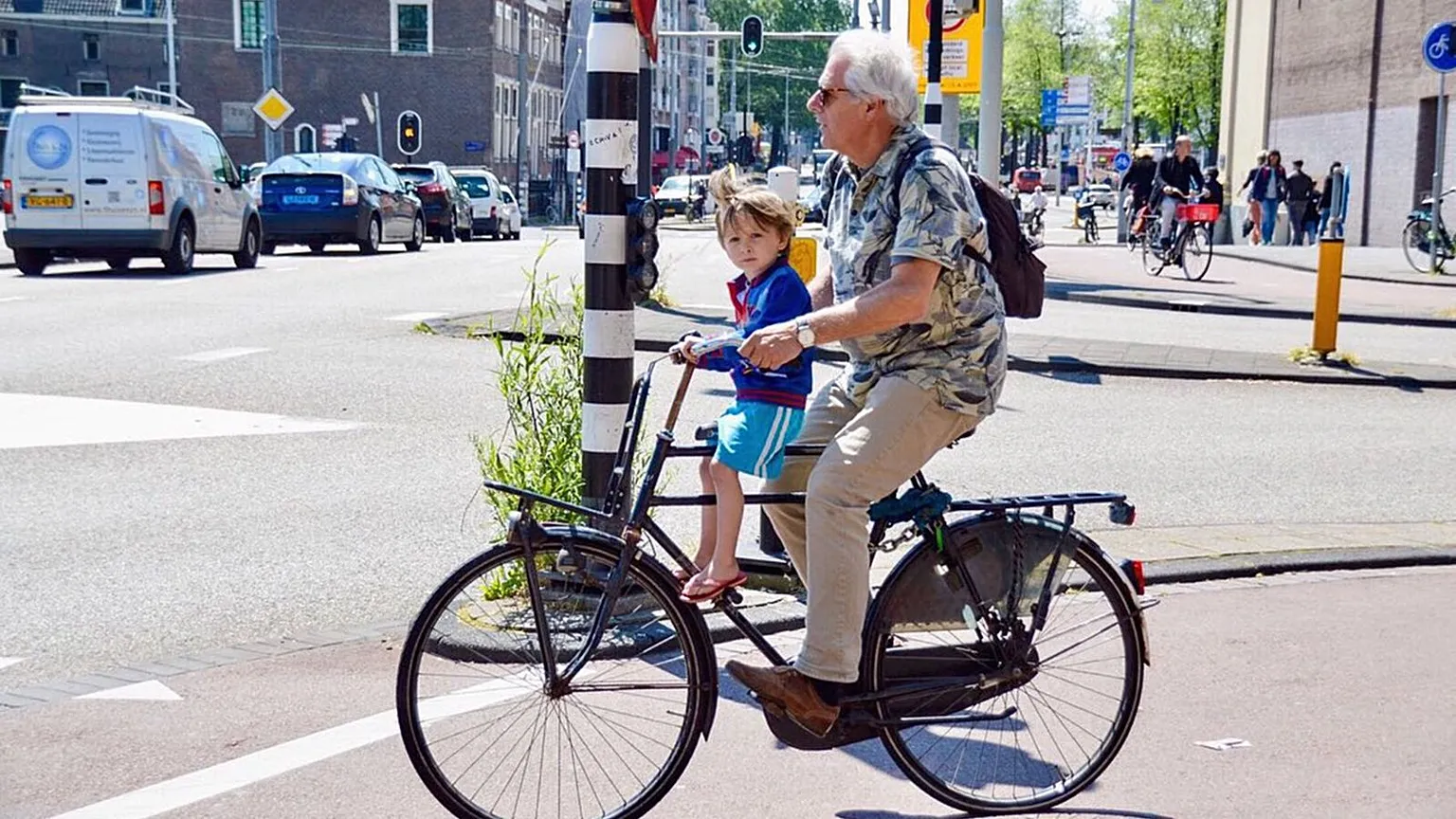
The Netherlands, internationally recognised for its extensive cycling infrastructure and strong bicycle culture, is facing growing concerns over road safety as electric bikes, smartphones and changing behaviour transform the country’s traditional cycling environment. An increase in collisions, declining road manners and rising cyclist deaths have prompted calls for stronger regulations and renewed public awareness campaigns to protect people using the nation’s cycle lanes.
For generations, cycling has been an essential part of everyday life in the Netherlands. Its extensive network of dedicated cycle paths, stretching approximately 23,000 miles, has allowed people of different ages and backgrounds to travel safely by bicycle. Children have traditionally cycled to school, adults have used bicycles for commuting and older residents have remained mobile without relying entirely on cars or public transport.

However, the character of Dutch cycling has changed considerably in recent years. Traditional pedal bicycles are increasingly sharing roads and cycle paths with electric bicycles, cargo bikes, heavy fatbikes, high-speed electric bicycles, electric scooters and other compact vehicles. Some urban routes are also being used by small microcars, adding to the pressure on infrastructure originally designed around conventional bicycles.
The growing variety of vehicles has created new challenges for cyclists and pedestrians. Faster electric models can move at significantly different speeds from traditional bicycles, while larger cargo bikes and wide-tyred fatbikes require more space. On already crowded routes, these differences can increase the risk of dangerous encounters, particularly when users fail to pay attention to one another.
Smartphone use has added another layer of concern. Critics say some cyclists are becoming distracted by messages and other digital activities while travelling through busy streets. The combination of higher speeds, limited space and reduced attention has contributed to concerns about declining courtesy and road discipline.
According to the Netherlands Institute for Transport Policy Analysis, the annual number of cyclist deaths increased by more than 50% between 2015 and 2025. The figures have strengthened calls for the government and local authorities to reconsider how cycling safety is managed as the country adapts to a rapidly changing transport environment.
In response to growing concerns, the Dutch government has taken a step towards introducing stricter safety requirements. Last week, it sent a bill to parliament proposing mandatory helmets for people under the age of 18 who use electric bicycles, including fatbikes. The proposal reflects increasing concern about young riders and the risks associated with faster and heavier electric-powered vehicles.
The proposed requirement has received support from people who believe existing rules have not kept pace with changes in cycling technology. Some residents argue that electric bicycles should be treated more like motorised vehicles because their speed and power can create risks beyond those associated with conventional pedal bikes.
Patrick van den Hoven, an Amsterdam resident who recently wrote about the issue in a local newspaper, argued that electric bicycles are motor-powered vehicles and should be regulated accordingly. He warned that Dutch cycle lanes increasingly resembled a permanent traffic experiment, with different types of transport competing for limited space.
His comments reflect a wider concern that the country’s successful cycling culture could be weakened if technological changes are introduced without sufficient attention to safety and shared responsibility.
Local authorities are also trying to address the problem through public education. The city of Leiden recently launched an awareness campaign built around the message that “traffic is a team sport”. The initiative encourages cyclists and other road users to show greater consideration, remain alert and recognise their responsibility towards others.
Leiden has particular reasons to focus on the issue. The city has recorded the Netherlands’ highest number of bicycle accidents per head of population, while cyclist injuries have increased by more than half since 2018.
Julius Terpstra, Leiden’s deputy mayor for spatial planning and mobility, said the campaign was intended to remind people to look out for one another. He pointed to several changes affecting the city’s cycling environment, including an ageing population, increasing use of electric bicycles, greater smartphone use and drug consumption.
Terpstra also noted that the Netherlands now has a much wider variety of bicycles and two-wheeled vehicles than in previous generations. Traditional bicycles, including well-known Dutch models, once dominated the country’s roads, but the expansion of electric transport has changed the way people share cycling infrastructure.
Florrie de Pater, a board member of the Fietsersbond Amsterdam cycling union, believes there has been a noticeable decline in consideration among cyclists. She suggested that a more individualistic society, where people expect everything to happen quickly, may be contributing to less patience and empathy on the roads.
The concerns extend beyond individual behaviour to the future of the Netherlands’ wider cycling culture. Romee Nicolai, Amsterdam’s bicycle mayor, said the country’s extensive cycling infrastructure was not created automatically. It developed through decades of public campaigning, particularly following a wave of activism in the 1970s after road deaths raised serious concerns about the safety of children and other vulnerable road users.
Nicolai argued that maintaining a strong cycling culture requires continued attention, public debate and investment. She compared cycling infrastructure to a living environment that needs regular care, warning that the country could lose some of its traditional cycling habits if authorities fail to protect and improve the conditions that make everyday cycling possible.
She said some older residents had told her they were now too afraid of accidents to ride their bicycles. There are also concerns that a significant proportion of children are growing up without the same connection to cycling that previous generations enjoyed. Research cited in the debate suggests that one in five children is growing up without a cycling culture.
The potential consequences extend to public health. The Netherlands’ cycling tradition has historically provided an easy way for people to incorporate physical activity into their daily routines. Children could travel to school, sports activities and social events while naturally meeting recommended levels of movement.
However, the increasing use of electric bicycles could change that pattern. The National Institute for Public Health and the Environment has found that fewer young Dutch adults are meeting recommended daily physical activity levels. Reduced general cycling and the growth of electric bicycle use have been identified as contributing factors.
Jasper Reenalda, a human movement scientist at the University of Twente, warned that the shift towards electric bicycles could make it harder for children to achieve sufficient physical activity. He explained that Dutch infrastructure had traditionally encouraged young people to cycle to school and other activities, allowing exercise to become a natural part of everyday life.
If children increasingly replace conventional bicycles with electric models, they may expend less physical effort during journeys. Reenalda believes this could make it more difficult for them to reach the minimum activity levels needed to maintain good health.
Nevertheless, not all experts believe electric bicycles should be viewed as a threat. Clara Glachant, a micromobility researcher at Eindhoven University of Technology, cautioned against blaming particular groups of cyclists, especially fatbike users, for the broader problems affecting road safety.
She argued that electric bicycles can make cycling accessible to people who might otherwise struggle to travel by conventional bicycle. Older adults and individuals with limited physical capacity may benefit from electric assistance, allowing them to remain active and participate in everyday transport.
Meredith Glaser, chief executive of the Urban Cycling Institute in Amsterdam, also warned against placing too much responsibility on cyclists while overlooking the risks created by motor vehicles. She noted that four in ten cyclists who died in recent years had been involved in collisions with cars.
Glaser argued that public debate should recognise the disproportionate amount of public space occupied by cars and trucks and the serious harm they can cause to people and the environment. She cautioned that blaming cyclists alone could distract from the wider structural problems affecting road safety.

The different perspectives highlight the complexity of the challenge facing Dutch authorities. Electric bicycles can improve mobility and make cycling accessible to more people, but their increasing speed and variety require infrastructure and regulations capable of accommodating different users safely.
The Netherlands now faces the task of protecting a transport culture that has long been considered an international example. Mandatory helmets for younger electric-bike users, public awareness campaigns and renewed investment in safer cycling routes may form part of the response. However, experts also stress the importance of preserving the benefits of cycling, including physical activity, independence and reduced dependence on cars.
The debate is ultimately about more than the introduction of new vehicles. It concerns how people share public space, respect one another and maintain the everyday habits that have made cycling central to Dutch life. As electric technology continues to reshape transport, the Netherlands must find a way to embrace innovation without allowing safety, courtesy and public health to suffer.
Related News:
 Climate Change Makes Tap Water Unsafe in Arctic Norway
 Melting Dolomites Glaciers Reveal 250 WWI Explosives
 Bad Weather Threatens Hantavirus Cruise Ship Evacuation
 Pope Meets Families in Italy Toxic Waste Zone
 England and Norway Fans Turn Miami Into World Cup Carnival
 WHO Says Russia Plague Epidemic Risk Remains Low
 WHO Seeks Russia Answers Over Suspected Plague Death
 Sardinia Village Emerges as Longevity Hotspot
 Controversial Vaccine Trial Approved in Guinea-Bissau
 Australian Advocates Seek Subsidised Drugs for PMOS
 Nigeria Confirms Ebola Case as Regional Outbreak Spreads
 Spain Mourns 68 Dead After High-Speed Train Crash
 Measles Claims Child’s Life in New York After 30 Years
 Teenager Survives Six Nights Alone in Australian Wilderness
 Canadian astronaut French words ease language row
 Two Dead in Adelaide Airport Plane Crash Fire
 France Faces Record Presidential Crowded Race Amid Far-Right Surge
 London Tube Heat Reaches Dangerous Levels
 Olympus Awaits Unesco Heritage Recognition
 Weight-Loss Drugs Offer Food Savings Mainly to High Earners
 Deadly TikTok Driving Trend Alarms Ireland
 Tropics May Wait Longest for Net-Zero Climate Benefits
 Super El Niño Threatens Hundreds of Thousands of Lives
 Greece Pushes for Parthenon Marbles Reunification
 Elif Eralp Emerges as Berlin’s Next Political Force
 Russia Targets Ukraine’s Digital Economy With Strikes
 Madrid Tent Camp Grows as Spain Housing Crisis Deepens
 French Student Protests Escalate Into Violent Clashes
 Israel-bound Plane Lands in Saudi Arabia After Cockpit Fight
 Berlin App Helps Residents Protect City Trees
 Edinburgh Glasshouses Reopen After Major Restoration
 Pilot Recalls Fight to Save Flydubai Passengers
 French School Protests Escalate as 400 Schools Close
 Bosnia’s Young People Look Beyond Election Hope
 Rome Cracks Down on Rising Golf Cart Tours
 Spain Sets Snap Election as Housing Crisis Deepens
 Teenager Receives UK’s First Testicular Tissue Transplant
 South Sudan Trauma Wards Struggle as Fighting Intensifies
 French Student Protests Grow Despite Government Pledge
 Teen Rescued After AI Gives Dangerous Hiking Route
 UK Pharmacy Body Drops Teva After Ethical Concerns
 UAE Says Co-Pilot Planned Suicide Attack on Israel
 France Faces Debt Crisis as Protests and Markets Clash
 French Students Protest Poor Conditions in Paris Suburbs
 Bedbug Infestation Grounds Qantas Plane in Rome
 Greta Thunberg Backs French Students in School Protests
 Millions Face Tougher Medicaid Rules From January
 Indonesia Tests Dry Ice as Toxic Haze Spreads Across Asia
 Albania’s Rama Defies Calls to Quit Amid Student Protests
 French Police Face Scrutiny Over Injured Teenagers
 Trump Slams Ukraine Strikes as Russia Ceasefire Collapses
 Mexican Court Sentences Three Men to 158 Years Each
 Macron Condemns Violence as France Faces 2,400 Arrests
 Milan Luxury Stores Shut as Italy Plans Troop Deployment
 Zelenskyy Says US Failed to Warn Kyiv of Russian Strikes
 Fifth Foreign Firm Withdraws From Jerusalem Cable Car Plan
 Milan Braces for Unrest as Debate Intensifies Over Lost Generation
 Fire Engulfs Hitler’s Eagle’s Nest Retreat
 Spain Deepfake Ad Sparks Election Outrage
 Nearly One in Four European Pilots Fly While Fatigued
 Serbia’s Student Victory Sparks a ‘Smell of Freedom’
 Albania Introduces $6,000 Fines for Violent Protests
 Novaya Gazeta to Close After Russian Government Pressure
 Democrats Court Maha Voters as Trump Alliance Frays
 NHS Rolls Out Child Illness Warning System Across England
 Queensland Hospital to Close Labs After Safety Probe
 Cumbria Mental Health Hub Shows Early Promise
 German Politician Hubert Aiwanger Found Dead in Berlin
 France Braces for Nationwide Strike and Mass Protests
 Paris Climate Agreement Faces a Critical Test After 10 Years
 Kraków Shooting Suspect Dies After Killing Six
 EU Border System Errors Put Britons at Risk of Travel Bans
 Tasmania Tells Tourists to Stay Away in Bold Campaign
 Ilse Aigner Set to Make German History as First Female President
 Indonesia Wildfires Fueled by El Niño and Climate Change
 CEU Eyes Budapest Return as Hungary Enters New Era
 Helen Haines Leaves Hospital After Double Amputation
 Spain Election Could Bring Far Right Back to Government
 Viagra-Like Pill Offers Hope in Alzheimer’s Fight
 Toxic Vape Sedative Linked to Hospitalisations in NSW