Northern England is emerging as one of Britain’s most influential centres of contemporary men’s fashion, drawing on its industrial heritage, working-class identity and distinctive cultural traditions to shape a new generation of clothing brands. Once recognised primarily for its textile factories and manufacturing industries, the region is now attracting attention for its independent designers, locally produced garments and growing commitment to sustainable fashion. From Manchester and Lancashire to Yorkshire and the North East, a new generation of fashion entrepreneurs is redefining what it means to dress as a modern northern man.
The changing identity of northern menswear has also attracted political and cultural attention. Andy Burnham, whose political identity has become closely associated with northern England, has demonstrated how clothing can communicate regional identity and personal values. His preference for familiar British brands, including Clarks and Adidas, alongside practical jackets and casual sportswear, has become part of his public image. His approach has even inspired the expression “casual coup”, reflecting the relationship between his political character and recognisable northern style.

Burnham’s clothing choices have helped bring renewed attention to a fashion tradition that is often misunderstood outside the region. Northern men’s fashion has frequently been associated with football culture, parkas, sportswear and the energetic working-class image popularised during the 1980s and 1990s. However, contemporary designers and independent retailers argue that this interpretation represents only a small part of a much broader cultural identity.
For many people working in the northern fashion industry, the region’s distinctive approach to clothing is rooted in practicality, quality and an appreciation of craftsmanship. Iain Trickett, founder of the Accrington-based clothing label Trickett, believes northern menswear has developed its own recognisable language through carefully selected garments and subtle cultural references. His designs combine traditional British clothing with influences from Italian football and football terrace culture.
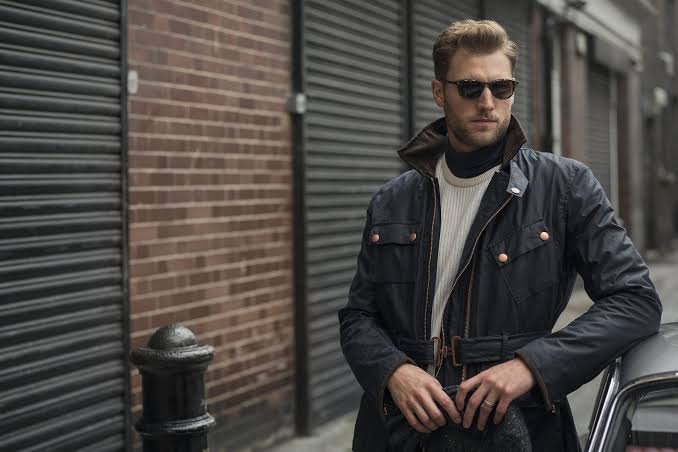
Trickett describes northern style as a distinctive world with its own unwritten rules. Particular trainers, desert boots, denim, shirts and outerwear can communicate a person’s understanding of regional fashion. Classic Clarks footwear, unusual Adidas trainers, selvedge denim, wool jumpers and button-down shirts remain important elements of this identity. Jackets, in particular, offer opportunities for individual expression, with distinctive designs and practical details helping wearers establish their own appearance.
Yet the importance of these clothing choices extends beyond appearance. Northern menswear has historically provided men with a socially acceptable way to express their interests and individuality. In environments where traditional expectations of masculinity sometimes discourage open discussions about artistic or cultural interests, clothing can become a shared subject through which personal taste is communicated.
The region’s industrial history provides another important explanation for the development of its fashion identity. During the Industrial Revolution, northern England became one of the world’s most important centres of textile production. Lancashire developed a major cotton industry, Yorkshire became closely associated with wool manufacturing, and Bradford established an international reputation for textile production, including silk.
For generations, industrial workers developed a practical understanding of fabrics, construction and durability. Clothing was not simply a matter of appearance but also a reflection of occupational knowledge, economic circumstances and personal pride. Workers who spent their lives producing textiles understood the value of well-made garments and often wanted to maintain a smart appearance outside the workplace.
Ed Oxley, associated with West Yorkshire-based workwear brand HebTroCo, argues that this manufacturing heritage continues to influence how northern men approach clothing. Historically, men in the region were recognised for dressing well because they lived and worked within communities where textile knowledge was widespread. Quality garments were valued because they needed to withstand demanding working conditions while remaining presentable.
The connection between clothing and social identity was particularly important for working-class communities. Well-made garments offered an opportunity to demonstrate dignity and self-respect in an economic environment where industrial workers were frequently undervalued. Fashion therefore became more than a consumer choice; it was also a way of expressing personal worth and community identity.
Patrick Grant, television presenter and founder of the social enterprise fashion label Community Clothing, also highlights the relationship between regional economic structures and men’s fashion. Having previously worked in London’s tailoring industry, Grant believes that the influence of financial and professional culture has shaped clothing preferences differently across Britain.
In southern England, particularly in affluent areas surrounding London, traditional formalwear and internationally recognised lifestyle brands have enjoyed considerable commercial success. Northern consumers, by contrast, have often placed greater emphasis on durability, functionality and value. Community Clothing reflects this approach through heavyweight workwear trousers, practical jackets and garments manufactured using British fabrics.
The influence of northern fashion has also extended beyond traditional workwear. During the 1980s and 1990s, music groups such as Oasis and Happy Mondays helped popularise a distinctive combination of sportswear, casual clothing and working-class cultural expression. Football terraces, music venues and urban communities became important spaces where clothing trends developed and spread.
The North East has contributed significantly to this wider identity. Barbour originated in South Shields, while outdoor clothing company Berghaus was established in Newcastle before relocating its headquarters to Sunderland. Designer Nigel Cabourn, who died earlier in 2026 at the age of 76, was also closely associated with Newcastle, particularly its Jesmond neighbourhood.
These influences helped establish an appreciation for practical outerwear, weather-resistant fabrics and outdoor clothing. The contemporary popularity of gorpcore, a fashion trend that combines outdoor equipment with everyday urban clothing, has further demonstrated the lasting influence of northern practicality. The proximity of areas such as the Peak District has also helped maintain an established relationship between outdoor activities and everyday clothing choices.
Everton Campbell, whose 2nd Academic menswear store in Leeds forms part of a long tradition of pioneering Black-owned clothing businesses, believes northern men continue to value distinctive and carefully constructed garments. He identifies jackets as one of the most important elements of regional style, particularly waxed cotton and weatherproof outerwear.
However, Campbell argues that successful northern dressing requires more than simply wearing expensive or technically advanced clothing. The real skill lies in combining functional pieces naturally without appearing overly concerned with fashion. This relaxed approach has helped preserve the individuality of northern menswear while allowing it to evolve.
A particularly interesting development is the growing influence of multicultural heritage on the region’s fashion identity. Bradford-born playwright and actor Kamal Kaan represents a different interpretation of northern masculinity, moving away from traditional working-class stereotypes towards a more decorative and expressive approach.
His personal style draws on the history of the textile industry and the cultural contributions of South Asian communities that worked in northern mills. Rather than limiting himself to conventional sportswear and practical jackets, Kaan combines wool garments with silk shirts and decorative accessories.
He believes that the region’s fashion identity should acknowledge the communities and immigrant workers who helped build its industrial success. The textile factories of northern England produced sophisticated fabrics for decades, and the people who worked in them brought different cultural traditions and aesthetic influences. Recovering that history offers an opportunity to broaden the definition of northern style.
Sustainability has become another defining feature of the region’s emerging fashion industry. Over the past decade, independent manufacturers and smaller clothing labels have increasingly focused on domestic production, responsible sourcing and durable garments. Their approach reflects growing consumer concerns about fast fashion, environmental damage and poor working conditions within international supply chains.
Jamie Webster, associated with the Saltaire-based small-batch trouser company Salt + West, believes customers are becoming more interested in garments that last. Rather than constantly purchasing inexpensive clothing, consumers are increasingly considering how products are manufactured, where materials originate and whether businesses follow responsible production practices.
This approach has also brought renewed attention to British manufacturing. Manchester-based Wawwa is among the independent labels developing clothing around ethical production and locally influenced design. Company representative Sean Geaney has highlighted Manchester’s growing cultural importance, noting that the city continues to attract international interest because of its historical association with textile manufacturing and its influence on contemporary fashion.
The commercial opportunities are becoming increasingly international. Geaney has indicated that approximately half of Wawwa’s business comes from overseas markets, demonstrating that northern brands can attract customers well beyond their traditional geographical base.
Manchester’s changing retail landscape also reflects this transformation. Although the influential menswear retailer Oi Polloi closed its physical store in 2023, its online presence continues. Independent businesses such as Wawwa and Lanx are contributing to the region’s contemporary fashion environment, while Lanx produces many of its shoes and boots in the Lancashire village of Whalley.
Nevertheless, the growing recognition of northern menswear cannot be separated from Britain’s wider economic inequalities. London remains considerably wealthier than many other parts of the country, while some of the most economically deprived communities are concentrated in the North East and North West. These differences have historically influenced access to fashion markets, employment opportunities and cultural recognition.
For designers such as Trickett, clothing can become a means of challenging assumptions about northern communities. People from the region have sometimes experienced prejudice because of their accents, backgrounds or economic circumstances. Developing an individual fashion identity allows them to demonstrate knowledge, creativity and personal confidence.
The emerging northern fashion movement is therefore about more than new products or changing consumer preferences. It represents a broader effort to reclaim regional heritage, recognise working-class creativity and demonstrate that influential fashion does not have to originate from London’s major fashion houses or international luxury brands.

Northern England’s contemporary menswear identity is increasingly shaped by a combination of industrial history, football culture, multicultural influences, independent manufacturing and environmental responsibility. Its appeal comes from the ability to combine practicality with individuality while maintaining a strong connection to local communities.
As independent labels continue to expand and consumers become more conscious of how their clothing is produced, northern England is establishing itself as an important force in Britain’s modern fashion industry. Its influence demonstrates that regional identity, craftsmanship and cultural heritage can remain powerful sources of innovation in an increasingly globalised fashion market.
Related News:
 M&S Challenges John Lewis With Its Playful Christmas Ad
 Oprah enjoys Meghan’s jam on English muffins
 Rising Costs Force Families to Rethink Days Out
 Harry and Meghan’s Australia Visit Sparks Debate
 Reform UK funding: mystery billionaire revealed
 Public Confidence in University Degrees Plummets in the UK
 Burnham unveils £65m drought aid for farmers
 UK Households Could Save £173 on Fixed Energy Deals
 Green Leader Targets Starmer’s Former Seat
 UK Subsidence Claims Surge After Record-Breaking Summer
 UK House Prices Fall as Mortgage Rates Rise
 UK retailers plan 100,000 placements for young people
 Councils spend £125m on illegal children’s care
 Thames Water Revises Oxfordshire Mega-Reservoir Plan
 UK Retailers Accused of Breaking Refund Laws
 Fashion Firms Urge UK-Made NHS and Army Uniforms
 UK Rent Gap Puts Low-Income Families Under Pressure
 Labour Apprenticeship Scheme Faces Slow Start
 Thinktank Calls for Abolition of UK State Pension
 Frome Community Loses Bid for Major Regeneration Site
 David Beckham Earns £39m Dividend Amid World Cup Boom
 New UK Homes in Flood Zones Face Insurance Risk
 Dale Vince Plans New London-Wide News Operation
 Pelicot Trial Play Comes to London for One Night
 UK University Strikes Spread as Financial Pressure Grows
 Burnham Opens Door to Possible UK Return to EU
 Poundland Rescue Bid Could Protect 11,000 Jobs
 Healey urged to act as UK energy bills rise 4%
 BBC Three and Scotland Face Online-Only Future
 Feeld Founders Receive Record Dividend as Sales Rise
 Badenoch Raises Prospect of 2027 UK Election
 BT Broadband Pauses Raise Digital Switchover Concerns
 UK Water Firms Earn Millions From Industrial Wastewater
 Labour MP Urges Billions for Affordable Homes
 Milburn Proposes Pre-Apprenticeship Route for Young People
 UK Savers Face Uncertainty as Rates Rise Above 5%
 Labour Fears Budget Will Fail to Lift Living Standards
 UK Water Firms Face £107m Bill Reduction Penalties
 Aardman Cuts Losses but Fails to Return to Profit
 UK Family Linked to Offshore Gambling Licence Controversy
 Bradford Rail Hub Promises Faster Northern Connections
 Middleton Revitalisation Blueprint for UK Towns
 Post Office Closures Raise Fears of UK Postal Deserts
 Older Worker Training Plan Faces Business Backlash
 UK Aid Set to Fall Short of Reduced 2027 Target
 Goldsmiths Students Seek Compensation Amid Strike
 Brexit Deal Not Good Enough for Britain, Burnham Says
 UK Land Registry Plan Faces Opposition From Landowners
 UK Chancellor Moves to Scrap Gas Standing Charges
 MPs Urge UK to Write Off Most British Council Debt
 UK Side-Hustle Tax-Free Limit to Rise to £3,000
Burnham Admits First Budget Fell Short of His Ambitions
 UK House Price Growth Slows to Two-Year Low
 Avanti West Coast Faces £70m Refund Bill
 Denmark Seeks EU-Wide Ban on Fast-Growing Turbo Chickens
 Australia Reviews UK Visa Rules Amid Worker Influx
 UK Parliament Faces Risk of Notre Dame-Style Fire
 UK Review Urges Jobs Revolution for Disabled Youth
 UK Urges Energy Firms to Help Households Clear Debt
 Met Police Chief Urges More Russell Brand Victims to Speak Out
 UK Employers to Be Forced to Publish Job Salaries
 Russell Brand’s Barrister Reports Himself to Legal Watchdog
 Starbucks to Create 7,500 UK Jobs in Major Expansion
 Burnham’s Christmas Homelessness Pledge Faces Uncertainty
 TUC Chief Urges Major Investment to Tackle UK Youth Jobs Crisis
 UK Youth Face Jobs Crisis as Economy Loses Momentum
 Badenoch Unveils £36bn Tory Welfare Cuts Plan
 UK Civil Service Chief Vows Radical Whitehall Reform
 Tories Face Pension Age Rise Beyond 70, Labour Warns
 Walliams’ Reputation Was ‘In Plain Sight’, Insiders Say
 Russell Brand Faces Fresh Misconduct Claims From Six Women
 U2 Ticket Resale Scandal Raises Questions Over Bot Abuse
 King Charles Praises Elton John During Special Broadcast
 Burnham Unveils Major Plan to Tackle Youth Unemployment
 Minor No-Fault Accident Sends Car Insurance Quote Soaring
 UK Unemployment Falls to 4.6% Amid Youth Jobs Crisis
 Burnham Weighs Tax Cuts to Boost Youth Employment
 Van Gogh Masterpiece Sells for Record $190.4m at Auction
 UK Rents Set to Rise Twice as Fast as House Prices
 UK Disability Benefit Review Promises Major Overhaul