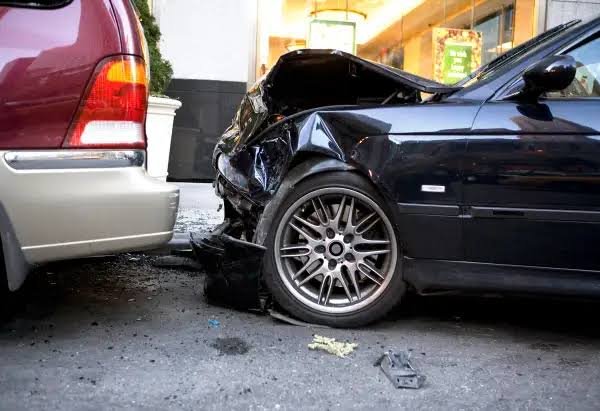
A motorist in Lancashire has been left questioning the fairness of the UK car insurance industry after informing her insurer about a minor road accident that was not her fault, only to see her annual renewal quote more than double. The incident has renewed concerns about how insurance companies assess risk, particularly when drivers report accidents without making claims or accepting responsibility for the damage.
The motorist, identified only as DR, had received a renewal quotation of £364 from the AA, one of the UK’s established motoring and insurance providers. However, following a minor collision involving her vehicle, the price was unexpectedly revised to £796.86. The increase of more than £432 came despite the fact that the other driver had admitted responsibility and agreed to cover the repair costs without involving insurance companies.
For DR, the experience raised an important question about the treatment of responsible motorists who follow insurance requirements but are subsequently faced with significantly higher premiums. She had not caused the accident, had not requested compensation from her insurer and had no intention of making a claim. Nevertheless, simply notifying the AA about what had happened appeared to have a substantial financial consequence.

According to the motorist’s account, the collision was relatively minor. The other driver acknowledged being responsible and offered to pay for the necessary repairs directly. Both parties initially appeared willing to resolve the matter without involving their respective insurance providers. However, DR understood that she still had an obligation to inform her insurer about the incident, even if she did not intend to seek financial assistance.
She therefore contacted the AA and disclosed the accident. Before making that notification, her renewal quotation stood at £364. Following the report, the insurer issued a revised quotation of £796.86, representing an increase of approximately 119 per cent.
The difference was particularly difficult to understand because the accident had not resulted in a claim against her policy. The other motorist had accepted responsibility, and there was no indication that DR had contributed to the collision. From her perspective, the substantial increase seemed disproportionate to the circumstances.
When she contacted the AA to question the revised premium, a call handler reportedly explained that any insurance company would take a similar approach. The explanation suggested that the increase was not necessarily unique to the AA but reflected a wider practice within the motor insurance industry.
However, DR remained dissatisfied with the response. She believed that a driver who had done nothing wrong should not face such a significant financial penalty merely for complying with the obligation to report an accident. The revised quotation also created an uncomfortable situation in which motorists might feel discouraged from disclosing incidents to their insurers, even when they understand that failing to do so could create problems later.
The issue highlights a difficult balance within the motor insurance system. Drivers are generally expected to notify their insurers about accidents, including incidents that do not result in claims. At the same time, reporting an accident can influence how insurers calculate the likelihood of future claims and determine the cost of providing cover.
Insurance companies rely heavily on statistical models and risk-assessment systems when calculating premiums. These systems consider a range of information, including driving history, previous accidents, vehicle details, location, annual mileage and other factors that could influence the probability of future losses.
An important concern for motorists is that an accident may affect their insurance profile even when they were not responsible. Insurers can consider accident involvement as a potential risk indicator because their statistical assessments may suggest that drivers who have experienced one incident are more likely to be involved in another.
This approach does not necessarily mean that an insurer considers the motorist responsible. Rather, it reflects the way risk models interpret historical information. However, for drivers who have maintained a clean record, the financial consequences can appear unfair, particularly when an accident was caused entirely by another road user.
There is also a practical reason why insurance companies generally require customers to report accidents even when no claim is being made. Circumstances can change after an incident. A driver who initially agrees to pay for repairs privately may later reconsider, while questions about injuries, vehicle damage or liability may emerge after the initial discussion. A claim could therefore arise months after the accident.
By keeping a record of the incident, insurers can establish when it occurred and preserve relevant information should a dispute develop. This is why motorists are generally advised to follow the notification requirements in their policy documents rather than assuming that a privately settled accident does not need to be disclosed.
Nevertheless, the way such information is subsequently used in premium calculations remains a significant concern. Motorists may reasonably expect insurers to distinguish between accidents caused by their own negligence and incidents in which they were entirely innocent. Although insurance companies can use different assessment methods, customers often find it difficult to understand precisely how individual incidents influence their renewal prices.
In DR’s case, the situation took another turn after the Guardian’s Consumer Champions team contacted the AA to ask why the renewal quotation had increased so dramatically.
Following the inquiry, the insurer discovered that something had gone wrong within its system and during the handling of the customer’s case. The AA acknowledged that both its system and the call handler had made an error, although it did not provide a detailed explanation of precisely how the incorrect calculation had occurred.
The company subsequently decided to honour the original renewal quotation of £364 as compensation for the failures in its handling of the matter. This represented a substantial reduction from the revised figure of £796.86 and restored the price DR had initially been offered before reporting the accident.
However, the AA did not clarify what the customer’s correct premium should have been after taking the reported accident into account. Instead, it agreed to maintain the original quotation to make up for the mistakes made during the process.
The outcome provided some relief for the motorist, but it also raised broader questions about the reliability and transparency of automated insurance pricing systems. If an incorrect assessment can more than double a customer’s renewal quotation, motorists may reasonably question how confidently they can rely on the figures presented by insurers.
The case also demonstrates the importance of customers checking revised insurance quotations rather than automatically accepting them. A substantial premium increase may sometimes reflect a legitimate change in risk assessment, but it can also result from incorrect information, administrative mistakes or problems within an insurer’s pricing process.
For drivers, understanding policy conditions is particularly important. Reporting an accident does not automatically mean that a claim has been made, and customers should make the distinction clear when communicating with their insurers. They should also retain relevant records, including correspondence, photographs, repair estimates and details of any agreement reached with the other driver.
Where a renewal quotation changes unexpectedly, customers can ask the insurer to explain which information has affected the calculation. They can also request that the details of the accident, including liability and claim status, are checked for accuracy. If the explanation remains unsatisfactory, a formal complaint may provide another route to challenging the decision.
DR’s experience illustrates the financial uncertainty that motorists can face even when they take what appears to be the responsible course of action. Reporting an accident is an important part of complying with insurance requirements, but customers also expect accurate calculations, fair treatment and clear explanations.

Although the AA eventually restored the original £364 quotation, the difference between the initial and revised figures serves as a reminder of how significantly an insurance premium can change following the disclosure of an accident. For motorists already dealing with rising household expenses, an unexpected increase of hundreds of pounds can create considerable financial pressure.
Ultimately, the incident raises an important question for the wider insurance industry: how can insurers encourage motorists to report accidents honestly while ensuring that innocent drivers are not unfairly penalised through inaccurate calculations or poorly explained risk assessments? Greater transparency, effective customer support and reliable pricing systems will be essential if insurers want to maintain public confidence in a market where drivers have little choice but to depend on accurate and fair assessments.
Related News:
 UK Households Could Save £173 on Fixed Energy Deals
 UK Subsidence Claims Surge After Record-Breaking Summer
 UK House Prices Fall as Mortgage Rates Rise
 Thames Water Revises Oxfordshire Mega-Reservoir Plan
 UK Retailers Accused of Breaking Refund Laws
 UK Rent Gap Puts Low-Income Families Under Pressure
 Thinktank Calls for Abolition of UK State Pension
 New UK Homes in Flood Zones Face Insurance Risk
 Poundland Rescue Bid Could Protect 11,000 Jobs
 Healey urged to act as UK energy bills rise 4%
 Feeld Founders Receive Record Dividend as Sales Rise
 UK Savers Face Uncertainty as Rates Rise Above 5%
 Labour Fears Budget Will Fail to Lift Living Standards
 UK Water Firms Face £107m Bill Reduction Penalties
 UK Family Linked to Offshore Gambling Licence Controversy
 UK Chancellor Moves to Scrap Gas Standing Charges
 UK Side-Hustle Tax-Free Limit to Rise to £3,000
 Burnham Admits First Budget Fell Short of His Ambitions
 UK House Price Growth Slows to Two-Year Low
 Avanti West Coast Faces £70m Refund Bill
 UK Urges Energy Firms to Help Households Clear Debt
 Starbucks to Create 7,500 UK Jobs in Major Expansion
 UK Youth Face Jobs Crisis as Economy Loses Momentum
 Badenoch Unveils £36bn Tory Welfare Cuts Plan
 Tories Face Pension Age Rise Beyond 70, Labour Warns
 UK Banks Maintain £100 Contactless Limit Despite FCA Rule Change
 Rising Costs Force Families to Rethink Days Out
 Student Loan Interest May Rise Despite 6% Cap
 Weight-Loss Drugs Offer Food Savings Mainly to High Earners
 Burnham unveils £65m drought aid for farmers
 Reform Faces Fresh Financial Controversy
 Billionaire Chris Rokos poised to leave UK
 Councils spend £125m on illegal children’s care
 Oil nears $100 as Saudi attacks shake markets
 JPMorgan Boss Warns Against UK Bank Tax Rise
 John Lewis Losses Widen to £124m as Confidence Falls
 UK Pay Growth Slows to 3.9% as Rate Decision Nears
 Bank Urged to Slow Bond Sales as UK Costs Rise
 Entain Plans 400 Job Cuts After Profit Update
 UK Retail Sales Rebound as Consumers Spend More
 Reform UK Faces Internal Debate Over £72m Spending
 Calls Grow to Expand UK National Wealth Fund
 Labour Apprenticeship Scheme Faces Slow Start
 MPs Defend UK Economic Watchdog Against Critics
 AO Acquires Jessops in Camera Retail Expansion
 Frome Community Loses Bid for Major Regeneration Site
 TalkTalk Races to Sell Arms as Administration Looms
 Should Savers Lock Into 5.25% Fixed Rates?
 UK University Strikes Spread as Financial Pressure Grows
 Burnham Opens Door to Possible UK Return to EU
 UK house price growth slows as mortgage rates rise
 UK borrowing costs surge as global bond sell-off deepens
 UK Bookmakers Linked to Offshore Casino Deal
 UK Assures Public Over Diesel Supply
 Badenoch Raises Prospect of 2027 UK Election
 UK Diesel Reaches £2 as Inflation Surges Across Europe
 Minister Rejects Fears of UK Diesel Shortage
 BT Broadband Pauses Raise Digital Switchover Concerns
 BT Agrees £400m TalkTalk Rescue Deal
 UK Water Firms Earn Millions From Industrial Wastewater
 IMF Warns Global Economy Is Nearing Its Limits
 Healey Plans £1bn Online Marketplace Tax Crackdown
 UK Unemployment Falls to 4.7% as Vacancies Decline
 UK Borrowing Hits £24.5bn Ahead of Healey’s Budget
 Middleton Revitalisation Blueprint for UK Towns
Tax Online Sales to Save High Street, Burnham Urged
 Labour MPs Urge Burnham to Lead UK Reindustrialisation
 UK Land Registry Plan Faces Opposition From Landowners
 Healey Set to Scrap Planned Cut to Cash ISA Allowance
 MPs Urge UK to Write Off Most British Council Debt
 London Luxury Homes Face Deeper Price Declines
 UK Mortgage Holders Face Fresh Payment Shock
 Ryanair Weighs Pay Freezes as Fuel Costs Surge
 Australia Reviews UK Visa Rules Amid Worker Influx
 Poundland Remains Vulnerable as Rescue Talks Continue
 UK Employers to Be Forced to Publish Job Salaries
 Burnham’s Christmas Homelessness Pledge Faces Uncertainty
 TUC Chief Urges Major Investment to Tackle UK Youth Jobs Crisis
 Australian Mortgage Confidence Hits 32-Year Low
 Burnham Unveils Major Plan to Tackle Youth Unemployment