Published: 20 August 2025 | The English Chronicle Desk
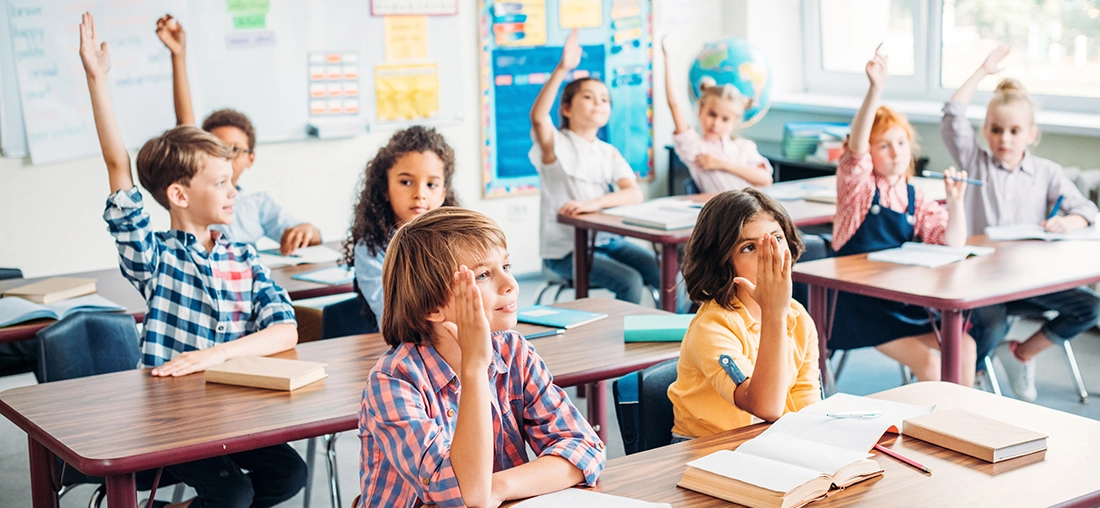
A leading think tank has warned that stark inequalities in England’s education system are widening, with pupils in London outperforming children in other parts of the country at an accelerating rate. The Institute for Government (IfG) says that despite repeated pledges to narrow the attainment gap, successive governments have failed to produce a credible strategy to address what it describes as a growing crisis in fairness and opportunity.
The report highlights that educational inequalities, already entrenched before Covid, have “grown wider and more pronounced” since the pandemic. The disruption of lockdowns, the uneven provision of remote learning, and the persistent challenges facing disadvantaged pupils have deepened divisions both regionally and socially. While London continues to record above-average results, children in parts of the North and Midlands remain significantly behind their peers.

New data underscores the scale of the divide. The average Key Stage 4 attainment rate — the proportion of pupils achieving at least a pass in English and Maths GCSEs — stands at 65 per cent nationally. Yet in Knowsley, a deprived area in Merseyside, that figure drops to 40 per cent, while in the affluent borough of Richmond upon Thames in west London it rises as high as 83 per cent. The story is similar at primary level. Last year, 69 per cent of pupils in London met expected standards at Key Stage 2, compared with just 61 per cent nationally. Between 2019 and 2024, national KS2 attainment fell from 65 per cent to 61 per cent, with mathematics and writing suffering the sharpest declines. London, by contrast, recorded only a two-point drop, widening the attainment gap with the rest of England from six to nine percentage points.
The disparities are not only regional but also social. The gap in GCSE outcomes between disadvantaged and non-disadvantaged students has widened in most local authorities since 2019, according to the IfG. Although the government has committed to “closing gaps in outcomes” for children on free school meals and pupils with special educational needs and disabilities, the think tank argues that no clear or coherent plan has been set out to achieve these goals.
Some measures have been introduced. Earlier this year, ministers expanded free school meal provision to an additional half a million children, claiming this would lift 100,000 pupils out of poverty and save families up to £500 annually. But critics say such interventions do not go far enough to address systemic inequalities. Caroline Voaden, Liberal Democrat MP for South Devon and member of the Commons education select committee, said funding disparities between regions remain stark.
“A Camden school is paid nearly three times as much as a school in Devon for every child with additional needs on their roll,” she said. “So they can afford more teaching assistants, more specialist help, better facilities, extracurricular activities, healthier food, music, arts and sport specialists. Is it any wonder that children outside of London are missing out? Frankly, it’s a scandal.”
Education charities have echoed these concerns. James Toop, chief executive of Teach First, warned that the pandemic had “set back a generation” and that disadvantaged pupils were paying the highest price. “Progress since then has been limited, with inequalities continuing to grow,” he said. “The government must do all it can to deliver on its mission, starting by attracting and incentivising the brightest and best teachers to work where they are needed most.”

The IfG report suggests that London’s advantage is partly structural: its diverse demographic mix, combined with the capital’s appeal as a place to live and work, makes it easier to attract highly qualified teachers. But it also identifies absenteeism as a critical challenge. Government data shows that nearly 150,000 pupils were classified as “severely absent” in autumn 2024, meaning they missed at least half of all school sessions.
Amber Dellar, an IfG researcher and author of the report, said: “The pandemic has undone much of the last decade’s progress in tackling educational inequalities, leaving some areas and groups of children far behind. The government’s opportunity mission is a good starting point, but it lacks a clear vision for delivery. Any serious plan must focus on reducing high absence rates and helping schools share what works in supporting disadvantaged pupils.”
As tens of thousands of students across England, Wales and Northern Ireland prepare to receive their GCSE results this week, the findings will add to pressure on ministers to explain how they plan to narrow the gulf between the country’s best-performing and most disadvantaged regions. For now, the evidence suggests that where a child lives continues to play a decisive role in their educational outcomes — and the gap is only widening.
Related News:
 Michele Dougherty Makes History as the UK’s First Female Astronomer Royal
 Labour Urged to Revive Sure Start Name to Rebuild Trust and Win Back Reform Voters
 China-Backed Confucius Institutes at UK Universities Face Uncertainty Under New Free Speech Rules
 Tragedy in Cambridge: Two Arrested Over Fatal Assault of International Student
 UK University Staff Studying Sensitive Chinese Issues Report Intimidation
 Princess of Wales Launches Animated Video Series to Support Early Childhood Development
 A-level Results in England Expected to Return to Pre-Pandemic Norms with Shifting Subject Preferences
 University Education Faces New Challenges as Students Question Its Value
 Learner Drivers to Face CPR and Defibrillator Questions in New Theory Tests
 More than a Quarter of A-Level Students Poised to Achieve Top Grades Across UK
 Record Number of UK Students Secure University Places Following A-Level Results
 Boys’ Under-Performance at GCSEs a “National Concern,” Says Leading Education Expert
 From ‘Skibidi’ to ‘Mouse Jiggler’: Cambridge Dictionary Expands with Modern Slang and Social Terms
 UK Moves to Evacuate Nine Gaza Students with British University Scholarships
 GCSE Results Day 2025: What Students Need to Know About Grades, New App and Appeals
 Education Leaders Call for End to Compulsory GCSE Resits in English and Maths
 Thousands of New School Nursery Places to Be Rolled Out Across England
 University of Edinburgh Lecturers Launch Five-Day Strike Amid £140m Budget Cuts
 Ofsted Pushes Ahead with Controversial New Inspection Regime Despite Widespread Opposition
 UK Set to Launch Its First ‘Super-University’ Through Landmark Merger of Kent and Greenwich
 Special Needs Reforms Risk Becoming ‘Welfare Reforms Mark 2,’ Warns IFS
 UK Graduates in Healthcare Report Highest Satisfaction with Degree Choices
 Growing Crisis in UK Schools: One in Three Parents Seek Special Needs Assessments
 UK Launches Initiative to Teach Democracy to Toddlers in Memory of Sir David Amess
 Majority of Girls and Young Women in UK Adjust Daily Lives to Feel Safe, Survey Reveals
 UK Confronts Rising Crisis of Child-on-Child Sexual Abuse as Patterns Shift
 Historic Letters Unearthed on eBay Reveal UK Families’ Profits from Slavery
 It Changed My View’: Campaign Encourages Pupils in Deprived Areas to Consider University
 Report Finds School History Lessons Marginalise Women’s Contributions
White Low-Income Pupils in England Show Lowest Levels of School Engagement, Study Finds
Report Finds School History Lessons Marginalise Women’s Contributions
White Low-Income Pupils in England Show Lowest Levels of School Engagement, Study Finds
 Rachel Reeves Unveils Ambitious Plan to Bring a Library to Every Primary School in England
 UK Home Office approves extra visas for UCL international students amid deferred admission concerns
 Teacher Permanently Banned After Slapping Pupil Over Classroom Incident
 UK Universities Warn Students Ahead of 7 October Pro-Palestine Protests
 Eating International Foods Linked to Greater Tolerance, UK Study Finds
 Thousands of University Jobs Cut Amid Deepening Financial Crisis
 Phillipson urges UK universities to combat antisemitism
 MPs Urge UK to Let Gaza Scholars Bring Their Children
 Phillipson Warns Parents Over Poor Quality Online Advice
 UK Pupils Fear AI Is Eroding Their Learning Skills
 Parents spending £5,000 on special school assessments in England
 New V-Level qualification to transform post-16 education
 Oxford Union president-elect ousted following Charlie Kirk scandal
 The debate over England’s compulsory reading test for 13-year-olds
 One in 12 Secondary Pupils Sent to Isolation Weekly
 Children to Judge Inaugural Booker Prize for Young Readers
 Six-Figure Tutors Teach Toddlers to ‘Be British’
 How Bringing Forests Into Preschools Boosts Children’s Health
 Is a two-week half-term a good deal? Some parents in England aren’t so sure
 Bridget Phillipson Vows to Confront Unions Over Reading Tests
 Children to Learn Local History in Major Curriculum Overhaul
 Top Christmas Books Reads: Classics to Cozy Romcoms
England Curriculum Review Recommends Major Changes
Top Christmas Books Reads: Classics to Cozy Romcoms
England Curriculum Review Recommends Major Changes
 Mortgages and AI Set to Feature in English Schools
 Greta Thunberg Backs Student Facing UK Visa Revocation
 Audio Books deals and promo codes to explore in November 2025
 London’s Childlessness Crisis: Schools Closing as Families Shrink
 No link found between paracetamol in pregnancy and autism
 Government urges schools to ban phones to curb classroom disruption
 Stephen Fry backs SafeCall to protect missing children
 England’s Special Needs Support Faces Breaking Point
 Higgs Donates Nobel Medal to His Beloved University
 Some schools in England take six times more special needs pupils
 UK Schools Face Staff Exodus Amid Wellbeing Crash
 Top Diaries and Planners to Upgrade Your Organisation in 2026
 Schools urged to trial four-day week to ease pressure on teachers in England and Wales
 Oxford Names ‘Rage Bait’ Word of the Year
 UK Must Act with Courage and Clarity on Israel-Palestine Conflict, Says Foreign Affairs Committee Report
 London Set to Honour Euro 2025 Champions as Lionesses Take Victory Parade Through the Capital
 Targeted Attack in Bury Sparks Murder Investigation as Community Awaits Justice
 Heartbreak in the New Forest as Shetland Ponies Vanish, Community on Edge
 Fire Contained at Edinburgh’s Arthur’s Seat After Overnight Battle by Firefighters
 Premier League Supercomputer Predicts Tough Season for Man Utd Amid Three-Team Title Battle
 UK Weather: Heat Alerts Extended as Temperatures Set to Reach 30°C This Weekend
 Compulsory Period Education for Boys and Girls Urged by New Study
 Palestine Action Ban Protesters Plan Tactic to Overwhelm Police at Next London Demonstration
 Grimsby Stun Manchester United in Dramatic Penalty Shootout
 Why E-Bikes and E-Scooters Are Making Streets a ‘Nightmare’ for Blind People
 Millions in the UK at Higher Risk of Heart Failure and Stroke Due to Air Pollution, Study Warns
 Prime Suspect in Madeleine McCann Case Declines Metropolitan Police Interview Ahead of German Prison Release