Published: 1 July 2026
The English Chronicle Desk
The English Chronicle Online
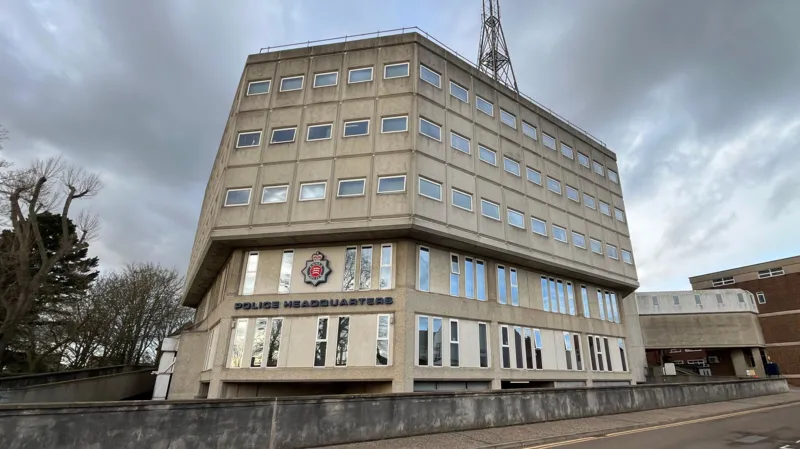
A police officer accused of throwing a body-worn camera towards a colleague during a workplace incident is facing scrutiny under professional standards procedures, with the case drawing attention to expectations surrounding conduct within law enforcement organisations.
The allegations emerged during disciplinary proceedings examining the officer’s behaviour, with claims that the incident formed part of a wider pattern of conduct that colleagues described as rude, unprofessional and inconsistent with the standards expected of serving police personnel.
Officials have stressed that disciplinary processes exist to ensure concerns are examined fairly and that findings are based on evidence presented during formal proceedings.

The case has reignited discussion about workplace culture within policing, the importance of professional behaviour and the mechanisms used to address allegations of misconduct.
Police officers are entrusted with significant responsibilities and are expected to meet high standards of conduct both when dealing with the public and when interacting with colleagues.
Professional standards frameworks require officers to act with integrity, respect and professionalism in all aspects of their work.
When allegations arise suggesting those standards may not have been met, forces are expected to investigate and determine whether disciplinary action is necessary.
According to reports surrounding the case, concerns were raised regarding an interaction in which the officer allegedly threw a body-worn camera in the direction of another member of staff.
The incident is said to have prompted complaints and led to further examination of workplace behaviour.
Body-worn cameras have become an increasingly important part of modern policing.
Designed to improve transparency, accountability and evidence gathering, the devices are now routinely carried by officers across many police forces.
The equipment is intended to support operational duties and provide accurate records of interactions between officers and members of the public.
As a result, any incident involving such equipment inevitably attracts attention.
Professional conduct experts note that disciplinary investigations do not focus solely on major breaches of policy.
Behaviour that undermines workplace relationships, damages morale or creates an intimidating environment can also become the subject of formal scrutiny.
Supporters of robust professional standards argue that respectful behaviour within police organisations is essential for maintaining effective teamwork and public confidence.
Policing often involves high-pressure situations requiring officers to work closely together in challenging circumstances.
Trust and cooperation among colleagues are therefore considered critical components of operational effectiveness.
Employment specialists say workplace disputes can occur in any profession, particularly in environments where staff face significant stress and demanding workloads.
However, organisations are expected to manage such situations appropriately and ensure standards of behaviour are maintained.
The case has also highlighted the distinction between misconduct and gross misconduct.
Misconduct generally involves behaviour that breaches professional standards but may not justify dismissal.
Gross misconduct, by contrast, refers to conduct considered so serious that continued employment may become untenable.
Disciplinary panels are responsible for determining where alleged behaviour falls within that spectrum.
Police representatives have emphasised that officers subject to disciplinary proceedings are entitled to a fair hearing and should not be presumed guilty before investigations are completed.
Professional standards processes are designed to establish facts, consider evidence and ensure decisions are reached through proper procedures.
At the same time, community groups and accountability advocates argue that transparency is essential when concerns arise regarding police conduct.
They maintain that public confidence depends on visible and credible systems for addressing allegations against officers.
Over recent years, police forces have faced increasing pressure to demonstrate accountability and openness.
Public expectations regarding professional standards have grown significantly, leading many organisations to strengthen oversight mechanisms and improve reporting procedures.
Independent scrutiny bodies now play an important role in reviewing allegations and ensuring investigations are conducted fairly.
Experts in organisational behaviour note that workplace culture is often shaped by how institutions respond to complaints and disciplinary matters.
Clear expectations, consistent enforcement of standards and effective leadership are widely regarded as essential ingredients of a healthy working environment.
Where concerns are addressed promptly and transparently, organisations are generally better positioned to maintain trust among employees and the public.
The case has prompted broader reflection on professionalism within public service roles.
Police officers, like other public sector workers, are expected to represent the values of the institutions they serve.
Behaviour perceived as disrespectful or inappropriate can therefore have consequences extending beyond individual workplaces.
Former senior officers have argued that maintaining professional standards is not simply about avoiding misconduct but also about fostering positive organisational cultures where staff feel respected and supported.
Strong workplace relationships, they suggest, contribute to both employee wellbeing and operational performance.
As disciplinary proceedings continue, attention will remain focused on the evidence presented and the conclusions ultimately reached by those responsible for reviewing the case.
Officials have declined to comment in detail while the process remains ongoing, citing the need to protect procedural fairness.

Whatever the outcome, the incident serves as a reminder of the standards expected within modern policing and the importance of accountability mechanisms designed to uphold them.
For police forces across the country, maintaining professionalism remains a key priority, both in interactions with the public and within their own ranks.
The final findings of the case are likely to be closely watched as part of the continuing conversation about workplace conduct, organisational culture and public confidence in law enforcement institutions.
Related News:
 UK Must Act with Courage and Clarity on Israel-Palestine Conflict, Says Foreign Affairs Committee Report
 London Set to Honour Euro 2025 Champions as Lionesses Take Victory Parade Through the Capital
 Targeted Attack in Bury Sparks Murder Investigation as Community Awaits Justice
 Princess of Wales Launches Animated Video Series to Support Early Childhood Development
 Heartbreak in the New Forest as Shetland Ponies Vanish, Community on Edge
 Fire Contained at Edinburgh’s Arthur’s Seat After Overnight Battle by Firefighters
 Premier League Supercomputer Predicts Tough Season for Man Utd Amid Three-Team Title Battle
 UK Weather: Heat Alerts Extended as Temperatures Set to Reach 30°C This Weekend
 Merseyside Police Helicopter Crew Cleared After Low-Altitude Pursuit of Suspect
 Education Leaders Call for End to Compulsory GCSE Resits in English and Maths
 Thousands of New School Nursery Places to Be Rolled Out Across England
 Tanni Grey-Thompson Faces Abuse Over Opposition to Assisted Dying Bill
 Birmingham Bin Strike Enters Sixth Month as Negotiations Stall
 Over 40% of Private Renters Forced to Ration Energy to Afford Bills, Study Reveals
 Systemic Racism in Maternity Care Continues to Endanger Black Women in England, MPs Warn
 Northern Ireland Faces Fears of Prolonged Race Riot “Permacrisis”
 Nigel Farage Unveils Controversial Immigration and Welfare Plans at Reform UK Press Conference
 Scottish Teenager’s Petition on Single-Use Plastics Gains Parliamentary Support
 White Low-Income Pupils in England Show Lowest Levels of School Engagement, Study Finds
 No Evidence Found to Substantiate Alleged Rape in Oxfordshire Churchyard, Police Confirm
 UK House Price Growth Slows as Buyers Exercise Caution Ahead of Autumn Budget
 Massive London Poundland Fire Engulfs High Street
 Paedophile Singer Ian Watkins Dies After Prison Attack
 UK border officers deployed to Balkans to tackle migrant smuggling
 UK MPs warn of repeat riots over online misinformation
 Giuffre’s bombshell memoir names Prince Andrew 88 times in shocking revelations
 M&S and Morrisons Lead Christmas Supermarket Taste Test
 Reeves Faces Setback as Labour May Miss Homes Target
 Historic £100-Weekly Pension Boost Brings Relief for UK Mineworkers
 Children to Receive Home Vaccines as England Acts
 Cambridge College Faces Backlash Over Private School Recruitment
 Bereaved Fathers Gain New Paternity Leave Rights in UK
 Woman Jailed for Life After Killing E-Bike Rider in Tragic Mistaken Identity Case
 No Gas Boiler Ban as UK Warm Homes Plan Backs Heat Pumps
 Police response times face strict new national limits
 Devon hosts first high-density hydro power system
 Draft Severe Weather Plan Following Storm Flooding
 Major UK Clothing Firm Collapses into Administration — 109 Jobs at Risk
 Send spending gap leaves deprived areas behind
 Could Manchester Lead the UK’s Economic Revival?
 Motorists Could Face ‘Mandatory’ Driving Ban for Road Offences Under Tougher Laws
 Lloyds Boss Accepts Concern Over Use of Staff Data in Pay Talks
 With Scottish Freebies Under Threat, University Tuition Is on the ‘Hit List’
 Civil Service Pay: Union Urges Ministers to End ‘Barking Mad’ Limits
 UK Job Vacancies Hit Five-Year Pandemic Low
 Meet Robert Aramayo: From Humble Beginnings in Hull to Juilliard and BAFTA Glory After Beating Timothée Chalamet
 UK Youth Unemployment Surges Amid Tax Changes
 Half of Britons Avoid GP When Ill, Survey Reveals Growing Concern
 Russian Trade Routed Through British Islands Exposed
 Rape Accused Had Fight With Man in Alley, Court Told
 Mother Says ‘I Hugged My Daughter’s Killer’ as They Cried Together in Prison
 Mayor Spends £20m to Encourage More Bus Trips
 Driver Jailed Over Fatal Water Treatment Tank Crash
 Brit ‘in Good Spirits’ Amid Dubai Missile Attacks, Stranded but Safe
 Councils Pressed to Use Universal Parking App to Cut ‘Unfair’ Fines
 MP Outrage Grows as Travelodge Boss Misses Key Safety Talk
 The 8 Million Dilemma: Why Britain’s Disability Safety Net is Facing a ‘2026 Reckoning’
 ‘The Insulation Trap’: Knifeman Discovered Hiding Under Loft Padding After Six-Hour Standoff
 The Banbridge Rescue: 300 Sheep Saved from Massive Hay Shed Inferno
 NHS Braces for Impact as Resident Doctors Begin Strike
 The Waiting Ward: ‘Month of Worry’ as Doctor Strikes Trigger Seismic Surgery Delays
 Is Britain Ready? Experts Warn of ‘Bizarre’ Military Delay
 Benjamin Field Murder Conviction Overturned by Appeal Court
 Roadside Reckoning: Nearly 160,000 Uninsured Vehicles Seized in National Crackdown
 ‘The Last of the Greatest’: UK’s Oldest WWII Veteran Passes Away Aged 109
 Prominent Voices Challenge Palestine Action Ban
 “Three-Wheeled Triumph”: Mayor of Erewash Completes 2,000-Mile European Charity Run
 New Scan Offers Hope for Faster Endometriosis Diagnosis
 The “Dry” Life: Teens Trialing Social Media Bans Call Initial Disconnection “Boring” and “Dry”
 “An Endurance Test for the Mind”: British Couple Sentenced to 10 Years in Tehran
 “The Local Gavel”: Polls Open Across Hampshire and Isle of Wight in Delayed ‘Milestone’ Vote
 “The Blue Light Intersection”: Seventeen-Year-Old Critically Injured in ‘Nasty’ Police Pursuit Crash
 “The Fractured Frontier”: Sir John Curtice Declares the ‘Sacred’ Two-Party Era Over After ‘Milestone’ Results
 Rugby Legend Scott Hastings Dies Aged 61
 “A Historic Tumble”: Lost 1930s Film Reel Reveals the Untamed Origins of Gloucestershire’s Legendary Cheese-Rolling
 The Battle for Wembley Sparking Unprecedented Legal Warfare
 Starmer Set to Announce Exit Plan as Burnham Eyes No 10
 Peak District Solstice Tragedy: Victim Formally Named
 UK Households Suffer Squeeze As Disposable Incomes Drop
 UK Property Prices Stagnate Amid Growing Fears of Summer Slump