
Published: 07 July 2026. The English Chronicle Desk. The English Chronicle Online.
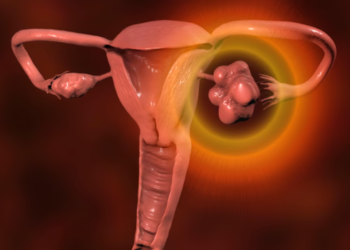
Endometriosis represents a significant health challenge that impacts millions of women across the United Kingdom today. This complex condition occurs when tissue similar to the lining of the womb develops in abnormal locations. Common sites include the ovaries and fallopian tubes which often leads to severe and debilitating internal pain. Affected individuals frequently report agonizing menstrual cycles along with extreme discomfort during bowel movements or urination processes. Many women also experience profound pain during or after sexual intercourse which severely impacts their overall quality of life. Despite these clear symptoms the path toward a formal diagnosis remains notoriously difficult and frustratingly long for patients. Current standard diagnostic methods rely heavily upon ultrasound scans or detailed magnetic resonance imaging to identify potential issues. Doctors sometimes perform a laparoscopy where a small camera is inserted through a tiny surgical incision in the stomach. Unfortunately these traditional approaches often fail to provide quick answers for those suffering from this invisible yet painful disease. Women in England and Wales are currently forced to wait as long as a decade before receiving confirmation. Such extensive diagnostic delays contribute significantly to increased personal suffering and prolonged periods of deteriorating physical health. Disease progression often occurs during these waiting years making the condition much more challenging to manage or treat effectively. The National Institute for Health and Care Excellence has now taken a decisive step to address these persistent clinical gaps. They have officially given the green light to two innovative new tests known as EndoSure and Endotest for NHS use. These diagnostic tools promise to dramatically reduce the time it takes for women to understand their underlying health conditions. Officials describe this development as a genuine gamechanger that will transform how medical professionals approach endometriosis in primary care settings. One of the newly approved tests provides reliable diagnostic results in a remarkable time frame of just forty-five minutes.
Dr Anastasia Chalkidou serves as the healthtech programme director at the National Institute for Health and Care Excellence and supports this shift. She noted that a formal diagnosis for some women currently takes the best part of an entire decade of their lives. The current national average for receiving a diagnosis stands at over nine years for most patients across the country. This waiting period unfortunately rises to eleven years for those belonging to ethnically diverse communities who face even greater structural hurdles. These significant delays mean that many women live with chronic pain that affects their daily life and personal relationships. Dr Chalkidou emphasized that the condition also interferes with professional performance and long-term career aspirations for many affected individuals. These new technologies have the significant potential to change that trajectory by giving primary care professionals better diagnostic tools. Non-invasive methods will allow clinicians to identify the condition earlier and provide faster access to the appropriate medical treatments. The draft guidance released by the institute reflects a strong commitment to getting promising medical innovations to patients very quickly. They are ensuring that the evidence supporting wider use is built in a very rigorous way to protect all patients.
The mechanism behind Endotest involves a simple saliva sample that patients provide in a comfortable and private medical setting. This sample is sent away to a specialized laboratory to check for tiny biological markers known as microRNAs within the body. The presence of these specific markers acts as a clear indicator of the existence of endometriosis for the medical team. Results are then returned directly to the general practitioner or another healthcare professional to help inform the next steps for care. EndoSure utilizes a different approach by detecting the condition through measuring specific electrical signals found within the digestive gut area. The test involves using sensor pads placed directly on the abdomen to record activity while the patient remains very still. Women are asked to fast for six to eight hours beforehand to ensure that the data remains clear and accurate. During the forty-five minute test they are encouraged to drink water until full to help the device record gut activity. Results from this specific diagnostic device are available to the clinical team as soon as the test is finally complete.
The draft recommendation published this Tuesday approves these diagnostic tests for an initial period of exactly three years for patients. During this trial time further evidence will be collected to monitor how well they perform in busy real-world clinical settings. The institute will then decide whether to grant final approval for permanent use across the entire National Health Service for everyone. Another third test called DotEndo was also reviewed but experts determined that it required more detailed research before gaining approval. These specific tests were not designed to act as standalone diagnostic tools for every single patient presenting with abdominal pain. They should instead be used to ensure that women are diagnosed much faster than the current outdated standards allow today. The tests are intended for women where the condition is still suspected after a normal clinical exam and initial imaging. This includes cases where initial scans produce negative or inconclusive results for the patient during their primary assessment phase.
Dr Gail Busby works as a consultant gynaecologist at the Manchester University NHS Foundation Trust and welcomes the new technological shift. She explained that these tests are a gamechanger because they provide definitive answers much earlier than we have seen in decades. They remove the absolute necessity for invasive surgery for many women who are currently seeking a clear and reliable diagnosis. Starting the right treatment sooner is the most effective way to improve patient outcomes and alleviate the burden of chronic pain. An earlier diagnosis does not just change one person’s life but it also creates better flow within our medical system. It effectively frees up critical appointments and surgical slots for everyone else who is currently waiting for specialist gynaecological care. Emma Cox from the advocacy group Endometriosis UK also expressed strong support for the introduction of these two new diagnostic tests. She emphasized that they should come with updated education for general practitioners and nurses to ensure prompt access for all patients. This initiative represents a vital step toward ending the history of symptoms not being properly recognized by the medical establishment. Millions of women across the country now have a renewed sense of hope for a faster and more efficient diagnostic journey.
Related News:
 Hospice Cuts Raise Alarm Across England Amid Funding Crisis
 Celebrities and Charities Demand UK Government Act on Child Poverty
 Patients to Test Health at Home to Ease NHS Winter Pressure
 London’s Childlessness Crisis: Schools Closing as Families Shrink
 Shouting Works Best to Deter Gulls, UK Study Finds
 Reeves rejects £1bn plea for NHS redundancy payouts
 Working-Class Men with Prostate Cancer Left Behind by NHS
 Senator John Fetterman Hospitalized After Fall from Heart Flare-Up, Keeps Sense of Humor
 New AI tool could cut wasted efforts in organ transplants
 Stroke Patient Mistaken for Drunk, Care Delayed
 ‘Traumatic Wait’: Northern Ireland Women Face Breast Cancer Delays
 Healthy Habits in Your 30s That Boost Life in Your 70s
 Scottish Families Take Legal Action Over School CO Leak
 Coffins Now Too Large to Cremate Amid Rising Obesity Crisis
 Vicki Fears Losing Motability Car
 Delhi’s Toxic Air Crisis Leaves Children Sick and Vulnerable
 Five-Year-Old Dies After Rare Tonsil Surgery Complication
 Fibromyalgia Patients Struggle as NHS Fails to Provide Care
 More Patients Now Contacting GPs Online, Data Shows
 Kenya Signs $2.5bn Health Deal with US Amid Data Concerns
 Children to Receive Home Vaccines as England Acts
 Childhood Hypertension Sparks Urgent UK Testing Calls
 UK Enforces Junk Food Ad Ban Before 9pm
 Patients Collapsing in NHS Corridors, Watchdog Warns
 Google Removes Some AI Health Summaries Over Safety Concerns
 Polycrisis Anxiety Leaves Many Feeling Trapped in the Present
 Small risk warning raised over weight-loss jabs in UK review
 Streeting moves on doctor pay to end strike dispute
 Autistic Girls Often Missed in Childhood Diagnoses, Study Finds
 UK reports baby formula toxin poisoning cases across the country
 Most Statin Side-Effects Are Not Caused by Drugs, Study Confirms
 UK, US Medics Barred from Gaza Amid Rising Aid Concerns
 Chikungunya Spread in Europe Climbs as Climate Warms
 Placenta Accreta Warning as Hunt Urges Action
 Half of Britons Avoid GP When Ill, Survey Reveals Growing Concern
 The rise of rejection sensitive dysphoria: How it shapes lives
 NHS Maternity Units Cover Up Harmful Childbirth Errors
 Weight-loss drugs may transform heart attack recovery
 Zorevunersen Breakthrough for Dravet Syndrome
 Cancer Death Rate in Britain Falls by Nearly a Third
 New Zealand Covid Response Praised Despite Lingering Scars
 Taking Multivitamins Daily Could Slightly Slow Ageing, Study Finds
 Canada Plasma Deaths Raise Safety Concerns After Two Donors Die
 ‘Drinking from a Fetid Pond’: Superbug Genes in Lough Neagh
 NHS Plans to Cut Overseas Workers Labeled Overambitious
 Palantir Boss Defends NHS Deal Amid Government Break Clause
 Reformer Pilates Boom Sparks Surge in Injuries, Experts Warn
 Unions Raise Concerns Over Doctors’ Pay Dispute
 Blue Badge Surge Prompts Calls for Urgent Fraud Crackdown
 Private Profits From NHS Contracts Spark Urgent National Debate
 Crisis in NHS Surgery Scheduling Hits Patients Hard
 Britain’s Health Decline: A Growing National Concern
 New Scan Offers Hope for Faster Endometriosis Diagnosis
 New AI Tool To Target Obesity Risk And Transform NHS Care
 WHO approves first malaria drug for babies
 The Hidden Danger Facing Mothers in British Hospitals
 Hantavirus Cruise: Britons Face 45-Day Isolation Order
 Florida Surgeon ‘Devastated’ Over Fatal Surgery Error
 Barrister Criticises Trial After Suicide Case Verdict
 Crisis in the Canary Islands as Cruise Ship Evacuated
 UK Experts Urge Four-Day Week to Combat National Obesity
 Cruisers Face Perth Quarantine After Hantavirus Outbreak
 Wes Streeting faces narrow road to Labour members’ favour
 French Patient Told Hantavirus Was Just Anxiety
 Heavy Caring Burden Linked to Faster Mental Decline
 NHS Drug Deal Faces Legal Threat Over US Trade Agreement
 Maldives Cave Diving Tragedy Raises Safety Alarm
 Pope Meets Families in Italy Toxic Waste Zone
 Ben Proud Defends Enhanced Games Participation
 Record Spending Highlights Growing Crisis In National Health Service
 AI Medical Error: NHS Doctors Risk Facing Huge Lawsuits
 Clean Air Initiatives Spark Major Fall in London Hospital Admissions
 Labour MP Revives Blocked Assisted Dying Bill in Commons
 NHS Urges Investigation For Irregular Periods
 Deadly H5 Bird Flu Reaches Australia’s East Coast
 UK Heatwaves Ignite Crisis of Sleep and Public Safety
 Arizona Toddler Found Alive in Hospital Cold Room
 Trump Immigration Cuts Threaten US Caregiver Stability
 UK Schools Struggle as Classrooms Top 40C
 London Tube Heat Reaches Dangerous Levels