Published: 7 August 2026
The English Chronicle Desk
The English Chronicle Online
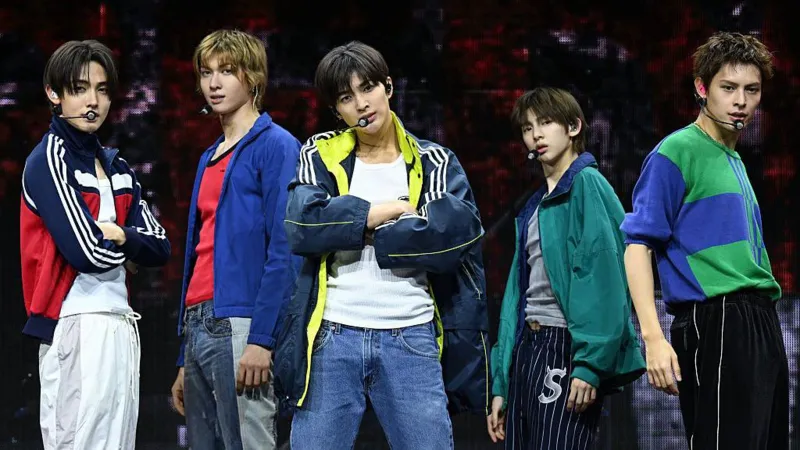
K-pop artists are joining a growing debate over concert culture as some of the world’s biggest music stars encourage fans to spend less time recording performances on their phones and more time experiencing live shows in the moment.
The discussion has gained attention after members of a leading K-pop group spoke about concert etiquette, urging audiences to consider putting their devices away during performances so they can fully connect with the music, the atmosphere and the artists on stage.
For years, smartphones have become a central part of modern concerts. Fans often record entire songs, capture videos for social media and share clips online within minutes of a performance taking place. While many artists appreciate the support and online promotion created by fan recordings, some performers say excessive phone use can change the atmosphere of live events.

The K-pop industry, known for its highly energetic performances and close relationship between artists and fans, has been at the centre of this conversation. Concerts often feature carefully planned choreography, elaborate stage designs and emotional interactions between performers and audiences.
Some artists believe that constant filming can prevent fans from enjoying those moments personally and can also affect the experience of people around them.
The comments from K-pop stars reflect a wider shift across the global music industry, where performers are increasingly discussing the balance between sharing experiences online and being present during live events.
Many artists say they understand why fans want to capture memories. For many supporters, attending a concert is a once-in-a-lifetime experience, and recording a favourite song or emotional moment can feel important.
However, musicians have argued that watching an entire concert through a phone screen can create a barrier between the performer and the audience.
Some K-pop performers have told fans that they would rather see thousands of faces looking back at the stage than a sea of raised phones blocking their view.
The issue is particularly significant in K-pop because fan interaction is a major part of the concert experience. Artists frequently communicate directly with audiences, respond to fan chants and create spontaneous moments that are difficult to recreate through recordings.
Concert organisers have also raised concerns about excessive phone use. Large numbers of fans holding devices above their heads can obstruct views for others, particularly shorter audience members or those standing further away from the stage.
Some venues have introduced rules limiting the use of professional cameras or restricting recording during specific performances. However, completely preventing smartphone use remains difficult because phones are now deeply connected to how fans share and promote music.
The rise of social media has transformed the relationship between artists and audiences. A short concert clip posted online can reach millions of people and introduce new listeners to a band’s music.
For emerging K-pop groups, fan-recorded videos can provide valuable exposure and help expand their international popularity.
Because of this, some artists and entertainment companies have a complicated relationship with fan recordings. They recognise the promotional benefits while also worrying about copyright issues, spoilers and the loss of the live experience.
Music industry analysts say the debate reflects a broader question about how technology has changed entertainment.
“Fans are no longer just consumers. They are also creators, promoters and broadcasters,” said one industry observer. “The challenge is finding a balance where fans can share their passion without replacing the actual concert experience.”
The conversation around concert etiquette is not limited to K-pop. Artists across genres have previously asked audiences to reduce phone use during performances.
Some musicians have stopped shows to request that fans put devices away, while others have created phone-free sections where audiences are encouraged to watch without screens.
Supporters of these approaches say concerts should remain unique experiences that cannot be fully captured through digital recordings.
Fans, however, have offered different perspectives. Many argue that taking videos does not necessarily mean they are not enjoying the performance.
Some say recording a favourite song allows them to revisit special memories, especially for fans who may never have another opportunity to see an artist live.
Others point out that social media has played an important role in helping K-pop become a global phenomenon. Viral concert clips, dance performances and fan-created content have helped groups reach audiences far beyond their home countries.
The challenge for artists is therefore not simply convincing fans to stop using phones, but encouraging more thoughtful behaviour.
Many performers have suggested that fans should avoid recording entire concerts, keep devices lower when filming short clips and make sure they are not preventing others from enjoying the show.
The discussion also highlights changing expectations between artists and audiences. In previous generations, concerts were largely private experiences shared between performers and fans in the same physical space. Today, they are also digital events watched and discussed by millions online.
K-pop has embraced this digital connection more than many other genres, using livestreams, fan platforms and online communities to maintain close relationships with supporters around the world.
As technology continues to shape live entertainment, artists are likely to keep navigating the complicated relationship between digital sharing and real-world connection.
For many performers, the message is not that fans should abandon their phones completely, but that they should remember why they came to the concert in the first place.

A live performance is about more than capturing a video. It is about the sound of the crowd, the energy of the venue and the shared experience between thousands of people.
By encouraging fans to occasionally put their phones down, K-pop artists hope audiences can create memories that exist beyond a screen.
The debate over concert etiquette is unlikely to disappear, but it reflects a wider conversation about how people experience entertainment in an increasingly digital world.
As concerts continue to evolve, the challenge will be finding a way for technology and tradition to coexist — allowing fans to share unforgettable moments while still being fully present when they happen.
Related News:
 ‘Some Might Pay’: The Guitar That Built ‘(What’s the Story) Morning Glory?’ Heads to Auction
 Chaos for Concertgoers: Wireless Festival Cancelled Amid Kanye West Entry Row
 Heartbreak on the Rails: World-Renowned Violinist, 79, Pleas for Return of Stolen Instrument
 King of Pop Biopic Trashed as ‘Bland and Soulless’ Cash Grab
 “PCD Maybe Never”: Pussycat Dolls Ax North American Tour Amid Sluggish Ticket Sales
 Judge Urges Settlement in Gaza Comments Dispute
 Stormzy Leads Tributes as Music World Remembers Slain Grammy-Winning Artist
 Olivia Rodrigo May Sing About Heartbreak, but She Already Knows Her Wedding Song
 Isle of Wight Festival Opens With Music, Colour and Celebration
 Bad Bunny Lights Up London with History-Making Stadium Show
 What We Know About Taylor Swift’s Rumoured New York Wedding Celebrations
 Sabrina Carpenter and Graham Norton Seen in New York as Speculation Grows Over Rumoured Taylor Swift Wedding Celebrations
 From Friendship Bracelets to Wedding Rings: A Timeline of Taylor Swift and Travis Kelce’s Relationship
 Taylor Swift and Travis Kelce Marry at Madison Square Garden
 Guests Share Memories of Taylor and Travis Wedding
 Party Rock Anthem Singer Lauren Bennett Dies at 37
 Pianist Loses Legal Fight Over Gaza Speech Ban
 Bruno Mars Delivers Unexpected Opening Moment Before Wembley Stadium Party Begins
 ‘We Want Your Song in Our Film – But Can You Sing It in Alien?’: The Unusual Challenge Musicians Are Taking On
 Sharon Osbourne Urges Fans to ‘Play Music Loud’ to Remember Ozzy on First Anniversary of His Death
 Yung Filly Denies Rape Allegations During Australia Trial
 Love Island UK Crowns Winners After Twist-Filled Series
 BTS Say They Will Not Submit New Music for Grammy Awards Consideration
 Ariana Grande to Step Back from Public Life Amid Intense Public Scrutiny
 Jonas Brothers Celebrate 20 Years of Pop Success
 Ozzy Osbourne: The Prince of Darkness Bows Out, Leaving Behind a Legacy of Metal and Myth
 Unseen Killers of the Deep Inside the UK Lab Uncovering the Silent Deaths of Sea Creatures
 Gen Z Embraces the Big, Bold ‘Fake’ Indian Wedding Party Trend
 My Husband Won’t Stop Playing with Lego and It’s Driving Me Nuts
 Sean Hayes Reimagined: From Sitcom Stardom to Serious Stage Acclaim
 Russell T Davies Warns of Declining UK Gay Rights Amid Rise of Reform UK and Trump Influence
 Terence Stamp, ’60s British Film Legend and Star of Superman, Dies at 87
 September’s Must-See Films: From Spinal Tap II to Leonardo DiCaprio’s Latest Thriller
 Watchdog, Cornflakes and Courage: Remembering John Stapleton, a Broadcaster Who Did It All
 Beloved Actress Dame Patricia Routledge Dies Aged 96
 Karen Carney Shines on Strictly Come Dancing Week Two Despite Tango Wobbles
 Paedophile Singer Ian Watkins Dies After Prison Attack
 Strictly Celebs Starstruck as Cynthia Erivo Shines
 Man Charged Over 2020 Death of Tattoo Artist Georgina Ward
 Kate Winslet to Narrate Film Highlighting King’s Environmental Mission
 I’m a Celebrity 2025 line-up revealed: Osbourne joins
 From Lego to Pokémon: How Adults Are Driving UK Toy Market Growth
 Pokémon to open world’s first theme park in Japan next year
 Director Michael Caton-Jones Reflects on Career and Beginnings
 Rusty Bond-Era Aston Martin Restored to £1m Glory
 Pavarotti statue frozen in Italian ice rink sparks backlash
 Nancy Sacked by Celtic as O’Neill Returns for Season
 Julia Donaldson Reveals New Character and Title for Third Gruffalo Book
 Top 10 Must-See Films Arriving This February
 Why Margot Robbie and Jacob Elordi’s ‘Mutual Obsession’ Is Giving Some Fans the Ick
 Live Nation Sees Strong Ticket Sales as Monopoly Lawsuit Looms
 Meet Robert Aramayo: From Humble Beginnings in Hull to Juilliard and BAFTA Glory After Beating Timothée Chalamet
 ‘We Pray for Peace’: Indian Filmmaker From Troubled State Who Won a BAFTA
 Pacquiao and Mayweather Agree Professional Rematch for September

 Man, 83, in Taylor Swift Video Had ‘No Idea Who She Was’
 Tracey Emin Says My Bed Would Be ‘Tidy, Clean and Boring’ If Made Today
 Netflix Drops Bid for Warner Bros, Clearing Way for Paramount Takeover
 Marshals Is an Action‑Packed Spin‑Off That Yellowstone Fans Will Love
 Tears and Cheers as Controversial Long‑Running Australian Breakfast Radio Show Implodes
 Joanna Lumley: ‘I Wash My Face with Whatever Soap’s Lying on the Side of the Bath’
 ‘My Hatred of Dogs is Ruining My Love Life’
 John Bengtson: The ‘Silent Film Sleuth’ Who Found History in the Background
 ‘I’m So Ready’: Céline Dion Announces 10-Night Paris Comeback Residency
 Shock Exit: Scott Mills Sacked from Radio 2 Over ‘Historic Relationship’ Allegations
 “It Ends With Trial”: Judge Tosses Blake Lively’s Sexual Harassment Claims Against Justin Baldoni
 US Senators Slam Ticketmaster Over Sneaky New Fee Hikes
 Lil Nas X Enters Recovery Path to Resolve Police Assault Case
 The Suffocating Silhouette: Why Metal’s Mask Trend is Turning Deadly
 Turning Point: Britney Spears Enters Rehabilitation Following DUI Incident
 The Spectrum of Wit: All-Autistic Comedy Line-up Breaks ‘Seismic’ Ground
 Arrest Made: Singer D4vd Held Without Bail in Death of 14-Year-Old Girl
 Blockbuster Resurrection: Avengers Reassemble and Top Gun Returns as Studios Tease 2026 Slate
 Rebel Wilson Denies Role in Smear Campaign Trial
 “The Reality Reckoning”: Government Demands Accountability as Channel 4 Pulls Married at First Sight UK Over Grave Sexual Assault Allegations
 Fans Bring Flags and Fire to World Cup Scenes
 Fans Invited to Share Scotland World Cup Stories
 Saving the Scalloped Hammerhead: The Pacific Battle
 Dua Lipa Backs Albania’s Fight Against Kushner Resort
 Zidane Confirmed as France Head Coach After Long Wait