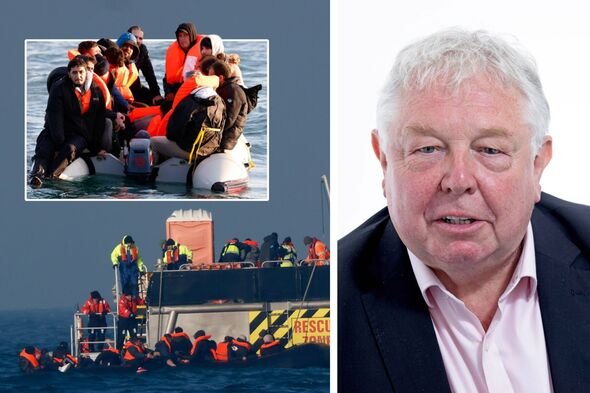
Published: 29 August 2025.The English Chronicle Desk
LBC broadcaster Nick Ferrari launched a furious on-air attack against the Home Office after the department appeared to argue that meeting the human rights obligations of asylum seekers by housing them in hotels outweighed safety concerns raised by local families. The outspoken radio host, who has never shied away from controversy, raised his voice in anger during Friday’s show, questioning the government’s priorities and accusing ministers of disregarding the concerns of communities affected by the migrant housing programme.

Ferrari, 67, opened his tirade with a scathing rebuke, declaring: “How dare they? How bldy dare they? A government department putting forward the idea that the need to meet the human rights of asylum seekers by housing them in hotels outweighs the safety concerns of local families… I will say it again. How bldy dare they?” He went on to highlight the frustration of taxpayers, arguing that local councils are being forced to bear the responsibility of balancing compassion for migrants with the duty to protect long-standing residents.
The immediate trigger for Ferrari’s reaction was a Home Office submission regarding the controversial use of The Bell Hotel in Epping, Essex, which has been housing asylum seekers since April. The hotel, with its 80 rooms fully occupied by migrants, became the centre of a legal storm earlier this year when Epping Council obtained an injunction preventing further accommodation of asylum seekers. The High Court upheld the injunction, setting what lawyers described as a precedent for other councils wishing to block similar government placements.
The Home Office, however, challenged the decision, arguing that such injunctions could undermine its ability to manage asylum seekers and place them in suitable temporary housing. A departmental statement suggested the Epping ruling could encourage councils across the country to block hotels from being used, creating a legal and logistical crisis. Ferrari described the government’s stance as “extraordinary,” stressing that it dismissed genuine community concerns.

During his broadcast, the LBC host also directly addressed Home Secretary Yvette Cooper, insisting that although she may not have personally signed off on the legal challenge, the matter fell squarely under her department’s authority. “I look forward to speaking with the Home Secretary,” Ferrari said, adding that the issue symbolised a deeper breakdown of trust between communities and central government over the handling of migration.
The row comes amid intensifying debate over the UK’s asylum policy. Health Minister Stephen Kinnock attempted to defend the government’s position in an interview with Sky News, warning that an abrupt removal of migrants from hotels would create chaos. “What we don’t want to have is a disorderly discharge from every hotel in the country, which would actually have far worse consequences than what we currently have,” Kinnock said. He cautioned that without controlled housing measures, asylum seekers risk being left destitute on the streets.
Pressed on alternatives to hotels, the minister pointed to other forms of accommodation, including disused warehouses, empty office blocks and decommissioned military barracks. While he acknowledged that none of these options were perfect, he insisted that the government was working to balance humanitarian obligations with public safety.
The situation in Epping has become a symbolic battleground in Britain’s wider migration debate. Critics argue that hotel placements are unsustainable and impose unnecessary pressure on local communities, while human rights advocates insist the government must uphold its duty to provide humane conditions for those fleeing war and persecution. With the High Court’s ruling threatening to trigger similar legal challenges nationwide, the government faces mounting pressure to find a more permanent solution to the asylum housing crisis.

Nick Ferrari’s fiery intervention has amplified the voices of those who feel ignored by Westminster. But it has also reignited questions about how Britain, once regarded as a global leader in refugee protection, should reconcile compassion for asylum seekers with the realities of strained local resources. As the political battle unfolds, the government must decide whether to double down on its hotel policy or accelerate efforts to find alternative solutions before legal and public opposition overwhelms its approach.
Related News:
 Kinnock’s Rebuke Echoes Loudly as Corbyn Allies Launch Left-Wing Breakaway: “A Gift to Farage”
 UK and Norway Forge Stronger Ties Through Joint Sanctions and Enhanced Defence Cooperation
 Trump Administration Dismisses 17 Immigration Judges, Sparking Debate Over Judicial Independence
 UK Must Act with Courage and Clarity on Israel-Palestine Conflict, Says Foreign Affairs Committee Report
 Labour Faces Standoff as NHS Strike Exposes Deeper Crisis
 The Fight for Trans Safety Is a Fight for Everyone’s Safety — MPs Must Debate This Crucial Issue

 Brian Cox Slams Donald Trump’s Remarks on Scottish Independence and Voices Support for Kevin Spacey’s Return to Acting
 Trump Threatens 100% Tariff on Nations Importing Russian Oil Amid India Standoff Over Ukraine War
 Chancellor Faces Mounting Pressure Amid “Impossible Trilemma” Over Tax Rises
 Radioactive Leak at UK’s Nuclear Warhead Base Sparks Outcry Over Safety and Secrecy
 Mutual Inconvenience: Why Alaska Was Chosen for the Trump-Putin Summit on Ukraine
 UK Government Expands ‘Deport Now, Appeal Later’ Policy to 23 Countries
 Chancellor Rachel Reeves Pushes for Sweeping Changes to Environmental Protections to Accelerate Development
 Larger Families Could Gain Thousands if Labour Ends Two-Child Benefit Cap
 Hong Kong Summons UK and Australian Envoys Following Asylum Grants to Democracy Activists
 Is the UK Ready to Put Boots on the Ground in Ukraine? Assessing Military Capacity and Challenges
 Palestine Action Ban Protesters Plan Tactic to Overwhelm Police at Next London Demonstration
 Police Scotland Spends £500,000 Compensating Officers Over Trump Visit
 Britain’s Migration Challenge: Rising Asylum Numbers and Hotel Pressures
 Elon Musk Sparks New Controversy by Backing Tommy Robinson Amid Farage Feud
 Rylan Clark Criticizes UK Immigration Policies on This Morning, Sparking Public Debate
 Protests Expected as Israeli Arms Firms Join Global Defence Trade Fair in London
 Trump Appears Sidelined as Israel’s Unprecedented Strikes Hit Qatar
 Conservative Influencer Charlie Kirk Fatally Shot During University Debate
 UK Rejoining EU ‘Unlikely in My Lifetime,’ Says Starmer’s Europe Reset Negotiator
 ‘Unite the Kingdom’ Rally Sparks Fears of Far-Right Normalisation Among Minority Britons
 France Proposes Ceiling on UK Role in €150bn EU Defence Fund
 Thousands Gather in London to Protest Donald Trump’s Second UK State Visit
 Zarah Sultana Seeks Legal Action After Bitter Clash with Jeremy Corbyn Over Party Membership Funds
 Top Andy Burnham Ally Launches Fierce Critique of Starmer Ahead of Labour Conference
 Mahmood Pledges Reform of Modern Slavery Laws After Court Blocks Deportation Appeal
 It Changed My View’: Campaign Encourages Pupils in Deprived Areas to Consider University
 Denmark Investigates Professional Drone Incursions Across Multiple Airports, No Evidence of Russian Involvement
 UK Fighter Jet Purchase Could Breach Nuclear Treaty, Warns CND
 Ed Miliband Urges Labour to Confront Billionaire-Backed Opposition to Net Zero Goals
 A Third of EU Citizens in UK Report Discrimination by Public Bodies Post-Brexit
 Senior Tories Condemn Badenoch’s Vow to Repeal Climate Change Act as Catastrophic
 Home Secretary condemns Gaza protests after Manchester synagogue attack as “un-British”
 Digital ID Plans Ignite Debate Over £600m Treasury Tax Boost and Privacy Concerns
 Robert Jenrick Reiterates Controversial Comments on Birmingham’s Integration as Backlash Grows
 Public Trust in SNP Hits Historic Low Amid NHS Concerns
 Yvette Cooper Backs Digital ID Plan for UK Teens
 Starmer Faces Backlash Over Downing Street Shake-Up and Progressive Exodus
 Johnson Suggests Mandelson Linked to China Spy Controversy
 Ministry of Justice fails to file £11bn in spending receipts
 Rachel Reeves signals welfare reform ahead of key budget
 Nigel Farage’s partner linked to Brussels fraud probe
 Reform UK candidate fined £19,000 after using AI-generated cases to challenge election
 The debate over England’s compulsory reading test for 13-year-olds
 Kosovo agrees to host Britain’s refused asylum seekers
 William Steps Up Over Prince Andrew Palace Response
 Ireland Votes as Two Women Compete for Presidency
 UK Health Leaders Push for Urgent Tobacco & Vape Bill
 Experts Warn Russia’s Burevestnik Missile Could Destabilise Arms Control
 How the Royal Navy Can’t Stop the Channel Boats
 Johnson Approved China’s London ‘Super-Embassy’ in 2018
 Green Party Surges Past Labour in Latest UK Poll
 Celebrities and Charities Demand UK Government Act on Child Poverty
 Zarah Sultana Launches Party to Change Politics
 FBI Director Kash Patel Defends Girlfriend Amid Government Jet Claims
 Labour immigration crackdown could cost UK £4.4bn
 ‘Reckless’ cuts to victims’ services will cost more than they save
 Starmer Faces Growing Dissent as Labour MPs Weigh Leadership Challenge
 WASPI Women May Get Second Chance at Pension Redress
 Politics latest: Starmer ‘will fight any leadership coup’ as Streeting denies attempt to oust Labour PM
 Pressure Mounts on Starmer to Sack Chief of Staff Over Briefing Row
 Peers Flood Assisted Dying Bill with 942 Amendments
 England’s Special Needs Support Faces Breaking Point
 US Justice Department Files Lawsuit Against California Over Partisan Voting Maps
 MoD warned over Excel risks before Afghan data breach
 Trump Deploys DHS to Charlotte in Major Arrest Operation
 Pentagon Officials in Ukraine to Discuss War End
 Venezuela Threatens Nobel Winner Machado with Fugitive Status
 Most Tories Expect to Support a Farage-Led Government
 Labour MP claims devolution bill is ‘blatant discrimination’ against Cornwall
 Millions Face Higher Taxes Under Reeves New Budget
 Jordan Bardella: France’s Young Presidential Contender
 EU plans $105bn Ukraine aid using frozen Russian assets
 Global campaign launched to free Palestinian leader Barghouti