Published: 02 October ‘2025. The English Chronicle Desk
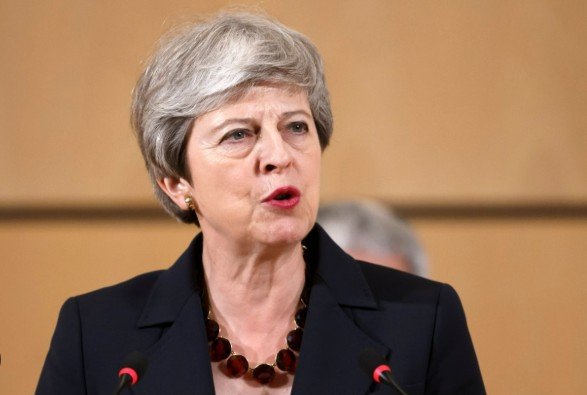
The United Kingdom’s political and business communities were thrown into debate and dismay following Conservative leadership contender Kemi Badenoch’s recent declaration that she would repeal the 2008 Climate Change Act if the Tories win the next general election. The announcement, which aims to remove the legal requirement for the government to set five-yearly carbon budgets leading up to 2050, was swiftly condemned by former Prime Minister Theresa May, business leaders, scientists, and representatives of both the Church of England and the Catholic Church. May called the proposal a “catastrophic mistake,” describing it as a retrograde step that undermines seventeen years of political and scientific consensus on climate action.
The Climate Change Act, passed during the Labour government with the backing of David Cameron’s Conservative party, established the world’s first legally binding framework for reducing greenhouse gas emissions, requiring governments to set carbon budgets every five years. This legislation has been widely credited with positioning the UK as a global leader in climate policy, driving both private sector investment and innovation in renewable energy and low-carbon technologies. The Act’s repeal, as proposed by Badenoch, would remove these obligations and dismantle the cornerstone of the UK’s climate strategy.

Theresa May highlighted the broader implications of such a move, emphasizing that the consensus on climate action remains critical not only for environmental reasons but also for economic and social stability. “To row back now would be a catastrophic mistake, for while that consensus is being tested, the science remains the same,” she said. “We owe it to our children and grandchildren to ensure we protect the planet for their futures. That means giving businesses the reassurance they need to find solutions to the very grave challenges we face.”
The announcement has caused concern within the Conservative Party itself, particularly among members who advocate for environmental responsibility. Green Tories have long watched Badenoch’s alignment with positions resembling those of the Reform Party, which denies mainstream climate science, with unease. Her proposal to scrap the Climate Change Act and abandon the net zero target by 2050 signals a dramatic policy shift that risks alienating environmentally conscious voters and investors alike.
Alok Sharma, former Conservative minister and president of the 2021 Cop26 UN climate summit in Glasgow, warned of serious economic repercussions. Speaking to the Guardian, he noted that the UK has attracted tens of billions of pounds in private sector investment thanks to consistent climate commitments. “This is a story of British innovation, economic growth, skilled jobs, and global leadership – not just a matter of environmental stewardship,” Sharma said. He added that scrapping the Act would jeopardize future investment, undermine confidence in the UK’s industrial and financial sectors, and weaken the country’s international standing.
Lord Deben, who served as Environment Secretary under both Margaret Thatcher and John Major, was similarly critical, pointing out that Badenoch’s plan would have been unimaginable under previous Conservative leaders. “This is not what Margaret Thatcher would have done,” he told the Guardian. “She understood the importance of balancing industrial progress with environmental responsibility. Repealing the Climate Change Act would be the wrong approach and risks de-industrialising Britain while setting back decades of climate progress.”
Business leaders, too, expressed deep concerns about the economic consequences. Rain Newton-Smith, Chief Executive of the Confederation of British Industry, stressed that the Climate Change Act has been instrumental in stimulating investment rather than stifling it, countering Badenoch’s assertions. “The Climate Act has been the bedrock for investment flowing into the UK and shows that decarbonisation and economic growth are not a zero-sum game,” Newton-Smith said. “Businesses delivering the energy transition added £83 billion to the economy last year alone, providing high-paying jobs to almost a million people across the country. Removing this framework would create uncertainty and could inflict serious damage on our economy.”
One of the most immediate potential impacts of repealing the Act involves trade with the European Union. The EU is implementing a carbon border adjustment mechanism, which imposes levies on imports from countries without robust carbon pricing and emissions reduction policies. Repealing the Climate Change Act could expose UK manufacturers and exporters to punitive tariffs, increasing costs and reducing competitiveness in Europe’s largest trading market. Analysts warn that such a move could further discourage international investment in the UK’s industrial and green sectors.
Civil society organizations, including the Church of England and the Catholic Church, also voiced opposition to Badenoch’s proposals. Graham Usher, Bishop of Norwich and lead for environmental affairs for the Church of England, emphasized the moral imperative of climate action, highlighting that the Act reflects the nation’s values of stewardship and protection for future generations. “For Britain, the Climate Change Act reflects the best of who we are as a country: a nation that cares for creation, protects the vulnerable, and builds hope for future generations. Weakening it now would turn our back on those values,” he said. The Church has committed to achieving net zero by 2030, underscoring its belief that environmental care is inseparable from moral responsibility.
Similarly, Bishop John Arnold, the Catholic lead for environmental affairs, highlighted the global dimension of climate responsibility, referencing Pope Leo XIV’s recent speech criticizing climate scepticism. “We need to work together, to think of future generations, and take urgent action if we are to truly respond to the scale of this climate crisis, which disproportionately affects the poorest and most vulnerable,” Arnold said. His remarks underline the broader societal and ethical stakes tied to government climate policies.
Environmental scientists and advocacy groups also expressed alarm, pointing out that dismantling the Climate Change Act would not reverse the fundamental scientific realities of climate change. Rising temperatures, increased frequency of extreme weather events, and long-term ecological damage remain ongoing threats, requiring urgent policy intervention. They argued that removing legal mechanisms for emission reduction would create both regulatory uncertainty and practical delays in implementing solutions crucial to meeting international climate commitments.

Economists and market analysts stressed the intersection of environmental responsibility and economic opportunity. By providing a predictable framework for carbon reduction, the Climate Change Act has enabled private sector investments in renewable energy, energy efficiency, and low-carbon technology, generating both employment and growth. Repealing it could disrupt these markets, reduce investor confidence, and slow the transition to a sustainable economy. The potential cost of inaction, in terms of environmental, social, and economic outcomes, could far outweigh any perceived short-term political gains.
The backlash against Badenoch’s plan highlights the challenges facing political leaders balancing immediate electoral strategy with long-term national interests. Critics argue that abandoning a legally binding framework on climate could not only undermine the UK’s international credibility but also risk internal division within the Conservative Party. Senior Tories, particularly those committed to environmental stewardship and economic prudence, are urging the leadership to reconsider, emphasizing that continuity and credibility are essential to maintaining the UK’s position as a global climate leader.
In conclusion, Kemi Badenoch’s proposal to repeal the Climate Change Act has ignited widespread criticism from former prime ministers, senior political figures, business leaders, religious authorities, and civil society. Experts warn that removing legally mandated carbon reduction targets could jeopardize decades of progress, threaten investment and employment, and weaken Britain’s international influence. As the debate continues, the UK faces a pivotal moment in balancing political ambition with environmental responsibility, economic stability, and ethical stewardship for future generations.
Related News:
 George Osborne Warns UK Is Falling Behind in Global Cryptocurrency Race
 David Lammy Faces Possible Legal Challenge Over Foreign Office Secondment Scheme
 Grant Shapps Cleared to Join Defence Startup Despite Ethical Concerns
 Chancellor Rachel Reeves Pushes for Sweeping Changes to Environmental Protections to Accelerate Development
 Scotland Bans Arms Firms Supplying IDF from Receiving Financial Support
 Government Launches £338m Scheme to Support Sick and Disabled People Back into Work
 Starmer Urged to Champion Workers’ Rights Amid Low Public Awareness
 Rachel Reeves Hosts Top UK and US Financial Executives as Trump’s State Visit Begins
 Donald Trump’s UK State Visit Kicks Off Amid Major Tech Investments and Business Engagements
 Farage’s Reform UK Receives £100,000 from Design Firm with Past Tax Issues
 Rachel Reeves Faces Criticism Over Appearance at Gambling Industry Event Amid Tax Review
 King Charles Earns Over £1 Million from Duchy Land Linked to Scrapped HS2 Project
 Gatwick Secures Approval for £2.2bn Second Runway Expansion
 Labour to Unveil Ambitious Plan for 12 New Towns to Tackle England’s Housing Crisis
 Labour Faces Budget Dilemma as Reeves Urged to Break Manifesto Promises
 Kemi Badenoch Unveils ‘Golden Rule’ to Halve Spending Cuts for Deficit Reduction at Tory Conference
 Richard Tice’s Business Record Contrasts with His ‘Net Stupid Zero’ Criticism
 UK Labour Market Shows Signs of Stabilising After Job Losses
Rachel Reeves urged to consider welfare cuts to boost fiscal credibility
UK Labour Market Shows Signs of Stabilising After Job Losses
Rachel Reeves urged to consider welfare cuts to boost fiscal credibility
 Lucy Powell urged ministers to reconsider costly legal case for Labour donor’s firm
 Miliband Promises New Nuclear Stations if SNP Ousted
 Tories Push to Dilute Labour’s Workers’ Rights Bill
 Rachel Reeves to lead UK trade push in Saudi Arabia amid rights debate
 Trump’s UK Ambassador Urges North Sea Drilling to Strengthen US Ties
 Rachel Reeves Set to Break Labour Pledge and Raise Income Tax
 Thinktanks Urge Rachel Reeves to Reform UK Tax System
 Company linked to Michelle Mone owes £39m in tax
MPs Press Rachel Reeves to Hike Gambling Taxes
Company linked to Michelle Mone owes £39m in tax
MPs Press Rachel Reeves to Hike Gambling Taxes
 Cuts to home insulation funding threaten UK climate goals
 Millionaires group urge Reeves to introduce wealth tax to ‘lift kids out of poverty’
 PM Highlights UK Business at G20 in South Africa
 English Mayors Set to Introduce Tourist Taxes
 Starmer Says Labour’s Economic Plan Needs Years to Deliver
 UK Must Act with Courage and Clarity on Israel-Palestine Conflict, Says Foreign Affairs Committee Report
 Chancellor Faces Mounting Pressure Amid “Impossible Trilemma” Over Tax Rises
 Radioactive Leak at UK’s Nuclear Warhead Base Sparks Outcry Over Safety and Secrecy
 Mutual Inconvenience: Why Alaska Was Chosen for the Trump-Putin Summit on Ukraine
 Larger Families Could Gain Thousands if Labour Ends Two-Child Benefit Cap
 Inflation Latest: Cost of Living Expected to Rise Again in Key Figures Released Today
 Is the UK Ready to Put Boots on the Ground in Ukraine? Assessing Military Capacity and Challenges
 Palestine Action Ban Protesters Plan Tactic to Overwhelm Police at Next London Demonstration
 Police Scotland Spends £500,000 Compensating Officers Over Trump Visit
 Britain’s Migration Challenge: Rising Asylum Numbers and Hotel Pressures
 Elon Musk Sparks New Controversy by Backing Tommy Robinson Amid Farage Feud
 Urgent Action Needed on Windrush Compensation as Survivors Speak of “Waiting to Die”
 Shein UK Faces Allegations of Shifting Majority of Profits to Singapore to Reduce UK Tax
 Tanni Grey-Thompson Faces Abuse Over Opposition to Assisted Dying Bill
 TfL Invites RMT to Resume Talks as London Tube Strikes End
 Jaguar Land Rover Extends Production Halt Following Cyber-Attack
 Zarah Sultana Seeks Legal Action After Bitter Clash with Jeremy Corbyn Over Party Membership Funds
 Nigel Farage Unveils Controversial Immigration and Welfare Plans at Reform UK Press Conference
 Great Britain’s Energy Operator Commits to Strengthening Grid to Prevent Blackouts
 Mahmood Pledges Reform of Modern Slavery Laws After Court Blocks Deportation Appeal
 UK Government Backs Return of International Rail Travel to Kent Stations
 Ed Miliband Warns UK Government on X, Citing Elon Musk as a “Dangerous Influence”
 Ed Miliband Urges Labour to Confront Billionaire-Backed Opposition to Net Zero Goals
 Wetherspoon vows to keep prices low amid soaring energy and tax costs
 Home Secretary condemns Gaza protests after Manchester synagogue attack as “un-British”
 Digital ID Plans Ignite Debate Over £600m Treasury Tax Boost and Privacy Concerns
 Robert Jenrick Reiterates Controversial Comments on Birmingham’s Integration as Backlash Grows
 Public Trust in SNP Hits Historic Low Amid NHS Concerns
 Yvette Cooper Backs Digital ID Plan for UK Teens
 Johnson Suggests Mandelson Linked to China Spy Controversy
 Ministry of Justice fails to file £11bn in spending receipts
Rachel Reeves signals welfare reform ahead of key budget
Ministry of Justice fails to file £11bn in spending receipts
Rachel Reeves signals welfare reform ahead of key budget
 Pizza Hut to shut 68 sites after collapsing into administration
 Reform UK candidate fined £19,000 after using AI-generated cases to challenge election
 William Steps Up Over Prince Andrew Palace Response
 Green Party Surges Past Labour in Latest UK Poll
 Zarah Sultana Launches Party to Change Politics
 Tony Blair think tank warns Rachel Reeves must cut taxes if manifesto broken
 Starmer Faces Growing Dissent as Labour MPs Weigh Leadership Challenge
 Pressure Mounts on Starmer to Sack Chief of Staff Over Briefing Row
 Peers Flood Assisted Dying Bill with 942 Amendments
 Global markets drop amid tech sell-off and China slowdown
 Most Tories Expect to Support a Farage-Led Government
 Labour MP claims devolution bill is ‘blatant discrimination’ against Cornwall
 Millions Face Higher Taxes Under Reeves New Budget
 Virgin Media Fined £23.8m Over Telecare Safety Failures
 Rising Water Bills Lift Troubled Thames Back to Profit