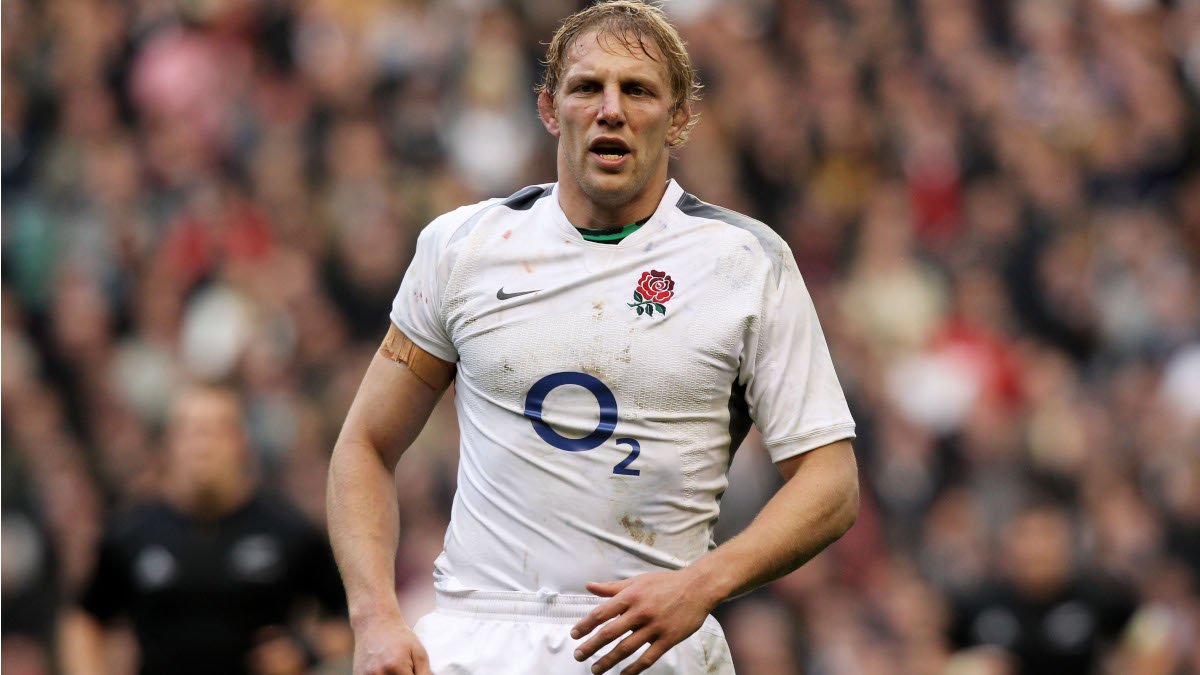
Published: 07 October 2025. The English Chronicle Desk. A report by The English Chronicle Online.
Lewis Moody, the 47-year-old former England rugby captain and World Cup winner, has become the latest high-profile athlete to be diagnosed with a neurodegenerative disease that may be connected to his years in collision sport. His name now joins a growing list of rugby players who have faced similar fates — men whose post-retirement years have been shadowed by diagnoses of Motor Neurone Disease (MND), early-onset dementia, or other neurological conditions. For Moody and many others, this diagnosis brings both personal grief and public questions that science has yet to answer.
Over the past decade, researchers, journalists, and medical professionals have tried to understand the connection between repeated head trauma and degenerative brain disease. Despite the heightened awareness, the scientific community remains cautious in its conclusions. According to the Motor Neurone Disease Association (MNDA), research does suggest a correlation between traumatic brain injuries and the later development of MND. However, this correlation does not confirm causation. In other words, while repeated concussions may increase the likelihood of developing MND, they are not proven to directly cause it.

Other potential risk factors for MND include genetic predispositions, exposure to agricultural chemicals and heavy metals, electrical injuries, and high levels of physical exertion. Studies have shown possible associations between these variables and neurological decline, but definitive answers remain elusive. A 2022 study involving over 400 former international rugby players found that they were 15 times more likely to develop MND than members of the general public. Yet, similar studies on farmers and military veterans revealed comparable or even higher risks — though such findings rarely receive equivalent public attention.
Moody’s case, therefore, raises not only medical concerns but also social and ethical questions. Why does the story of a rugby player command more headlines than that of a farmer or a soldier? Part of the answer lies in visibility. Rugby players, through their fame and community influence, have become vocal advocates for awareness. By sharing their struggles, they have helped shine a light on an illness that continues to confound scientists and devastate families. Moody’s diagnosis adds to that narrative, bringing renewed focus to a disease that affects more than 2,100 people in the UK each year.
Still, misinformation often clouds public understanding. In 2024, a Durham University study was widely misreported as claiming that players with multiple concussions showed biological changes that made them more prone to MND. In reality, the researchers behind that study never drew such conclusions. As the MNDA has clarified, the evidence remains mixed, with some studies producing contradictory results. The small sample sizes in many of these investigations also make it difficult to rule out coincidence or confounding variables. The complexity of the science underscores one pressing truth: more robust, long-term, and well-funded research is urgently needed.
While the medical debate continues, governing bodies are under pressure to improve player safety and education. Rugby authorities have been urged to provide clear information on the potential risks of head trauma and to implement stronger concussion protocols. Retrospectively, many critics argue that rugby union failed to do this in the years following its professionalization in 1995 — precisely the era when Moody came of age as a player. The consequences of that neglect are now being felt across generations of former professionals.
Moody’s own reflections reveal much about that culture. In his autobiography Mad Dog, he described being knocked unconscious during a match against Tonga in the 2007 World Cup. “The team doc suggested I should come off. I told him where to go,” Moody recalled. Determined to seize his chance, he played on despite being visibly disoriented. Later in the same match, he suffered another blow to the head, yet continued playing for the rest of the tournament. The following day, he joined his teammates on a trip to Disneyland Paris, enduring excruciating pain on rollercoasters that, he admitted, “felt like needles being shoved through my head.”
Such behaviour, though shocking by today’s standards, was far from uncommon in rugby at the time. The culture of toughness and resilience often discouraged players from admitting to injury or weakness. It is a culture that, in hindsight, has cost many athletes dearly. Today’s concussion protocols, which require medical clearance and strict rest periods, would have kept Moody sidelined immediately. Back then, such caution was rare.
Despite his diagnosis, Moody has chosen not to join the growing number of players pursuing legal action against rugby’s governing bodies. He has stated that blaming others for his condition makes him uncomfortable, even if he acknowledges that he would approach his career differently under modern safety standards. Others have not been as forgiving. At least five former rugby players with MND have joined three separate lawsuits against organizations in rugby league, union, and football, alleging negligence and inadequate protection from head injuries.

For Moody, however, the issue appears less about blame and more about awareness. His decision to speak publicly about his illness has reignited a crucial discussion about brain health in contact sports. While he continues to receive medical treatment, his story serves as both a warning and an opportunity — a reminder of how far the sport has come, and how far it still has to go.
The tragedy of Lewis Moody’s situation is not confined to one player or one disease. It is emblematic of a broader reckoning within professional sport — a moment when the long-term costs of glory are finally being measured. The rugby community, once united by the mantra of playing through pain, must now confront the legacy of those choices. For every study that links concussions to neurological decline, there is another that demands further evidence. But in the meantime, men like Moody live with the consequences of that uncertainty every day.
Ultimately, the hope is that their suffering will not be in vain. Through greater research, stricter safety measures, and a shift in sporting culture, future generations of athletes might avoid the same fate. Lewis Moody’s courage in sharing his journey may yet inspire the change that rugby, and the wider world of sport, so urgently needs.
Related News:
 One Lap, 400 Miles, One Week: GP Sets Sights on Cornwall Perimeter Record Run
 Tragic Death Strikes Half-Marathon in Stoke-on-Trent: Runner Dies Shortly After Crossing Finish Line
 Concerns Mount Over Accuracy of At-Home Health Tests as Study Calls for Stricter Regulation
 Predicted Leicester Line-ups Reflect Cifuentes’ Tactical Plans Ahead of New Season
 The Ketamine Crisis in the UK is a Silent Epidemic Leaving Users with Lifelong Pain
 Central London Gears Up for Lionesses’ Victory Parade as Thousands Prepare to Celebrate Historic Women’s Euros Win
 London Set to Honour Euro 2025 Champions as Lionesses Take Victory Parade Through the Capital
 Rangers Boss Russell Martin Launches Blistering Critique After Disappointing Draw with Motherwell
 Woman Warned She Might Need Leg Amputation to Survive After Liquid Brazilian Butt Lift
 It’s Thanks to Gabby That I Caught My Prostate Cancer in Time’ – Kenny Logan Opens Up on His Battle and His Mission to Save Lives
 AI Tools Used by English Councils Found to Downplay Women’s Health Issues, Raising Concerns Over Gender Bias in Care
 Minute’s Silence for Diogo Jota Abruptly Ended After Wembley Tribute Disrupted
 Rugby Confronts Safety Concerns with Smart Mouthguards at Women’s World Cup
 Cats Develop Dementia Similarly to Humans, Study Finds
 Alarming rise in abusive teen relationships in the UK sparks urgent warnings
 Premier League Supercomputer Predicts Tough Season for Man Utd Amid Three-Team Title Battle
 Inquest Finds Agency Worker Failings Led to Unlawful Death of Vulnerable 14-Year-Old
 Aston Villa Under Pressure as Newcastle Take on Hosts in Premier League Opener
 FIFA Eyes Biennial Club World Cup from 2029, Plans Possible Expansion
 Shocking Rise in Children’s Exposure to Violent Online Pornography Raises Alarm
 Baby Food Manufacturers Given 18 Months to Improve Nutrition and Labelling
 Grimsby Stun Manchester United in Dramatic Penalty Shootout
 Guardiola Admits City ‘Forgot to Play’ After Shock Defeat to Brighton
 Why E-Bikes and E-Scooters Are Making Streets a ‘Nightmare’ for Blind People
 Millions in the UK at Higher Risk of Heart Failure and Stroke Due to Air Pollution, Study Warns
 UK Graduates in Healthcare Report Highest Satisfaction with Degree Choices
 Systemic Racism in Maternity Care Continues to Endanger Black Women in England, MPs Warn
 One in Three GPs in England Do Not Work in NHS, Raising Concerns Over Access to Care
 UK Doctors Guilty of Sexual Misconduct Continue Practising Amid Weak Sanctions, Research Finds
 Liverpool Vs outhampton Set for Carabao Cup Clash at Anfield
 Arsenal VS Newcastle Hearts with Dramatic Late Turnaround at St James’ Park
 Aston Villa Fight Back to End Winless Run with Convincing Victory over Fulham
 Everton Held by West Ham as Bowen Cancels Out Keane’s Header in Nuno’s First Game
 Starmer Unveils Plan for NHS “Online Hospital” to Tackle Waiting Lists
 Monaco Hold Man City to Dramatic 2-2 Draw as Eric Dier Converts Late Penalty
 Arsenal Edge Past West Ham Amid Injury Concerns
 Eligibility Confusion Over COVID Vaccination Leaves Pharmacies Struggling Across the UK
 Majority of UK Men Would Opt for Prostate Cancer Screening, Survey Finds
 Ambulance Worker Fired After Flinging Amputee from Wheelchair and Offering Bribe
 Women Challenge Meta Over Targeted Ads After Miscarriage
 Mum’s Final Wish: Donating Her Body to Science
 Genetic Tests May Predict Return of Blood Cancer
 UK Woman Becomes Longest Survivor of Heart-Lung Transplant
£18 Prostate Cancer Test Could Save Thousands of Lives
UK Woman Becomes Longest Survivor of Heart-Lung Transplant
£18 Prostate Cancer Test Could Save Thousands of Lives
 Kane’s Double Seals England’s World Cup Qualification
 Pregnant Women in England Face Rising Risk of Severe Birth Injury
 ‘Game-Changing’ HIV Prevention Jab Set for NHS Approval
 Fulham vs Arsenal Trossard Strike Sends Gunners Three Points Clear
 One in 12 Secondary Pupils Sent to Isolation Weekly
 Gibbs-White Inspires Forest to Thrilling Win Over Porto
 Manchester United triumph as Mbeumo brace seals thrilling win
 Fabio Wardley stuns Joseph Parker to earn Usyk title shot
 UK Health Leaders Push for Urgent Tobacco & Vape Bill
 Hospice Cuts Raise Alarm Across England Amid Funding Crisis
 Sarr Double Sinks Young Liverpool in Carabao Cup
 Celebrities and Charities Demand UK Government Act on Child Poverty
 Salah & Gravenberch Lead Liverpool to Win Against Villa
 Dyche Criticises Corner Decision as Forest Draw with United
 Granit Xhaka Rescue Earns Everton Draw at Sunderland
 Experts Warn on Home Birth Risks, Call for Skilled Midwives
 Burn and Joelinton Head Newcastle to Victory Over Bilbao
 Tension and Turmoil at Aston Villa v Maccabi Match
 London’s Childlessness Crisis: Schools Closing as Families Shrink
 Bellingham has ‘the edge’ among England No 10s
Man City Masterclass on Guardiola’s Milestone Day Exposes Liverpool Woes
Bellingham has ‘the edge’ among England No 10s
Man City Masterclass on Guardiola’s Milestone Day Exposes Liverpool Woes
 Lando Norris Dominates Brazil GP to Strengthen F1 Title Bid
 VAR Must Rein Its Neck In to Save Football’s Spirit
 Trescothick Hints Pope Will Keep Number Three Spot
 Mary Earps’s Manchester United Return Faces Mixed Reception
 Sam Kerr Stars in Chelsea Return with Champions League Double
 This kid is something else: Alex Scott’s rise to England call-up
 Former Lion Heskey Warns of Shortage of England Strikers
 UK launches major AI drive to fight deadly superbugs
 ‘Traumatic Wait’: Northern Ireland Women Face Breast Cancer Delays
 Coffins Now Too Large to Cremate Amid Rising Obesity Crisis
 Moyes Defends Gueye After Dramatic Everton Bust-Up
 Fibromyalgia Patients Struggle as NHS Fails to Provide Care
 Jac Morgan to Miss Six Nations Start After Surgery
 “Enough is Enough”: Local MP Vows to Fight Rainham Quarry Plans
 Alexander Isak ends drought as Liverpool stop rot with win at West Ham