Published: 10 October 2025 | The English Chronicle Desk | The English Chronicle Online
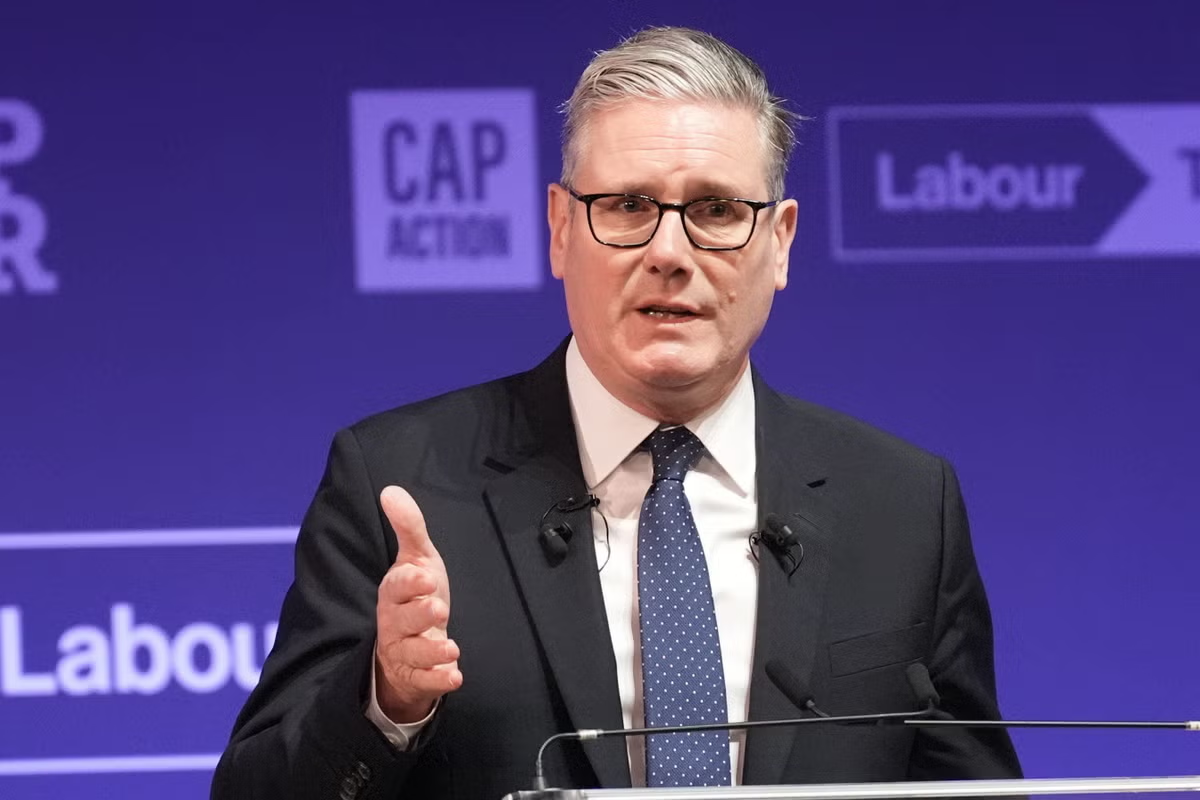
Keir Starmer, the British Prime Minister, is facing mounting criticism after several of his remaining progressive allies were reportedly pushed out of government as part of a major Downing Street shake-up. The move, aimed at restructuring the machinery of government and empowering Chief Secretary Darren Jones, has been described by insiders as a “progressive clear-out” that could shift the ideological balance within No. 10.
According to sources close to the Prime Minister’s office, Starmer’s latest reorganisation is designed to streamline decision-making, giving Jones direct control over key government units such as delivery and policy. The changes come at a politically sensitive time, as Labour struggles to regain momentum following a turbulent first year in power. Polls suggest that public support for Starmer’s leadership has waned, with critics accusing him of lacking a clear political vision.

Two of the most prominent figures to depart, Carys Roberts and Muneera Lula, were described by colleagues as among the most left-leaning members of the Prime Minister’s team. Although both were offered new roles within the restructured policy unit, sources indicate they chose to leave after concluding their expertise would be undervalued in the new order. Their exits follow a broader pattern of turnover at the top, with several senior advisers, including political strategist Paul Ovenden and communications head Steph Driver, having recently stepped down.
The shake-up has raised concerns among insiders that the Prime Minister is replacing progressive thinkers with more centrist and technocratic figures. New appointments include Axel Heitmueller, formerly of the Tony Blair Institute, and Harvey Redgrave, also a TBI alumnus, who will oversee day-to-day policy operations. Toby Lloyd, a former adviser to Theresa May, is also joining to lead housing and infrastructure policy.
A special adviser familiar with the internal dynamics at No. 10 expressed dismay at the recent departures, calling Roberts and Lula “two of the finest policy minds in the building.” The adviser added, “Their absence leaves a huge gap, and many of us fear this reflects a broader shift away from progressive priorities.” Another aide pointed out a gender imbalance emerging within the new structure, noting that “many of the replacements are centrist men,” sparking fresh debate about diversity at the heart of government.
Downing Street has declined to comment publicly on the reshuffle. However, Starmer’s allies insist that his commitment to progressive principles remains intact. They point to his impassioned speech at the recent Labour Party conference, in which he rejected the populist rhetoric of Nigel Farage and Reform UK. Officials also defended the gender composition of the Prime Minister’s inner circle, highlighting that Vidhya Alakeson, Starmer’s deputy chief of staff, continues to play a central leadership role within No. 10.
The timing of the reorganisation has drawn particular attention. Starmer announced the changes after a challenging summer during which his government struggled to respond effectively to the growing influence of Farage’s anti-immigration movement. In the aftermath, Labour found itself trailing Reform UK by several points in public opinion polls. Insiders suggest that the Prime Minister’s latest structural overhaul is intended to restore focus and efficiency by placing technocrats in charge of implementation.
Central to the shake-up is the promotion of Darren Jones, who previously served as Chief Secretary to the Treasury. In his new role as Chief Secretary to the Prime Minister, Jones becomes Starmer’s key lieutenant within No. 10 — the only other minister to work directly alongside him in the building. His influence is expected to expand across all areas of domestic policy, signalling a shift toward tighter executive control.
Supporters of Jones reject the notion that the reorganisation represents a purge of progressives. They cite his past advocacy for workers’ rights — particularly his support for Amazon employees seeking union representation — as evidence of his progressive credentials. According to insiders, Jones intends to align the government’s policy focus around three main priorities: the cost of living, the National Health Service, and immigration. To achieve this, the policy unit will be divided into three “pillars”: the economy, public services, and communities and security.
Minouche Shafik, serving as the Prime Minister’s chief economic adviser, will oversee the economy pillar, while Oli de Botton and Heitmueller will focus on public services. Redgrave will lead efforts under the communities and security umbrella. One notable absence in the new structure is a dedicated adviser for equalities policy — a role previously held by Lula. This omission has sparked concern among those who fear the government may be deprioritising diversity and equality issues.
Environmental advocates have also voiced unease about a perceived shift in policy emphasis. Several aides claim that both Starmer and Chancellor Rachel Reeves have shown diminishing interest in climate-related initiatives, opting instead to focus on lowering energy bills. Energy Secretary Ed Miliband is reportedly preparing to approve new oil drilling projects in the North Sea this autumn, including the contentious Rosebank and Jackdaw oilfields. These moves are likely to provoke backlash from environmental groups and could ignite further debate about Labour’s climate commitments.

Within Downing Street, the reorganisation is being framed as part of a broader push to improve government delivery and accountability. Jones is said to be working closely with the Cabinet Office to establish a new coordination mechanism between No. 10 and other departments. His goal, sources say, is to ensure that the Prime Minister’s core priorities — tackling inflation, strengthening the NHS, and restoring public trust — are effectively implemented across government.
Despite assurances from Starmer’s team, unease lingers among his supporters, particularly those on the left of the party, who fear the reshuffle could accelerate Labour’s drift toward centrism. The perception that Starmer is marginalising progressive voices may deepen existing tensions within his administration and raise questions about Labour’s direction heading into its second year in government.
As the dust settles on this latest shake-up, one thing is clear: Starmer’s attempt to tighten his grip on Downing Street has come at a political cost. Whether the reorganisation will deliver greater coherence or further alienate his party’s base remains to be seen.
Related News:
 UK Must Act with Courage and Clarity on Israel-Palestine Conflict, Says Foreign Affairs Committee Report
 Tasers Introduced in UK Prisons to Combat Rising Violence and Protect Staff
 Wethersfield Controversy Deepens as Asylum Seeker Numbers Set to Surge by 50%
 Chancellor Faces Mounting Pressure Amid “Impossible Trilemma” Over Tax Rises
 Radioactive Leak at UK’s Nuclear Warhead Base Sparks Outcry Over Safety and Secrecy
 Mass Arrests in London as Protest Defies Ban on Palestine Action
 Mutual Inconvenience: Why Alaska Was Chosen for the Trump-Putin Summit on Ukraine
 Russell T Davies Warns of Declining UK Gay Rights Amid Rise of Reform UK and Trump Influence
 UK Government Expands ‘Deport Now, Appeal Later’ Policy to 23 Countries
 Farage Accuses PM of ‘Democratic Disparity’ in House of Lords Representation
 Chancellor Rachel Reeves Pushes for Sweeping Changes to Environmental Protections to Accelerate Development
 Larger Families Could Gain Thousands if Labour Ends Two-Child Benefit Cap
 Is the UK Ready to Put Boots on the Ground in Ukraine? Assessing Military Capacity and Challenges
 Ory Councils Urged to Challenge Asylum Hotels After Epping Ruling
 Palestine Action Ban Protesters Plan Tactic to Overwhelm Police at Next London Demonstration
 Police Scotland Spends £500,000 Compensating Officers Over Trump Visit
 Britain’s Migration Challenge: Rising Asylum Numbers and Hotel Pressures
 Elon Musk Sparks New Controversy by Backing Tommy Robinson Amid Farage Feud
 Polanski’s Rise Signals a Shift in British Political Landscape
 Urgent Action Needed on Windrush Compensation as Survivors Speak of “Waiting to Die”
 Tanni Grey-Thompson Faces Abuse Over Opposition to Assisted Dying Bill
 Protests Expected as Israeli Arms Firms Join Global Defence Trade Fair in London
 Are Britain’s Unions Turning Against the Workers They Once Represented?
 TfL Invites RMT to Resume Talks as London Tube Strikes End
 UK Rejoining EU ‘Unlikely in My Lifetime,’ Says Starmer’s Europe Reset Negotiator
 UK Urged to Collaborate with NATO on Missile Defence Amid Russian Drone Threat
 ‘Unite the Kingdom’ Rally Sparks Fears of Far-Right Normalisation Among Minority Britons
 France Proposes Ceiling on UK Role in €150bn EU Defence Fund
 Thousands Gather in London to Protest Donald Trump’s Second UK State Visit
 Tragedy in Hackney: Man Killed and Woman Injured in East London Park Shooting
 Zarah Sultana Seeks Legal Action After Bitter Clash with Jeremy Corbyn Over Party Membership Funds
 Nigel Farage Unveils Controversial Immigration and Welfare Plans at Reform UK Press Conference
 Top Andy Burnham Ally Launches Fierce Critique of Starmer Ahead of Labour Conference
 Mahmood Pledges Reform of Modern Slavery Laws After Court Blocks Deportation Appeal
 It Changed My View’: Campaign Encourages Pupils in Deprived Areas to Consider University
 UK Fighter Jet Purchase Could Breach Nuclear Treaty, Warns CND
 Ed Miliband Warns UK Government on X, Citing Elon Musk as a “Dangerous Influence”
 Ed Miliband Urges Labour to Confront Billionaire-Backed Opposition to Net Zero Goals
 A Third of EU Citizens in UK Report Discrimination by Public Bodies Post-Brexit
 Senior Tories Condemn Badenoch’s Vow to Repeal Climate Change Act as Catastrophic
 Home Secretary condemns Gaza protests after Manchester synagogue attack as “un-British”
 Digital ID Plans Ignite Debate Over £600m Treasury Tax Boost and Privacy Concerns
 Robert Jenrick Reiterates Controversial Comments on Birmingham’s Integration as Backlash Grows
 Kemi Badenoch Unveils ‘Golden Rule’ to Halve Spending Cuts for Deficit Reduction at Tory Conference
 Public Trust in SNP Hits Historic Low Amid NHS Concerns
 Yvette Cooper Backs Digital ID Plan for UK Teens
 Johnson Suggests Mandelson Linked to China Spy Controversy
 Ministry of Justice fails to file £11bn in spending receipts
 Witness statements reveal the CPS China spy row collapse in the UK
 Rachel Reeves signals welfare reform ahead of key budget
 Starmer pledges to claw back Baroness Michelle Mone’s Covid contract millions
 Reform UK candidate fined £19,000 after using AI-generated cases to challenge election
 The debate over England’s compulsory reading test for 13-year-olds
 Hermer to face questions on alleged China spy case intervention
 Kosovo agrees to host Britain’s refused asylum seekers
 William Steps Up Over Prince Andrew Palace Response
 UK Health Leaders Push for Urgent Tobacco & Vape Bill
 How the Royal Navy Can’t Stop the Channel Boats
 British Woman in Iran ‘Losing Hope’ Amid Ongoing Detention
 Johnson Approved China’s London ‘Super-Embassy’ in 2018
 BBC Journalist Held and Interrogated in Vietnam
 Green Party Surges Past Labour in Latest UK Poll
 Celebrities and Charities Demand UK Government Act on Child Poverty
 Zarah Sultana Launches Party to Change Politics
 FBI Director Kash Patel Defends Girlfriend Amid Government Jet Claims
 ‘Reckless’ cuts to victims’ services will cost more than they save
 Starmer Faces Growing Dissent as Labour MPs Weigh Leadership Challenge
 Politics latest: Starmer ‘will fight any leadership coup’ as Streeting denies attempt to oust Labour PM
 Pressure Mounts on Starmer to Sack Chief of Staff Over Briefing Row
 Peers Flood Assisted Dying Bill with 942 Amendments
 England’s Special Needs Support Faces Breaking Point
 MoD warned over Excel risks before Afghan data breach
 Labour Faces Historic Decline in Wales
 PM Highlights UK Business at G20 in South Africa
 Kate Forbes: Motherhood Harder Than Politics
 Most Tories Expect to Support a Farage-Led Government
 Labour MP claims devolution bill is ‘blatant discrimination’ against Cornwall
 Millions Face Higher Taxes Under Reeves New Budget
 Peers Get Extra Time to Debate Assisted Dying Bill
 “Enough is Enough”: Local MP Vows to Fight Rainham Quarry Plans