Published: 10 September 2025 . The English Chronicle Online
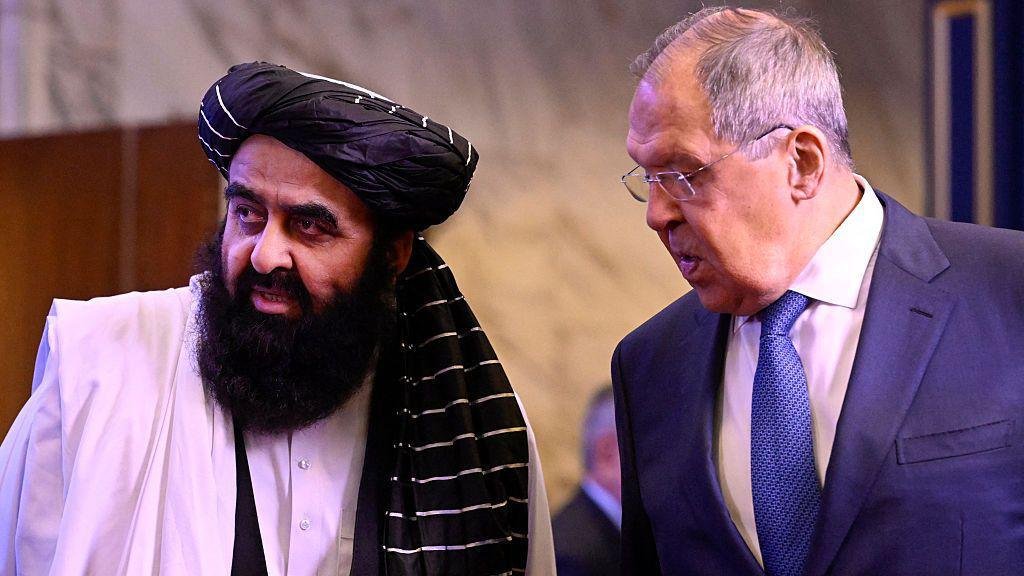
In a diplomatic move once considered unthinkable, Afghan Taliban Foreign Minister Amir Khan Muttaqi has arrived in India for an eight-day visit that could reshape South Asia’s geopolitical map. The visit — the highest-level Taliban delegation to New Delhi since the group’s return to power in 2021 — signals a new chapter in India’s engagement with Afghanistan, one that blends pragmatism with strategic foresight.
Muttaqi’s trip, cleared under a temporary UN sanctions waiver, marks the Taliban’s growing bid for regional legitimacy and India’s willingness to engage with Kabul’s current rulers in pursuit of its national and security interests. Flying in from Russia — the only country to officially recognise the Taliban regime — Muttaqi is holding talks with Indian officials on trade, diplomatic, and economic cooperation. The visit follows months of quiet back-channel communication and policy recalibration by both nations.

In a significant policy shift, Indian Foreign Minister S. Jaishankar announced on Friday that New Delhi will reopen its embassy in Kabul, four years after shutting it down when the Taliban seized control. “Closer cooperation between us contributes to your national development as well as regional stability and resilience,” Jaishankar said during his meeting with Muttaqi. He reaffirmed India’s “full commitment to the sovereignty, territorial integrity, and independence of Afghanistan.”
For his part, Muttaqi described India as a “close friend,” expressing optimism that the visit would pave the way for broader cooperation. The Afghan delegation, which includes senior officials from the ministries of foreign affairs and trade, is also expected to meet Indian business leaders and explore opportunities for trade and investment — a clear sign of the Taliban’s attempt to secure economic partners amid international isolation.
The visit represents not just a symbolic breakthrough but a pragmatic recalibration of regional politics. For decades, India had aligned itself with the Western-backed Afghan government, while viewing the Taliban as a Pakistani proxy. The tables have now turned. As relations between Islamabad and Kabul deteriorate over cross-border militancy and territorial disputes, New Delhi is quietly moving in to fill the diplomatic vacuum.
Pakistan, which historically nurtured the Taliban during its rise to power in the 1990s, now finds itself on the sidelines. The once “strategic depth” partner has become a vocal critic, with Pakistani officials even labeling Afghanistan an “enemy country.” Pakistan accuses the Taliban of allowing Tehrik-i-Taliban Pakistan (TTP) militants to operate from Afghan soil — a charge Kabul denies. These tensions have prompted Pakistan to conduct airstrikes inside Afghan territory, further straining ties.
Analysts argue that the Taliban’s outreach to India serves both symbolic and strategic purposes. According to Harsh V. Pant and Shivam Shekhawat of the Observer Research Foundation, “The deterioration in ties with Pakistan allows the Taliban to hedge their bets and demonstrate that they are no longer dependent on Islamabad for survival.” This shift, they note, enables the Taliban to “carve out an identity separate from Pakistan and create a perception of legitimacy for their domestic constituents.”
Strategic affairs expert Brahma Chellaney sees Muttaqi’s visit as “a setback for Pakistan” and a “cautious reset in India-Taliban relations.” He adds that the meeting underscores both sides’ intention to pursue pragmatic engagement in advancing their respective strategic goals, potentially reshaping regional power equations in the process.

India’s engagement with the Taliban has evolved rapidly since the fall of Kabul in August 2021. At that time, New Delhi evacuated its diplomats, shut down its embassy and consulates, and canceled thousands of Afghan visas over security concerns. But within a year, India had sent a technical team to Kabul to oversee the distribution of humanitarian aid and quietly reopened diplomatic channels. By mid-2022, it had begun issuing visas to Taliban officials and their families, signaling a soft normalization of ties.
Last November, India allowed the Taliban to appoint an envoy in New Delhi and later to open consulates in Mumbai and Hyderabad. Over the past three years, several rounds of informal discussions have taken place abroad, including meetings between Muttaqi and Indian Foreign Secretary Vikram Misri in Dubai earlier this year. This steady progression highlights how both sides have chosen gradual diplomacy over confrontation.
India’s motivations for re-engagement are rooted in hard security interests. New Delhi remains deeply concerned about the activities of extremist groups such as Islamic State (IS), al-Qaeda, and Pakistan-based militants who could use Afghan territory to target India. The Taliban leadership has repeatedly assured India that Afghanistan will not be used for such purposes — a message reiterated by Muttaqi during his latest visit.
Beyond security, India also sees Afghanistan as a critical link in its broader regional strategy. Strengthening ties with Kabul enables New Delhi to expand connectivity with Iran and the Central Asian republics, countering the growing influence of both Pakistan and China. A stable Afghanistan is essential for the success of India’s investment in regional trade corridors, energy projects, and overland transit routes.
Nonetheless, caution remains at the heart of India’s approach. New Delhi continues to maintain a measured distance, refraining from formally recognizing the Taliban government while deepening practical cooperation. This dual-track policy allows India to safeguard its interests without alienating Western allies or contradicting international consensus on Afghanistan’s political legitimacy.
Muttaqi’s visit, therefore, is more than a diplomatic courtesy — it is a sign of shifting regional realities. A decade ago, the idea of the Taliban walking the corridors of India’s foreign ministry would have been inconceivable. Today, it represents the normalization of realpolitik in South Asia, where survival, security, and influence increasingly trump ideology.

As the weeklong talks continue, both sides are expected to outline frameworks for humanitarian aid, regional connectivity, and counterterrorism cooperation. Whether this engagement leads to lasting partnership or remains a temporary convergence of interests will depend on the Taliban’s ability to deliver on its promises and India’s willingness to navigate the complexities of a post-U.S. Afghanistan.
For now, Muttaqi’s presence in New Delhi stands as a potent symbol — not only of Afghanistan’s evolving foreign policy but also of India’s growing confidence in shaping the future of its troubled neighborhood.
— The English Chronicle Online
Related News:
 Ousted Bangladeshi Leader Sheikh Hasina Indicted for Crimes Against Humanity Amid High-Stakes Trial for 2024 Uprising
 Shadow Fortresses in the Sea: Satellite Revelations Expose China’s Expanding Military Stronghold in Disputed Waters
 Singapore Corruption Scandal: Details Emerge on Iswaran’s Luxury Flight and Ties to Tycoon Ong Beng Seng
 Tariff Tempest: India Rebukes Trump’s ‘Unfair’ Oil Sanctions as Diplomatic Tensions Mount
 UN Calls for Renewed Global Solidarity as Rohingya Forced Exodus Marks Eight Years
 Xi, Putin and Kim Display Unified Front at Massive Beijing Military Parade
 Deadly Bomb Blast Strikes Near Political Rally in Quetta
 India Triumph in Dubai Amid Unexpected Twists
 Pakistan-Saudi Arabia Defence Pact Raises Alarm in India
 Typhoon Ragasa Batters Taiwan, Hong Kong and China
 Gen Z Uprising in Asia: How Social Media and TikTok Fuel Anti-Corruption Movements
 Thai Court Sentences Assassin of Cambodian Opposition Politician to Life Imprisonment
 Acclaimed South Korean Author Baek Se-hee Passes Away at 35, Leaves Legacy Through Writing and Organ Donation
 China’s Youth Save, Not Spend, Amid Job and Housing Worries
 British Doctors Arrested in India for Unauthorized Border Crossing
 Israeli Strike Kills 13 Near Palestinian Camp in Lebanon
 India’s COP30 Delay Raises Global Climate Concerns
 Night Bus Crash in Cambodia Kills 16
 Historic Floods Devastate Thailand and Southeast Asia
 Hong Kong Wang Fuk Court Fire Leaves Dozens Dead
 Singapore Women Acquitted After Pro-Palestine March
 Thousands Homeless After Massive Fire in Dhaka Shantytown
 Sri Lanka Floods Leave 56 Dead, Dozens Missing
 India’s Labour Law Overhaul Sparks Fierce Debate
 Video shows Israeli troops kill Palestinians after surrender
 Fury After Hong Kong’s Deadliest Fire in Decades
 ICC to Rule on Duterte’s Provisional Release
 Huawei, ZTE secure 5G deals in Vietnam amid US tensions
 Southeast Asia floods claim 241 lives, rescue efforts continue
 Chinese & Japanese Boats Clash Near Disputed Islands
 Hong Kong Orders Probe Into Deadly 151-Death Fire
 Putin Meets US Envoy Amid Key Ukraine Peace Talks
 Maxwell withdraws from IPL 2026 after 13 seasons
 Indonesia to Repatriate Two Dutch Drug Convicts
 Post Office Scandal Compensation Tops £1 Billion as Victims Finally See Justice
 Exclusive: Leaked Documents Reveal Khan’s Controversial Road Policy Overhaul – Drivers Warn of ‘Final Nail in Coffin’
 UK Banks Granted Reprieve as BoE Delays Basel III Capital Rules Until 2028
 England Grapples with Unprecedented Bluetongue Virus Outbreak: Entire Nation Declared Infected Zone
 Northern Ireland Family of Three Shot Dead in Maguiresbridge Home Incident
 West End Exposed as London’s Knife Crime Epicentre Amid Alarming Surge in Violence
 Mystery Wallaby Spotted on Norfolk-Suffolk Border Sparks Police Appeal
 Peter Andre Breaks 16-Year Silence with Scathing Statement Against Katie Price
 UK Weather: Heat Alerts Extended as Temperatures Set to Reach 30°C This Weekend
 Hundreds of Swimming Pool Closures Leave Children ‘At Risk of Drowning’, Union Warns
 Public Executions in Gaza City Captured on Video Amid Ongoing Conflict
 Macron Phones Trump Over Traffic Jam in New York
 Comey Indictment Deepens Fears of Political Retribution Under Trump
 “It Was Very Tough, But I Love Life”: Former Israeli Hostage Rebuilds Life After Family Killed by Hamas
 Chaos at Ibrox as Martin’s Rangers Era Comes to an End
 Nobel Prize Honours Pioneers Behind Materials That Could Heal the Planet
 Vice President Vance Warns of ‘Painful’ Job Cuts as U.S. Government Shutdown Deepens
 Japanese Court Sentences Man to Death for 2023 Quadruple Murder in Rare Gun and Knife Attack
 Zelensky to Urge Missile Aid as Trump and Putin Plan Summit
 Manchester United triumph as Mbeumo brace seals thrilling win
 Hospice Cuts Raise Alarm Across England Amid Funding Crisis
 Tragedy on Lizard Island: Cruise Passenger Dies
 Zarah Sultana Launches Party to Change Politics
 US Senate Passes Funding Bill to End Historic Shutdown
 Mary Earps’s Manchester United Return Faces Mixed Reception
 Son Reveals UK Couple in Iran Resort to Hunger Strike for Help
 Pressure Mounts on Starmer to Sack Chief of Staff Over Briefing Row
 Japan Deploys Police to Curb Deadly Bear Attacks
 US Justice Department Files Lawsuit Against California Over Partisan Voting Maps
 Former Lion Heskey Warns of Shortage of England Strikers
 Orban Says Ukraine Has ‘No Chance’ as EU Support Continues
 Mother Watches in Horror as Teen Daughter Dies on Tracks
 Seven Countries, One Winner: Europe’s Best Christmas Market
 Haiti Qualifies for World Cup Despite Coach Never Visiting Country
 Serial Rapist and Former Cop Found Guilty Again
 Pentagon Officials in Ukraine to Discuss War End
 Vietnam Battles Deadly Floods as Rains Continue
 Scottish Families Take Legal Action Over School CO Leak
 Venezuela Threatens Nobel Winner Machado with Fugitive Status
 Vicki Fears Losing Motability Car
 Millions Face Higher Taxes Under Reeves New Budget
 Two National Guard Soldiers Critically Injured Near White House
 Southern Lebanon reels as Israeli strikes shatter communities
 Jordan Bardella: France’s Young Presidential Contender
 Search underway for British man overboard off Tenerife
 Pavarotti statue frozen in Italian ice rink sparks backlash