Published: 13 October 2025. The English Chronicle Desk. The English Chronicle Online.
Charities across the UK have raised alarm over a sharp rise in racial abuse, intimidation, and threats of violence directed at their staff and beneficiaries, amid increasingly toxic political and social rhetoric around immigration and race.
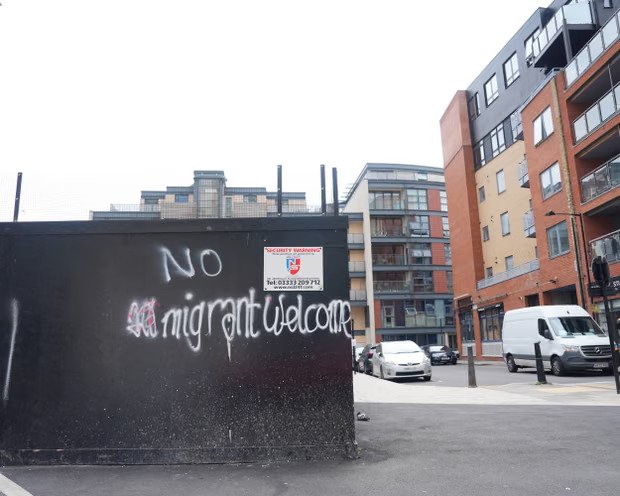
Voluntary organisations, including refugee and asylum seeker charities, ethnic minority groups, women’s organisations, youth bodies, homelessness charities, and even charity shops, report being targeted with both verbal and physical attacks. The incidents range from threats to rape or kill staff, to attempted break-ins, vandalism, and anti-migrant graffiti.
Saskia Konynenburg, executive director at the National Council for Voluntary Organisations, said that charities were being “targeted because of what they stand for and who they support.” She warned that the scale and frequency of such threats risked becoming the “new normal,” forcing organisations to invest heavily in staff and property protection.

The escalation of threats follows the far-right Southport riots in 2024 and has been linked to inflammatory political and social media commentary around immigrants arriving in “small boats.” Charities note that abuse is increasingly extreme, uninhibited, and expressed both online and in the streets.
A coalition of more than 150 charities, including Age UK, Citizens Advice, and the Muslim Council of Britain, recently wrote to Prime Minister Keir Starmer, urging the government to challenge what they describe as the “cynical” targeting of civil society organisations by far-right politicians and activists seeking to stoke division.
Ali Harris, chief executive of equality and human rights charity Equally Ours, which coordinated the letter, emphasised the urgency of a united response. “The devastating antisemitic attack at Heaton Park Synagogue is a tragic reminder that it’s never been more important for us all to stand together when communities are targeted,” she said.
One charity chief executive told the Guardian that mainstream political rhetoric denigrating immigrants and refugees, especially from the political right, had created a “permission structure” for racism. Far-right activists, emboldened by this environment, were increasingly turning hate into action, often targeting organisations that support vulnerable communities.
Incidents continue to escalate. Last month, a drug and alcohol charity in east London that had previously shared premises with a refugee support group was defaced with far-right graffiti, including a George Cross and references to the 2024 Southport riots. Volunteers who cleaned the premises found the building defaced again shortly after, reflecting the persistence of harassment.
In response, some charities have introduced extensive security measures. These include installing safe rooms, issuing phone trackers to staff, hiring private security, removing signage from offices, redacting staff and trustee names from websites, and temporarily closing offices on police advice. Others have restricted outreach services and drawn up emergency plans to mitigate the risk of attacks.
One refugee charity reported spending “60% of the time managing safety issues related to far-right activism,” while another described plans to invest thousands of pounds in personal safety devices. Leaders across the sector agree that heightened security protocols are becoming an unavoidable part of operations.
Despite the threats, many charity staff remain committed to their work. One London-based asylum seeker charity executive, speaking anonymously for safety reasons, said: “The threats have a chilling effect, but staff are determined to continue. We do this work because the people we support have endured terrible experiences and deserve a bit of kindness.”

The coalition’s letter to the prime minister calls for “clear and consistent leadership” to defend inclusion, equality, and anti-racism, and to counteract divisive tactics that scapegoat communities for political gain. The letter warned that the far-right’s rhetoric causes harm across society, undermines the rule of law, and targets women, girls, and minority communities.
It highlights a surge in racism, xenophobia, Islamophobia, and antisemitism, noting attacks on charity staff, volunteers, lawyers, and civil society groups working with vulnerable populations. Organisations fear that without intervention, these threats will continue to escalate, further endangering both staff and the communities they serve.
A government spokesperson said, “Racism is completely unacceptable and has no place in our society. This government has pride in our tolerant and diverse country and is committed to tackling inequality at its roots. We work closely with ethnic minority leaders to enact change and have a strong legal framework to prosecute those responsible for these abhorrent offences.”
The warnings from the UK’s charities serve as a stark reminder of the human cost of divisive rhetoric. While the political and social landscape continues to shift, the dedication of charity workers persists, even as their safety increasingly comes under threat. As these organisations navigate an environment of rising hostility, their resilience and commitment to vulnerable communities highlight the crucial role of civil society in upholding the principles of equality and human rights.
Related News:
 Tasers Introduced in UK Prisons to Combat Rising Violence and Protect Staff
 UK Government Unveils Tough Crackdown on Social Media Ads Promoting Illegal Channel Crossings
 Police Prepare for Potential Disorder as Far-Right Groups Promote Anti-Migrant Protests Across England
 Mass Arrests in London as Protest Defies Ban on Palestine Action
 Police Advised to Disclose Ethnicity of Suspects in High-Profile Cases
UK police plans to reveal suspects’ ethnicity spark fears of “dog-whistle politics”
Police Advised to Disclose Ethnicity of Suspects in High-Profile Cases
UK police plans to reveal suspects’ ethnicity spark fears of “dog-whistle politics”
 UK Police Face ‘Chronic Pressure’ Amid Surge in Protests Over Asylum and Gaza
 Graffiti Targeting Angela Rayner Removed After Resident Foots the Bill
 Peter Mandelson Referred to Jeffrey Epstein as ‘My Best Pal’ in 50th Birthday Letter
 Peter Mandelson’s Letter to Jeffrey Epstein Sparks Renewed Scrutiny
 Charlie Kirk Killing Used to Mobilise UK’s Largest Far-Right Rally in Decades
 Far-Right Facebook Groups Fuel Radicalisation in the UK, Investigation Reveals
 Metropolitan Police Considers Requiring Officers to Declare Freemasonry Membership
 UK Police to Gain New Powers to Manage Repeated Protests, Home Office Announces
 Stephen Lawrence’s Father Demands Justice Before Killer’s Parole
 Starmer Condemns 7 October Student Protests as ‘Un-British’
 Teen and Man Arrested Over Nursery Cyber Attack Exposing 8,000 Children
 Agnes Wanjiru’s niece urges Labour to expedite ex-soldier’s extradition
 Southport rioter dies in cell after prison disciplinary charge
 Starmer’s grooming gang inquiry in turmoil after two survivors quit
 Reform Councillor Defects to Tories Over ‘Uncomfortable’ Policies
 FBI Director Kash Patel Defends Girlfriend Amid Government Jet Claims
 French Taxi Driver Cleared in David Lammy Theft Case After Fare Dispute
 Company linked to Michelle Mone owes £39m in tax
 Met Police Culture Makes Racial Harm ‘Inevitable’
 Eleven Arrested After Pro-Palestine Protest at Villa Match
 ‘Reckless’ cuts to victims’ services will cost more than they save
 British state supplied victims to ‘worst sex offender in history’
 New review urges UK to repatriate Shamima Begum, others from Syria
 Victims’ commissioner Baroness Newlove dies aged 63
 UK Candidate Moved to Safe House After Election Threats
 Ex-Classmate Accuses Farage of Dishonesty on Racism Claims
 Ex-Brexit MEP Rejects Claim of Pro-Russia Payments
 UK Must Act with Courage and Clarity on Israel-Palestine Conflict, Says Foreign Affairs Committee Report
 Targeted Attack in Bury Sparks Murder Investigation as Community Awaits Justice
 Man Remanded After Children Fall Ill at Leicestershire Summer Camp in Shocking Child Cruelty Case
 Chancellor Faces Mounting Pressure Amid “Impossible Trilemma” Over Tax Rises
 Radioactive Leak at UK’s Nuclear Warhead Base Sparks Outcry Over Safety and Secrecy
 Mutual Inconvenience: Why Alaska Was Chosen for the Trump-Putin Summit on Ukraine
 UK Government Expands ‘Deport Now, Appeal Later’ Policy to 23 Countries
 Chancellor Rachel Reeves Pushes for Sweeping Changes to Environmental Protections to Accelerate Development
 Larger Families Could Gain Thousands if Labour Ends Two-Child Benefit Cap
 Merseyside Police Helicopter Crew Cleared After Low-Altitude Pursuit of Suspect
 Is the UK Ready to Put Boots on the Ground in Ukraine? Assessing Military Capacity and Challenges
Palestine Action Ban Protesters Plan Tactic to Overwhelm Police at Next London Demonstration
Is the UK Ready to Put Boots on the Ground in Ukraine? Assessing Military Capacity and Challenges
Palestine Action Ban Protesters Plan Tactic to Overwhelm Police at Next London Demonstration
 Police Scotland Spends £500,000 Compensating Officers Over Trump Visit
 Britain’s Migration Challenge: Rising Asylum Numbers and Hotel Pressures
 Elon Musk Sparks New Controversy by Backing Tommy Robinson Amid Farage Feud
 Urgent Action Needed on Windrush Compensation as Survivors Speak of “Waiting to Die”
 Tanni Grey-Thompson Faces Abuse Over Opposition to Assisted Dying Bill
 TfL Invites RMT to Resume Talks as London Tube Strikes End
 Prime Suspect in Madeleine McCann Case Declines Metropolitan Police Interview Ahead of German Prison Release
 Zarah Sultana Seeks Legal Action After Bitter Clash with Jeremy Corbyn Over Party Membership Funds
 Nigel Farage Unveils Controversial Immigration and Welfare Plans at Reform UK Press Conference
 Mahmood Pledges Reform of Modern Slavery Laws After Court Blocks Deportation Appeal
 Ed Miliband Warns UK Government on X, Citing Elon Musk as a “Dangerous Influence”
 Ed Miliband Urges Labour to Confront Billionaire-Backed Opposition to Net Zero Goals
 No Evidence Found to Substantiate Alleged Rape in Oxfordshire Churchyard, Police Confirm
 Kemi Badenoch Unveils ‘Golden Rule’ to Halve Spending Cuts for Deficit Reduction at Tory Conference
 Massive London Poundland Fire Engulfs High Street
 Paedophile Singer Ian Watkins Dies After Prison Attack
 Johnson Suggests Mandelson Linked to China Spy Controversy
 Ministry of Justice fails to file £11bn in spending receipts
 Rachel Reeves signals welfare reform ahead of key budget
 Reform UK candidate fined £19,000 after using AI-generated cases to challenge election
 William Steps Up Over Prince Andrew Palace Response
 Green Party Surges Past Labour in Latest UK Poll
 Zarah Sultana Launches Party to Change Politics
 Mass Stabbing on Doncaster to London Train Leaves Ten Injured
 Just Stop Oil Protesters Convicted Amid Climate Defence Row
 How to get help when a child goes missing – call 999 urgently
 Starmer Faces Growing Dissent as Labour MPs Weigh Leadership Challenge
 Pressure Mounts on Starmer to Sack Chief of Staff Over Briefing Row
 Peers Flood Assisted Dying Bill with 942 Amendments
 Mother Watches in Horror as Teen Daughter Dies on Tracks
 Serial Rapist and Former Cop Found Guilty Again
 Venezuela Threatens Nobel Winner Machado with Fugitive Status
 Most Tories Expect to Support a Farage-Led Government
 Labour MP claims devolution bill is ‘blatant discrimination’ against Cornwall
 Millions Face Higher Taxes Under Reeves New Budget