Published: 20 October 2025. The English Chronicle Desk. The English Chronicle Online.
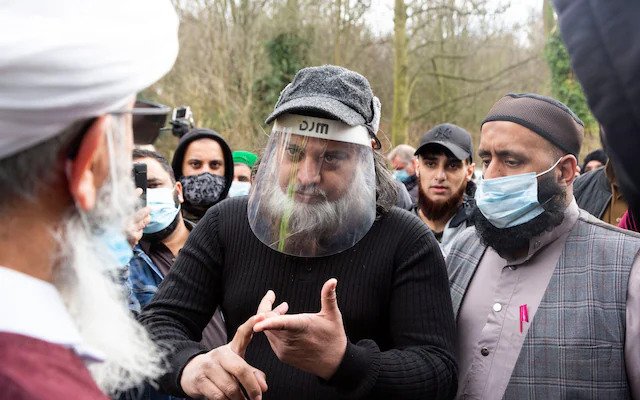
For decades, Islam in Britain has presented challenges that demand urgent attention. From my experience representing more Muslims than any other Conservative MP in High Wycombe between 2001 and 2010, I witnessed firsthand how global events shaped local communities. Elected just months before the tragic attacks of 9/11, my tenure coincided with Afghanistan, Iraq, the London bombings of 7/7 and 21/7, the Glasgow airport attack, and multiple Middle Eastern conflicts. Even the first house I lived in was close to the residence of a quartermaster of a plot targeting a transatlantic flight.
Over the past 25 years, the majority of British Muslims have quietly lived their lives, contributing positively to society. Yet in some towns and cities, communal cohesion is weakening. Instances of segregation and balkanisation are increasing. MPs are occasionally elected along sectarian lines, territorial flags appear in public spaces, and law enforcement sometimes prioritises community management over upholding the law. Disturbingly, anti-Jewish violence has resurfaced in Britain for the first time since its readmission in the 1650s, while anti-Muslim attacks are at record levels.

Understanding the causes is essential. Extremists exist across all religions, yet only Islamist terrorism has posed sustained security threats in Britain. High-profile attacks, including the murder of Lee Rigby, the Manchester Arena bombing, the London Bridge attack, the killing of David Amess, and the Reading stabbings, were all linked to Islamic extremism. The Southport murders, where three young girls were killed, involved a perpetrator in possession of an Al Qaeda manual. Western foreign policy alone cannot explain such violence; incidents like the Danish cartoons controversy, the Batley teacher case, and the Charlie Hebdo attacks are rooted in ideology rather than geopolitics.
Historically, the Christian and Muslim worlds were comparably influential, but the rise of the West created cultural, political, and religious tensions. Three reactions have emerged: the political rise of Islamism through movements such as the Muslim Brotherhood and clerical Iran; religious extremism manifested in Wahhabism; and cultural and socio-economic challenges, with only Senegal among Muslim-majority nations recognised as politically free by Freedom House.
Consequences are evident: Al Qaeda, ISIS, and clerical extremism reflect political radicalisation, while grooming gangs highlight cultural neglect, and fundamentalist violence manifests in symbolic acts like the burning of Salman Rushdie’s Satanic Verses. Successive British governments have often exacerbated the problem, weakening traditional Muslim authorities abroad and empowering extremist interpretations in places like Saudi Arabia. Domestically, responses have been reactive and inconsistent, leading to recurring cycles of extremism and societal tension.

Addressing this issue requires an integrated, all-party approach. Expertise exists in institutions like the Counter Extremism Group and offices such as that of Commissioner Robin Simcox. Yet policy has lacked sustained commitment. Governments cannot compel apolitical Muslims to engage politically, nor impose representation or favour particular religious factions. However, extremists must not be granted taxpayer support, platforms, or influence.
Practical steps include stricter monitoring of funding for Islamic organisations, emulating approaches taken by Giorgia Meloni and the Danish governments on integration, and distinguishing between free speech and incitement to violence. Social media platforms must be held accountable for extremist content. Institutions such as the NHS and schools need faster suspension powers, stronger workplace policies, and expanded oversight by bodies like the Care Quality Commission and Ofsted. The full implementation of recommendations from William Shawcross’s review of Prevent is critical. The prison system must separate the most dangerous offenders. Protests against foreign governments are legitimate, but public safety and order must be maintained. While anti-Muslim prejudice must be addressed, the concept of Islamophobia must not suppress free expression.
The challenge is complex, but Britain cannot afford inaction. Strengthened institutions, clear policies, and societal vigilance are essential to ensuring safety, integration, and the continued flourishing of multicultural life.
Related News:
 Green Party Faces Leadership Divide Over Direction and Strategy
 Security Breach Deepens at RAF Brize Norton as Terror Arrest Follows £7 Million Aircraft Vandalism
 Polanski’s Rise Signals a Shift in British Political Landscape
 Bridget Phillipson and Lucy Powell Emerge as Main Contenders in Labour Deputy Leadership Race
 Lib Dems Urged to Focus on Policy Over Stunts, Survey Shows
 Katie Lam’s Rise Signals Conservative Party’s Rightward Turn on Migration
 Greens Gain Ground in London as Zack Polanski Eyes Labour’s Stronghold
 Lib Dems Likely to Outperform Tories in Seat Count, Warns Top Pollster
 Zarah Sultana and Jeremy Corbyn Reunite Amid New Party Plans
 Swinney cites 2011 precedent to push for indyref2
 Robert Jenrick faces backlash over comments backing burqa ban
 Plaid Cymru Triumphs in Caerphilly, Ending Labour Century-Long Hold
 How the Royal Navy Can’t Stop the Channel Boats
 Boris Johnson: Tories Risk Election Loss if They ‘Bash the Green Agenda’
 UK Anti-Islamophobia Head Reports Being Refused Service Over Faith
 Green Party Surges Past Labour in Latest UK Poll
 Celebrities and Charities Demand UK Government Act on Child Poverty
Boris Johnson accused of undermining BBC leadership
Celebrities and Charities Demand UK Government Act on Child Poverty
Boris Johnson accused of undermining BBC leadership
 Tim Davie resigns as BBC director general amid bias claims
 ‘Reckless’ cuts to victims’ services will cost more than they save
 Politics latest: Starmer ‘will fight any leadership coup’ as Streeting denies attempt to oust Labour PM
 Scottish Ministers Express Alarm Over UK Asylum Reforms
 Labour Faces Historic Decline in Wales
 MP Offers Seat to Help Burnham Challenge Starmer
 BBC to Expand Standards Panel and Create Deputy Director Role
 Most Tories Expect to Support a Farage-Led Government
 Nigel Farage Responds to Racism Claims from School Days
 UK Must Act with Courage and Clarity on Israel-Palestine Conflict, Says Foreign Affairs Committee Report
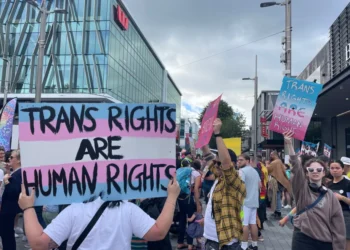 The Fight for Trans Safety Is a Fight for Everyone’s Safety — MPs Must Debate This Crucial Issue
 Brian Cox Slams Donald Trump’s Remarks on Scottish Independence and Voices Support for Kevin Spacey’s Return to Acting
 Chancellor Faces Mounting Pressure Amid “Impossible Trilemma” Over Tax Rises
 Radioactive Leak at UK’s Nuclear Warhead Base Sparks Outcry Over Safety and Secrecy
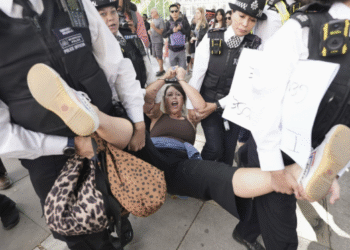 Mass Arrests in London as Protest Defies Ban on Palestine Action
 Mutual Inconvenience: Why Alaska Was Chosen for the Trump-Putin Summit on Ukraine
 UK Government Expands ‘Deport Now, Appeal Later’ Policy to 23 Countries
 Chancellor Rachel Reeves Pushes for Sweeping Changes to Environmental Protections to Accelerate Development
 Larger Families Could Gain Thousands if Labour Ends Two-Child Benefit Cap
 Is the UK Ready to Put Boots on the Ground in Ukraine? Assessing Military Capacity and Challenges
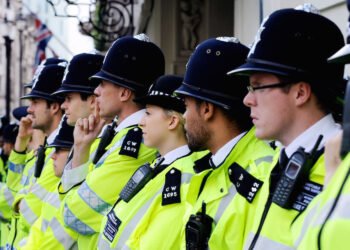 Palestine Action Ban Protesters Plan Tactic to Overwhelm Police at Next London Demonstration
 Police Scotland Spends £500,000 Compensating Officers Over Trump Visit
 Britain’s Migration Challenge: Rising Asylum Numbers and Hotel Pressures
 Elon Musk Sparks New Controversy by Backing Tommy Robinson Amid Farage Feud
 Urgent Action Needed on Windrush Compensation as Survivors Speak of “Waiting to Die”
 Tanni Grey-Thompson Faces Abuse Over Opposition to Assisted Dying Bill
 TfL Invites RMT to Resume Talks as London Tube Strikes End
 UK Rejoining EU ‘Unlikely in My Lifetime,’ Says Starmer’s Europe Reset Negotiator
 ‘Unite the Kingdom’ Rally Sparks Fears of Far-Right Normalisation Among Minority Britons
 Thousands Gather in London to Protest Donald Trump’s Second UK State Visit
 Zarah Sultana Seeks Legal Action After Bitter Clash with Jeremy Corbyn Over Party Membership Funds
 Nigel Farage Unveils Controversial Immigration and Welfare Plans at Reform UK Press Conference
 Top Andy Burnham Ally Launches Fierce Critique of Starmer Ahead of Labour Conference
 Mahmood Pledges Reform of Modern Slavery Laws After Court Blocks Deportation Appeal
 Ed Miliband Warns UK Government on X, Citing Elon Musk as a “Dangerous Influence”
 Ed Miliband Urges Labour to Confront Billionaire-Backed Opposition to Net Zero Goals
 Digital ID Plans Ignite Debate Over £600m Treasury Tax Boost and Privacy Concerns
 Kemi Badenoch Unveils ‘Golden Rule’ to Halve Spending Cuts for Deficit Reduction at Tory Conference
Public Trust in SNP Hits Historic Low Amid NHS Concerns
Kemi Badenoch Unveils ‘Golden Rule’ to Halve Spending Cuts for Deficit Reduction at Tory Conference
Public Trust in SNP Hits Historic Low Amid NHS Concerns
 Johnson Suggests Mandelson Linked to China Spy Controversy
 UK border officers deployed to Balkans to tackle migrant smuggling
 Ministry of Justice fails to file £11bn in spending receipts
 UK MPs warn of repeat riots over online misinformation
 Rachel Reeves signals welfare reform ahead of key budget
 Reform UK candidate fined £19,000 after using AI-generated cases to challenge election
 The debate over England’s compulsory reading test for 13-year-olds
 William Steps Up Over Prince Andrew Palace Response
 UK Health Leaders Push for Urgent Tobacco & Vape Bill
Johnson Approved China’s London ‘Super-Embassy’ in 2018
UK Health Leaders Push for Urgent Tobacco & Vape Bill
Johnson Approved China’s London ‘Super-Embassy’ in 2018
 Zarah Sultana Launches Party to Change Politics
 Mass Stabbing on Doncaster to London Train Leaves Ten Injured
 FBI Director Kash Patel Defends Girlfriend Amid Government Jet Claims
 London’s Childlessness Crisis: Schools Closing as Families Shrink
 Starmer Faces Growing Dissent as Labour MPs Weigh Leadership Challenge
 VAR Must Rein Its Neck In to Save Football’s Spirit
 Mary Earps’s Manchester United Return Faces Mixed Reception
 Pressure Mounts on Starmer to Sack Chief of Staff Over Briefing Row
 Peers Flood Assisted Dying Bill with 942 Amendments
 England’s Special Needs Support Faces Breaking Point
 MoD warned over Excel risks before Afghan data breach
 Labour MP claims devolution bill is ‘blatant discrimination’ against Cornwall
 Millions Face Higher Taxes Under Reeves New Budget